
Preventing Joint Problems with Exercise in British Shorthairs

Quick Summary:
Preventing joint problems in British Shorthairs involves regular, gentle exercise to maintain a healthy weight and muscle mass. Provide scratching posts, climbing structures, and interactive toys to encourage activity. Avoid overfeeding and ensure a balanced diet. Regular vet check-ups can help detect early signs of joint issues, allowing for timely intervention and management.
Is your British Shorthair starting to slow down? Are you worried about their joints as they get older? Many British Shorthair owners face this concern. These beautiful cats can be prone to joint issues, but there’s a lot you can do to help! The good news is that with the right approach to exercise and care, you can keep your British Shorthair happy, active, and comfortable for years to come.
This guide will walk you through simple, effective ways to prevent joint problems through exercise. We’ll cover everything from creating a stimulating environment to choosing the right activities and spotting early warning signs. Let’s get started and ensure your furry friend enjoys a long and healthy life!
Understanding Joint Problems in British Shorthairs

British Shorthairs are known for their sturdy build and charming personalities. However, like many breeds, they can be prone to certain joint problems. Understanding these potential issues is the first step in keeping your cat healthy. The most common joint problems in British Shorthairs include:
- Hip Dysplasia: This occurs when the hip joint doesn’t develop properly, leading to instability and potential arthritis.
- Osteoarthritis (Degenerative Joint Disease): This is a progressive condition where the cartilage in the joints breaks down, causing pain and stiffness. According to the Cornell Feline Health Center, osteoarthritis is common in older cats, but can also affect younger cats due to injury or genetic factors.
- Patellar Luxation: This involves the kneecap (patella) slipping out of its normal position, causing discomfort and lameness.
While genetics can play a role, lifestyle factors like diet and exercise have a significant impact. Maintaining a healthy weight and ensuring regular, appropriate exercise can greatly reduce the risk and severity of these issues.
The Importance of Exercise

Exercise is crucial for maintaining your British Shorthair’s joint health. Regular physical activity helps in several ways:
- Strengthening Muscles: Strong muscles support the joints, reducing strain and preventing injury.
- Maintaining a Healthy Weight: Excess weight puts extra pressure on the joints, accelerating wear and tear.
- Improving Circulation: Exercise increases blood flow to the joints, promoting healing and reducing inflammation.
- Enhancing Flexibility: Regular movement keeps the joints flexible and reduces stiffness.
However, it’s important to choose the right types of exercise. High-impact activities can be harmful, especially for cats prone to joint problems. The goal is to provide gentle, consistent activity that keeps your cat moving without overstressing their joints.
Creating an Exercise-Friendly Environment
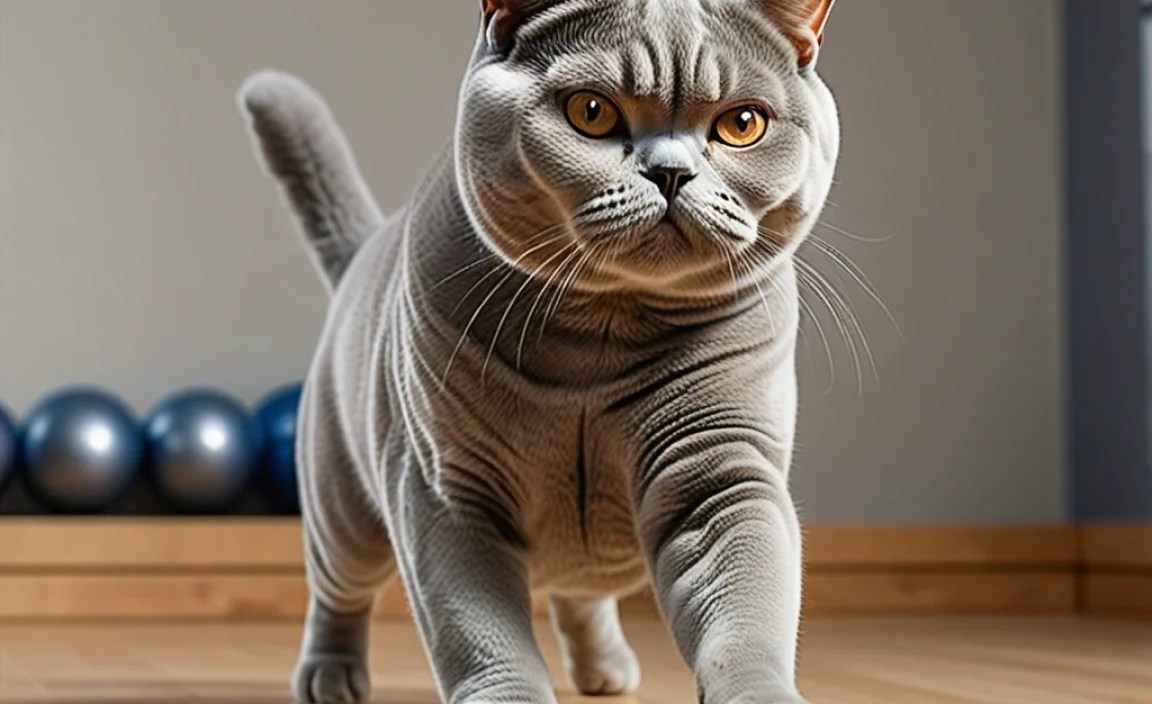
Before you start a formal exercise routine, make sure your home is set up to encourage activity. Here are some ideas to create an environment that promotes movement:
- Scratching Posts: These allow your cat to stretch and scratch, keeping their claws healthy and their muscles engaged.
- Climbing Structures: Cat trees and shelves provide opportunities to climb and explore, promoting agility and strength.
- Interactive Toys: Toys that mimic hunting behavior, such as feather wands and laser pointers, encourage your cat to run, jump, and pounce.
- Window Perches: Cats love to watch the world outside. A window perch provides mental stimulation and a comfortable spot to observe their surroundings.
By making your home more engaging, you can encourage your British Shorthair to be more active throughout the day.
Choosing the Right Exercises
When it comes to exercise, moderation and the right type of activity are key. Here are some safe and effective exercises for British Shorthairs:
Interactive Play Sessions
Interactive play is a fantastic way to engage your cat and get them moving. Here’s how to make the most of playtime:
- Feather Wands: These are great for mimicking the movement of prey. Wave the wand in a way that encourages your cat to chase, pounce, and jump.
- Laser Pointers: While controversial (some cats can get frustrated if they never “catch” the light), laser pointers can be a fun way to get your cat running. Always end the session by pointing the laser at a tangible toy so they can satisfy their hunting instincts.
- Toy Mice: Toss toy mice for your cat to chase and retrieve. This encourages running and pouncing, and provides mental stimulation.
Keep play sessions short and frequent, around 10-15 minutes, several times a day. This is much more effective than one long, exhausting session.
Puzzle Feeders
Puzzle feeders are toys that dispense food when your cat interacts with them. These are great for mental stimulation and can also encourage physical activity as your cat figures out how to get the treats. The International Cat Care organization recommends puzzle feeders to help keep cats mentally stimulated.
- Rolling Feeders: These dispense food as your cat rolls them around.
- Interactive Boards: These have compartments where you can hide treats, and your cat has to figure out how to open them.
Walking on a Leash
Some British Shorthairs can be trained to walk on a leash. This can be a great way to get them outside for some fresh air and exercise. However, it’s important to introduce the leash and harness gradually and make sure your cat is comfortable before venturing outdoors.
- Start Indoors: Let your cat wear the harness indoors for short periods, gradually increasing the time.
- Attach the Leash: Once your cat is comfortable with the harness, attach the leash and let them drag it around.
- Short Walks: Begin with short walks in a quiet, safe area.
Never force your cat to walk if they are scared or uncomfortable. Always use positive reinforcement, such as treats and praise, to encourage them.
Exercises to Avoid
While exercise is important, certain activities can be harmful to British Shorthairs, especially those prone to joint problems. Avoid these types of exercises:
- High Jumps: Jumping from high places can put excessive strain on the joints.
- Rough Play: Avoid roughhousing or playing too aggressively, as this can lead to injuries.
- Forced Exercise: Never force your cat to exercise if they are unwilling or showing signs of discomfort.
Always observe your cat’s body language and stop if they seem tired, stiff, or in pain.
Diet and Weight Management
Maintaining a healthy weight is crucial for preventing joint problems. Excess weight puts extra pressure on the joints, accelerating wear and tear. Here are some tips for managing your British Shorthair’s diet:
- Feed a High-Quality Diet: Choose a cat food that is formulated for their age and activity level. Look for brands that use high-quality ingredients and avoid fillers.
- Control Portion Sizes: Follow the feeding guidelines on the food packaging and adjust as needed to maintain a healthy weight.
- Avoid Overfeeding: Limit treats and snacks, as these can contribute to weight gain.
- Regular Weigh-Ins: Monitor your cat’s weight regularly and adjust their diet as needed.
Consult with your veterinarian to determine the ideal weight for your British Shorthair and to get recommendations for the best diet.
Supplements for Joint Health
Certain supplements can help support joint health in British Shorthairs. These include:
- Glucosamine and Chondroitin: These are building blocks of cartilage and can help reduce inflammation and promote joint repair.
- Omega-3 Fatty Acids: Found in fish oil, omega-3 fatty acids have anti-inflammatory properties and can help reduce joint pain.
- MSM (Methylsulfonylmethane): This is a natural sulfur compound that can help reduce inflammation and pain.
Always talk to your veterinarian before starting any new supplements. They can recommend the right dosage and ensure that the supplements are safe for your cat.
| Supplement | Benefits | Considerations |
|---|---|---|
| Glucosamine and Chondroitin | Reduces inflammation, promotes cartilage repair | Consult vet for dosage, may take several weeks to see results |
| Omega-3 Fatty Acids | Anti-inflammatory, reduces joint pain | Use high-quality fish oil, monitor for digestive upset |
| MSM (Methylsulfonylmethane) | Reduces inflammation and pain | Consult vet for appropriate dosage |
Recognizing Early Signs of Joint Problems
Early detection is key to managing joint problems effectively. Watch out for these signs:
- Decreased Activity: Your cat may be less interested in playing or exploring.
- Stiffness: They may move slowly or stiffly, especially after resting.
- Difficulty Jumping: Your cat may hesitate or struggle to jump onto furniture.
- Limping: They may limp or favor one leg.
- Changes in Grooming Habits: They may have difficulty grooming certain areas, leading to matted fur.
- Irritability: Your cat may become more irritable or sensitive to touch.
If you notice any of these signs, consult with your veterinarian as soon as possible.
Regular Veterinary Check-ups
Regular check-ups are essential for monitoring your British Shorthair’s joint health. Your veterinarian can perform a physical exam to check for signs of joint problems and recommend appropriate treatment if needed. According to the RSPCA, regular vet check-ups can help catch health issues early.
During the check-up, be sure to discuss any concerns you have about your cat’s activity level or behavior. Your vet may recommend X-rays or other diagnostic tests to assess the health of their joints.
Creating a Comfortable Environment for Senior Cats
As British Shorthairs age, they may develop joint problems even with the best preventive care. Here are some ways to make their environment more comfortable:
- Soft Bedding: Provide a comfortable, supportive bed in a warm, draft-free area.
- Low-Sided Litter Box: A litter box with low sides can make it easier for your cat to get in and out.
- Ramps and Steps: These can help your cat access their favorite spots without having to jump.
- Warmth: Consider using a heated bed or blanket to soothe their joints.
By making these adjustments, you can help your senior cat stay comfortable and happy.
British Shorthair Joint Health: FAQs
1. Are British Shorthairs prone to joint problems?
Yes, British Shorthairs can be prone to joint issues like hip dysplasia and osteoarthritis due to their build. Regular exercise and a healthy diet can help minimize these risks.
2. How much exercise does my British Shorthair need?
Aim for 10-15 minutes of interactive play sessions a few times a day. This helps keep them active without overexerting their joints.
3. What are the best toys for exercising my British Shorthair?
Feather wands, laser pointers (used responsibly), and toy mice are great for encouraging chasing and pouncing. Puzzle feeders can also add mental stimulation.
4. Can supplements help prevent joint problems?
Yes, supplements like glucosamine, chondroitin, and omega-3 fatty acids can support joint health. Consult your vet before starting any new supplements.
5. How can I tell if my British Shorthair has joint pain?
Watch for signs like decreased activity, stiffness, difficulty jumping, limping, or changes in grooming habits. If you notice these, consult your vet.
6. What kind of diet is best for my British Shorthair’s joint health?
A high-quality diet formulated for their age and activity level is best. Control portion sizes to maintain a healthy weight and avoid overfeeding.
7. Is it okay to walk my British Shorthair on a leash?
Yes, but introduce the leash and harness gradually. Start indoors and progress to short, supervised walks in safe areas. Never force them if they’re uncomfortable.
Conclusion
Preventing joint problems in your British Shorthair involves a combination of regular, gentle exercise, a balanced diet, and proactive care. By creating an environment that encourages activity, choosing the right types of exercises, and monitoring for early signs of joint issues, you can help your furry friend stay happy, healthy, and active for years to come. Remember, consulting with your veterinarian is crucial for personalized advice and treatment plans. Here’s to many joyful, active years with your beloved British Shorthair!


