
British Shorthair Scratching Habits: The Ultimate Guide

Have you ever watched a cat scratch? Cats love to scratch. But why do they do it? It is a normal behavior. It helps them stay healthy and happy. Understanding British Shorthair scratching habits is important. It can help you care for your furry friend.
Do you have a British Shorthair? These cats are cute and cuddly. They are also known for their scratching. Knowing why they scratch can save your furniture. It can also make your cat happier. Let’s learn more about this behavior.
Cats scratch for many reasons. Scratching keeps their claws sharp. It also helps them stretch their bodies. Plus, it marks their territory. They leave their scent behind. This tells other cats, “This is my space!”
Key Takeaways
- Providing scratching posts can redirect British Shorthair scratching habits away from furniture.
- Regular nail trimming helps to minimize damage caused by scratching.
- Scratching is a natural behavior for cats. It is important for claw health.
- Cats scratch to mark their territory. This leaves both visual and scent markers.
- Understanding why cats scratch helps owners manage the behavior better.
Understanding British Shorthair Scratching

Scratching is a normal thing for cats. It is how they take care of their claws. It also lets them stretch and mark their space. British Shorthair scratching habits are no different. But knowing why they do it can help you. You can give them the right things to scratch. This will keep your furniture safe and your cat happy. Remember, scratching is not just bad behavior. It is a basic need for your cat. By understanding this, you can create a good scratching plan. This will work for both you and your furry friend. This will make life better for everyone. It helps to make sure they have a good scratching post. You can train them to use it. By doing this, you can save your sofa from getting scratched up.
- Scratching keeps claws healthy.
- Cats stretch their bodies when they scratch.
- Scratching marks territory.
- It relieves stress for cats.
- Scratching helps remove old nail sheaths.
So, what can you do to help your British Shorthair? First, get them a good scratching post. Make sure it is tall and sturdy. Cats like to stretch up high when they scratch. Put the post in a place where your cat spends time. If your cat is already scratching furniture, put the post there. You can also try different types of scratching posts. Some cats like sisal, others like carpet or cardboard. Try different kinds to see what your cat likes best. Praise your cat when they use the scratching post. You can even give them a treat. This will help them learn that scratching the post is good. Soon, your cat will be scratching the post instead of your furniture.
Fun Fact or Stat: Cats have scent glands in their paws. Scratching releases these scents to mark their territory!
Why Do British Shorthairs Scratch?
Have you ever wondered why your British Shorthair scratches? Scratching is more than just a bad habit. It’s a way for them to care for their claws. When they scratch, they get rid of old nail layers. This keeps their claws sharp and healthy. Plus, scratching helps them stretch their muscles. It’s like a good workout for your cat! So, next time you see your cat scratching, remember they’re not just being naughty. They are taking care of themselves. Understanding this helps you provide better care. It also helps you guide their British Shorthair scratching habits to appropriate places. This makes your cat happier and your home safer.
The Role of Scratching in Claw Health
Scratching is really important for a cat’s claws. As the cat scratches, they are pulling off the old, dead layers of their nails. Underneath, there are new, sharp claws. If cats didn’t scratch, their claws would get too long. They can become thick and overgrown. That would be uncomfortable for the cat. Imagine having nails that are too long. It would be hard to walk and play. Scratching keeps their claws in good shape. It ensures they can climb, play, and defend themselves. This is why providing a good scratching post is so important. It lets them take care of their claws in a healthy way. Owners must understand how scratching benefits their cat’s health. This helps them to support these natural British Shorthair scratching habits.
Scratching as a Form of Communication
Did you know scratching is also a way cats talk to each other? When a cat scratches, they leave a mark that other cats can see. But that’s not all! Cats also have scent glands in their paws. When they scratch, they leave their scent behind. This tells other cats, “I was here!” It’s like leaving a message on a bulletin board. This is why cats often scratch in places that are easy to see. Like the side of the couch or a doorway. They want to make sure other cats know they are around. Understanding this helps you see scratching in a new way. It is not just about claw care. It is a way for cats to say, “This is my home!” It is part of their natural British Shorthair scratching habits.
The Importance of Scratching Posts

Scratching posts are really important for your British Shorthair. They give your cat a good place to scratch. This keeps them from scratching your furniture. A good scratching post should be tall and sturdy. It should not wobble when your cat uses it. Some cats like posts covered in sisal rope. Others prefer carpet or cardboard. You might need to try a few kinds to see what your cat likes best. Put the scratching post in a place where your cat spends a lot of time. Near their bed or favorite window is a good spot. If your cat is already scratching your couch, put the post right next to it. This makes it easy for them to switch to the right spot. Remember, scratching is a need, not a want. Providing a good scratching post meets this need. It helps keep your cat happy and your home safe. Understanding British Shorthair scratching habits ensures you provide them with the right scratching solutions.
- Tall posts let cats stretch fully.
- Sturdy posts prevent tipping.
- Sisal rope is a popular choice.
- Cardboard scratchers are also good.
- Placement is key to success.
- Try different textures to see what your cat prefers.
Training your cat to use a scratching post takes time. But it is worth it. Start by putting the post near your cat’s favorite spot. If you see your cat scratching your furniture, gently move them to the post. You can also use catnip to attract them to the post. When your cat scratches the post, praise them. Give them a treat. This helps them learn that scratching the post is a good thing. Be patient and consistent. It may take a few weeks for your cat to fully switch to the post. But with time and effort, you can save your furniture. You can also keep your cat happy and healthy. They need to express their natural British Shorthair scratching habits in a way that works for everyone.
Fun Fact or Stat: Cats can have a preference for vertical or horizontal scratching surfaces!
Choosing the Right Scratching Post
Picking the right scratching post can be tricky. There are so many choices! Think about what your cat likes. Do they like to stretch up high? Then get a tall post. Do they like to scratch on the floor? Then a flat cardboard scratcher might be best. Also, think about the material. Sisal rope is a popular choice. It is tough and feels good on their claws. Carpet is another option. But some cats might think it is too much like your furniture. Cardboard scratchers are cheap and easy to replace. Try a few different kinds. See what your cat likes best. By paying attention to your cat’s preferences, you can find the perfect scratching post. This will keep them happy and your furniture safe. Understanding British Shorthair scratching habits helps you make the best choice.
Placement Matters: Where to Put the Post
Where you put the scratching post is very important. Cats often scratch when they wake up. So, put a post near their sleeping spot. They also scratch to mark their territory. Put a post near doorways or windows. These are places where other cats might see it. If your cat is already scratching your furniture, put a post right next to it. This makes it easy for them to switch to the post. You can also try putting a post in a central location. Like the living room where everyone hangs out. The goal is to make the scratching post easy to find and use. By thinking about where your cat likes to be, you can put the post in the perfect spot. This will make it more likely they will use it. It also helps them express their natural British Shorthair scratching habits.
Encouraging Use: Tips and Tricks
Getting your cat to use the scratching post can take some work. But there are things you can do to help. Try rubbing catnip on the post. Most cats love catnip! It will attract them to the post. You can also play with your cat near the post. Use a toy to get them to reach and scratch. When your cat scratches the post, praise them. Give them a treat. This helps them learn that scratching the post is a good thing. If your cat is scratching your furniture, gently move them to the post. Be patient and consistent. It may take a few weeks for your cat to fully switch to the post. But with time and effort, you can teach your cat to scratch in the right place. This helps you to manage their British Shorthair scratching habits.
Nail Trimming and Scratching

Trimming your cat’s nails is another way to manage scratching. When their nails are shorter, they won’t do as much damage. Even if they still scratch your furniture. You can trim your cat’s nails at home. Or you can take them to a groomer or vet. If you trim them at home, use special cat nail clippers. Be careful not to cut too far down. You might cut the quick, which is painful. Only cut the very tip of the nail. It is best to start trimming your cat’s nails when they are young. This will get them used to it. Make it a positive experience. Give them treats and praise. Even with nail trimming, your cat will still need to scratch. Scratching helps keep their claws healthy. So, provide a scratching post. Nail trimming and scratching posts work together. They keep your cat’s claws in good shape. They also help you protect your furniture. Nail trimming can also help with managing British Shorthair scratching habits.
- Trim nails every 2–3 weeks.
- Use cat nail clippers.
- Avoid cutting the quick.
- Start trimming nails when they are young.
- Make it a positive experience with treats.
- Scratching is still needed for claw health.
Some cats don’t like having their nails trimmed. If your cat is one of them, be patient. Start slowly. Just trim one or two nails at a time. Give them lots of praise and treats. You can also try wrapping your cat in a towel. This can help them feel more secure. If your cat is really upset, stop and try again later. It is better to do a little bit at a time than to stress them out. If you are not comfortable trimming your cat’s nails yourself, ask your vet for help. They can show you how to do it safely. They can also trim your cat’s nails for you. Remember, nail trimming is just one part of managing scratching. Providing a good scratching post is also important. This lets your cat express their natural British Shorthair scratching habits.
Fun Fact or Stat: A cat’s claws retract, meaning they can pull them in and out!
How Often Should You Trim Nails?
How often you trim your cat’s nails depends on how fast they grow. Most cats need their nails trimmed every 2–3 weeks. If you can hear your cat’s nails clicking on the floor, it is time for a trim. If your cat is very active, they may wear their nails down naturally. You might not need to trim them as often. Check your cat’s nails regularly. This will help you know when they need a trim. Overgrown nails can be uncomfortable for your cat. They can also get caught on things. This can lead to injury. Regular nail trimming helps keep your cat healthy and comfortable. It also helps to manage their British Shorthair scratching habits.
The Right Way to Trim Your Cat’s Nails
Trimming your cat’s nails the right way is important. You don’t want to hurt them. Use special cat nail clippers. These are designed to cut their nails safely. Hold your cat’s paw gently. Push on their toe to extend the claw. Look closely at the nail. You will see a pink part inside. This is the quick. It has blood vessels and nerves. You don’t want to cut this. Only cut the very tip of the nail. If you are not sure how much to cut, start with a small amount. You can always cut more later. If you accidentally cut the quick, don’t panic. It will bleed a little. Use a styptic pencil or powder to stop the bleeding. Be careful and take your time. With practice, you will become a pro at trimming your cat’s nails. Remember to always manage scratching and British Shorthair scratching habits safely.
Making Nail Trimming a Positive Experience
Making nail trimming a positive experience is key. If your cat hates it, it will be hard to do. Start when they are young. Get them used to having their paws touched. Gently massage their paws and toes. Give them treats while you do this. This will help them associate paw touching with good things. When you start trimming their nails, go slowly. Just trim one or two nails at a time. Give them lots of praise and treats after each nail. If your cat gets upset, stop and try again later. You can also try wrapping them in a towel. This can help them feel more secure. Be patient and consistent. With time, your cat will learn to tolerate nail trimming. They may even start to enjoy it! This helps to manage their British Shorthair scratching habits by keeping their nails shorter.
Alternatives to Declawing
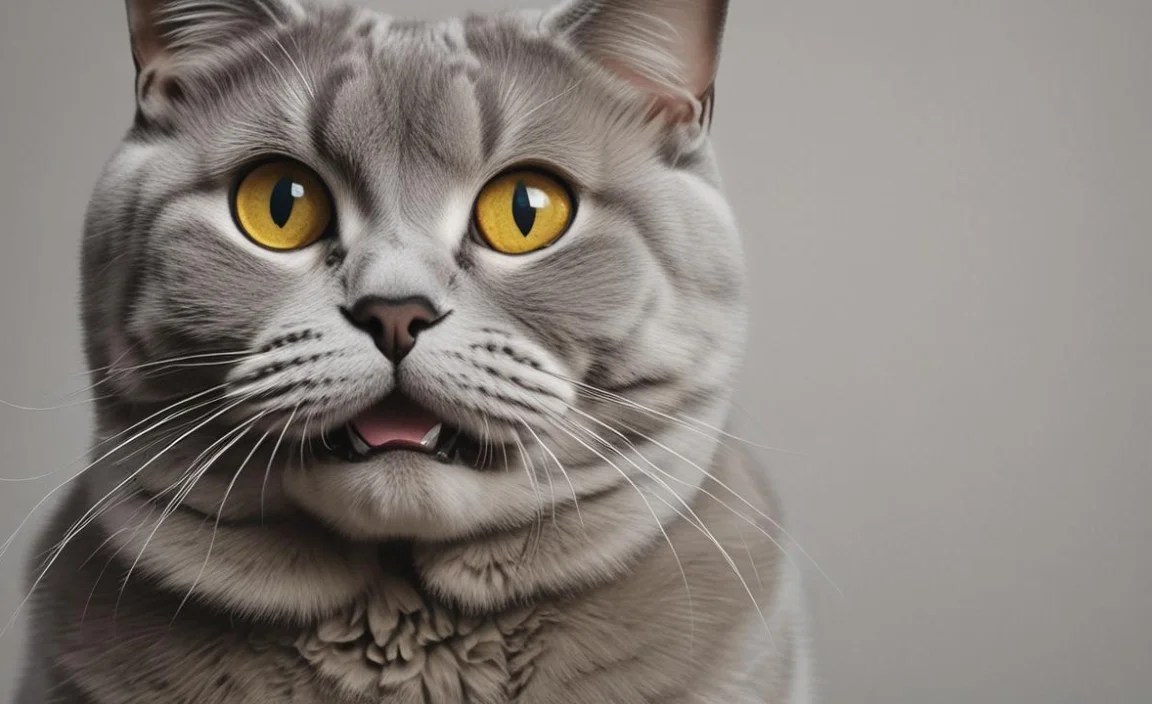
Declawing is a surgery that removes a cat’s claws. Many people don’t like this. It can hurt the cat. It can also change how they act. There are other ways to stop cats from scratching. Scratching posts are a good choice. They give your cat a place to scratch. Nail trimming helps too. It keeps their claws short. You can also use soft paws. These are plastic caps that glue onto your cat’s nails. They keep them from scratching your furniture. Training your cat is another way. Teach them where it is okay to scratch. Reward them when they scratch the right place. Declawing should be a last resort. Try other things first. These options help manage British Shorthair scratching habits without surgery.
| Alternative | Pros | Cons |
|---|---|---|
| Scratching Posts | Natural, healthy for claws | Requires training, cat may not use it |
| Nail Trimming | Easy, inexpensive | Needs to be done regularly, cat may resist |
| Soft Paws | Protects furniture, no surgery | Needs to be replaced, can fall off |
| Training | Teaches good habits, strengthens bond | Takes time and patience |
Talk to your vet about the best way to manage scratching. They can help you find a plan that works for you and your cat. Remember, scratching is a normal behavior for cats. It is important for their health and well-being. You don’t want to stop them from scratching altogether. You just want to guide them to scratch in the right place. With a little patience and effort, you can have a happy cat and a scratch-free home. By understanding the need behind British Shorthair scratching habits, you can create a positive environment.
Fun Fact or Stat: Declawing is illegal in many countries and some cities in the United States!
Soft Paws: Nail Caps for Cats
Soft Paws are little plastic caps that you glue onto your cat’s nails. They are a good way to stop your cat from scratching your furniture. The caps cover their nails. This means they can’t do as much damage. Soft Paws are easy to put on. You just need to trim your cat’s nails first. Then, put a little glue inside the cap. Slide the cap onto your cat’s nail. Hold it in place for a few seconds. The glue will dry quickly. Soft Paws last for about 4–6 weeks. Then, they will fall off naturally. You can replace them as needed. Some cats don’t like wearing Soft Paws. But most cats get used to them quickly. They are a safe and easy way to manage scratching. They are also a great alternative to declawing. These tools allow you to manage British Shorthair scratching habits.
Training: Redirecting Scratching Behavior
Training your cat can help stop them from scratching your furniture. The key is to teach them where it is okay to scratch. Start by providing a good scratching post. Put it in a place where your cat spends a lot of time. When you see your cat scratching your furniture, gently move them to the post. You can also use a toy to lure them to the post. When your cat scratches the post, praise them. Give them a treat. This helps them learn that scratching the post is a good thing. Be consistent. Every time you see your cat scratching your furniture, redirect them to the post. With time and patience, your cat will learn to scratch in the right place. Training works well for managing British Shorthair scratching habits.
Creating a Scratch-Friendly Environment
To create a scratch-friendly environment, think like a cat! Provide lots of scratching options. Offer different types of scratching posts. Some cats like tall posts, others like flat ones. Some like sisal, others like carpet or cardboard. Put scratching posts in places where your cat spends time. Near their bed, near their favorite window, or near their food bowl. Make sure the posts are sturdy. They should not wobble when your cat uses them. You can also try putting catnip on the posts. This will attract your cat to them. Make scratching a fun and rewarding activity. This will help your cat choose the scratching post over your furniture. This environment will allow your cat to embrace their British Shorthair scratching habits in a healthy way.
Health Issues and Scratching

Sometimes, if a cat is scratching too much, it may mean they have a health problem. Skin problems can make them itchy. Allergies are a common cause. Fleas can also make them scratch a lot. If your cat is scratching more than usual, check their skin. Look for redness, bumps, or sores. If you see anything like that, take them to the vet. The vet can find out what is causing the itching. They can give your cat medicine to help. Sometimes, changes in their food can help with allergies. Make sure your cat is eating a good quality food. Regular vet checkups can help catch health problems early. This can keep your cat from scratching too much. Health issues can affect British Shorthair scratching habits.
- Allergies can cause excessive scratching.
- Fleas are a common cause of itching.
- Skin infections can lead to scratching.
- Stress can also increase scratching.
- Arthritis may cause changes in scratching habits.
Stress can also make cats scratch more. If there have been changes in your home, your cat might be stressed. New people, new pets, or even moving furniture can cause stress. Try to keep your cat’s routine the same. Give them lots of attention and playtime. You can also use calming products. These can help reduce stress. If you think your cat is scratching because of stress, talk to your vet. They can give you advice on how to help your cat feel better. Addressing health and stress can help manage British Shorthair scratching habits.
Fun Fact or Stat: Some cats are allergic to their food, which can cause skin irritation and increased scratching!
Skin Problems That Cause Scratching
Skin problems are a common reason for cats to scratch a lot. Allergies, fleas, and infections can all make their skin itchy. If you notice your cat scratching more than usual, check their skin. Look for redness, bumps, or sores. These can be signs of a skin problem. Take your cat to the vet. The vet can find out what is causing the problem. They can give your cat medicine to help. They may also recommend changing your cat’s food. Some cats are allergic to certain ingredients in their food. Treating skin problems is important for your cat’s comfort. It can also help to manage their British Shorthair scratching habits.
The Role of Diet in Skin Health
What your cat eats can affect their skin health. Some cats are allergic to certain foods. This can cause their skin to become itchy and inflamed. If you think your cat has a food allergy, talk to your vet. They may recommend changing your cat’s food. Look for foods that are made with high-quality ingredients. Avoid foods that contain artificial colors, flavors, or preservatives. Some cats do better on grain-free diets. Others need special diets for sensitive skin. Your vet can help you choose the best food for your cat. A healthy diet is important for keeping your cat’s skin healthy and itch-free. This also assists in managing British Shorthair scratching habits.
Stress and Its Impact on Scratching
Stress can have a big impact on your cat’s behavior. It can make them scratch more than usual. Cats are creatures of habit. They like things to be the same. Changes in their environment can cause stress. New people, new pets, moving furniture, or even a change in routine can upset them. If you think your cat is scratching because of stress, try to make their environment more calm. Give them a safe place to hide. Spend time playing with them. Use calming products like pheromone diffusers. If the stress is severe, talk to your vet. They can give you advice on how to help your cat feel better. Managing stress can help reduce excessive scratching. It is important for their health and happiness and to manage British Shorthair scratching habits.
Creating a Cat-Friendly Home
Making your home cat-friendly can help with scratching. Cats need to feel safe and happy. Give them places to climb and explore. Cat trees are great for this. They let cats climb up high. This makes them feel secure. Provide scratching posts in different areas. This gives them options for scratching. Make sure they have a comfortable place to sleep. A cozy bed or a sunny window perch is perfect. Play with your cat every day. This helps them burn energy and reduce stress. A happy cat is less likely to scratch your furniture. A cat-friendly home is a happy home. It also helps to manage British Shorthair scratching habits.
- Provide vertical spaces like cat trees.
- Offer multiple scratching posts.
- Create comfortable sleeping areas.
- Play with your cat daily.
- Keep the environment clean and safe.
- Use pheromone diffusers to reduce stress.
Cats like to have their own space. Make sure they have a place where they can go to be alone. This could be a bed in a quiet room. Or a covered cat bed where they can hide. Don’t force your cat to interact with people or other pets if they don’t want to. Let them come to you. A safe and secure cat is a happy cat. A happy cat is less likely to have behavior problems. This includes scratching. A peaceful environment contributes to positive British Shorthair scratching habits.
Fun Fact or Stat: Cats can jump up to six times their height!
Vertical Space: Cat Trees and Shelves
Vertical space is very important for cats. They like to climb and explore. Cat trees are a great way to give them vertical space. They come in all shapes and sizes. Some are tall and have lots of levels. Others are smaller and more simple. Choose one that fits your space and your cat’s needs. You can also put up shelves on the walls. This creates a cat highway around your room. Make sure the shelves are sturdy and can hold your cat’s weight. Put soft blankets or beds on the shelves. This will make them more comfortable for your cat. Vertical space gives cats a sense of security. It also helps them burn energy and stay active. It’s a great way to enrich their environment. It also promotes better British Shorthair scratching habits.
Safe Havens: Creating Secure Spaces
Cats need to feel safe in their home. Provide them with places where they can go to be alone. A covered cat bed is a good option. It gives them a place to hide. You can also put a bed in a quiet room. Make sure they have access to food, water, and a litter box in their safe space. Don’t force your cat to come out if they don’t want to. Let them come to you when they are ready. A safe and secure cat is a happy cat. A happy cat is less likely to have behavior problems. This includes scratching. A comfortable environment supports good British Shorthair scratching habits.
Playtime: Bonding and Exercise
Playtime is important for cats. It helps them burn energy and reduce stress. It also helps you bond with your cat. Play with your cat every day. Use toys that they enjoy. Feather wands, laser pointers, and toy mice are all good choices. Let your cat chase and pounce on the toys. This helps them satisfy their hunting instincts. Playtime should be fun for both you and your cat. End each play session with a treat. This will help your cat associate playtime with positive things. Regular playtime can help reduce scratching. It also keeps your cat happy and healthy. Owners should schedule regular playtime to encourage healthy British Shorthair scratching habits.
Summary
Scratching is a natural behavior for British Shorthair cats. They scratch to keep their claws healthy, stretch their bodies, and mark their territory. Understanding these British Shorthair scratching habits is important for cat owners. Providing scratching posts is key. These give your cat a good place to scratch. Nail trimming can also help. It keeps their claws short and less damaging. There are alternatives to declawing, like Soft Paws and training. A cat-friendly home with climbing and hiding spots can also reduce scratching. If your cat is scratching excessively, it could be a sign of a health problem. Talk to your vet. They can help you find the best way to manage scratching.
Conclusion
Managing British Shorthair scratching habits takes time and effort. It is important to understand why cats scratch. Provide them with the right tools. Scratching posts, nail trimming, and a cat-friendly home can all help. Be patient and consistent. With a little work, you can have a happy cat and a scratch-free home. Remember, scratching is a normal behavior. It is important for your cat’s health and well-being. A happy cat is a good cat!
Frequently Asked Questions
Question No 1: Why is my British Shorthair scratching my furniture?
Answer: Your British Shorthair is scratching your furniture for a few reasons. Scratching helps them to keep their claws healthy and sharp. It also allows them to stretch their muscles. Cats mark their territory by scratching. They have scent glands in their paws. Scratching leaves their scent behind. This tells other cats, “This is my space!” Providing a scratching post can help redirect this behavior. It is important to understand British Shorthair scratching habits to address the behavior.
Question No 2: What kind of scratching post should I get for my British Shorthair?
Answer: The best scratching post depends on your cat’s preferences. Some cats like tall posts that let them stretch fully. Others prefer flat cardboard scratchers. Sisal rope is a popular material. It is durable and feels good on their claws. Try different types to see what your cat likes best. Make sure the post is sturdy. It should not wobble when your cat uses it. Also, consider the location. Put the post in a place where your cat spends a lot of time. By understanding British Shorthair scratching habits, you can pick the right scratching post.
Question No 3: How can I get my British Shorthair to use a scratching post?
Answer: Getting your cat to use a scratching post takes patience. Start by putting the post near your cat’s favorite spot. If you see your cat scratching your furniture, gently move them to the post. You can also use catnip to attract them to the post. When your cat scratches the post, praise them. Give them a treat. This helps them learn that scratching the post is a good thing. Be consistent. It may take a few weeks for your cat to fully switch to the post. Owners need to encourage good British Shorthair scratching habits.
Question No 4: How often should I trim my British Shorthair’s nails?
Answer: You should trim your British Shorthair’s nails every 2–3 weeks. This helps to keep their claws short and less damaging. If you can hear their nails clicking on the floor, it’s time for a trim. Use special cat nail clippers. Be careful not to cut the quick, which is the pink part inside the nail. Only cut the very tip of the nail. Regular nail trimming is important for managing scratching. You can manage scratching and British Shorthair scratching habits with nail trimming.
Question No 5: Are there any alternatives to declawing my British Shorthair?
Answer: Yes, there are many alternatives to declawing. Declawing is a surgery that removes a cat’s claws. It can be painful and can change their behavior. Scratching posts, nail trimming, and Soft Paws are all good choices. Soft Paws are plastic caps that glue onto your cat’s nails. Training can also help. Teach your cat where it is okay to scratch. Declawing should be a last resort. Alternatives help manage British Shorthair scratching habits without surgery.
Question No 6: What if my British Shorthair is scratching too much?
Answer: If your British Shorthair is scratching too much, it could be a sign of a health problem. Skin problems, allergies, or fleas can make them itchy. Stress can also cause excessive scratching. Check their skin for redness, bumps, or sores. If you see anything like that, take them to the vet. The vet can find out what is causing the itching. They can give your cat medicine to help. Reducing stress can also help. Changes to British Shorthair scratching habits may indicate a health issue.


