
Smart Dog Breeds That Excel at Obedience Training

Dog Breeds That Excel at Obedience Training: A Quick Guide

Looking for a dog that loves to learn and follow commands? Certain breeds are naturally more inclined to obedience training than others. These dogs are typically intelligent, eager to please, and have a strong work ethic. Breeds like Border Collies, German Shepherds, and Poodles consistently top the list. With patience and the right training methods, you can unlock your dog’s full potential and enjoy a well-behaved companion.
Bringing a new dog into your home is a joyous occasion, but it also comes with responsibilities. One of the most important aspects of dog ownership is training. Obedience training not only teaches your dog essential commands but also strengthens the bond between you. Some breeds are naturally more receptive to training, making the process smoother and more rewarding.
If you’re looking for a dog that excels at obedience training, you’ve come to the right place. This guide will walk you through some of the most trainable breeds, highlighting their unique qualities and what makes them stand out. We’ll also cover essential training tips and answer common questions to help you succeed. Get ready to discover the perfect companion who’s eager to learn and please!
Top Dog Breeds for Obedience Training

Choosing a breed known for its trainability can make a significant difference in your training journey. Here are some of the top contenders, each with its unique strengths:
1. Border Collie
Border Collies are renowned for their intelligence and work ethic. Originally bred for herding sheep, they possess an incredible ability to learn and respond to commands. According to the American Kennel Club (AKC), Border Collies are considered one of the smartest dog breeds.
- Key Traits: High intelligence, boundless energy, eagerness to please.
- Training Tips: Provide plenty of mental stimulation, use positive reinforcement, and engage in activities like agility training.
- Potential Challenges: Can become bored and destructive if not given enough to do.
2. German Shepherd
German Shepherds are versatile and highly trainable, often used in police and military work. Their loyalty and protective nature make them excellent companions, while their intelligence allows them to quickly grasp new concepts. The RSPCA emphasizes the importance of early socialization and training for German Shepherds.
- Key Traits: Intelligence, loyalty, strong work ethic.
- Training Tips: Start training early, be consistent, and provide clear commands.
- Potential Challenges: Can be prone to separation anxiety if left alone for long periods.
3. Poodle (Standard, Miniature, and Toy)
Poodles are not just about their fancy haircuts; they are highly intelligent and eager to please. Whether Standard, Miniature, or Toy, Poodles excel in obedience training and various dog sports. Purina notes that Poodles are also hypoallergenic, making them a great choice for allergy sufferers.
- Key Traits: Intelligence, athleticism, hypoallergenic coat.
- Training Tips: Use positive reinforcement, keep training sessions fun and engaging, and consider activities like dock diving.
- Potential Challenges: Grooming can be time-consuming and expensive.
4. Golden Retriever
Golden Retrievers are known for their friendly and gentle nature, making them excellent family pets. Their intelligence and eagerness to please also make them highly trainable. The Golden Retriever Club of America highlights their versatility in various roles, from therapy dogs to search and rescue.
- Key Traits: Friendly, intelligent, eager to please.
- Training Tips: Use positive reinforcement, be patient, and focus on building a strong bond.
- Potential Challenges: Can be prone to weight gain if not properly exercised.
5. Doberman Pinscher
Doberman Pinschers are intelligent and protective, with a strong desire to please their owners. With proper training, they can be excellent companions and guardians. The Doberman Pinscher Club of America stresses the importance of responsible ownership and early socialization.
- Key Traits: Intelligence, loyalty, protective nature.
- Training Tips: Start training early, be consistent, and provide clear boundaries.
- Potential Challenges: Can be challenging for inexperienced owners due to their strong will.
6. Shetland Sheepdog
Shetland Sheepdogs, or Shelties, are intelligent and eager to please, making them highly trainable. Originally bred for herding, they excel in obedience and agility. The American Shetland Sheepdog Association emphasizes their gentle nature and loyalty to their families.
- Key Traits: Intelligence, agility, loyalty.
- Training Tips: Use positive reinforcement, keep training sessions fun, and provide plenty of mental stimulation.
- Potential Challenges: Can be prone to barking if not properly managed.
7. Labrador Retriever
Labrador Retrievers are one of the most popular dog breeds, known for their friendly and outgoing personalities. Their intelligence and eagerness to please make them highly trainable, often used as service and therapy dogs. The Labrador Retriever Club emphasizes their versatility and adaptability.
- Key Traits: Friendly, intelligent, eager to please.
- Training Tips: Use positive reinforcement, be consistent, and provide plenty of exercise.
- Potential Challenges: Can be prone to hip and elbow dysplasia, so choose a reputable breeder.
8. Papillon
Papillons are small but mighty, known for their intelligence and agility. They excel in obedience training and enjoy learning new tricks. The American Kennel Club notes that Papillons are among the smartest toy breeds.
- Key Traits: Intelligence, agility, friendly.
- Training Tips: Use positive reinforcement, keep training sessions short and fun, and provide plenty of mental stimulation.
- Potential Challenges: Can be sensitive to harsh training methods.
9. Rottweiler
Rottweilers are powerful and intelligent dogs that, with proper training, can be excellent companions and guardians. They are eager to please and respond well to consistent, positive reinforcement training. The American Rottweiler Club highlights the importance of early socialization and training to ensure a well-adjusted dog.
- Key Traits: Intelligence, loyalty, protective nature.
- Training Tips: Start training early, be consistent, and establish yourself as the leader.
- Potential Challenges: Can be stubborn and require an experienced owner.
10. Australian Shepherd
Australian Shepherds are intelligent and energetic dogs that thrive on having a job to do. Originally bred for herding, they excel in obedience training and various dog sports. The Australian Shepherd Club of America emphasizes their loyalty and versatility.
- Key Traits: Intelligence, energy, loyalty.
- Training Tips: Provide plenty of exercise, use positive reinforcement, and engage in activities like agility and herding.
- Potential Challenges: Can become bored and destructive if not given enough to do.
Factors Influencing Trainability
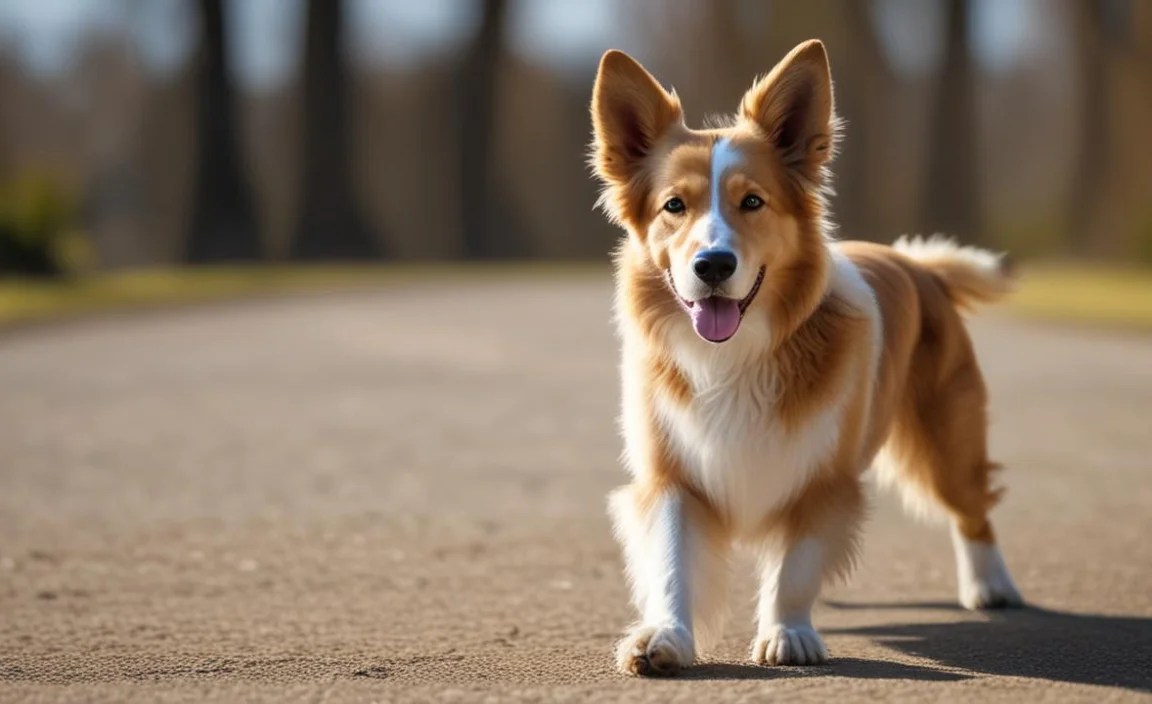
While breed plays a significant role in a dog’s trainability, several other factors can influence their ability to learn and follow commands:
Genetics
A dog’s genetic makeup can predispose them to certain traits, including intelligence and eagerness to please. Choosing a dog from a reputable breeder who prioritizes temperament and health can increase your chances of getting a trainable dog.
Early Socialization
Exposing your dog to various people, places, and situations during their critical socialization period (3-16 weeks) can help them become well-adjusted and confident. This can make them more receptive to training and less likely to develop behavioral issues. The American Veterinary Medical Association (AVMA) emphasizes the importance of early socialization for all puppies.
Training Methods
Using positive reinforcement techniques, such as rewarding desired behaviors with treats and praise, can be highly effective in training dogs. Avoid using punishment-based methods, as they can damage your relationship with your dog and lead to fear and aggression. The Humane Society recommends positive reinforcement as the most humane and effective training method.
Consistency
Consistency is key to successful training. Use the same commands and cues every time, and make sure everyone in the household is on the same page. This will help your dog understand what is expected of them and make the training process smoother.
Environment
A calm and distraction-free environment can help your dog focus during training sessions. Choose a quiet location where your dog feels comfortable and safe. Over time, you can gradually introduce distractions to help them generalize their training to different environments.
Essential Obedience Commands

Teaching your dog essential obedience commands is crucial for their safety and well-being. Here are some of the most important commands to teach:
- Sit: Teach your dog to sit on command. This is a fundamental command that can be used in various situations.
- Stay: Teach your dog to stay in place until released. This command is essential for safety, especially in busy environments.
- Come: Teach your dog to come when called. This is one of the most important commands for recall and can prevent your dog from running into danger.
- Down: Teach your dog to lie down on command. This command can be useful for calming your dog in stressful situations.
- Leave it: Teach your dog to ignore something they are interested in. This command can prevent your dog from ingesting harmful objects.
- Heel: Teach your dog to walk nicely on a leash without pulling. This command can make walks more enjoyable for both you and your dog.
Training Techniques and Tools

Effective training involves using the right techniques and tools to help your dog learn and succeed. Here are some popular methods and tools used in obedience training:
Positive Reinforcement
Positive reinforcement involves rewarding desired behaviors with treats, praise, or toys. This method is based on the principle that dogs are more likely to repeat behaviors that are rewarded. It’s a humane and effective way to train dogs of all breeds and ages.
Clicker Training
Clicker training involves using a clicker to mark the exact moment your dog performs the desired behavior. The clicker sound is then paired with a reward, such as a treat. This method can help improve communication and precision in training.
Leash Training
Leash training involves teaching your dog to walk nicely on a leash without pulling. This can be achieved by using positive reinforcement, rewarding your dog for walking calmly by your side. A comfortable harness or collar and a leash of appropriate length are essential tools for leash training.
Crate Training
Crate training involves teaching your dog to associate their crate with positive experiences, such as comfort and security. A crate can provide a safe haven for your dog and can be useful for housetraining and preventing destructive behaviors. The ASPCA recommends crate training as a humane and effective method.
Training Treats
Training treats are small, tasty treats that are used to reward your dog during training sessions. Choose treats that are healthy and low in calories to prevent weight gain. Break the treats into small pieces to avoid overfeeding your dog.
Common Training Challenges and Solutions
Even with the most trainable breeds, you may encounter challenges during the training process. Here are some common issues and how to address them:
| Challenge | Solution |
|---|---|
| Lack of Focus | Choose a quiet training environment, keep sessions short and engaging, and use high-value treats. |
| Pulling on Leash | Use a harness or head halter, change direction when your dog pulls, and reward loose-leash walking. |
| Excessive Barking | Identify the cause of the barking, provide mental stimulation, and teach a “quiet” command. |
| Destructive Chewing | Provide plenty of appropriate chew toys, manage your dog’s environment, and redirect destructive behaviors. |
| Separation Anxiety | Gradually accustom your dog to being alone, provide comfort items, and consider seeking professional help. |
Advanced Obedience Training
Once your dog has mastered the essential obedience commands, you can consider advancing their training with more challenging exercises and activities:
Agility Training
Agility training involves guiding your dog through a course of obstacles, such as jumps, tunnels, and weave poles. This activity can help improve your dog’s physical fitness, mental agility, and bond with you. The United States Dog Agility Association (USDAA) offers agility competitions for dogs of all breeds and skill levels.
Trick Training
Trick training involves teaching your dog fun and impressive tricks, such as rolling over, playing dead, and fetching specific items. This activity can help improve your dog’s mental stimulation and strengthen your bond. The American Kennel Club offers trick dog titles for dogs who have mastered a certain number of tricks.
Canine Good Citizen (CGC) Program
The Canine Good Citizen (CGC) program is a certification program offered by the American Kennel Club that tests a dog’s ability to demonstrate good manners and obedience in everyday situations. Earning a CGC title can demonstrate that your dog is well-behaved and a responsible member of the community.
Therapy Dog Training
Therapy dog training involves preparing your dog to provide comfort and support to people in hospitals, nursing homes, and other healthcare facilities. Therapy dogs must be well-behaved, friendly, and able to remain calm in stressful situations. Pet Partners is a leading organization that trains and registers therapy dog teams.
Maintaining Obedience Skills
Once your dog has completed obedience training, it’s essential to maintain their skills through regular practice and reinforcement:
- Regular Practice: Dedicate a few minutes each day to practice obedience commands with your dog.
- Vary the Environment: Practice obedience commands in different locations to help your dog generalize their training.
- Positive Reinforcement: Continue to use positive reinforcement to reward desired behaviors.
- Stay Consistent: Be consistent with your commands and expectations.
- Address Issues Promptly: If you notice any regression in your dog’s obedience skills, address the issue promptly.
Frequently Asked Questions (FAQ)
1. What is obedience training for dogs?
Obedience training teaches your dog to follow commands like “sit,” “stay,” “come,” and “down.” It helps them become well-behaved and strengthens the bond between you and your furry friend.
2. At what age should I start obedience training?
You can start basic obedience training as early as 8 weeks old. Early socialization and positive reinforcement are key to a well-adjusted and trainable dog.
3. How long does obedience training take?
The duration of obedience training varies depending on the dog’s breed, age, and temperament, as well as your consistency and training methods. Basic obedience can take a few weeks to a few months.
4. What are the benefits of obedience training?
Obedience training improves your dog’s behavior, strengthens your bond, and makes them safer and more enjoyable to be around. It also provides mental stimulation and helps prevent behavioral problems.
5. Can I train my dog myself, or should I hire a professional trainer?
You can train your dog yourself with the help of books, online resources, and training videos. However, if you’re struggling or have a dog with behavioral issues, a professional trainer can provide valuable guidance and support.
6. What is positive reinforcement in dog training?
Positive reinforcement involves rewarding your dog for desired behaviors with treats, praise, or toys. This encourages them to repeat those behaviors and makes training more enjoyable for both you and your dog.
7. How do I deal with a stubborn dog during obedience training?
Be patient and consistent, use high-value treats, keep training sessions short and engaging, and focus on positive reinforcement. If your dog is particularly stubborn, consider seeking guidance from a professional trainer.
Conclusion
Choosing a dog breed known for its trainability can set you up for success in obedience training. Breeds like Border Collies, German Shepherds, and Poodles are naturally inclined to learn and follow commands. However, remember that genetics are just one piece of the puzzle. Early socialization, consistent training methods, and a positive environment are also essential for developing a well-behaved and obedient companion.
By understanding the unique qualities of different breeds and employing effective training techniques, you can unlock your dog’s full potential and enjoy a rewarding relationship built on trust and mutual respect. So, whether you’re a first-time dog owner or an experienced trainer, embrace the journey and celebrate the progress you make with your furry friend. With patience, consistency, and a whole lot of love, you can achieve your obedience training goals and create a harmonious bond that lasts a lifetime.


