
Easy British Shorthair Shedding Management Tips

Do you love cats? Have you met a British Shorthair? These cats are fluffy and fun. But they also shed a lot! British Shorthair shedding management is important. It keeps your cat healthy. It also keeps your home clean. Let’s learn how to handle their shedding.
These cats have thick fur. This fur helps them stay warm. But all that fur can cause problems. Shedding can make your house dusty. It can also cause hairballs in your cat. Don’t worry, we can help! We will share tips and tricks. These will make British Shorthair shedding management easier. Get ready to learn!
British Shorthair shedding management isn’t hard. With the right tools, it can be simple. Regular grooming is key. A good diet also helps. Keep reading to become a shedding expert!
Key Takeaways
- Regular brushing is the most effective method for British Shorthair shedding management.
- A healthy diet rich in Omega-3 fatty acids reduces excessive shedding.
- Use the right grooming tools, such as slicker brushes and shedding blades.
- Bathing your cat every few months can help remove loose fur.
- Consult with your vet about any unusual or excessive shedding concerns.
Understanding British Shorthair Shedding

British Shorthairs are known for their dense, plush coats. These coats are beautiful but also mean they shed a lot. Understanding why they shed is the first step. British Shorthairs shed year-round. However, they shed more during spring and fall. This is when they change their coats for the changing weather. Knowing this helps you prepare for extra shedding. Regular grooming is very important. It will help manage the shedding. It also keeps your cat comfortable and happy. Ignoring the shedding can lead to mats and tangles. It can also cause skin problems. So, understanding their shedding habits is key to good care. Plus, a clean house is a happy house!
- British Shorthairs shed year-round.
- Shedding increases in spring and fall.
- Regular grooming is very important.
- Ignoring shedding can cause mats.
- Good care keeps your cat happy.
- A clean house is a happy house.
To manage shedding, you need the right tools and techniques. Brushing several times a week is a good start. This removes loose fur before it ends up on your furniture. A good diet also plays a big role. Make sure your cat eats food that supports healthy skin and fur. Sometimes, shedding can be a sign of a health problem. If you notice excessive shedding, talk to your vet. They can check for allergies or other issues. With the right approach, you can keep your British Shorthair’s shedding under control. This will make both you and your cat happier.
Fun Fact or Stat: British Shorthairs have a double coat, which means they have both an undercoat and a topcoat. This double coat is what makes them shed so much!
Why Do British Shorthairs Shed So Much?
Have you ever wondered why British Shorthairs shed so much? It’s all about their thick, dense coat. This breed has a double coat. This means they have a soft undercoat and a coarser outer coat. These coats provide insulation. They keep the cats warm in winter and cool in summer. But this double coat also means more hair to shed. The undercoat sheds more than the outer coat. This is especially true during seasonal changes. So, don’t be surprised if you find fur everywhere! Regular grooming can help. It removes the loose fur before it spreads around your home. Understanding their coat type makes managing shedding easier.
Seasonal Shedding Explained
Imagine your closet. You switch out your clothes for different seasons, right? British Shorthairs do the same with their fur! In the spring, they shed their heavy winter coat to prepare for warmer weather. In the fall, they shed their lighter summer coat to grow a thicker winter coat. This is called seasonal shedding. It’s a natural process. It helps them adapt to the changing temperatures. During these times, you’ll notice more shedding than usual. Extra brushing during these periods is very helpful. It keeps the shedding under control. It also prevents mats and tangles from forming in their fur.
The Role of Diet in Shedding
Did you know that what your cat eats affects how much it sheds? A healthy diet is key to managing shedding. Look for cat foods that are rich in Omega-3 and Omega-6 fatty acids. These nutrients help keep their skin healthy and their fur strong. They can also reduce inflammation. This can reduce shedding. Make sure your cat’s food has plenty of protein. Protein is essential for hair growth. Avoid foods with fillers or artificial ingredients. These can cause skin problems and increase shedding. Always provide fresh water. Hydration is important for healthy skin and fur. A good diet makes a big difference!
Effective Brushing Techniques
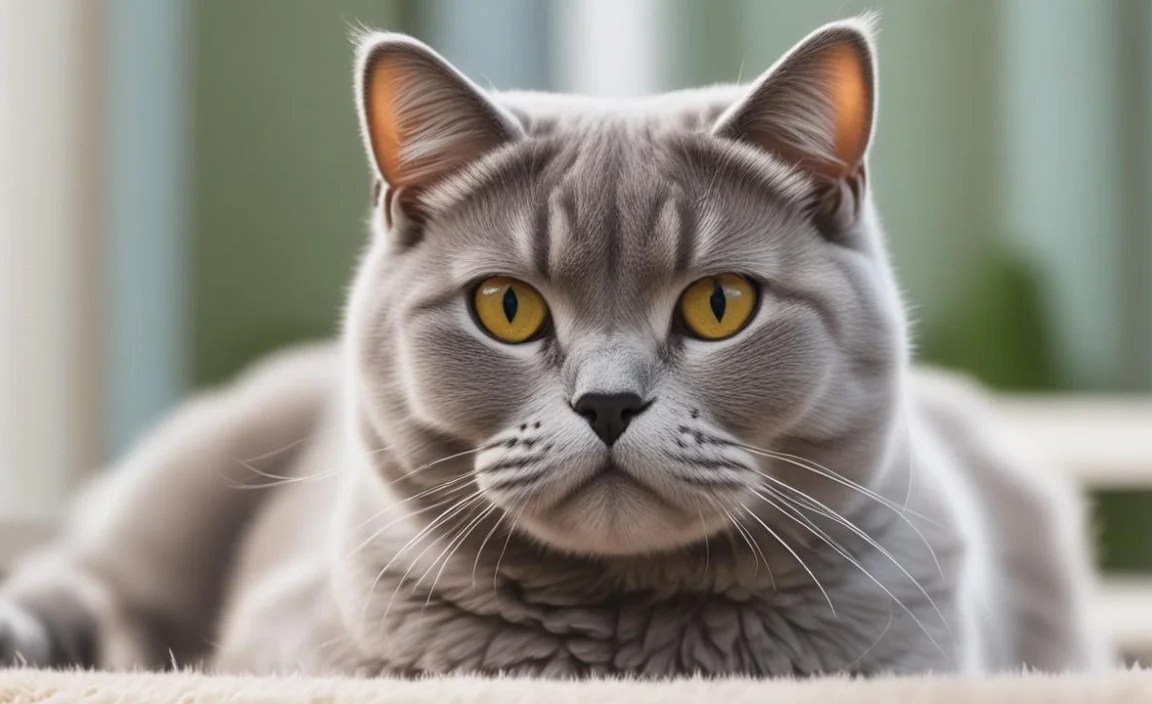
Brushing is the best way to manage shedding. But not all brushing is the same. Using the right techniques makes a big difference. Start by choosing the right brush. A slicker brush works well for removing loose fur. A metal comb can help detangle mats. Brush your cat gently. Start at the head and work your way down to the tail. Pay attention to areas where mats are common. These areas include behind the ears and under the legs. Brush in the direction of the fur growth. This is more comfortable for your cat. Make brushing a positive experience. Give your cat treats and praise. This will make them more likely to cooperate. Regular brushing keeps your cat’s coat healthy and reduces shedding.
- Choose the right brush for the job.
- Brush gently in the direction of fur growth.
- Pay attention to areas prone to mats.
- Make brushing a positive experience.
- Brush regularly to reduce shedding.
How often should you brush your British Shorthair? Aim for at least two to three times a week. During shedding season, you might need to brush daily. This helps remove the extra fur. It also prevents it from spreading around your house. After brushing, clean the brush. This removes the collected fur. It also keeps the brush in good condition. If you find mats, try to gently detangle them with your fingers. If the mats are too difficult, ask a groomer for help. Consistent brushing is key to keeping your cat’s coat healthy and your home clean. Effective British Shorthair shedding management helps!
Fun Fact or Stat: Some British Shorthair owners use vacuum attachments designed for pets to help remove loose fur during brushing!
Choosing the Right Brush
Picking the right brush is like choosing the right tool for a job. Different brushes do different things. A slicker brush is great for removing loose fur. It has fine, angled bristles that grab the fur. A metal comb is good for detangling. It can reach deeper into the coat. A rubber brush can massage the skin. This helps to loosen fur and stimulate circulation. Consider your cat’s coat type. If they have a lot of mats, a detangling comb is essential. If they shed a lot, a slicker brush is your best friend. Try different brushes to see what works best for your cat. The right brush makes grooming easier and more effective.
Step-by-Step Brushing Guide
Let’s get brushing! First, gather your supplies. You’ll need a brush, a comb, and some treats. Find a comfortable spot where your cat feels safe. Start by gently petting your cat to relax them. Begin brushing at the head and work your way down the body. Brush in the direction of the fur growth. Be gentle around sensitive areas like the belly and legs. If you find any mats, use a comb to gently detangle them. If the mats are too tough, don’t pull! You might hurt your cat. Instead, use scissors to carefully cut them out. Reward your cat with treats and praise throughout the process. This makes brushing a positive experience.
Making Brushing a Positive Experience
Does your cat run away when you grab the brush? Make brushing fun! Start slowly. Just show your cat the brush and give them a treat. Do this several times. Next, try brushing for a few seconds. Then give a treat. Gradually increase the time you spend brushing. Talk to your cat in a soothing voice. Use gentle strokes. If your cat gets stressed, stop and try again later. End each session with a treat and praise. This helps your cat associate brushing with positive things. Over time, they will learn to enjoy being brushed. A happy cat makes grooming much easier.
Bathing Your British Shorthair

Bathing your British Shorthair can help with shedding. But don’t overdo it! Too much bathing can dry out their skin. This can make shedding worse. Aim to bathe your cat every few months. Use a cat-specific shampoo. Human shampoo can be too harsh. Before bathing, brush your cat. This removes loose fur and mats. Wet your cat with warm water. Avoid getting water in their ears and eyes. Apply the shampoo and gently massage it into their fur. Rinse thoroughly until all the shampoo is gone. Towel-dry your cat. You can also use a hair dryer on a low setting. Make sure your cat is completely dry to prevent chills. Bathing helps remove loose fur. It also keeps their coat clean and healthy.
- Bathe your cat every few months.
- Use a cat-specific shampoo.
- Brush your cat before bathing.
- Rinse thoroughly to remove shampoo.
- Towel-dry or use a low-heat hair dryer.
When you bathe your British Shorthair, be gentle. Talk to them in a calm voice. This will help them relax. Make sure the water is not too hot or too cold. Test the water temperature before wetting your cat. After the bath, reward your cat with treats and praise. This helps them associate bathing with positive experiences. If your cat really hates baths, try using a damp cloth to wipe them down. This can help remove loose fur without the stress of a full bath. With patience and the right approach, you can make bathing a positive experience for both you and your cat. British Shorthair shedding management is easier when they are clean.
Fun Fact or Stat: Some cats enjoy being wrapped in a warm towel after a bath. It makes them feel secure and helps them dry off faster!
Preparing for Bath Time
Bath time can be scary for cats. But with some planning, you can make it easier. Gather everything you need before you start. This includes shampoo, towels, and a brush. Choose a quiet place where your cat feels safe. This could be the bathroom or a laundry room. Close the door to prevent escape. Brush your cat to remove loose fur and mats. This makes bathing more effective. Prepare the water. Make sure it’s warm, not too hot or too cold. Have everything within reach. This way, you won’t have to leave your cat unattended. A little preparation goes a long way in making bath time less stressful.
Step-by-Step Bathing Guide
Ready to give your British Shorthair a bath? Start by gently wetting their fur with warm water. Avoid getting water in their eyes and ears. Apply a small amount of cat shampoo. Gently massage it into their fur. Work from head to tail. Pay attention to areas that are dirty. Rinse thoroughly with warm water. Make sure all the shampoo is gone. Leftover shampoo can irritate their skin. Towel-dry your cat as much as possible. If your cat tolerates it, use a hair dryer on a low, cool setting. Keep the dryer moving to prevent overheating. Reward your cat with treats and praise after the bath. This reinforces positive behavior.
Dealing with a Bath-Resistant Cat
Does your cat hate baths? You’re not alone! Many cats dislike water. But you can still keep them clean. Try using a damp cloth to wipe them down. Focus on areas that are dirty or greasy. You can also use cat wipes. These are pre-moistened cloths that are safe for cats. If you must give a bath, try to make it as quick and stress-free as possible. Use a non-slip mat in the tub. This helps your cat feel more secure. Speak in a calm, soothing voice. Reward them with treats and praise. If your cat is really stressed, don’t force it. Try again another day. Patience is key!
Diet and Hydration for Healthy Shedding

A healthy diet is very important for managing shedding. Your British Shorthair needs a balanced diet. This diet should be rich in protein, healthy fats, and essential nutrients. Protein helps to build strong fur. Healthy fats, like Omega-3 and Omega-6 fatty acids, keep their skin healthy. Look for cat foods that list real meat as the first ingredient. Avoid foods with fillers or artificial additives. These can cause skin problems. Fresh water is also very important. Make sure your cat always has access to clean water. Dehydration can lead to dry skin. This can increase shedding. A good diet and plenty of water keep your cat’s coat healthy and reduce shedding.
- Choose cat foods with real meat.
- Look for Omega-3 and Omega-6 fatty acids.
- Avoid fillers and artificial additives.
- Provide fresh water at all times.
- A balanced diet supports healthy fur.
Consider adding supplements to your cat’s diet. Fish oil supplements are a great source of Omega-3 fatty acids. These can help reduce inflammation and improve skin health. Consult with your vet before adding any supplements. They can recommend the right dosage for your cat. Monitor your cat’s coat and skin. If you notice any changes, such as dryness or itchiness, adjust their diet. A healthy diet is a long-term investment in your cat’s health and well-being. It also makes British Shorthair shedding management easier.
Fun Fact or Stat: Some cat owners add a small amount of coconut oil to their cat’s food to help improve coat health and reduce shedding!
The Best Foods for Shedding Control
Choosing the right food can make a big difference. Look for cat foods that are specifically formulated for skin and coat health. These foods often contain higher levels of Omega-3 and Omega-6 fatty acids. They may also include other beneficial ingredients like vitamin E and zinc. Read the ingredient list carefully. Make sure the food contains high-quality protein sources like chicken, fish, or turkey. Avoid foods that are high in carbohydrates or contain artificial colors and flavors. A balanced diet supports healthy fur growth. This reduces excessive shedding.
Supplements That Can Help
Sometimes, even the best cat food isn’t enough. Supplements can give your cat an extra boost. Fish oil is a popular choice. It’s rich in Omega-3 fatty acids. These help to reduce inflammation and improve skin health. Biotin is another supplement that can help. It supports healthy hair growth. Always talk to your vet before giving your cat any supplements. They can help you choose the right supplements. They can also tell you the correct dosage. Supplements can be a great addition to your cat’s diet. They support healthy shedding.
How Water Intake Affects Shedding
Is your cat drinking enough water? Water is essential for healthy skin and fur. Dehydration can lead to dry, brittle fur. This can increase shedding. Make sure your cat always has access to fresh, clean water. Some cats prefer to drink from a water fountain. Others prefer a bowl. Experiment to see what your cat likes best. You can also add wet food to their diet. Wet food has a higher water content than dry food. This helps to keep them hydrated. Monitor your cat’s water intake. If you notice they are not drinking enough, try adding some flavor to the water. A little bit of tuna juice can encourage them to drink more.
Grooming Tools and Products

Using the right grooming tools makes a big difference. A good slicker brush is essential. It removes loose fur and prevents mats. A metal comb helps to detangle knots. A deshedding tool can remove a lot of fur quickly. Choose tools that are comfortable for you and your cat. There are also many grooming products available. Cat shampoos can help to remove loose fur. Conditioners can keep their coat soft and shiny. Grooming wipes are great for quick cleanups. Experiment with different tools and products. Find what works best for your cat’s coat. Using the right tools makes British Shorthair shedding management easier and more effective.
- Invest in a good slicker brush.
- Use a metal comb for detangling.
- Consider a deshedding tool for heavy shedding.
- Choose cat-specific shampoos and conditioners.
- Grooming wipes are great for quick cleanups.
When choosing grooming tools, consider your cat’s coat type. British Shorthairs have a dense, plush coat. This coat requires tools that can penetrate deep into the fur. Look for brushes with long, sturdy bristles. Read reviews and ask other cat owners for recommendations. Proper grooming tools are an investment in your cat’s health and well-being. They also make grooming more enjoyable for both you and your cat. Plus, you’ll have a cleaner house!
Fun Fact or Stat: Some grooming tools have self-cleaning features, making it easier to remove collected fur!
Comparing Different Brush Types
Not all brushes are created equal! A slicker brush is great for removing loose fur. It has fine, angled bristles that grab the fur. A metal comb is good for detangling knots. It can reach deep into the coat. A rubber brush massages the skin. This helps to loosen fur and stimulate circulation. A deshedding tool removes a lot of fur quickly. It’s best for heavy shedders. Consider your cat’s coat type and your grooming goals. This helps you choose the right brush. Experiment to see what works best for your cat. The right brush makes grooming easier and more effective.
Essential Grooming Products
Beyond brushes, there are other grooming products that can help. Cat shampoo is essential for bath time. Choose a shampoo that is specifically designed for cats. Avoid using human shampoo. It can be too harsh for their skin. Conditioner can help to keep their coat soft and shiny. Grooming wipes are great for quick cleanups. They can remove dirt and debris from their fur. Detangling sprays can help to loosen knots and mats. These products can make grooming easier and more effective. They also keep your cat’s coat healthy and clean.
How to Clean and Maintain Your Tools
Taking care of your grooming tools is very important. It keeps them in good condition. It also prevents the spread of bacteria. After each use, remove the fur from the brush or comb. You can use your fingers or a special tool cleaner. Wash your brushes and combs regularly with warm, soapy water. Rinse them thoroughly and let them air dry. Store your tools in a clean, dry place. This prevents them from rusting or getting damaged. Proper maintenance extends the life of your tools. It also ensures they are always ready for the next grooming session.
Dealing with Hairballs
Hairballs are a common problem for cats. When cats groom themselves, they swallow fur. This fur can build up in their stomach. It forms a hairball. Cats often cough up hairballs. This can be unpleasant for both you and your cat. There are several ways to prevent hairballs. Regular brushing helps to remove loose fur. This reduces the amount of fur your cat swallows. Hairball-specific cat foods contain ingredients that help to break down hairballs. Hairball remedies, like gels or treats, can also help. Make sure your cat has plenty of water. This helps to keep things moving. Managing hairballs keeps your cat healthy and comfortable.
- Regular brushing reduces swallowed fur.
- Hairball-specific foods help break down hairballs.
- Hairball remedies can help prevent hairballs.
- Ensure your cat has plenty of water.
- Monitor your cat for signs of hairballs.
If your cat has frequent hairballs, talk to your vet. They can rule out any underlying health problems. They can also recommend the best course of treatment. Pay attention to your cat’s behavior. If they are coughing, gagging, or vomiting frequently, it could be a sign of a hairball. Don’t ignore these symptoms. Early intervention can prevent complications. British Shorthair shedding management includes hairball control.
Fun Fact or Stat: Long-haired cats are more prone to hairballs than short-haired cats!
Why Do Cats Get Hairballs?
Cats are clean creatures. They spend a lot of time grooming themselves. This involves licking their fur. As they lick, they swallow loose fur. Most of this fur passes through their digestive system without any problems. But sometimes, the fur can build up in the stomach. It forms a hairball. The cat then tries to get rid of the hairball by coughing it up. This is a natural process. But it can be uncomfortable for the cat. Regular grooming can help to reduce the amount of fur they swallow. This decreases the likelihood of hairballs.
Recognizing the Signs of Hairballs
How do you know if your cat has a hairball? There are several signs to look out for. Coughing, gagging, and vomiting are common symptoms. Your cat might also make a hacking sound. They may also lose their appetite. In some cases, they may become constipated. If you notice any of these signs, it’s important to take action. Regular grooming and hairball remedies can help to prevent hairballs. If the symptoms persist, consult with your vet. They can rule out any other potential health problems.
Hairball Prevention Tips
Preventing hairballs is easier than dealing with them. Regular brushing is the most effective way to reduce swallowed fur. Aim to brush your cat several times a week. Especially during shedding season. Feed your cat a hairball-specific food. These foods contain ingredients that help to break down hairballs. Give your cat a hairball remedy, such as a gel or treat. These remedies lubricate the digestive tract. This helps the hair pass through more easily. Make sure your cat has plenty of water. This keeps everything moving smoothly. By following these tips, you can help to prevent hairballs. This will keep your cat happy and healthy.
When to See a Vet About Shedding
Most shedding is normal. But sometimes, excessive shedding can be a sign of a problem. If you notice a sudden increase in shedding, talk to your vet. Also, check for other symptoms. These symptoms include skin redness, itching, or bald patches. These can indicate allergies, infections, or other health issues. Changes in diet, stress, or parasites can also cause excessive shedding. Your vet can perform tests to diagnose the cause. They can also recommend the best treatment. Don’t ignore unusual shedding. Early diagnosis and treatment can prevent serious health problems. Proper British Shorthair shedding management includes vet visits.
- Sudden increase in shedding.
- Skin redness or itching.
- Bald patches or hair loss.
- Changes in diet or stress.
- Parasites or infections.
| Symptom | Possible Cause | Action |
|---|---|---|
| Increased Shedding | Seasonal Change, Diet | More Brushing, Diet Change |
| Itching, Redness | Allergies, Parasites | Vet Visit, Allergy Test |
| Bald Spots | Infection, Stress | Vet Visit, Stress Reduction |
| Dull Coat | Poor Diet | Improve Diet, Supplements |
Remember, you know your cat best. If something seems wrong, trust your instincts. Don’t hesitate to contact your vet. They are there to help you keep your cat healthy. Monitoring your cat’s shedding patterns can help you catch problems early. This allows for prompt treatment. This also helps to maintain their overall well-being.
Fun Fact or Stat: Some health conditions can affect the quality of your cat’s coat, making it look dull or brittle!
Signs of Abnormal Shedding
What does abnormal shedding look like? It’s more than just finding fur on your furniture. Look for sudden changes in the amount of shedding. Is your cat losing more hair than usual? Check their skin for redness, bumps, or sores. Are they scratching or licking excessively? These could be signs of allergies or a skin infection. Bald spots or thinning fur are also red flags. These can indicate a more serious problem. If you notice any of these signs, it’s time to consult with your vet. Early detection is key to successful treatment.
Common Health Issues That Cause Shedding
Several health issues can cause excessive shedding. Allergies are a common culprit. Cats can be allergic to food, pollen, or dust mites. Skin infections, such as ringworm, can also cause hair loss. Parasites, like fleas and mites, can irritate the skin. This leads to scratching and shedding. Stress can also contribute to hair loss. Underlying medical conditions, such as thyroid problems, can affect the coat. It’s important to rule out any health issues. Consult with your vet for proper diagnosis and treatment.
How a Vet Can Help
A vet can help determine the cause of your cat’s shedding. They can perform a physical exam. They can also run tests to check for allergies, infections, or other health problems. They can recommend a specific treatment plan. This might include medication, dietary changes, or topical treatments. They can also offer advice on grooming techniques. This helps to manage shedding at home. Regular check-ups with your vet are very important. They ensure your cat stays healthy and happy.
Summary
British Shorthair shedding management is important for your cat’s health. It also helps keep your home clean. Regular brushing is key. Use the right tools. A good diet also plays a big role. Make sure your cat eats food that supports healthy skin and fur. Bathing your cat every few months can help. But don’t overdo it! Watch for signs of excessive shedding. This can be a sign of a health problem. Talk to your vet if you have concerns. With the right approach, you can manage your British Shorthair’s shedding. This will make both you and your cat happier.
Conclusion
Managing a British Shorthair’s shedding is not too hard. Regular brushing, a healthy diet, and the right tools are key. Watch for any signs of health problems. Talk to your vet if you have any concerns. By following these tips, you can keep your cat’s coat healthy. You can also keep your home clean. Proper British Shorthair shedding management is a big part of being a good cat owner.
Frequently Asked Questions
Question No 1: How often should I brush my British Shorthair?
Answer: You should brush your British Shorthair several times a week. During shedding season, you might need to brush them daily. This helps to remove loose fur. It also prevents mats and tangles. Regular brushing keeps their coat healthy and reduces shedding. Make sure to use a brush that is designed for their coat type. A slicker brush works well for removing loose fur. A metal comb can help detangle any knots. Consistency is key to effective British Shorthair shedding management.
Question No 2: What kind of food is best for reducing shedding?
Answer: The best food for reducing shedding is one that is rich in Omega-3 and Omega-6 fatty acids. These nutrients help to keep their skin healthy and their fur strong. Look for cat foods that list real meat as the first ingredient. Avoid foods with fillers or artificial additives. These can cause skin problems and increase shedding. A balanced diet with plenty of protein is essential for healthy hair growth. Fresh water is also very important. Dehydration can lead to dry skin. This can increase shedding. You can also add supplements to their diet. Fish oil is a great source of Omega-3 fatty acids.
Question No 3: How often should I bathe my British Shorthair?
Answer: You should bathe your British Shorthair every few months. Too much bathing can dry out their skin. This can make shedding worse. Use a cat-specific shampoo. Human shampoo can be too harsh. Before bathing, brush your cat to remove loose fur and mats. Wet your cat with warm water. Avoid getting water in their ears and eyes. Apply the shampoo and gently massage it into their fur. Rinse thoroughly until all the shampoo is gone. Towel-dry your cat. You can also use a hair dryer on a low setting. Make sure your cat is completely dry to prevent chills. Bathing helps remove loose fur and keeps their coat clean and healthy. This aids in British Shorthair shedding management.
Question No 4: What are some signs of abnormal shedding?
Answer: Signs of abnormal shedding include a sudden increase in shedding, skin redness, itching, or bald patches. These can indicate allergies, infections, or other health issues. Changes in diet, stress, or parasites can also cause excessive shedding. If you notice any of these signs, it’s important to talk to your vet. They can perform tests to diagnose the cause and recommend the best treatment. Don’t ignore unusual shedding. Early diagnosis and treatment can prevent serious health problems. This is important for British Shorthair shedding management.
Question No 5: How can I prevent hairballs in my British Shorthair?
Answer: Hairballs are a common problem for cats. You can prevent them by regular brushing to remove loose fur. This reduces the amount of fur your cat swallows. Hairball-specific cat foods contain ingredients that help to break down hairballs. Hairball remedies, like gels or treats, can also help. Make sure your cat has plenty of water. This helps to keep things moving. Monitoring your cat for signs of hairballs is also important. If they are coughing, gagging, or vomiting frequently, it could be a sign of a hairball. Early intervention can prevent complications.
Question No 6: What grooming tools do I need for a British Shorthair?
Answer: You need a good slicker brush, a metal comb, and possibly a deshedding tool. A slicker brush is essential for removing loose fur and preventing mats. A metal comb helps to detangle knots and reach deeper into the coat. A deshedding tool can remove a lot of fur quickly. This is best for heavy shedding. Choose tools that are comfortable for you and your cat. There are also many grooming products available. Cat shampoos can help to remove loose fur. Conditioners can keep their coat soft and shiny. Grooming wipes are great for quick cleanups. Using the right tools makes British Shorthair shedding management easier and more effective.


