
Dog Breeds That Adapt to Small Yards: Find Your Easy Fit

Many dog breeds can thrive in smaller yards or even apartments! The key is to choose a breed with lower energy needs or one whose energy can be managed with indoor activities and regular walks. Breeds like Cavalier King Charles Spaniels, French Bulldogs, and Greyhounds (surprisingly!) can be happy in smaller spaces with the right care.
Finding the perfect dog can feel overwhelming, especially if you live in an apartment or a home with a small yard. You might think you need acres of land for a dog to be happy, but that’s not always true! Many wonderful dog breeds can adapt beautifully to smaller living spaces. The secret? Understanding their energy levels and finding ways to keep them happy and healthy, even without a huge backyard. In this guide, we’ll explore dog breeds that thrive in smaller environments, giving you the knowledge to choose the right furry friend for your lifestyle. Let’s get started and find your perfect canine companion!
Choosing the Right Dog Breed for Small Yards

Not all dogs need vast, sprawling gardens to be happy. Many breeds are perfectly content with a smaller outdoor space, as long as their exercise and mental stimulation needs are met. Here’s what to consider when choosing a dog breed for a small yard:
- Energy Level: Low-to-medium energy dogs are generally better suited for smaller yards. These dogs don’t need constant running and playing outside to be content.
- Size: While not always the deciding factor, smaller to medium-sized dogs often adapt more easily to smaller spaces.
- Exercise Needs: Can you commit to daily walks, indoor playtime, or trips to the dog park? If so, you can consider breeds with slightly higher exercise needs.
- Mental Stimulation: Puzzle toys, training sessions, and interactive games can help keep your dog mentally stimulated, reducing the need for constant outdoor activity.
Top Dog Breeds That Adapt to Small Yards

Here are some of the best dog breeds that can thrive in smaller yards:
Cavalier King Charles Spaniel
Cavalier King Charles Spaniels are known for their affectionate and gentle nature. They’re happy to cuddle on the couch but also enjoy a moderate amount of exercise. A short walk or playtime in the yard is usually enough to keep them content.
- Temperament: Affectionate, gentle, and good with children.
- Exercise Needs: Moderate. Daily walks and playtime are sufficient.
- Size: Small (12-18 pounds).
- Grooming: Regular brushing to prevent mats.
French Bulldog
French Bulldogs are playful, charming, and relatively low-energy. They don’t require a lot of space and are happy to lounge around indoors. Short walks and occasional play sessions will keep them healthy and happy.
- Temperament: Playful, affectionate, and adaptable.
- Exercise Needs: Low. Short walks are usually enough.
- Size: Small (16-28 pounds).
- Grooming: Minimal. Occasional brushing.
Greyhound
Surprisingly, Greyhounds are often referred to as “45 mph couch potatoes.” While they need a good sprint occasionally, they’re mostly content to relax indoors. A fenced yard is ideal for those bursts of energy, but daily walks can also suffice.
- Temperament: Gentle, quiet, and affectionate.
- Exercise Needs: Moderate. Short bursts of energy followed by long naps.
- Size: Large (60-70 pounds).
- Grooming: Minimal.
Pug
Pugs are charming, playful, and relatively low-energy. They enjoy short walks and playtime but are mostly happy to be by your side. Be mindful of their breathing, especially in hot weather, and avoid strenuous exercise.
- Temperament: Affectionate, playful, and good-natured.
- Exercise Needs: Low. Short walks are sufficient.
- Size: Small (14-18 pounds).
- Grooming: Regular cleaning of facial wrinkles.
Shih Tzu
Shih Tzus are affectionate, playful, and adaptable to apartment living. They don’t need a lot of space and are happy with indoor playtime and short walks.
- Temperament: Affectionate, playful, and outgoing.
- Exercise Needs: Low. Short walks and indoor playtime.
- Size: Small (9-16 pounds).
- Grooming: Regular grooming is essential to maintain their coat.
Bichon Frise
Bichon Frises are cheerful, playful, and adaptable to various living situations. They have moderate energy levels and benefit from regular walks and playtime.
- Temperament: Playful, cheerful, and affectionate.
- Exercise Needs: Moderate. Daily walks and playtime are important.
- Size: Small (10-18 pounds).
- Grooming: Regular grooming is required to maintain their fluffy coat.
Miniature Poodle
Miniature Poodles are intelligent, trainable, and relatively low-shedding. They adapt well to apartment living and enjoy regular walks and mental stimulation.
- Temperament: Intelligent, trainable, and playful.
- Exercise Needs: Moderate. Daily walks and playtime are needed.
- Size: Small to Medium (10-15 pounds).
- Grooming: Regular grooming is essential to maintain their coat.
Other Dog Breeds to Consider

Besides the breeds listed above, here are a few more that can adapt to small yards:
- Dachshund: Playful and energetic, but their short legs mean they don’t need a lot of space.
- Maltese: Affectionate and gentle, with low exercise needs.
- Yorkshire Terrier: Small and adaptable, but they need regular grooming.
- Boston Terrier: Intelligent and playful, with moderate exercise needs.
Creating a Dog-Friendly Small Yard
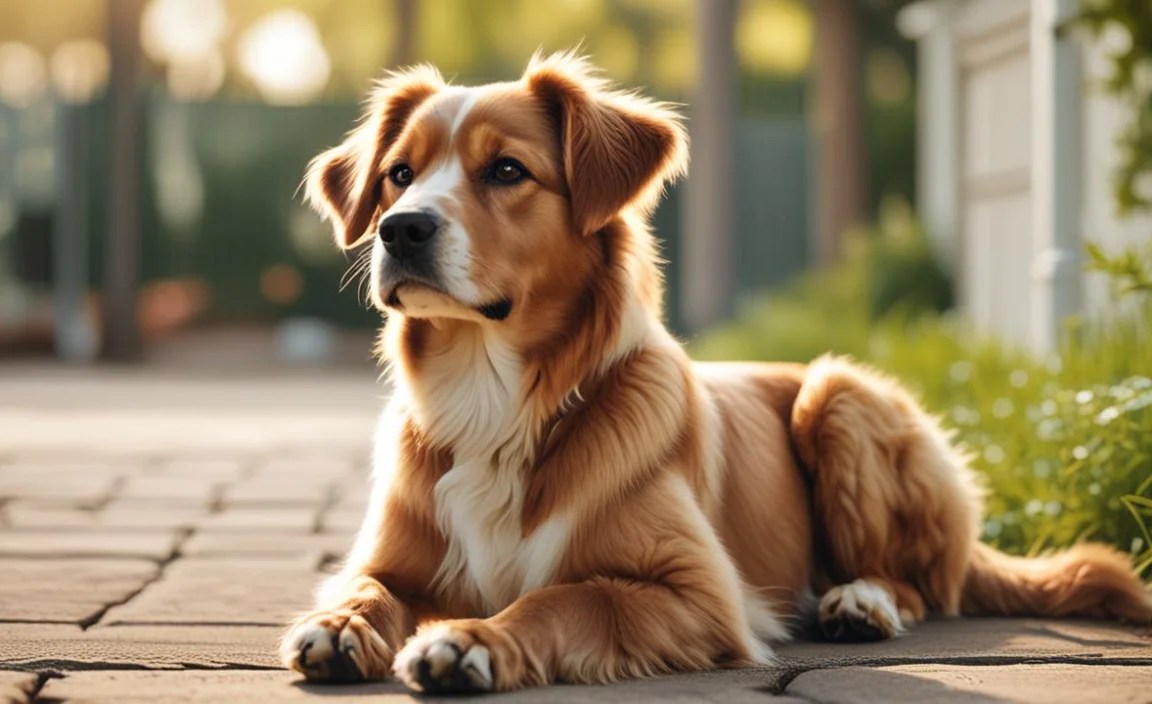
Even with a dog breed suited for small spaces, it’s important to make your yard dog-friendly. Here are some tips:
- Fencing: Ensure your yard is securely fenced to keep your dog safe.
- Designated Potty Area: Train your dog to use a specific area of the yard for bathroom breaks.
- Safe Plants: Avoid toxic plants that could harm your dog. The ASPCA has a comprehensive list of toxic and non-toxic plants.
- Shade and Water: Provide shade and fresh water, especially during hot weather.
- Enrichment: Add toys, digging areas, or a small sandbox to keep your dog entertained.
Exercise and Mental Stimulation for Small-Yard Dogs

Just because your dog has a small yard doesn’t mean they can’t get enough exercise and mental stimulation. Here are some ideas:
- Daily Walks: Regular walks are essential for physical and mental health.
- Indoor Playtime: Play fetch, tug-of-war, or hide-and-seek indoors.
- Puzzle Toys: These toys challenge your dog’s mind and keep them entertained.
- Training Sessions: Teach your dog new tricks or commands to provide mental stimulation.
- Dog Parks: Visit a local dog park for socialization and off-leash play (if your dog is well-socialized).
Comparing Popular Small-Yard Dog Breeds
Here’s a comparison table to help you decide which breed might be the best fit for you:
| Breed | Size | Energy Level | Grooming Needs | Temperament |
|---|---|---|---|---|
| Cavalier King Charles Spaniel | Small (12-18 lbs) | Moderate | Regular brushing | Affectionate, Gentle |
| French Bulldog | Small (16-28 lbs) | Low | Minimal | Playful, Adaptable |
| Greyhound | Large (60-70 lbs) | Moderate | Minimal | Gentle, Quiet |
| Pug | Small (14-18 lbs) | Low | Wrinkle cleaning | Affectionate, Playful |
| Shih Tzu | Small (9-16 lbs) | Low | High | Affectionate, Outgoing |
| Bichon Frise | Small (10-18 lbs) | Moderate | High | Playful, Cheerful |
| Miniature Poodle | Small/Medium (10-15 lbs) | Moderate | High | Intelligent, Trainable |
Debunking Myths About Dogs and Small Yards
There are many misconceptions about dogs and small yards. Let’s address some common myths:
- Myth: All large dogs need large yards.
- Fact: Some large breeds, like Greyhounds, are surprisingly content with indoor living as long as they get regular exercise.
- Myth: Small dogs don’t need outdoor space.
- Fact: All dogs benefit from fresh air and outdoor time, even if it’s just a short walk or playtime.
- Myth: A big yard is enough exercise for any dog.
- Fact: Even with a large yard, dogs need structured exercise like walks and playtime to stay healthy and happy.
- Myth: Dogs in small yards are always bored and destructive.
- Fact: With proper exercise, mental stimulation, and training, dogs can thrive in small yards.
Real-Life Examples
Here are a couple of real-life examples to illustrate how dogs can thrive in smaller yards:
- Case Study 1: Sarah lives in a city apartment with a small balcony and a French Bulldog named Louie. She takes Louie for two 30-minute walks each day, plays fetch indoors, and provides him with puzzle toys. Louie is happy, healthy, and well-adjusted to apartment living.
- Case Study 2: John has a small suburban home with a fenced yard and a Greyhound named Gracie. He lets Gracie sprint in the yard a few times a week and takes her for daily walks. Gracie spends most of her time relaxing indoors and is a calm, loving companion.
Addressing Common Concerns
Here are some common concerns about owning a dog in a small yard and how to address them:
- Concern: My dog will be bored.
- Solution: Provide plenty of toys, engage in regular playtime, and offer mental stimulation through training and puzzle toys.
- Concern: My dog will bark excessively.
- Solution: Address the underlying cause of the barking (e.g., boredom, anxiety) through training and environmental enrichment.
- Concern: My dog will have accidents indoors.
- Solution: Establish a consistent potty schedule and train your dog to eliminate in a designated area.
- Concern: My dog won’t get enough exercise.
- Solution: Commit to daily walks, indoor playtime, and occasional trips to the dog park.
Expert Tips for Small-Yard Dog Owners
Here are some expert tips to help your dog thrive in a small yard:
- Consult with a veterinarian or dog trainer: They can provide personalized advice based on your dog’s breed, age, and temperament.
- Create a routine: Dogs thrive on routine, so establish a consistent schedule for feeding, walks, and playtime.
- Socialize your dog: Expose your dog to different people, places, and situations to help them become well-adjusted.
- Provide a comfortable indoor space: Make sure your dog has a cozy bed and a safe space to retreat to.
- Monitor your dog’s behavior: Pay attention to any signs of boredom, anxiety, or stress and address them promptly.
FAQ
What is the best dog breed for a small yard?
The best dog breeds for small yards are those with low to moderate energy levels, such as Cavalier King Charles Spaniels, French Bulldogs, Pugs, and Shih Tzus. These breeds don’t require a lot of space and are happy with daily walks and indoor playtime.
How much exercise does a small-yard dog need?
Even dogs in small yards need regular exercise. Aim for at least 30-60 minutes of exercise per day, which can include walks, playtime, and mental stimulation activities.
Can large dogs live in small yards?
Yes, some large dogs can adapt to small yards, particularly those with lower energy levels like Greyhounds. However, they still need regular exercise and mental stimulation to stay happy and healthy.
How can I keep my dog entertained in a small yard?
Provide toys, create a digging area, and engage in regular playtime. Puzzle toys are also a great way to keep your dog mentally stimulated.
What are some safe plants for a dog-friendly yard?
Some safe plants for a dog-friendly yard include sunflowers, petunias, and zinnias. Avoid toxic plants like lilies, azaleas, and rhododendrons.
How important is training for a small-yard dog?
Training is crucial for dogs in small yards. It helps them learn boundaries, manage their energy levels, and prevent behavioral issues like excessive barking.
What if I don’t have a yard at all?
If you don’t have a yard, focus on providing plenty of indoor exercise and mental stimulation. Regular walks, indoor playtime, and puzzle toys are essential. Some breeds, like French Bulldogs and Shih Tzus, adapt well to apartment living.
Conclusion
Choosing the right dog breed for your living situation is crucial for both your happiness and your dog’s well-being. As we’ve explored, many wonderful dog breeds can thrive in smaller yards with the right care, exercise, and mental stimulation. Whether you opt for a Cavalier King Charles Spaniel, a French Bulldog, or even a Greyhound, remember that providing a loving and enriching environment is key. With a little planning and effort, you and your furry friend can enjoy a happy and fulfilling life together, no matter the size of your yard. So, take the time to research, consider your lifestyle, and choose a companion that will bring joy and companionship to your home for years to come. Good luck on your journey to finding the perfect dog for your small yard!


