
British Shorthair Cat Mood Signals Decoded: Secret?

British Shorthair Cat Mood Signals Decoded: Quick Summary
Decoding your British Shorthair’s mood signals involves understanding their body language, vocalizations, and behavior. A relaxed cat will have soft eyes and a gentle purr, while an anxious cat might flatten their ears or hiss. Paying attention to these signs helps you understand your cat’s needs and strengthen your bond.
Ever feel like your British Shorthair is giving you the silent treatment? These adorable cats are known for their calm demeanor, but they have plenty to say if you know how to listen! Understanding your British Shorthair’s mood signals is key to a happy, healthy relationship. It’s not always obvious, and misinterpreting their cues can lead to confusion and a stressed-out kitty.
In this guide, we’ll decode the secret language of your British Shorthair. We’ll explore everything from their posture to their purrs, giving you the knowledge to understand exactly what your feline friend is trying to tell you. By the end, you’ll be a pro at recognizing their happy, sad, and even grumpy moods. Let’s dive in and unlock the secrets of your British Shorthair’s heart!
Understanding Basic British Shorthair Communication
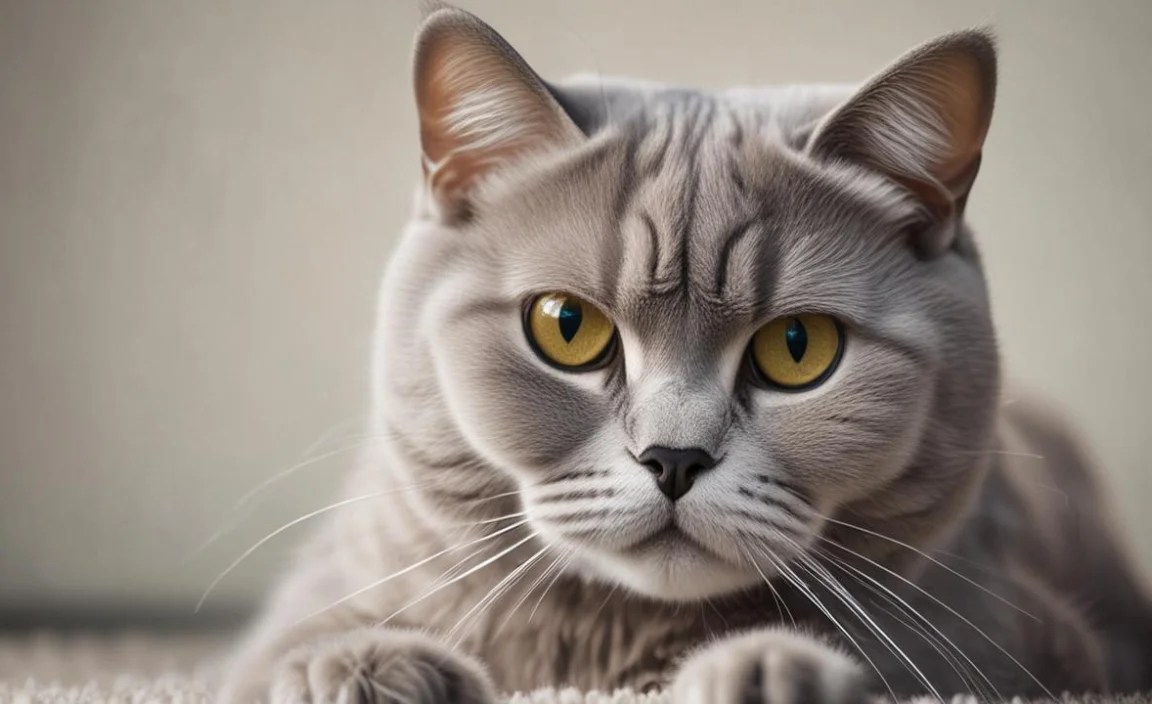
British Shorthairs communicate through a combination of body language, vocalizations, and scent marking. Recognizing these signals is essential for understanding their needs and emotions. Let’s break down the basics:
Body Language
A British Shorthair’s body language is a rich source of information. Here’s what to look for:
- Posture: A relaxed cat might be lying down with their paws tucked in, while a tense cat might be crouched low to the ground.
- Tail: A straight-up tail usually means they’re happy and confident, while a tucked tail indicates fear or anxiety.
- Ears: Forward-facing ears suggest alertness or interest, while flattened ears signal fear or aggression.
- Eyes: Slow blinking is a sign of trust and affection. Wide, dilated pupils can mean they’re scared or excited.
Vocalizations
British Shorthairs aren’t as chatty as some breeds, but they still use vocalizations to communicate:
- Purring: Usually a sign of contentment, but sometimes it can indicate pain or stress.
- Meowing: Can mean anything from “I’m hungry” to “Pay attention to me!”
- Hissing: A clear warning sign that they feel threatened or scared.
- Growling: Indicates aggression or defensiveness.
- Chattering: Often heard when they’re watching birds or other prey.
Scent Marking
Cats use scent to mark their territory and communicate with other cats:
- Spraying: Urinating on vertical surfaces to mark territory.
- Scratching: Leaves both a visual and scent marker.
- Rubbing: Depositing their scent from glands on their face and body.
Decoding Happy Mood Signals
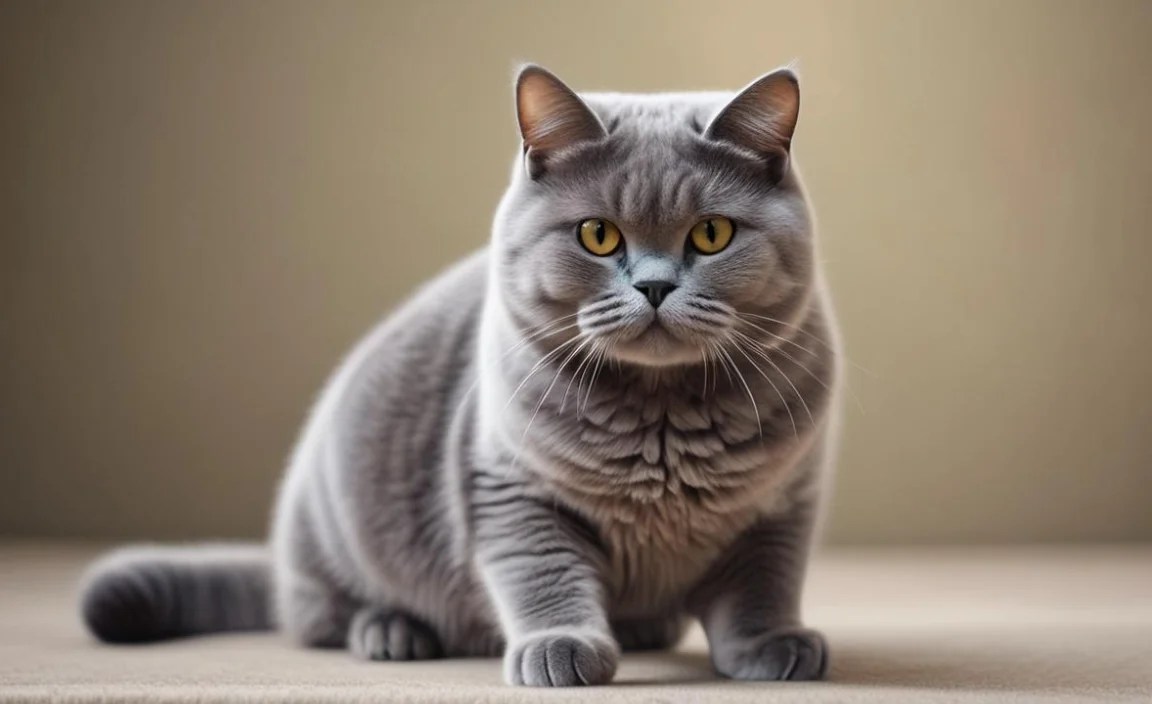
A happy British Shorthair is a joy to be around. Here’s how to recognize when your cat is feeling content:
- Relaxed Posture: Lying down with paws tucked in or stretched out.
- Soft Eyes: Slow blinking or half-closed eyes.
- Gentle Purring: A quiet, rhythmic purr.
- Kneading: Gently pushing their paws into a soft surface.
- Chirping or Trilling: Soft, bird-like sounds indicating happiness or excitement.
A happy cat is also more likely to engage in playful behavior, such as chasing toys or interacting with you. They may also rub against your legs or head-butt you to show affection.
Recognizing Signs of Anxiety and Fear

Anxiety and fear can manifest in various ways. It’s important to recognize these signs to help your cat feel safe and secure.
- Flattened Ears: Ears pinned back against their head.
- Tucked Tail: Tail held low or tucked between their legs.
- Dilated Pupils: Wide, dark pupils.
- Hissing or Growling: Warning signs that they feel threatened.
- Trembling or Shaking: Physical signs of fear.
- Hiding: Retreating to a safe place to avoid the perceived threat.
- Excessive Grooming: Over-licking can be a sign of stress.
If you notice these signs, try to identify the source of their anxiety and remove it if possible. Provide a safe and quiet space for them to retreat to, and avoid forcing them to interact if they’re scared.
Understanding Aggressive Behavior
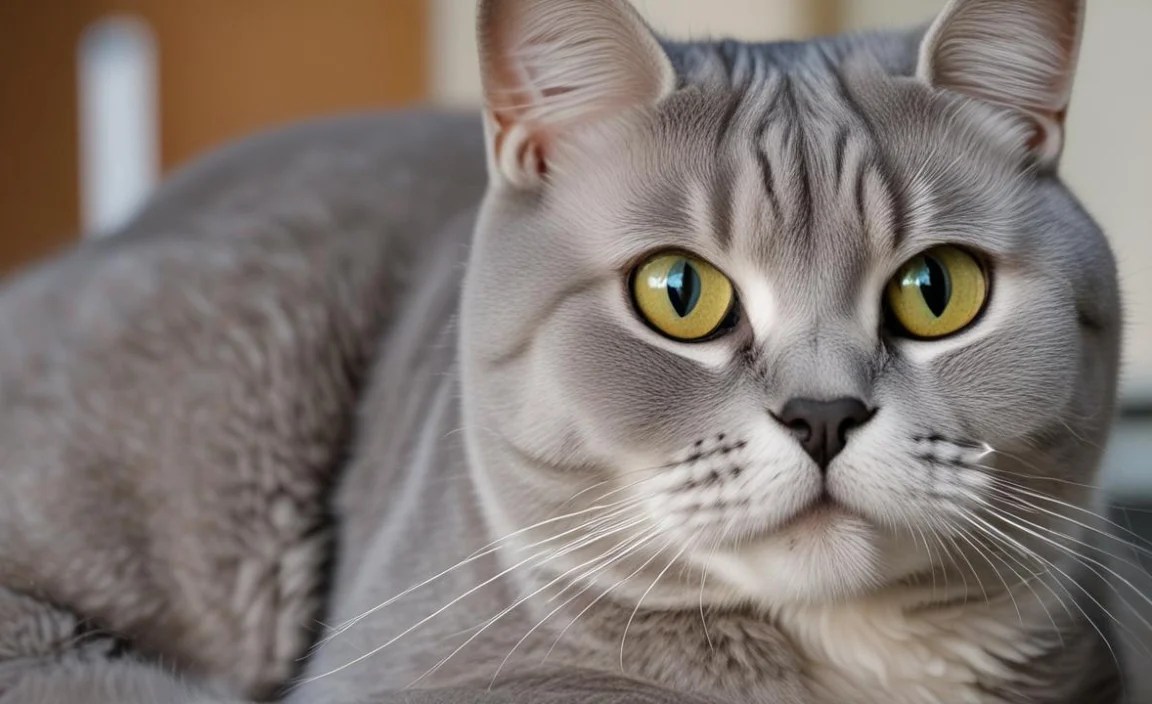
Aggression in British Shorthairs is usually a sign of fear, pain, or territoriality. It’s important to understand the cause of the aggression to address it effectively.
- Hissing and Spitting: Clear warning signs that they feel threatened.
- Swatting or Scratching: Defensive behaviors to protect themselves.
- Biting: A last resort when they feel cornered or overwhelmed.
- Puffed-Up Fur: Making themselves look bigger to intimidate the perceived threat.
- Stiff Posture: Tense muscles and a rigid body.
Never punish an aggressive cat, as this will only increase their fear and anxiety. Instead, try to identify the trigger and remove it. If the aggression is persistent or severe, consult with a veterinarian or a certified cat behaviorist.
Interpreting Playful Moods
Play is an important part of a British Shorthair’s life. It helps them stay physically and mentally stimulated.
- Chasing Toys: Hunting instincts coming into play.
- Pouncing: Practicing their hunting skills.
- batting at Objects: Exploring their environment.
- Zoomies: Bursts of energy and excitement.
- Playful Biting or Scratching: Gentle mouthing or scratching during play.
Provide your British Shorthair with plenty of toys and opportunities to play. Interactive toys, such as feather wands or laser pointers, can be a great way to bond with your cat and keep them entertained.
Recognizing Boredom and Depression
British Shorthairs can sometimes suffer from boredom or depression, especially if they’re not getting enough mental and physical stimulation.
- Lethargy: Lack of energy and enthusiasm.
- Loss of Appetite: Not eating as much as usual.
- Excessive Sleeping: Sleeping more than normal.
- Decreased Grooming: Neglecting their personal hygiene.
- Hiding: Withdrawing from social interaction.
If you notice these signs, try to enrich their environment and provide more opportunities for play and interaction. Consider adding a cat tree, puzzle toys, or interactive feeders. If the symptoms persist, consult with a veterinarian to rule out any underlying medical conditions.
Understanding the Importance of Routine
British Shorthairs thrive on routine. A consistent schedule helps them feel secure and reduces stress. Here’s why routine is so important:
- Predictability: Cats feel more secure when they know what to expect.
- Reduced Stress: A consistent routine minimizes anxiety.
- Improved Health: Regular feeding and playtime promote physical and mental well-being.
- Stronger Bond: Consistent interaction strengthens the bond between you and your cat.
Try to establish a daily routine that includes feeding, playtime, grooming, and quiet time. Stick to this routine as much as possible, even on weekends and holidays.
How to Create a Cat-Friendly Environment
Creating a cat-friendly environment is essential for your British Shorthair’s well-being. Here are some tips:
- Provide Vertical Space: Cat trees, shelves, and window perches allow them to climb and explore.
- Offer Scratching Posts: Encourage healthy scratching behavior and protect your furniture.
- Create Safe Havens: Provide quiet, secluded spaces where they can retreat when they feel overwhelmed.
- Ensure Access to Fresh Water: Keep their water bowl clean and filled with fresh water. Consider a cat water fountain to encourage drinking.
- Provide a Clean Litter Box: Scoop the litter box daily and clean it thoroughly at least once a week.
A cat-friendly environment will help your British Shorthair feel safe, secure, and happy.
Using Positive Reinforcement Techniques
Positive reinforcement is a great way to train your British Shorthair and encourage good behavior. Here’s how it works:
- Reward Good Behavior: Give treats, praise, or attention when they do something you like.
- Ignore Unwanted Behavior: Don’t give attention to behaviors you want to discourage.
- Use a Clicker: A clicker can be used to mark the exact moment they perform the desired behavior.
- Be Consistent: Use the same cues and rewards every time.
Positive reinforcement is more effective than punishment, which can damage your relationship with your cat and lead to fear and anxiety. The RSPCA has great advice on positive reinforcement techniques for cats.
Common Misconceptions About Cat Behavior
There are many misconceptions about cat behavior. Here are a few common ones:
| Misconception | Reality |
|---|---|
| Cats are aloof and independent. | Cats form strong bonds with their owners and can suffer from separation anxiety. |
| Purring always means a cat is happy. | Purring can also indicate pain or stress. |
| Cats always land on their feet. | While cats have a righting reflex, they can still get injured from falls. |
| Cats don’t need attention. | Cats need regular interaction and stimulation to stay happy and healthy. |
Understanding the truth about cat behavior can help you provide the best possible care for your British Shorthair.
When to Consult a Veterinarian or Behaviorist
If you’re concerned about your British Shorthair’s behavior, it’s always best to consult with a veterinarian or a certified cat behaviorist. Here are some situations where professional help is recommended:
- Sudden Changes in Behavior: Any sudden changes in appetite, litter box habits, or activity level should be checked out by a vet.
- Persistent Aggression: If your cat is consistently aggressive towards you or other animals, seek professional help.
- Severe Anxiety: If your cat is showing signs of severe anxiety, such as hiding, trembling, or excessive grooming, consult with a vet or behaviorist.
- Suspected Medical Issues: Some behavioral problems can be caused by underlying medical conditions.
A veterinarian can rule out any medical causes for the behavior, and a behaviorist can help you develop a plan to address the underlying issues.
British Shorthair Cat Mood Signals Decoded: FAQs
1. How can I tell if my British Shorthair is happy?
A happy British Shorthair will often have relaxed posture, soft eyes (slow blinking), and may purr gently. They might also knead, chirp, or trill, and engage in playful behavior.
2. What does it mean when my British Shorthair flattens their ears?
Flattened ears usually indicate fear, anxiety, or aggression. Your cat feels threatened or uncomfortable and is trying to make themselves smaller and less noticeable.
3. Why does my British Shorthair sometimes bite me gently during play?
Gentle biting during play is usually a sign of excitement and is mimicking hunting behavior. However, if the biting becomes too hard, redirect their attention to a toy.
4. How can I help my British Shorthair feel more secure in their environment?
Create a predictable routine, provide vertical space (cat trees), offer scratching posts, and ensure they have a quiet, safe space to retreat to when they feel overwhelmed.
5. What should I do if my British Shorthair starts hissing at me?
If your cat hisses, it’s a clear warning sign. Give them space and try to identify the source of their fear or anxiety. Don’t approach or try to force interaction.
6. Is it normal for my British Shorthair to sleep a lot?
Yes, it’s normal for cats to sleep a lot – often 12-16 hours a day! However, if you notice a sudden increase in sleeping or lethargy, consult with a veterinarian to rule out any health issues.
7. How can I tell if my British Shorthair is bored?
Signs of boredom include lethargy, loss of appetite, excessive sleeping, and decreased grooming. Provide more toys, playtime, and environmental enrichment to keep them stimulated. Puzzle feeders can be especially helpful.
Conclusion
Understanding your British Shorthair’s mood signals is essential for providing them with the best possible care. By paying attention to their body language, vocalizations, and behavior, you can gain valuable insights into their emotional state and address their needs effectively. Remember, consistency, patience, and positive reinforcement are key to building a strong and loving bond with your feline friend. With a little practice, you’ll become fluent in the language of your British Shorthair, ensuring a happy and harmonious life together.


