
Timeline of the Irish Wolfhound: Discover Its Powerful Past

Quick Summary: Timeline of the Irish Wolfhound
The Irish Wolfhound’s history spans millennia, from ancient war dogs to beloved companions. Bred to hunt wolves and elk, they nearly vanished in the 19th century. Captain George A. Graham revived the breed, emphasizing their size and gentle nature. Today, they’re known as gentle giants, cherished for their loyalty and calm demeanor, with a lifespan of 6 to 8 years.
Have you ever wondered about the long and fascinating history of the Irish Wolfhound? These majestic dogs, known for their towering size and gentle nature, have a story that stretches back centuries. Understanding their timeline helps us appreciate their unique traits and the dedication it took to preserve this incredible breed.
Many people find it confusing to piece together the different stages of the Irish Wolfhound’s development. Where did they come from? How did they almost disappear? And what makes them so special today? This guide will walk you through the key moments in their history, providing a clear and easy-to-follow timeline. Get ready to explore the captivating journey of the Irish Wolfhound, from ancient warriors to modern-day companions!
Ancient Origins (Before 1500 AD)

The story of the Irish Wolfhound begins long before written records, with roots tracing back to ancient Ireland. These early dogs were quite different from the breed we know today, but they played a crucial role in shaping its development.
Early Sighthounds
The ancestors of the Irish Wolfhound were likely large sighthounds, dogs that hunt by sight rather than scent. These dogs were valued for their speed, agility, and ability to take down large game. Similar breeds existed across Europe, but the Irish version developed its own distinct characteristics over time.
- Hunting Companions: These dogs were essential for hunting large game like deer and elk.
- War Dogs: They were also used in warfare, known for their imposing size and courage.
- Status Symbols: Owning these large hounds was a sign of wealth and status in ancient Irish society.
“Cú” Dogs in Irish Legend
In Irish mythology and folklore, there are many references to “Cú” dogs. These were large, powerful hounds often associated with heroes and warriors. While it’s impossible to say for sure that these were direct ancestors of the Irish Wolfhound, they certainly represent the type of dog that was highly valued in ancient Ireland.
- Cú Chulainn: The legendary hero Cú Chulainn was named after a hound, highlighting the importance of these dogs in Irish culture.
- Symbolism: These dogs were often seen as symbols of loyalty, bravery, and strength.
- Folklore: Stories about these dogs helped to shape the image of the Irish Wolfhound as a noble and powerful animal.
Medieval Period (1500-1800)

During the medieval period, the Irish Wolfhound continued to evolve, becoming more specialized for hunting wolves. As wolves posed a significant threat to livestock, these dogs were highly valued for their ability to protect farms and communities.
Wolf Hunting Specialization
As the name suggests, Irish Wolfhounds became renowned for their wolf-hunting abilities. Their large size, strength, and speed made them well-suited for this dangerous task.
- Controlling Wolf Populations: Wolfhounds played a vital role in controlling wolf populations, protecting livestock and people.
- Specialized Breeding: Breeders focused on enhancing the traits that made them effective wolf hunters, such as size, speed, and courage.
- Exportation: Irish Wolfhounds were exported to other countries, where they were also used for hunting large game and protecting estates.
Decline in Numbers
Despite their importance, the population of Irish Wolfhounds began to decline during this period. Several factors contributed to this decline:
- Decreasing Wolf Population: As wolves were hunted to near extinction in Ireland, the demand for wolfhounds decreased.
- Economic Factors: Maintaining large dogs was expensive, and many people could no longer afford to keep them.
- Exportation: The export of Irish Wolfhounds to other countries further reduced their numbers in Ireland.
Near Extinction and Revival (1800-1900)

The 19th century was a critical period for the Irish Wolfhound. By the mid-1800s, the breed was on the brink of extinction. However, thanks to the dedication of a few passionate individuals, the Irish Wolfhound was saved from disappearing forever.
Captain George A. Graham
Captain George A. Graham is widely credited with reviving the Irish Wolfhound breed. He recognized the importance of preserving this iconic dog and dedicated himself to the task.
- Research: Graham spent years researching the history of the Irish Wolfhound, studying old records and paintings to understand the breed’s original characteristics.
- Breeding Program: He gathered the few remaining Irish Wolfhounds and carefully bred them, selecting for size, strength, and temperament.
- Crossbreeding: To introduce new bloodlines and improve the breed’s health, Graham occasionally crossbred with other large breeds, such as the Scottish Deerhound and the Borzoi.
Establishing Breed Standards
Graham also played a key role in establishing breed standards for the Irish Wolfhound. These standards helped to ensure that breeders were working towards a consistent and desirable type of dog.
- Size and Appearance: The standards emphasized the importance of size, height, and a noble appearance.
- Temperament: The standards also stressed the importance of a gentle and courageous temperament.
- Irish Wolfhound Club: Graham and other enthusiasts founded the Irish Wolfhound Club, which helped to promote the breed and maintain its standards.
Modern Era (1900-Present)
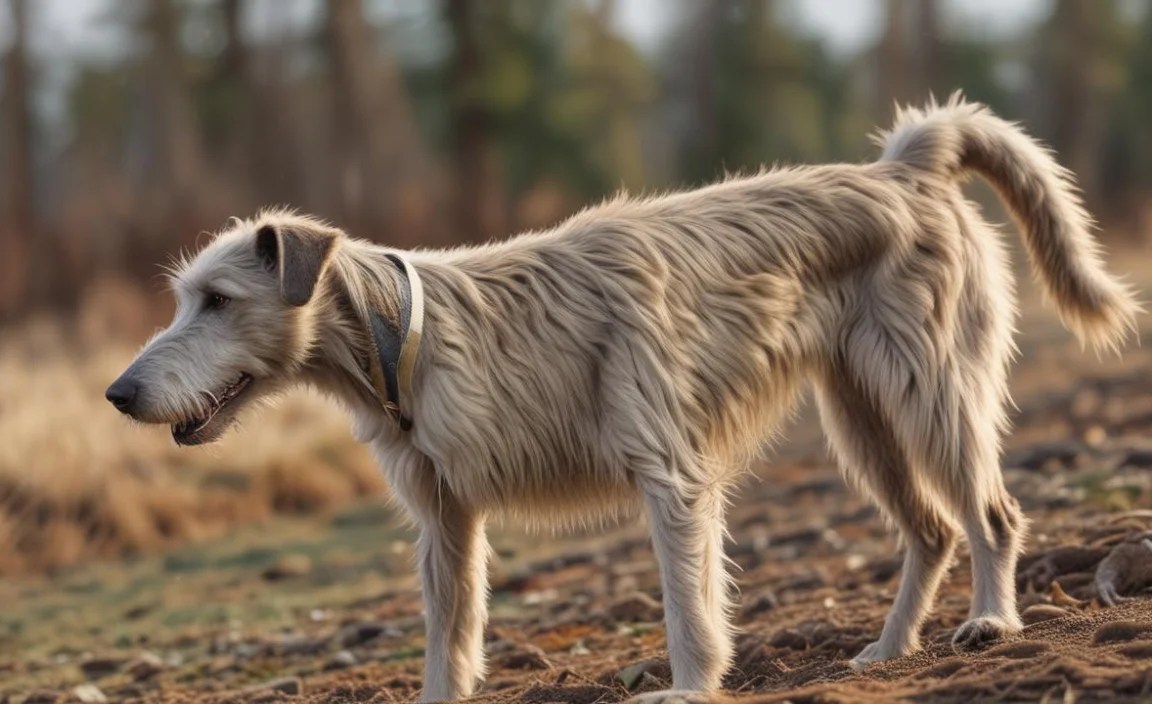
Since its revival, the Irish Wolfhound has become a popular breed around the world. While they are no longer used for hunting wolves, they are cherished as family companions and show dogs.
Breed Recognition
The Irish Wolfhound was officially recognized by kennel clubs in various countries, including the American Kennel Club (AKC) and the Kennel Club (UK). This recognition helped to solidify the breed’s status and ensure its continued popularity.
- AKC Recognition: The AKC recognized the Irish Wolfhound in 1897.
- Breed Standards: Official breed standards provide guidelines for breeders and judges, ensuring consistency in the breed.
- Popularity: The Irish Wolfhound has gained popularity as a companion animal, known for its gentle nature and loyalty.
Health Considerations
Like all breeds, Irish Wolfhounds are prone to certain health issues. Responsible breeders screen their dogs for these conditions to minimize the risk of passing them on to future generations. Potential owners should also be aware of these health concerns.
- Heart Problems: Dilated cardiomyopathy (DCM) is a common heart condition in Irish Wolfhounds.
- Bone Cancer: Osteosarcoma, or bone cancer, is another serious concern in this breed.
- Bloat: Gastric torsion, or bloat, is a life-threatening condition that can affect large, deep-chested dogs like the Irish Wolfhound.
Irish Wolfhounds Today
Today, the Irish Wolfhound is primarily a companion animal. They are known for their gentle and affectionate nature, making them great family pets. However, their large size and specific needs mean they are not the right breed for everyone.
- Gentle Giants: Irish Wolfhounds are often referred to as “gentle giants” due to their calm and loving personalities.
- Family Pets: They are generally good with children and other animals, but early socialization is important.
- Space Requirements: Due to their size, Irish Wolfhounds need plenty of space to move around and exercise.
Irish Wolfhound Timeline Table
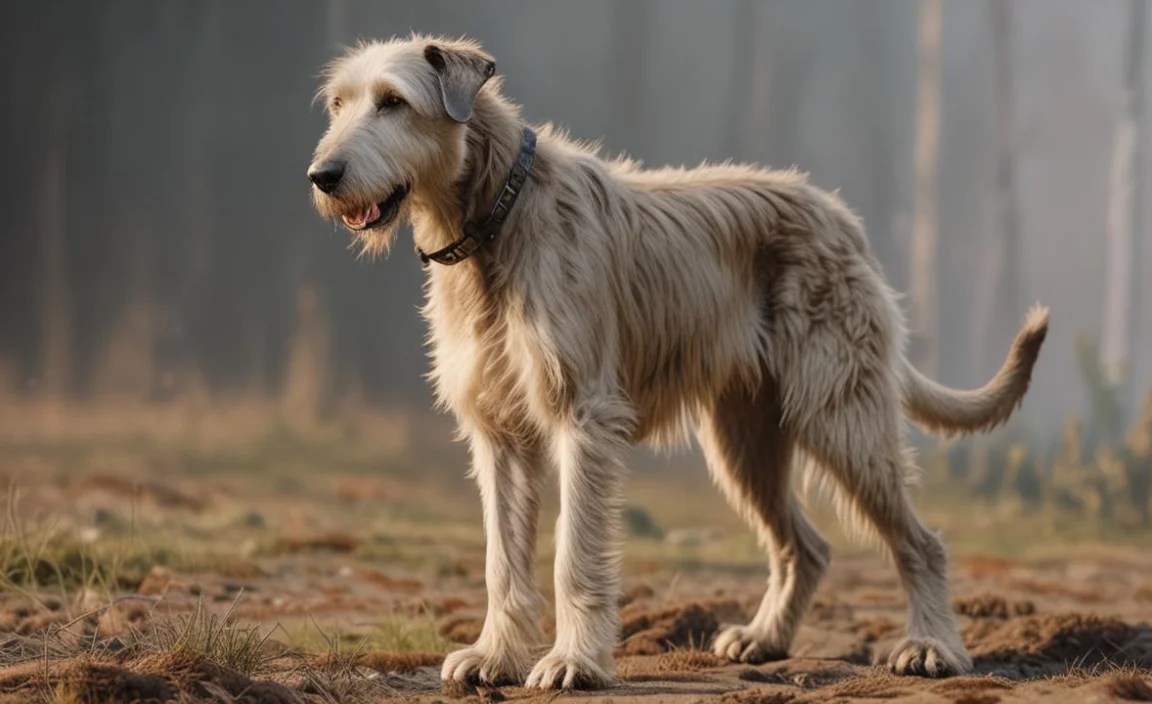
Here’s a summary of the key milestones in the Irish Wolfhound’s history, presented in a clear and easy-to-understand table:
| Period | Key Events | Significance |
|---|---|---|
| Ancient Times (Before 1500 AD) | Early sighthounds in Ireland, use as hunting and war dogs, “Cú” dogs in mythology | Foundation of the breed’s characteristics and cultural significance |
| Medieval Period (1500-1800) | Specialization in wolf hunting, decline in numbers due to decreasing wolf populations and economic factors | Development of specific hunting skills and near extinction |
| 19th Century (1800-1900) | Near extinction of the breed, revival efforts led by Captain George A. Graham, establishment of breed standards | Saving the breed from extinction and setting the foundation for its modern form |
| Modern Era (1900-Present) | Breed recognition by kennel clubs, popularity as companion animals, health considerations | Establishment as a recognized breed and focus on health and responsible breeding |
Caring for an Irish Wolfhound
Owning an Irish Wolfhound is a rewarding experience, but it also comes with unique responsibilities. Here are some essential aspects of caring for these gentle giants:
Nutrition
Feeding an Irish Wolfhound requires careful attention to their specific nutritional needs. Due to their large size and rapid growth, they need a balanced diet to support their development and prevent health problems.
- High-Quality Food: Choose a high-quality dog food formulated for large breeds.
- Proper Portions: Feed appropriate portions to avoid overfeeding, which can lead to bloat and other health issues.
- Supplements: Consult with your veterinarian about whether supplements are necessary, especially during puppyhood.
Exercise
Irish Wolfhounds need regular exercise to stay healthy and happy. However, it’s important to avoid overexertion, especially in puppies, as this can damage their developing joints.
- Daily Walks: Aim for at least one or two daily walks to provide physical and mental stimulation.
- Playtime: Provide opportunities for playtime in a safe, enclosed area.
- Avoid Strenuous Exercise: Avoid strenuous exercise, such as running long distances, until they are fully grown.
Grooming
Irish Wolfhounds have a wiry coat that requires regular grooming to prevent matting and keep their skin healthy.
- Brushing: Brush your Irish Wolfhound several times a week to remove loose hair and prevent mats.
- Bathing: Bathe them as needed, usually every few months, using a dog-specific shampoo.
- Nail Trimming: Keep their nails trimmed to prevent overgrowth and discomfort.
Health Care
Regular veterinary check-ups are essential for maintaining your Irish Wolfhound’s health. Be sure to discuss potential health concerns with your vet and follow their recommendations for preventive care.
- Regular Check-ups: Schedule annual check-ups to monitor their overall health.
- Vaccinations: Keep up with vaccinations to protect them from common diseases.
- Parasite Control: Use preventive medications for fleas, ticks, and heartworms.
FAQs About the Irish Wolfhound
- How big do Irish Wolfhounds get?
Irish Wolfhounds are one of the tallest dog breeds. Males typically stand at least 32 inches tall and weigh around 180 pounds, while females are usually at least 30 inches tall and weigh around 150 pounds.
- Are Irish Wolfhounds good with children?
Yes, Irish Wolfhounds are generally known to be good with children. They are gentle and patient, but it’s always important to supervise interactions between dogs and young children.
- How long do Irish Wolfhounds live?
Irish Wolfhounds have a relatively short lifespan compared to other breeds. They typically live between 6 and 8 years.
- Do Irish Wolfhounds need a lot of space?
Yes, due to their large size, Irish Wolfhounds need plenty of space to move around. They are not well-suited for apartment living and do best in homes with large yards.
- Are Irish Wolfhounds easy to train?
Irish Wolfhounds are intelligent but can be independent, so training requires patience and consistency. Positive reinforcement methods work best with this breed.
- What health problems are common in Irish Wolfhounds?
Common health problems in Irish Wolfhounds include dilated cardiomyopathy (DCM), bone cancer (osteosarcoma), and bloat (gastric torsion).
- Do Irish Wolfhounds shed a lot?
Irish Wolfhounds have a wiry coat that sheds moderately. Regular brushing can help to minimize shedding.
Conclusion
The timeline of the Irish Wolfhound is a testament to the resilience and dedication of those who have cherished this magnificent breed. From their ancient origins as hunting and war dogs to their near extinction and subsequent revival, the Irish Wolfhound has faced many challenges. Today, they stand as a symbol of Ireland’s rich history and a beloved companion to families around the world.
Understanding their history helps us to appreciate the unique qualities of the Irish Wolfhound and to provide them with the care and attention they deserve. By learning about their past, we can ensure that this gentle giant continues to thrive for generations to come. Whether you’re a potential owner or simply an admirer of the breed, the story of the Irish Wolfhound is one that is sure to captivate and inspire.


