
Loyal Cat Breeds That Form Deep Bonds: Find Yours!

Quick Summary: Certain cat breeds are known for their exceptional loyalty and ability to form strong bonds with their owners. These include the Ragdoll, Siamese, Maine Coon, British Shorthair, Scottish Fold, and Burmese. These breeds often exhibit dog-like behaviors such as following their owners around, seeking affection, and being highly trainable, making them wonderful companions for those seeking a devoted feline friend.
Do you dream of a feline friend who’s more than just a pet, but a true companion? Many people think of cats as independent and aloof, but some breeds are incredibly loyal and form deep, lasting bonds with their humans. It’s wonderful to have a cat that greets you at the door, snuggles up on the couch, and simply wants to be by your side. The good news is that finding a devoted kitty isn’t just a matter of luck. Certain breeds are well-known for their affectionate and loyal nature.
In this article, I’ll share with you some of the most loyal cat breeds that are likely to become your new best friend. We’ll explore their unique characteristics, what makes them so loving, and what to consider before bringing one home. Prepare to discover the purrfect breed to fill your life with feline affection!
Loyal Cat Breeds That Form Deep Bonds

While individual personalities always vary, some cat breeds are known for their tendency to bond strongly with their families. Here are some of the most loyal and affectionate cat breeds:
1. Ragdoll
Ragdolls are famous for their gentle and loving nature. They are often called “puppy cats” because they tend to follow their owners from room to room, enjoy playing fetch, and can even be trained to do tricks. According to The International Cat Association (TICA), Ragdolls are known for going limp when picked up, hence their name. They are incredibly patient and tolerant, making them excellent companions for children and other pets.
- Key Traits: Gentle, affectionate, docile, playful, and good with children.
- Grooming: Ragdolls have long, silky fur that requires regular brushing to prevent mats and tangles.
- Health: Generally healthy, but prone to hypertrophic cardiomyopathy (HCM). Regular vet checkups are essential.
2. Siamese
Siamese cats are intelligent, social, and extremely vocal. They form strong attachments to their owners and crave attention. Siamese cats are known for their distinctive pointed coloration and striking blue eyes. They are also very curious and love to explore their surroundings. If you’re looking for a cat that will actively participate in your life, a Siamese might be the perfect fit.
- Key Traits: Social, intelligent, vocal, affectionate, and playful.
- Grooming: Siamese cats have short, fine fur that requires minimal grooming.
- Health: Prone to respiratory issues and amyloidosis. Regular vet care is crucial.
3. Maine Coon
Maine Coons are one of the largest domestic cat breeds, but despite their size, they are known as “gentle giants.” They are affectionate, playful, and get along well with children and other pets. Maine Coons are intelligent and trainable, and they often enjoy playing fetch and walking on a leash. According to the Cornell Feline Health Center, Maine Coons are also known for their distinctive vocalizations, which sound like a combination of a meow and a purr.
- Key Traits: Affectionate, playful, intelligent, gentle, and good with children and other pets.
- Grooming: Maine Coons have long, thick fur that requires regular brushing to prevent mats.
- Health: Prone to hypertrophic cardiomyopathy (HCM) and hip dysplasia. Regular veterinary check-ups are vital.
4. British Shorthair
As someone who specializes in British Shorthairs, I can confidently say that they are incredibly loyal and affectionate cats. They have a calm and easygoing personality, making them great companions for families and individuals alike. British Shorthairs are not overly demanding but enjoy spending time with their owners and will often follow you around the house. They are also relatively low-maintenance in terms of grooming, which is a bonus. They bond deeply with their families and offer quiet, steady companionship.
- Key Traits: Calm, affectionate, easygoing, adaptable, and relatively independent.
- Grooming: British Shorthairs have dense, plush fur that requires weekly brushing.
- Health: Generally healthy, but prone to polycystic kidney disease (PKD) and hypertrophic cardiomyopathy (HCM). Genetic testing can help identify potential issues.
5. Scottish Fold
Scottish Folds are known for their distinctive folded ears, which give them an endearing, owl-like appearance. But beyond their unique looks, they are also known for their sweet and affectionate personalities. Scottish Folds are playful and enjoy interacting with their owners. They tend to bond closely with their families and can become quite attached. The folded ears are a result of a genetic mutation that affects cartilage throughout the body, so it’s important to choose a reputable breeder who prioritizes the cat’s health.
- Key Traits: Sweet, affectionate, playful, intelligent, and adaptable.
- Grooming: Scottish Folds have medium-length fur that requires regular brushing.
- Health: Prone to arthritis and other joint problems due to the cartilage mutation. Regular vet checkups are critical.
6. Burmese
Burmese cats are highly social and thrive on companionship. They are known for their playful and curious nature, and they love to be involved in everything their owners do. Burmese cats are also very intelligent and can be trained to do tricks. According to Purina, Burmese cats often retain their kitten-like energy and playfulness well into adulthood.
- Key Traits: Social, playful, curious, intelligent, and affectionate.
- Grooming: Burmese cats have short, glossy fur that requires minimal grooming.
- Health: Prone to diabetes and craniofacial abnormalities. Choose a reputable breeder who screens for genetic health issues.
Comparing Loyal Cat Breeds
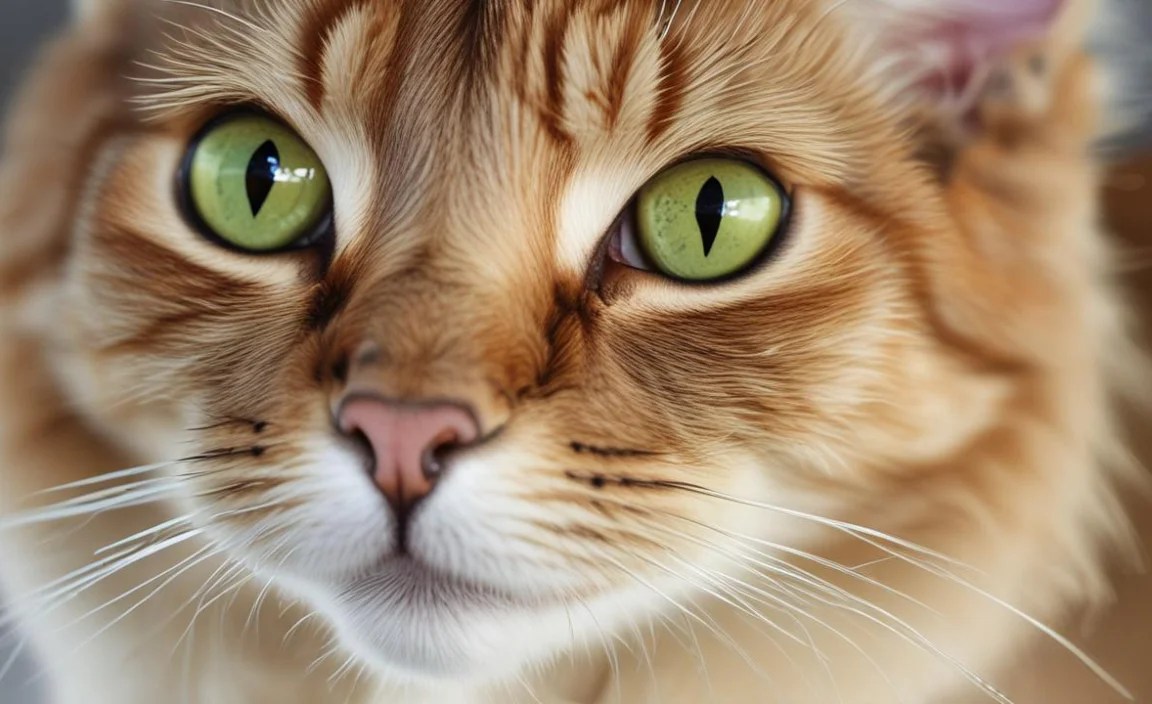
Here’s a table comparing the key characteristics of these loyal cat breeds:
| Breed | Key Traits | Grooming Needs | Potential Health Issues |
|---|---|---|---|
| Ragdoll | Gentle, Affectionate, Docile | Regular Brushing | HCM |
| Siamese | Social, Intelligent, Vocal | Minimal Grooming | Respiratory Issues, Amyloidosis |
| Maine Coon | Affectionate, Playful, Gentle Giant | Regular Brushing | HCM, Hip Dysplasia |
| British Shorthair | Calm, Easygoing, Adaptable | Weekly Brushing | PKD, HCM |
| Scottish Fold | Sweet, Playful, Intelligent | Regular Brushing | Arthritis, Joint Problems |
| Burmese | Social, Playful, Curious | Minimal Grooming | Diabetes, Craniofacial Abnormalities |
Factors Influencing Cat Loyalty

While breed plays a significant role, several other factors can influence a cat’s loyalty and how deeply they bond with their owners:
1. Early Socialization
Kittens who are exposed to positive human interaction from a young age are more likely to develop strong bonds with people. Handling, playing, and talking to kittens regularly during their first few weeks of life can help them become more confident and affectionate companions.
2. Positive Reinforcement
Using positive reinforcement techniques, such as treats, praise, and petting, can strengthen the bond between you and your cat. Rewarding good behavior encourages your cat to repeat those actions and associate you with positive experiences.
3. Individual Personality
Just like people, cats have unique personalities. Some cats are naturally more affectionate and outgoing than others. Even within a breed known for loyalty, individual cats may vary in their level of attachment.
4. Environment and Upbringing
A cat’s environment and upbringing can significantly impact its behavior and how it forms bonds. Cats who are raised in a loving and stable home are more likely to develop strong attachments to their owners.
Tips for Building a Strong Bond with Your Cat

Regardless of your cat’s breed or personality, there are several things you can do to strengthen your bond and create a loving relationship:
- Spend Quality Time Together: Set aside time each day to play with, groom, or simply cuddle with your cat.
- Learn Your Cat’s Body Language: Understanding your cat’s body language can help you better understand their needs and communicate effectively.
- Provide a Safe and Enriching Environment: Make sure your cat has plenty of toys, scratching posts, and comfortable places to rest.
- Be Patient and Understanding: It takes time to build a strong bond with any animal. Be patient and understanding, and your cat will eventually learn to trust and love you.
- Respect Their Boundaries: While some cats love constant attention, others prefer more personal space. Learn to recognize your cat’s cues and respect their boundaries.
- Provide Consistent Care: Regular feeding, grooming, and vet checkups demonstrate your commitment to your cat’s well-being and strengthen your bond.
Debunking Myths About Cat Affection

There are many misconceptions about cat behavior, particularly when it comes to affection. Here are a few common myths debunked:
- Myth: Cats are aloof and independent. Reality: While cats are generally more self-sufficient than dogs, many cats are highly affectionate and enjoy spending time with their owners.
- Myth: Cats don’t need as much attention as dogs. Reality: Cats require just as much attention, love, and care as dogs. They thrive on interaction and companionship.
- Myth: A cat’s breed determines its personality. Reality: While breed can influence certain traits, individual personalities vary greatly.
Adopting vs. Buying: Ethical Considerations
When considering bringing a loyal cat into your life, it’s important to think about whether you should adopt or buy. Adoption from a shelter or rescue organization can save a life and provide a loving home for a cat in need. Shelters often have cats of various breeds and ages, so you can find a cat that matches your lifestyle and preferences. If you decide to buy from a breeder, make sure they are reputable and prioritize the health and well-being of their cats. Avoid breeders who sell kittens at a young age or who do not provide proper veterinary care.
The Importance of Responsible Breeding
Responsible breeding practices are essential for the health and well-being of cats. Reputable breeders screen their cats for genetic health issues and take steps to minimize the risk of passing on these conditions to their offspring. They also provide their cats with proper care, nutrition, and socialization. When choosing a breeder, ask about their breeding practices and health testing protocols. A responsible breeder will be happy to answer your questions and provide you with documentation of their cats’ health records.
FAQ About Loyal Cat Breeds
Here are some frequently asked questions about loyal cat breeds and forming deep bonds with your feline companion:
1. What makes a cat breed “loyal”?
Loyal cat breeds tend to form strong attachments to their owners and enjoy spending time with them. They often exhibit behaviors such as following their owners around, seeking affection, and being highly trainable.
2. Are mixed-breed cats as loyal as purebred cats?
Yes, mixed-breed cats can be just as loyal and affectionate as purebred cats. A cat’s personality and upbringing play a significant role in its level of attachment, regardless of its breed.
3. How can I tell if a cat is bonding with me?
Signs of bonding include purring, rubbing against you, following you around, kneading, and sleeping near you. A cat who is bonded with you will also be more likely to seek your attention and affection.
4. Is it possible to make an aloof cat more affectionate?
While it may not be possible to completely change a cat’s personality, you can encourage more affectionate behavior by providing a safe and loving environment, spending quality time together, and using positive reinforcement techniques.
5. What is the best way to choose a loyal cat breed?
Research different breeds and consider your lifestyle and preferences. Visit shelters and breeders to meet cats in person and see if their personalities align with yours. Remember that individual personalities vary, so it’s important to choose a cat that you connect with on a personal level.
6. Can older cats form deep bonds?
Absolutely! While kittens are undeniably adorable, older cats can form just as deep and meaningful bonds with their owners. They often come with established personalities, and adopting a senior cat can be incredibly rewarding.
7. How do I handle a cat that’s too clingy?
If your cat is overly clingy, ensure they have plenty of enrichment activities to keep them mentally stimulated when you’re not available. Puzzle feeders, interactive toys, and window perches can help. Also, maintain a consistent routine and ensure they have a safe space to retreat to when they need alone time.
Conclusion
If you’re seeking a feline companion who will shower you with affection and become a cherished member of your family, consider one of these loyal cat breeds. Remember that breed is just one factor in determining a cat’s personality, and individual cats may vary in their level of attachment. By providing a loving and supportive environment, you can build a strong and lasting bond with your feline friend, regardless of their breed. With patience, understanding, and plenty of love, you and your cat can enjoy a lifetime of companionship.


