
British Shorthair Interactive Play Preferences: Secret?

British Shorthairs enjoy interactive play that stimulates their minds and bodies. Wands with feathers or ribbons, laser pointers, puzzle toys with treats, and even simple games like chasing a crumpled paper ball can be engaging. Remember to keep play sessions short and sweet, respecting your cat’s independent nature.
Is your British Shorthair looking a bit bored? Do you want to strengthen your bond through playtime but aren’t sure where to start? Understanding your British Shorthair’s play preferences is key to keeping them happy and healthy. This breed is known for its calm demeanor, but they still need regular exercise and mental stimulation.
In this guide, I’ll walk you through the best interactive games and toys for your British Shorthair. We’ll explore how to cater to their unique personality and energy levels, ensuring playtime is enjoyable for both of you. Get ready to discover the secrets to a purr-fectly playful relationship with your feline friend!
Understanding the British Shorthair’s Play Style

British Shorthairs have a unique approach to playtime. They’re not as hyperactive as some breeds, but they do need regular activity to stay healthy and happy. Knowing their preferences can make playtime more effective and enjoyable.
Independent Nature
British Shorthairs are known for their independence. They enjoy their own company and aren’t always up for constant interaction. This means that playtime should be on their terms. Don’t force it; instead, offer opportunities and let them decide when to engage. According to the RSPCA, respecting a cat’s independence is crucial for their well-being.
Moderate Energy Levels
Unlike more energetic breeds, British Shorthairs have moderate energy levels. They enjoy short bursts of activity followed by long periods of relaxation. Plan for shorter, more frequent play sessions rather than one long, exhausting one. This aligns with their natural rhythm and keeps them engaged without overwhelming them.
Curiosity and Intelligence
British Shorthairs are intelligent and curious cats. They enjoy games that challenge their minds. Puzzle toys, treat dispensers, and interactive games that require problem-solving are great choices. These activities not only provide exercise but also keep them mentally stimulated, preventing boredom.
Top Interactive Games and Toys for British Shorthairs

Choosing the right toys and games is essential for keeping your British Shorthair entertained. Here are some top options that cater to their specific needs and preferences.
Wand Toys with Feathers or Ribbons
Wand toys are a classic for a reason. The movement of the feathers or ribbons mimics prey, triggering your cat’s natural hunting instincts. These toys encourage your cat to stalk, chase, and pounce, providing excellent exercise and mental stimulation.
- Pros: Encourages natural hunting behavior, provides exercise, strengthens the bond between you and your cat.
- Cons: Requires active participation from you, can be less engaging if used passively.
How to Use: Move the wand in a way that mimics a bird or mouse, varying the speed and direction. Allow your cat to catch the “prey” occasionally to keep them motivated. Always put the toy away after playtime to keep it exciting.
Laser Pointers
Laser pointers are a simple yet effective way to get your British Shorthair moving. The fast-moving dot is irresistible to most cats, triggering their chase instinct. However, use laser pointers responsibly to avoid frustration.
- Pros: Provides excellent exercise, easy to use, can be used from a distance.
- Cons: Can be frustrating if the cat never “catches” the dot, may cause compulsive behavior if overused.
How to Use: Always end the laser pointer session by pointing the dot at a physical toy or treat so your cat can “catch” something. This helps prevent frustration. Limit laser pointer sessions to a few minutes at a time.
Puzzle Toys with Treats
Puzzle toys are a fantastic way to challenge your British Shorthair’s intelligence. These toys require your cat to solve a puzzle to get a treat, providing mental stimulation and preventing boredom. They come in various forms, from simple treat dispensers to more complex problem-solving games.
- Pros: Provides mental stimulation, keeps cats entertained for longer periods, encourages problem-solving skills.
- Cons: May require some initial training, can be less engaging if the puzzles are too easy or too difficult.
How to Use: Start with simple puzzles and gradually increase the difficulty as your cat gets better. Show your cat how the puzzle works initially, and reward them with praise and treats when they succeed.
Catnip Toys
Catnip is a natural herb that affects many cats, causing a temporary burst of energy and playfulness. Catnip toys can be a great way to encourage your British Shorthair to engage in active play. However, not all cats react to catnip, and the effects are temporary.
- Pros: Encourages playfulness, safe for most cats, can be used to make playtime more exciting.
- Cons: Not all cats react to catnip, the effects are temporary, some cats may become overstimulated.
How to Use: Offer catnip toys during playtime to see if your cat enjoys them. Monitor their reaction and remove the toy if they become overstimulated. Catnip toys are best used in moderation to maintain their effectiveness.
Simple Games: Chasing a Crumpled Paper Ball
Sometimes, the simplest games are the most effective. A crumpled paper ball can provide hours of entertainment for a British Shorthair. The unpredictable movement of the ball triggers their chase instinct, and the crinkling sound adds to the fun.
- Pros: Simple and inexpensive, provides exercise, encourages natural hunting behavior.
- Cons: May not be as engaging as more complex toys, requires active participation from you.
How to Use: Crumple a piece of paper into a ball and toss it for your cat to chase. Vary the distance and direction of the toss to keep them engaged. Be sure to use plain paper without any staples or sharp edges.
Creating the Perfect Play Environment
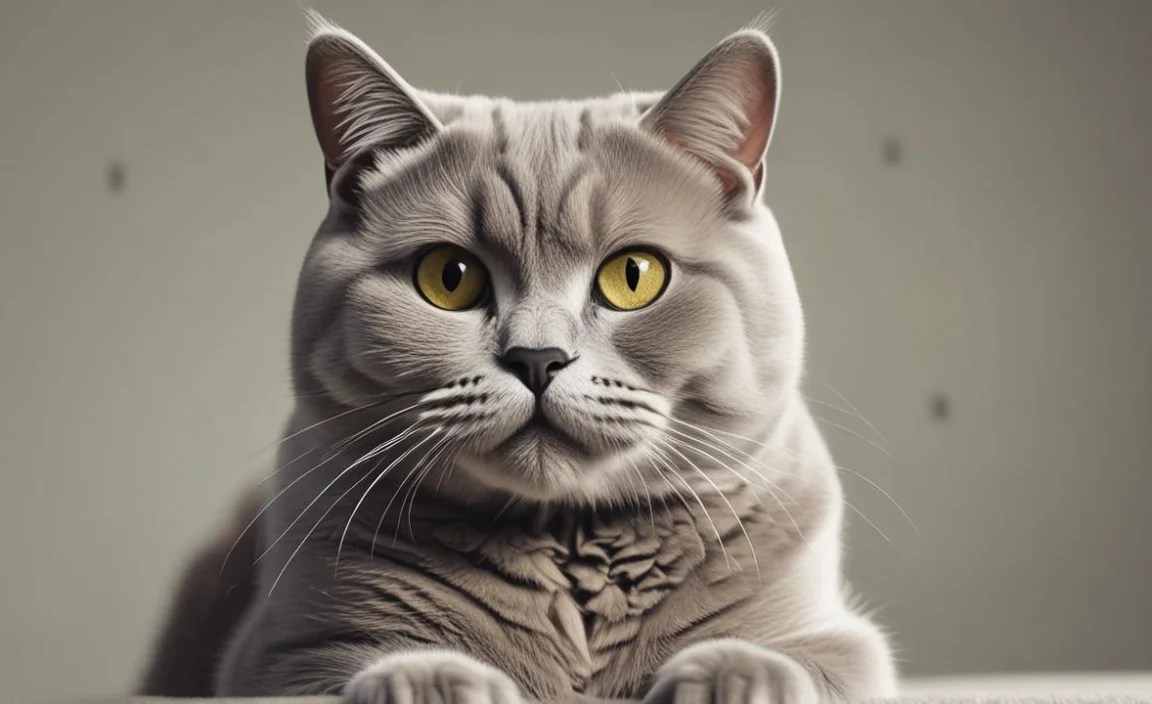
The environment in which your British Shorthair plays can significantly impact their engagement and enjoyment. Creating a stimulating and safe play area is essential for encouraging active play.
Safe Play Area
Ensure the play area is free from hazards such as electrical cords, sharp objects, and toxic plants. A safe environment allows your cat to play freely without the risk of injury. Regularly check the area for potential dangers and remove them.
Vertical Space
Cats love to climb and explore vertical spaces. Providing cat trees, shelves, or window perches allows your British Shorthair to satisfy their natural climbing instincts. Vertical space also provides a sense of security and allows them to observe their surroundings from a high vantage point.
Scratching Posts
Scratching is a natural behavior for cats. Providing scratching posts allows them to groom their claws and mark their territory without damaging your furniture. Place scratching posts in prominent locations, such as near their sleeping area or favorite play spot.
Quiet Zones
British Shorthairs need quiet zones where they can retreat and relax. Provide comfortable beds or hiding places where they can feel safe and secure. These quiet zones allow them to recharge and avoid feeling overwhelmed, especially during active play sessions.
Tailoring Play to Your Cat’s Personality

Every British Shorthair is unique, and their play preferences can vary. Paying attention to your cat’s individual personality and adjusting playtime accordingly is essential for maximizing their enjoyment.
Observing Your Cat’s Preferences
Pay close attention to which toys and games your cat responds to most enthusiastically. Do they prefer chasing toys, puzzle toys, or interactive games? Understanding their preferences allows you to tailor playtime to their specific interests.
Adjusting Playtime Based on Age and Health
Kittens have more energy and require more frequent play sessions than senior cats. Adjust the intensity and duration of playtime based on your cat’s age and health. Senior cats may benefit from shorter, gentler play sessions that focus on mental stimulation rather than intense physical activity.
Rotating Toys
Cats can become bored with the same toys over time. Rotating toys regularly keeps them fresh and exciting. Introduce new toys periodically and put away old ones to maintain your cat’s interest. This also helps prevent them from becoming too attached to any one toy.
Common Playtime Mistakes to Avoid
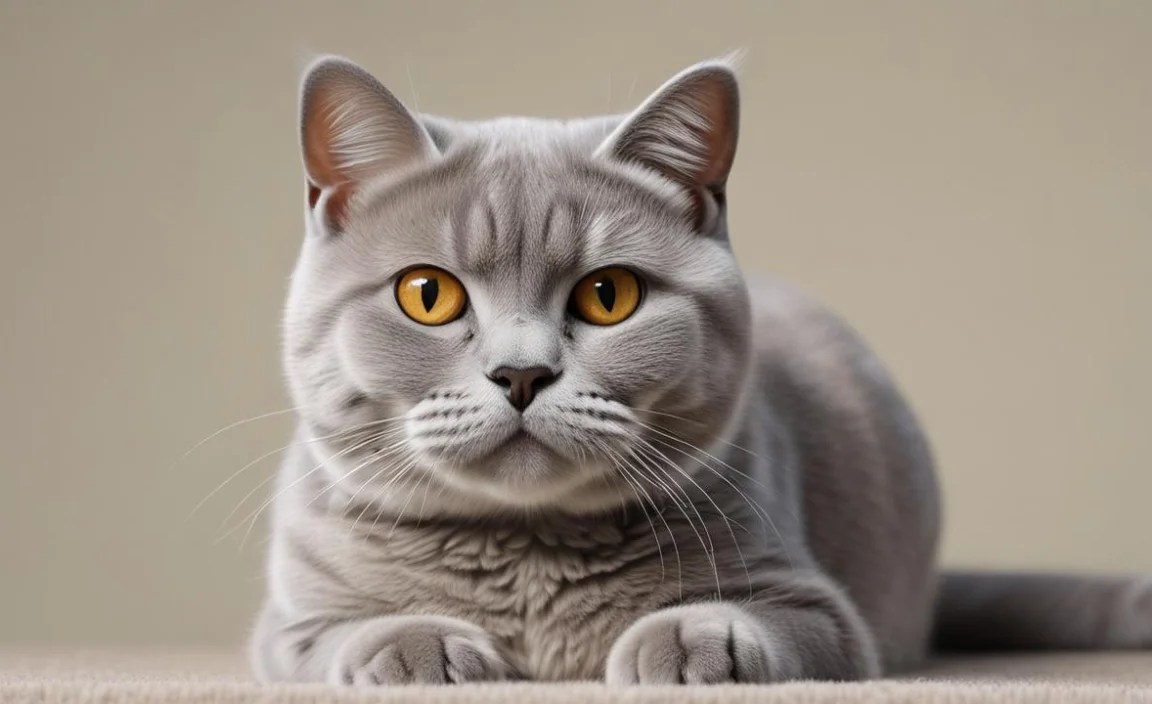
Even with the best intentions, it’s easy to make mistakes during playtime. Avoiding these common pitfalls can help ensure that playtime is enjoyable and beneficial for your British Shorthair.
Forcing Playtime
Never force your cat to play if they’re not in the mood. British Shorthairs are independent and enjoy making their own decisions. Forcing playtime can create negative associations and make them less likely to engage in the future.
Overstimulation
Watch for signs of overstimulation, such as dilated pupils, flattened ears, and a twitching tail. If your cat becomes overstimulated, end the play session immediately and allow them to calm down in a quiet space. Overstimulation can lead to aggression or anxiety.
Using Hands as Toys
Avoid using your hands or fingers as toys. This can encourage biting and scratching, which can be problematic, especially with young children. Always use designated toys for playtime to avoid confusion and potential injury.
Ignoring Safety
Always prioritize safety during playtime. Avoid toys with small parts that can be swallowed, and supervise your cat to prevent accidents. Regularly inspect toys for damage and replace them as needed. According to The International Cat Association (TICA), safety should always be a top priority when choosing toys for your cat.
The Benefits of Interactive Play
Interactive play is not just about fun and games; it offers numerous benefits for your British Shorthair’s physical and mental well-being.
Physical Health
Regular play helps your cat maintain a healthy weight, improves cardiovascular health, and strengthens muscles and joints. Exercise is essential for preventing obesity and related health problems, such as diabetes and arthritis.
Mental Stimulation
Interactive play provides mental stimulation, which is crucial for preventing boredom and anxiety. Puzzle toys and games that require problem-solving keep your cat’s mind sharp and engaged. A mentally stimulated cat is less likely to develop behavioral issues.
Bonding
Playtime strengthens the bond between you and your cat. It provides an opportunity for positive interaction and creates a sense of trust and connection. A strong bond can improve your cat’s overall well-being and make them feel more secure.
Reducing Behavioral Issues
Regular play can help reduce behavioral issues such as scratching furniture, excessive meowing, and aggression. By providing an outlet for their energy and natural instincts, you can minimize destructive behaviors and create a more harmonious environment.
Creating a Play Schedule
Establishing a regular play schedule can help ensure that your British Shorthair gets enough exercise and mental stimulation. Consistency is key to making playtime a routine part of their day.
Consistency is Key
Aim for at least 15-20 minutes of interactive play each day. Break this into shorter sessions of 5-10 minutes each. Consistency helps your cat anticipate playtime and look forward to it. Try to schedule playtime at the same time each day to establish a routine.
Varying Playtime Activities
Mix up the types of games and toys you use during playtime to keep your cat engaged. Alternate between wand toys, puzzle toys, and simple games to provide a variety of stimulation. This prevents boredom and keeps playtime exciting.
Using Meal Times as a Cue
Consider using meal times as a cue for playtime. Play with your cat for a few minutes before or after feeding to associate playtime with positive experiences. This can also help regulate their appetite and prevent overeating.
Being Flexible
While consistency is important, be flexible and adjust the play schedule as needed. If your cat is not in the mood for playtime, don’t force it. Respect their preferences and try again later. Flexibility ensures that playtime remains enjoyable and stress-free.
British Shorthair Play Preferences: A Quick Guide
| Play Style | Preferred Toys/Games | Playtime Tips |
|---|---|---|
| Independent | Puzzle toys, treat dispensers | Offer opportunities, don’t force play |
| Moderate Energy | Wand toys, laser pointers | Short, frequent sessions |
| Curious & Intelligent | Interactive games, catnip toys | Challenge their minds |
Frequently Asked Questions
Here are some frequently asked questions about British Shorthair play preferences:
How much playtime does a British Shorthair need?
A British Shorthair typically needs about 15-20 minutes of interactive play per day, split into shorter sessions. This helps keep them physically and mentally stimulated without overwhelming them.
What are the best toys for a British Shorthair?
The best toys for British Shorthairs include wand toys with feathers or ribbons, laser pointers (used responsibly), puzzle toys with treats, and catnip toys. These toys cater to their hunting instincts and provide mental stimulation.
How can I tell if my British Shorthair is bored?
Signs of boredom in British Shorthairs include excessive sleeping, overeating, destructive behavior (like scratching furniture), and excessive grooming. Providing regular playtime and mental stimulation can help prevent boredom.
Is it okay to use a laser pointer with my British Shorthair?
Yes, laser pointers can be a great way to get your British Shorthair moving, but use them responsibly. Always end the session by pointing the laser at a physical toy or treat so your cat can “catch” something, preventing frustration.
How do I introduce a new toy to my British Shorthair?
Introduce new toys gradually. Let your cat sniff and explore the toy at their own pace. You can also rub the toy with catnip to make it more appealing. Play with the toy yourself to show your cat how it works and encourage them to join in.
What should I do if my British Shorthair doesn’t seem interested in playing?
If your British Shorthair isn’t interested in playing, try different toys and games to see what sparks their interest. Ensure the play environment is safe and comfortable, and don’t force playtime. Try again later when they may be more receptive.
Can I use human toys for my British Shorthair?
It’s generally best to use toys specifically designed for cats, as human toys may contain small parts that can be swallowed or toxic materials. Cat toys are designed to be safe and durable for feline play.
Conclusion
Understanding your British Shorthair’s interactive play preferences is key to keeping them happy, healthy, and engaged. By providing the right toys, creating a stimulating environment, and tailoring playtime to their individual personality, you can strengthen your bond and ensure they live a fulfilling life. Remember to be patient, observe their preferences, and always prioritize safety. With a little effort, you can create a purr-fectly playful relationship with your feline friend.


