
British Shorthair Playful Energy in Adulthood Explained!

Quick Summary: Yes, British Shorthairs retain playful energy well into adulthood, though it changes from kitten-like craziness to more relaxed, focused bursts. Regular play sessions with toys like feather wands or puzzle feeders help keep them active and happy. Understanding their energy levels and providing the right outlets ensures a content and well-balanced British Shorthair.
Is your British Shorthair still batting at toys and chasing sunbeams, even though they’re not a kitten anymore? Many owners wonder if their British Shorthair’s playful spirit will fade as they grow older. It’s a common question! The good news is that while the *type* of play may change, these cats often maintain a playful side throughout their lives. We’ll explore how to understand and nurture your British Shorthair’s playful energy as they mature, ensuring they stay happy and healthy for years to come.
Let’s dive into what to expect from your British Shorthair’s energy levels at different ages, how to keep them entertained, and what signs to watch for that might indicate a need for a vet visit. Let’s get started!
Understanding Playful Energy in Adult British Shorthairs

British Shorthairs are known for their calm and affectionate nature, but they also have a playful side that often extends well into adulthood. However, it’s important to understand how their playfulness evolves as they age.
Kitten vs. Adult Playfulness
Kittens are bundles of endless energy, engaging in frequent, high-intensity play sessions. As British Shorthairs mature, their energy levels naturally decrease. Adult play becomes more measured, strategic, and often involves shorter bursts of activity interspersed with longer periods of rest.
- Kittens (up to 1 year): High energy, frequent play, short attention spans.
- Young Adults (1-3 years): Moderate energy, regular play, longer attention spans.
- Mature Adults (3-7 years): Lower energy, less frequent play, selective engagement.
- Senior Cats (7+ years): Reduced energy, gentle play, preference for comfort.
Why Play is Important for Adult Cats
Even though adult British Shorthairs might not play as intensely as kittens, play remains crucial for their physical and mental well-being. According to the RSPCA, regular play helps prevent obesity, reduces boredom, and strengthens the bond between you and your cat.
- Physical Health: Keeps them active, preventing weight gain and related health issues like diabetes and arthritis.
- Mental Health: Provides mental stimulation, reducing boredom and preventing behavioral problems like excessive grooming or destructive scratching.
- Emotional Well-being: Strengthens the bond between you and your cat, providing them with a sense of security and happiness.
Recognizing Playful Behavior
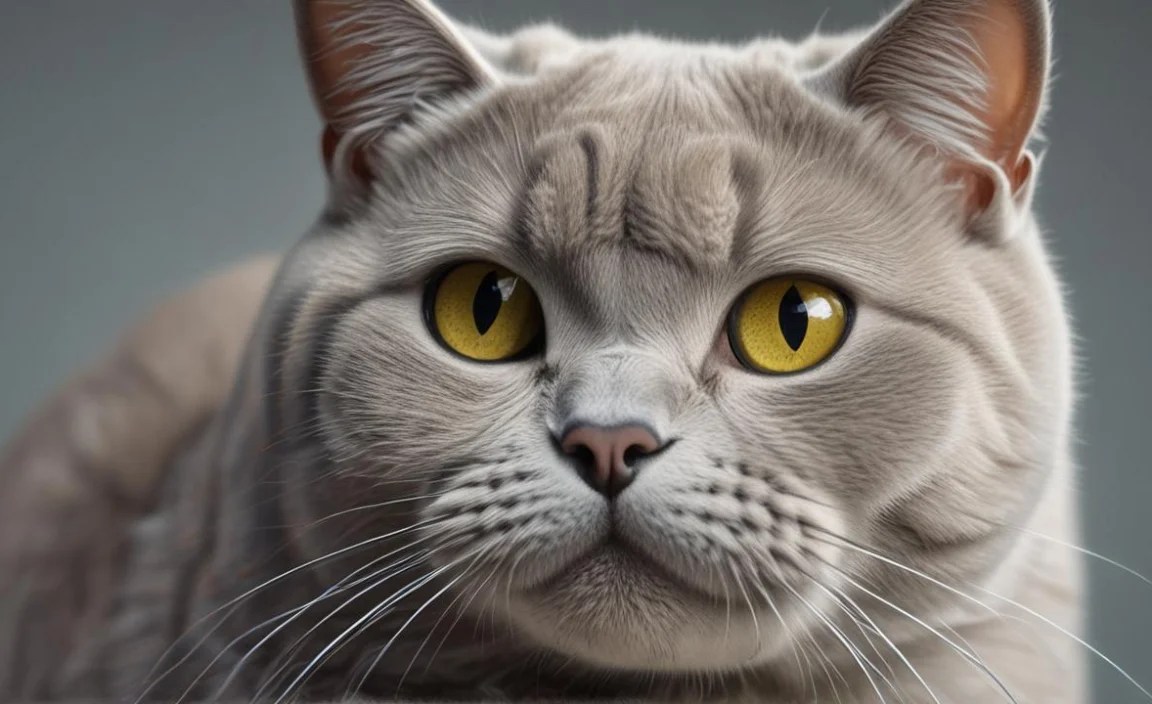
It’s essential to recognize the signs that your British Shorthair wants to play. This will help you initiate play sessions at the right times and in ways that your cat enjoys.
Common Signs of Playfulness
- Bringing you toys: This is a clear invitation to play.
- Chirping or chattering: Often directed at birds or other prey outside the window, indicating hunting instincts.
- Following you around: Seeking attention and interaction.
- Batting at objects: Showing curiosity and a desire to engage.
- Zoomies: Sudden bursts of energy, running around the house.
Understanding Your Cat’s Preferences
Every cat has unique play preferences. Some might enjoy chasing toys, while others prefer wrestling or puzzle feeders. Experiment to find out what your British Shorthair loves.
- Observe: Pay attention to the toys and activities that capture their interest.
- Variety: Offer a variety of toys to keep them engaged.
- Rotation: Rotate toys regularly to prevent boredom.
Engaging Your British Shorthair in Play

Now that you understand the importance of play and how to recognize playful behavior, let’s explore practical ways to engage your British Shorthair in fun and stimulating activities.
Types of Toys and Activities
Choosing the right toys and activities is crucial for keeping your British Shorthair entertained. Here are some popular options:
- Feather Wands: Mimic the movement of birds, triggering their hunting instincts.
- Laser Pointers: Provide exciting chase opportunities (use in moderation and always end with a tangible reward).
- Puzzle Feeders: Combine playtime with mealtime, stimulating their minds and slowing down eating.
- Catnip Toys: Can induce a temporary burst of energy and playfulness.
- Scratching Posts: Essential for maintaining claw health and providing a place to stretch and scratch.
- tunnels: Satisfy the natural desire to explore and hide.
Creating a Play Schedule
Consistency is key. Schedule regular play sessions to ensure your British Shorthair gets enough exercise and mental stimulation. According to the Cornell Feline Health Center, short, frequent play sessions are often more effective than one long session.
- Morning Play (10-15 minutes): Start the day with a quick play session to burn off energy.
- Evening Play (20-30 minutes): Engage in a longer play session before dinner to help them relax and sleep better.
- Interactive Play: Incorporate interactive toys and activities throughout the day.
Making Playtime Fun and Engaging
To keep your British Shorthair interested in play, make sure the sessions are fun and engaging.
- Mimic Natural Prey: Move toys in ways that mimic the movements of real prey, such as birds or mice.
- Vary the Routine: Change up the toys and activities to prevent boredom.
- End on a High Note: Finish each play session with a successful “hunt” and reward to leave them feeling satisfied.
Adjusting Play as Your Cat Ages

As your British Shorthair enters their senior years, their play needs will change again. It’s important to adapt your approach to accommodate their physical limitations and preferences.
Recognizing Age-Related Changes
Senior cats may experience decreased mobility, reduced eyesight, and other age-related health issues. Be aware of these changes and adjust play accordingly.
- Reduced Mobility: Avoid high-impact activities that could strain their joints.
- Vision Impairment: Use toys that are easy to see and avoid sudden movements that could startle them.
- Hearing Loss: Use visual cues instead of loud noises to initiate play.
Gentle Play Options for Seniors
Focus on gentle, low-impact activities that provide mental stimulation without putting too much stress on their bodies.
- Slow-Moving Toys: Use toys that move slowly and predictably, such as a gentle feather wand.
- Comfortable Resting Spots: Provide comfortable spots where they can rest and observe the action.
- Massage and Grooming: Incorporate gentle massage and grooming into playtime to promote relaxation and bonding.
Adapting to Health Conditions
If your British Shorthair has any health conditions, such as arthritis or heart disease, consult with your veterinarian about appropriate play activities. They can provide guidance on how to keep your cat active and engaged without exacerbating their health issues.
Creating an Enriching Environment
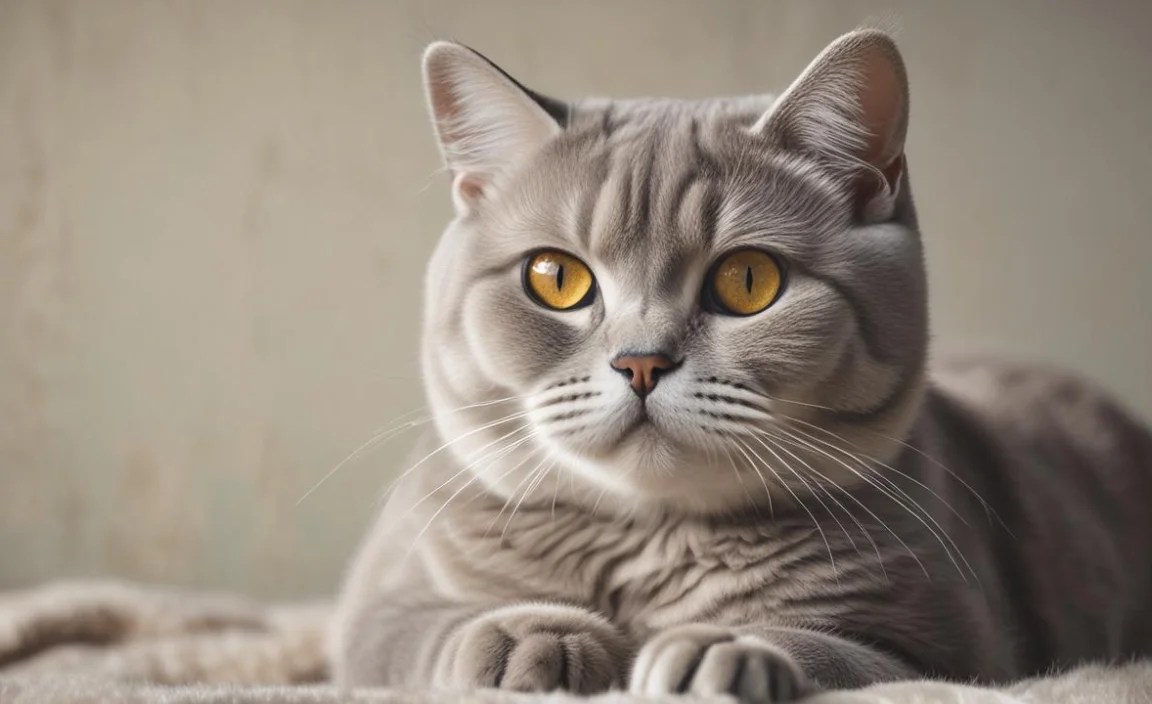
In addition to structured play sessions, creating an enriching environment can help keep your British Shorthair stimulated and happy.
Environmental Enrichment Ideas
- Cat Trees: Provide vertical space for climbing and exploring.
- Window Perches: Offer a view of the outside world, providing hours of entertainment.
- Hiding Spots: Create safe and comfortable hiding spots where they can retreat when they feel overwhelmed.
- Scratching Posts: Place scratching posts in multiple locations to encourage healthy scratching behavior.
DIY Enrichment Projects
You don’t have to spend a lot of money to create an enriching environment for your British Shorthair. Here are some DIY ideas:
- Cardboard Box Fort: Create a fort out of cardboard boxes with holes for exploring.
- DIY Puzzle Toys: Hide treats in empty toilet paper rolls or egg cartons.
- Herbal Garden: Grow cat-friendly herbs like catnip or catmint.
Nutrition and Playful Energy
A balanced diet is essential for maintaining your British Shorthair’s energy levels and overall health. Ensure they are getting the right nutrients to support their active lifestyle.
Choosing the Right Food
Select a high-quality cat food that is appropriate for their age and activity level. Look for foods that are rich in protein and essential nutrients.
- Kitten Food: Formulated to support rapid growth and development.
- Adult Food: Designed to maintain a healthy weight and provide essential nutrients.
- Senior Food: Contains added nutrients to support joint health and cognitive function.
The Role of Diet in Energy Levels
A poor diet can lead to lethargy and decreased playfulness. Make sure your British Shorthair is getting enough calories and nutrients to fuel their activities.
| Nutrient | Benefits | Sources |
|---|---|---|
| Protein | Supports muscle growth and repair. | Meat, fish, poultry. |
| Fat | Provides energy and supports brain function. | Animal fats, vegetable oils. |
| Carbohydrates | Provides energy. | Grains, vegetables. |
| Vitamins and Minerals | Supports overall health and immune function. | Fruits, vegetables, supplements. |
Health Considerations and When to Consult a Vet
Sometimes, a decrease in playfulness can be a sign of an underlying health issue. It’s important to be aware of the signs and know when to consult with your veterinarian.
Signs of Health Issues
- Sudden decrease in energy: If your cat suddenly becomes less playful, it could be a sign of illness.
- Changes in appetite: Loss of appetite or increased thirst can indicate a health problem.
- Lethargy: Excessive sleeping or reluctance to move.
- Pain or discomfort: Limping, stiffness, or sensitivity to touch.
- Changes in litter box habits: Straining to urinate or defecate, or changes in stool consistency.
Common Health Problems Affecting Playfulness
Several health conditions can affect your British Shorthair’s energy levels and playfulness. According to Purina, these include:
- Arthritis: Joint pain can make it difficult for cats to move and play.
- Dental Disease: Painful teeth and gums can make it uncomfortable to eat and play.
- Hyperthyroidism: An overactive thyroid can cause increased energy and restlessness, followed by exhaustion.
- Heart Disease: Can cause fatigue and shortness of breath, making it difficult to play.
- Kidney Disease: Can cause lethargy and loss of appetite.
When to Seek Veterinary Care
If you notice any of the signs mentioned above, it’s important to consult with your veterinarian as soon as possible. Early diagnosis and treatment can help improve your cat’s quality of life and restore their playful spirit.
British Shorthair Playful Energy in Adulthood Explained: FAQs
Here are some frequently asked questions about British Shorthair playful energy in adulthood:
1. Do British Shorthairs lose their playfulness as they get older?
No, British Shorthairs generally maintain some level of playfulness throughout their lives, though it may change in intensity and frequency. Kittens are more energetic, while adults engage in shorter, more focused play sessions. Senior cats may prefer gentle, low-impact activities.
2. What are the best toys for adult British Shorthairs?
Great toy options include feather wands, laser pointers (used in moderation), puzzle feeders, and catnip toys. Offer a variety of toys and rotate them regularly to keep your cat engaged and prevent boredom.
3. How often should I play with my adult British Shorthair?
Aim for at least two play sessions per day, lasting 10-30 minutes each. Short, frequent sessions are often more effective than one long session. Observe your cat’s behavior to determine their preferred play times.
4. What if my British Shorthair suddenly stops playing?
A sudden decrease in playfulness can indicate a health issue. Consult with your veterinarian to rule out any underlying medical conditions, such as arthritis, dental disease, or hyperthyroidism.
5. How can I encourage my senior British Shorthair to play?
Adapt your play approach to accommodate their physical limitations. Use slow-moving toys, provide comfortable resting spots, and incorporate gentle massage and grooming into playtime. Avoid high-impact activities that could strain their joints.
6. Is it normal for my British Shorthair to have “zoomies” as an adult?
Yes, it’s normal for adult British Shorthairs to have occasional bursts of energy, also known as “zoomies.” This is often a sign of pent-up energy or excitement. Provide plenty of opportunities for play and exercise to help them burn off energy.
7. How does diet affect my British Shorthair’s playfulness?
A balanced diet is essential for maintaining your cat’s energy levels and overall health. Choose a high-quality cat food that is appropriate for their age and activity level. Ensure they are getting enough protein, fat, and essential nutrients to support their active lifestyle.
Conclusion
British Shorthairs bring joy to our lives with their calm demeanor and playful spirits. Understanding how their playfulness evolves through different life stages and catering to their needs ensures their happiness and well-being. By providing the right toys, engaging in regular play sessions, and creating an enriching environment, you can nurture your British Shorthair’s playful energy and enjoy a strong, loving bond for many years to come. Remember to watch for any signs of health issues and consult with your vet when needed, ensuring a long, healthy, and playful life for your beloved feline friend.


