
British Shorthair Temperament Guide for New Owners: Easy!

British Shorthair Temperament Guide for New Owners

Quick Summary: British Shorthairs are known for their calm, affectionate, and easygoing nature. They are moderately active, independent but enjoy companionship, and are generally good with children and other pets. Provide a stable environment, respect their space, and engage in gentle play to ensure a happy, well-adjusted British Shorthair.
Bringing a British Shorthair into your home is an exciting time! Known for their plush coats and charming round faces, these cats are also famous for their wonderful temperaments. But what exactly does that temperament entail? Understanding your new feline friend’s personality is crucial for building a strong bond and ensuring they thrive in their new environment. Many new owners wonder if their British Shorthair will be cuddly, playful, or independent. Don’t worry! This guide will walk you through everything you need to know about the British Shorthair temperament, offering practical tips to help you create a happy home for your new companion. We’ll explore their common traits, how to manage their independence, and ways to encourage positive interactions. Let’s get started!
Understanding the British Shorthair Temperament

The British Shorthair is often described as the “gentle giant” of the cat world. They are known for their calm and adaptable nature, making them excellent companions for families, singles, and seniors alike. According to The International Cat Association (TICA), the British Shorthair is one of the most popular breeds due to its easygoing personality.
Key Temperament Traits
- Calm and Relaxed: British Shorthairs are not typically high-strung or overly demanding cats. They prefer a relaxed environment and are often content to lounge around the house.
- Affectionate but Independent: While they enjoy human companionship, they are not overly clingy. They appreciate a good cuddle but are also happy to entertain themselves.
- Playful in Moderation: They have a moderate energy level. They enjoy playtime but are not as hyperactive as some other breeds.
- Good with Children and Other Pets: Generally, British Shorthairs get along well with children and other pets, especially if introduced properly.
- Intelligent: They are intelligent cats and can be trained to learn simple commands and tricks.
Why Temperament Matters
Understanding the typical temperament of a British Shorthair can help you:
- Provide the Right Environment: Knowing they prefer a calm environment, you can create a peaceful home for them.
- Manage Expectations: Understanding their independent nature helps you avoid expecting constant cuddles and attention.
- Build a Strong Bond: Recognizing their playful side encourages you to engage in activities they enjoy, strengthening your relationship.
Creating the Ideal Environment for a British Shorthair
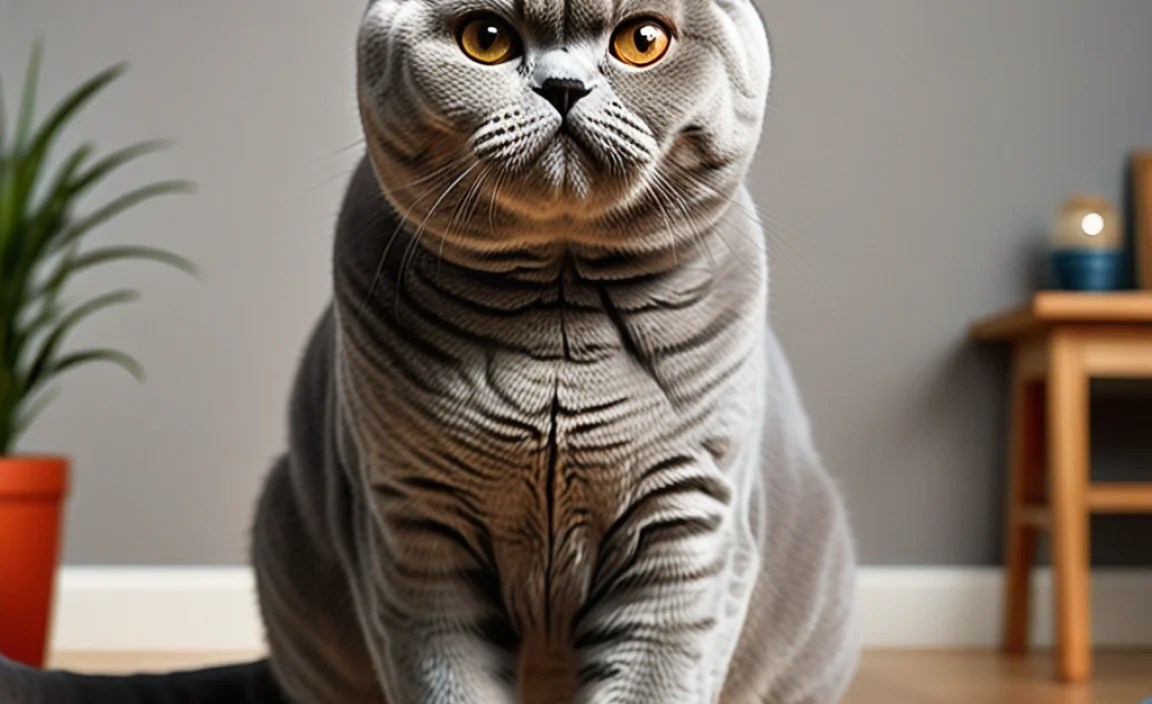
A happy British Shorthair starts with a comfortable and stimulating environment. Here’s how to set up your home to suit their temperament:
Comfortable Living Spaces
- Quiet Resting Spots: Provide several comfortable beds or resting spots in quiet areas of the house.
- Scratching Posts: Offer a variety of scratching posts to satisfy their natural scratching instincts and protect your furniture.
- Safe Havens: Ensure they have access to safe spaces where they can retreat if they feel overwhelmed, such as a quiet room or a covered bed.
Enrichment and Play
- Interactive Toys: Use interactive toys like puzzle feeders and laser pointers to keep them mentally stimulated.
- Climbing Structures: Install cat trees or shelves to satisfy their natural climbing instincts.
- Regular Play Sessions: Schedule short, regular play sessions to keep them physically active and engaged.
Essential Supplies
Make sure you have these basics ready before your British Shorthair arrives:
- Food and water bowls
- High-quality cat food
- Litter box and litter
- Scratching post
- Comfortable bed
- Toys
- Grooming supplies (brush, comb)
Managing Independence and Affection

British Shorthairs are known for their independent nature, but they also enjoy affection on their own terms. Finding the right balance is key to a harmonious relationship.
Respecting Their Space
- Avoid Forcing Affection: Let them come to you for cuddles and attention. Avoid picking them up or holding them if they seem uncomfortable.
- Observe Body Language: Pay attention to their body language. A relaxed posture, slow blinks, and gentle purring indicate they are enjoying the interaction. Hissing, flattened ears, or a twitching tail signal discomfort.
- Provide Choices: Offer them choices in where they want to rest or play. This gives them a sense of control and reduces anxiety.
Encouraging Affection
- Gentle Approach: Approach them calmly and quietly. Avoid sudden movements or loud noises.
- Positive Reinforcement: Reward affectionate behavior with praise, gentle petting, or a small treat.
- Consistent Routine: Establish a consistent daily routine for feeding, playtime, and grooming. This helps them feel secure and builds trust.
Understanding Their Limits
Every cat has their own unique personality, and it’s important to respect their individual limits. If your British Shorthair shows signs of stress or discomfort, give them space and allow them to retreat. Pushing them beyond their comfort zone can damage your relationship and lead to behavioral issues.
Socialization and Interactions with Others
British Shorthairs are generally good with children and other pets, but proper socialization is crucial for ensuring positive interactions.
Introducing to Children
- Supervise Interactions: Always supervise interactions between children and your British Shorthair, especially young children.
- Teach Gentle Handling: Teach children how to handle the cat gently and respectfully. Show them how to pet the cat without pulling or squeezing.
- Provide Escape Routes: Ensure the cat has easy access to a safe space where they can retreat if they feel overwhelmed.
Introducing to Other Pets
- Gradual Introduction: Introduce new pets gradually, starting with scent swapping and visual introductions before allowing direct contact.
- Separate Resources: Provide separate food bowls, water bowls, and litter boxes for each pet to avoid competition and stress.
- Positive Reinforcement: Reward positive interactions with praise and treats.
Recognizing Signs of Stress
It’s important to be able to recognize signs of stress in your British Shorthair, especially when introducing them to new people or pets. Common signs of stress include:
- Hiding
- Hissing or growling
- Flattened ears
- Dilated pupils
- Excessive grooming
If you notice any of these signs, separate the cat from the stressful situation and allow them to calm down in a safe space. Consult with a veterinarian or a cat behaviorist if the stress persists.
Grooming and Health Considerations
Proper grooming and healthcare are essential for maintaining the health and well-being of your British Shorthair.
Grooming Needs
- Regular Brushing: Brush your British Shorthair several times a week to prevent matting and reduce shedding.
- Nail Trimming: Trim their nails regularly to prevent overgrowth and damage to furniture.
- Ear Cleaning: Check their ears regularly and clean them as needed with a veterinarian-approved ear cleaner.
Common Health Issues
While British Shorthairs are generally healthy, they are prone to certain health issues, according to the RSPCA. Being aware of these potential problems can help you provide the best possible care for your feline friend.
- Hypertrophic Cardiomyopathy (HCM): This is a common heart condition in cats. Regular veterinary checkups can help detect this early.
- Polycystic Kidney Disease (PKD): This is a genetic condition that causes cysts to form on the kidneys. Genetic testing can help identify affected cats.
- Obesity: British Shorthairs are prone to weight gain, so it’s important to monitor their diet and provide plenty of exercise.
Preventative Care
Regular veterinary checkups, vaccinations, and parasite control are essential for maintaining the health of your British Shorthair. Consult with your veterinarian to develop a preventative care plan tailored to your cat’s individual needs.
Training and Mental Stimulation
British Shorthairs are intelligent cats who benefit from training and mental stimulation.
Basic Training
- Litter Box Training: British Shorthairs are typically easy to litter box train. Provide a clean, accessible litter box and reward them for using it.
- Scratching Post Training: Encourage them to use scratching posts by placing them near their favorite resting spots and rewarding them for scratching.
- Clicker Training: Use clicker training to teach them simple commands and tricks. This is a fun and effective way to bond with your cat.
Mental Stimulation
- Puzzle Toys: Provide puzzle toys that challenge their problem-solving skills and keep them entertained.
- Interactive Play: Engage in interactive play sessions with toys like feather wands and laser pointers.
- Environmental Enrichment: Rotate their toys regularly to keep them interested and prevent boredom.
British Shorthair Temperament: Age-Related Changes
A British Shorthair’s temperament can change as they age, so it’s important to understand what to expect as your cat enters different life stages.
Kittenhood (0-12 months)
- Playful and Curious: Kittens are naturally playful and curious, exploring their environment with boundless energy.
- Socialization: Early socialization is crucial during this stage. Expose them to a variety of people, pets, and experiences to help them develop into well-adjusted adults.
- Training: Start basic training early to establish good habits and prevent behavioral issues.
Adulthood (1-7 years)
- Calm and Relaxed: Adult British Shorthairs are typically calm and relaxed, enjoying a predictable routine.
- Independent: They are more independent during this stage and may prefer to spend time alone.
- Playful in Moderation: They still enjoy playtime but may not be as energetic as kittens.
Senior Years (7+ years)
- Less Active: Senior cats may become less active and more prone to health issues.
- Increased Need for Comfort: They may seek out more comfortable resting spots and require more attention and care.
- Potential Behavioral Changes: Some senior cats may experience behavioral changes due to age-related cognitive decline.
Troubleshooting Common Behavioral Issues
Even with the best care, British Shorthairs can sometimes exhibit behavioral issues. Here are some common problems and how to address them:
Scratching Furniture
Solution: Provide plenty of scratching posts and encourage them to use them by placing them near their favorite resting spots. You can also try using catnip or scratching sprays to attract them to the posts. Consider covering furniture with protective materials or using deterrent sprays.
Litter Box Avoidance
Solution: Ensure the litter box is clean and accessible. Try different types of litter to see what your cat prefers. Make sure the litter box is located in a quiet, private area. If the problem persists, consult with a veterinarian to rule out any underlying medical issues.
Aggression
Solution: Identify the cause of the aggression. Is it fear, territoriality, or pain? Once you know the cause, you can take steps to address it. Provide safe spaces, avoid triggers, and consult with a veterinarian or a cat behaviorist for guidance.
Excessive Meowing
Solution: Determine why your cat is meowing excessively. Is it for attention, food, or because they are in distress? Provide plenty of attention, ensure they have access to food and water, and address any underlying medical issues. If the problem persists, consult with a veterinarian or a cat behaviorist.
British Shorthair Temperament: A Quick Reference Table
| Trait | Description | Tips for Owners |
|---|---|---|
| Calmness | Relaxed and easygoing demeanor | Provide a quiet, stable environment. |
| Independence | Enjoys alone time but also appreciates affection | Respect their space and avoid forcing affection. |
| Playfulness | Moderate energy levels; enjoys interactive play | Engage in regular play sessions with toys. |
| Affection | Shows affection on their own terms | Let them initiate cuddles and reward affectionate behavior. |
| Social Skills | Generally good with children and other pets | Introduce new pets and children gradually and supervise interactions. |
Frequently Asked Questions (FAQ)
1. Are British Shorthairs cuddly cats?
Yes, but on their own terms! British Shorthairs enjoy affection but aren’t overly clingy. They’ll come for cuddles when they’re in the mood, so respect their independence.
2. Do British Shorthairs get lonely?
While independent, they do enjoy companionship. If you’re often away, consider another pet or plenty of interactive toys to keep them entertained.
3. Are British Shorthairs good with kids?
Generally, yes! Their calm nature makes them good family pets. Supervise early interactions and teach children to be gentle.
4. How much exercise do British Shorthairs need?
They’re moderately active. Aim for 15-20 minutes of play daily with toys like feather wands or laser pointers to keep them fit and stimulated.
5. Are British Shorthairs easy to train?
Yes, they’re intelligent and can learn simple commands with positive reinforcement. Start training early for the best results.
6. What are some signs of stress in a British Shorthair?
Watch for hiding, hissing, flattened ears, or excessive grooming. Provide a safe space and remove the stressor if possible.
7. Do British Shorthairs shed a lot?
Yes, they have a dense coat and shed moderately. Regular brushing (2-3 times a week) helps manage shedding and prevent mats.
Conclusion
The British Shorthair is a wonderful breed known for its calm, affectionate, and easygoing nature. By understanding their temperament and providing the right environment, you can create a happy and fulfilling life for your feline companion. Remember to respect their independence, engage in regular play, and provide plenty of love and attention. With patience and understanding, you’ll build a strong and lasting bond with your British Shorthair, enjoying many years of companionship. If you ever have concerns about your cat’s behavior, don’t hesitate to consult with a veterinarian or a cat behaviorist. With the right care, your British Shorthair will thrive and bring joy to your home for many years to come.


