
British Shorthair Calm Personality Around Strangers: Secret?

Quick Summary: British Shorthairs are generally known for their calm and gentle nature. While they aren’t overly enthusiastic greeters, most are polite and relatively relaxed around strangers if properly socialized as kittens. Early, positive experiences with different people can make them more confident and less anxious when meeting someone new. A gradual introduction and respecting their space are key to ensuring they feel safe and comfortable.
Is your British Shorthair a bit aloof when guests come over? Don’t worry; you’re not alone! While these cats are famous for their easygoing personalities, they aren’t always instant cuddlers with new people. Many British Shorthairs take a “wait and see” approach, observing from a safe distance before deciding if a stranger is friend or foe. The good news is, with the right approach, you can help your furry friend feel more comfortable and confident when meeting new faces. Let’s explore how to help your British Shorthair be more calm around strangers.
Understanding the British Shorthair Temperament

Before diving into strategies, let’s understand what makes British Shorthairs tick. This breed is known for its:
- Calm demeanor: They are typically relaxed and not easily startled.
- Independence: They enjoy their own company and don’t always crave constant attention.
- Loyalty: They form strong bonds with their families but might not display it overtly to strangers.
- Observational nature: They prefer to assess situations before jumping in.
This combination of traits means that while a British Shorthair might not be instantly friendly with strangers, they’re also unlikely to be aggressive or fearful if they feel safe. According to the RSPCA, a cat’s early experiences heavily influence their future behavior. Kittens exposed to a variety of people in a positive way are more likely to be well-adjusted adults.
Step-by-Step Guide: Helping Your British Shorthair Stay Calm

Here’s a comprehensive guide to help your British Shorthair feel more at ease around new people:
1. Socialization Starts Early
The most crucial time for socialization is during kittenhood (between 2 and 7 weeks). If you have a British Shorthair kitten, expose them to a variety of people in a safe and positive manner.
- Gentle handling: Encourage friends and family to gently handle your kitten, offering treats and soft words.
- Positive associations: Make sure every interaction with a new person is associated with something pleasant, like a tasty treat or a favorite toy.
- Variety is key: Expose your kitten to people of different ages, genders, and appearances.
2. Create a Safe Space
Your British Shorthair needs a place where they feel secure, especially when strangers are around. This could be a cat tree, a bed in a quiet room, or even just a cardboard box. Make sure this space is always accessible and that no one, especially visitors, disturbs them when they are there.
3. Gradual Introductions
Don’t overwhelm your cat by forcing them to interact with strangers. Let them approach at their own pace.
- Initial introduction: When a new person arrives, allow your cat to observe from a distance. Don’t force them to come closer.
- Scent exchange: If your cat seems curious but hesitant, you can try scent swapping. Have the visitor hold a soft cloth that you then rub on your cat’s cheeks and body. This allows them to get used to the stranger’s scent without direct interaction.
- Controlled interaction: If your cat seems relaxed, the visitor can offer a treat or toy. They should avoid direct eye contact and sudden movements, which can be perceived as threatening.
4. Positive Reinforcement
Reward your cat for calm behavior around strangers. This could be with treats, praise, or a favorite toy.
- Treats: Give your cat a treat when they remain calm and relaxed in the presence of a stranger.
- Praise: Use a calm and soothing voice to praise your cat for their bravery.
- Play: If your cat enjoys playing, engage them in a short play session while the stranger is present.
5. Respect Their Boundaries
Never force your cat to interact with a stranger if they are showing signs of stress or fear. These signs might include:
- Hiding
- Flattened ears
- Dilated pupils
- Hissing or growling
- Swatting
If you notice any of these signs, immediately remove the pressure and allow your cat to retreat to their safe space.
6. Desensitization and Counter-Conditioning
If your cat is particularly anxious around strangers, you can try desensitization and counter-conditioning. This involves gradually exposing your cat to the trigger (in this case, strangers) while pairing it with something positive.
- Start with distance: Begin by having a stranger stand far away from your cat, just within sight.
- Pair with treats: While the stranger is present, give your cat a high-value treat.
- Gradually decrease distance: Over time, gradually decrease the distance between the stranger and your cat, always pairing the stranger’s presence with a treat.
- End on a positive note: Always end the session before your cat becomes anxious.
This process can take time and patience, but it can be very effective in reducing your cat’s anxiety.
7. Pheromone Therapy
Feliway diffusers and sprays release synthetic feline pheromones that can help to create a calming environment. These pheromones mimic the natural pheromones produced by cats, which signal safety and security. According to research from The International Cat Association (TICA), pheromone therapy can be particularly helpful in reducing stress and anxiety in cats.
8. Consult with a Professional
If your cat’s anxiety around strangers is severe or impacting their quality of life, consider consulting with a veterinarian or a certified cat behaviorist. They can help you identify any underlying medical or behavioral issues and develop a tailored treatment plan.
Troubleshooting Common Issues
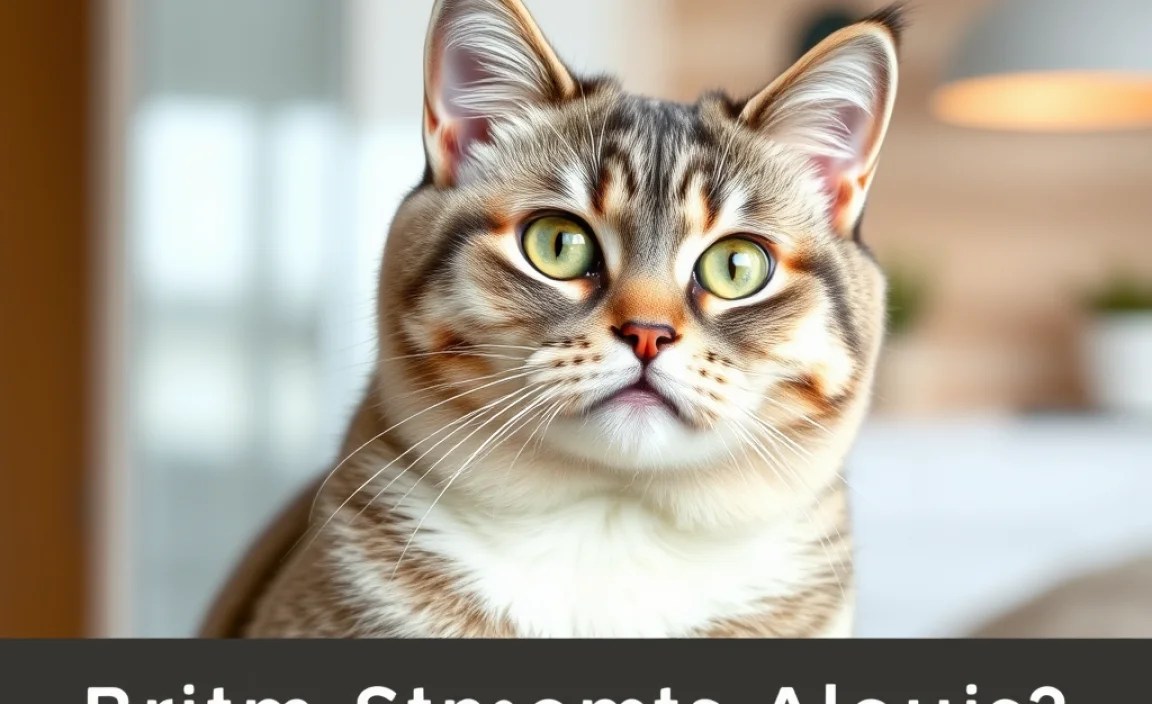
Even with the best efforts, you might encounter some challenges. Here are some common issues and how to address them:
- Hiding: If your cat hides when strangers are around, don’t try to coax them out. Allow them to stay in their safe space until they feel ready to come out.
- Aggression: If your cat becomes aggressive (hissing, swatting, biting) towards strangers, immediately remove the stranger from the situation and consult with a veterinarian or behaviorist.
- Fear: If your cat shows signs of fear (flattened ears, dilated pupils, trembling), provide reassurance and allow them to retreat to their safe space.
Creating a Calm Environment

A calm home environment can significantly contribute to your British Shorthair’s overall well-being and their ability to cope with strangers.
- Consistent routine: Cats thrive on routine. Maintain a consistent feeding schedule, playtime, and bedtime.
- Minimize stress: Reduce loud noises, sudden changes, and other potential stressors in your home.
- Provide enrichment: Offer plenty of toys, scratching posts, and climbing opportunities to keep your cat mentally and physically stimulated.
The Role of Genetics

While socialization and environment play a significant role, genetics can also influence a cat’s temperament. Some British Shorthairs may simply be naturally more reserved or cautious than others. Understanding that your cat’s personality is partly determined by their genes can help you adjust your expectations and approach to training and socialization.
Long-Term Management
Helping your British Shorthair stay calm around strangers is an ongoing process. Consistency and patience are key. Continue to reinforce positive behaviors and provide a safe and supportive environment. Over time, your cat may become more confident and relaxed in the presence of new people.
British Shorthair and Children
British Shorthairs are often good with children, but it’s important to teach kids how to interact with cats respectfully. Children should be taught not to chase, grab, or pull on a cat’s tail. Supervise interactions between children and your British Shorthair to ensure both are comfortable and safe. The Cornell Feline Health Center recommends teaching children to recognize signs of stress in cats and to give them space when needed.
British Shorthair and Other Pets
Generally, British Shorthairs can coexist peacefully with other pets, especially if they are introduced properly. Gradual introductions, separate feeding areas, and plenty of resources (litter boxes, beds, scratching posts) are essential. Make sure each pet has their own safe space to retreat to if they feel overwhelmed.
Senior British Shorthairs and Strangers
As British Shorthairs age, they may become less tolerant of change and more sensitive to stress. Be extra patient and understanding with senior cats when introducing new people into their environment. Provide them with extra comfort and reassurance, and ensure their safe space is easily accessible.
Tools and Products to Help Your British Shorthair
Here are some useful tools and products that can help your British Shorthair feel more comfortable and secure:
- Feliway Diffuser: Releases synthetic feline pheromones to create a calming environment.
- Catnip Toys: Catnip can help to relax and soothe anxious cats.
- Puzzle Feeders: Provide mental stimulation and distract your cat from potential stressors.
- Comfort Zone Calming Collar: A collar that releases pheromones to help calm your cat.
Understanding Cat Body Language
Being able to read your cat’s body language is crucial for understanding how they are feeling and responding to their environment. Here’s a quick guide:
| Body Language | Meaning |
|---|---|
| Ears forward | Alert and interested |
| Ears flattened | Anxious or fearful |
| Dilated pupils | Excited, fearful, or stressed |
| Constricted pupils | Relaxed or content |
| Tail up | Friendly and confident |
| Tail tucked | Fearful or anxious |
| Hissing or growling | Aggressive or defensive |
Travel and Strangers
Traveling with your British Shorthair can be stressful, especially if it involves encountering new people in unfamiliar environments. Here are some tips for making travel easier:
- Use a secure carrier: Make sure your cat’s carrier is comfortable and secure.
- Acclimate to the carrier: Before traveling, get your cat used to the carrier by leaving it out and making it a comfortable space with soft bedding and toys.
- Pheromone spray: Spray the carrier with Feliway before traveling to help calm your cat.
- Bring familiar items: Include familiar bedding, toys, and treats in the carrier to help your cat feel more secure.
When to Seek Professional Help
While many cats can be helped with simple strategies, some may require professional intervention. Consult with a veterinarian or certified cat behaviorist if you notice any of the following:
- Sudden changes in behavior
- Increased aggression or fear
- Loss of appetite
- Lethargy
- Inappropriate elimination
Benefits of a Calm British Shorthair
A calm and well-adjusted British Shorthair is a joy to have around. They are more likely to be affectionate, playful, and relaxed, making them wonderful companions. By investing time and effort into helping your cat feel comfortable around strangers, you are not only improving their quality of life but also strengthening your bond with them.
Here’s a quick recap of the benefits:
- Reduced stress and anxiety for your cat
- Improved social interactions
- Stronger bond between you and your cat
- A more relaxed and enjoyable home environment
Nutrition and Its Impact
A balanced and nutritious diet is essential for your British Shorthair’s overall health and well-being, which can indirectly affect their temperament. Cats that are deficient in certain nutrients may be more prone to anxiety and stress. Consult with your veterinarian to ensure your cat is receiving a high-quality diet that meets their specific needs. Purina offers a range of cat food options formulated to support optimal health and well-being.
Grooming as a Bonding Experience
Regular grooming is not only essential for maintaining your British Shorthair’s beautiful coat but can also be a bonding experience that helps them feel more secure and relaxed. Gentle brushing can help to reduce stress and anxiety, making them more comfortable around you and, by extension, more confident when meeting new people. Start grooming your cat from a young age to help them get used to the process.
FAQ: British Shorthairs and Strangers
Here are some frequently asked questions about British Shorthairs and their behavior around strangers:
- Are British Shorthairs naturally friendly to strangers?
- Not always. They are generally calm but often reserved. Early socialization helps them be more accepting.
- Why does my British Shorthair hide when guests come over?
- Hiding is a natural response to feeling insecure. Provide a safe space and don’t force interaction.
- How can I make my British Shorthair more comfortable with new people?
- Gradual introductions, positive reinforcement (treats, praise), and respecting their boundaries are key.
- Is it normal for my British Shorthair to hiss at strangers?
- Hissing indicates fear or discomfort. Remove the stressor and consult a vet or behaviorist if it’s frequent.
- Can pheromone diffusers really help?
- Yes, Feliway diffusers can create a calming environment and reduce anxiety, making them more relaxed.
- What if my British Shorthair is aggressive towards strangers?
- Seek professional help from a vet or cat behaviorist to address potential underlying issues.
- How important is early socialization?
- Very important. Expose kittens to various people in a positive way to promote confidence.
Conclusion
Helping your British Shorthair feel calm around strangers is a journey that requires patience, understanding, and a commitment to creating a safe and supportive environment. By understanding their temperament, providing early socialization, respecting their boundaries, and using positive reinforcement, you can help your furry friend become more confident and relaxed in the presence of new people. Remember that every cat is unique, and what works for one may not work for another. Be flexible, observant, and always prioritize your cat’s well-being. With time and effort, you can help your British Shorthair thrive and enjoy a happy, stress-free life. So, take these steps, be patient, and enjoy the rewarding bond you’ll build with your beautiful British Shorthair!


