
How British Shorthairs Handle Being Alone: The Secret

Quick Summary: British Shorthairs are known for their independent nature, but they still need companionship. Most can handle being alone for reasonable periods (6-8 hours) if they have enough food, water, toys, and a comfortable environment. However, extended isolation can lead to boredom or stress. Providing interactive toys, scratching posts, and even a cat companion can help them cope when you’re away.
Leaving your British Shorthair alone is a common concern for many owners. You love your feline friend and want to make sure they’re happy and comfortable, even when you’re not at home. It’s natural to wonder how they cope and what you can do to make their time alone more enjoyable. Fortunately, British Shorthairs are generally well-suited to spending time by themselves. In this guide, we’ll explore how these cats handle solitude, offering tips and tricks to keep them content while you’re away. From understanding their temperament to creating an enriching environment, you’ll discover everything you need to know to ensure your British Shorthair thrives, even when flying solo.
Understanding the British Shorthair Temperament

The British Shorthair is known for its calm and adaptable nature, making it a popular choice for families and individuals alike. Understanding their temperament is key to knowing how they handle being alone.
Independent Nature
British Shorthairs are often described as independent cats. Unlike some breeds that demand constant attention, they are usually content with their own company. This independence means they are less likely to suffer from separation anxiety, a common issue in more clingy breeds.
- Self-sufficient: They don’t constantly need human interaction to feel secure.
- Adaptable: They adjust well to changes in routine and environment.
- Low-key: They are generally quiet and relaxed, making them suitable for apartment living.
Affectionate, But Not Needy
While independent, British Shorthairs are also affectionate. They enjoy spending time with their owners but are not overly demanding. They’re more likely to sit near you than on you, offering a sense of companionship without being intrusive.
- Enjoy company: They appreciate your presence and enjoy being in the same room.
- Gentle affection: They show affection through purring, rubbing, and gentle head bumps.
- Not clingy: They don’t typically follow you around the house or meow excessively for attention.
Potential for Boredom
Despite their independence, British Shorthairs can get bored if left alone for too long without stimulation. Boredom can lead to destructive behaviors or depression.
- Need for stimulation: They require toys and activities to keep them mentally and physically engaged.
- Risk of inactivity: They can become lazy and overweight if not provided with enough exercise.
- Behavioral issues: Boredom can manifest as excessive grooming, scratching, or changes in appetite.
How Long Can a British Shorthair Be Left Alone?

Knowing how long your British Shorthair can comfortably be left alone depends on several factors, including their age, health, and personality.
General Guidelines
As a general rule, most adult British Shorthairs can be left alone for 6-8 hours during the day. This aligns with a typical workday. However, kittens and senior cats require more frequent attention and should not be left alone for extended periods.
- Adult cats (1-10 years): 6-8 hours is generally safe.
- Kittens (under 1 year): Limit to 2-4 hours due to feeding and attention needs.
- Senior cats (over 10 years): 4-6 hours, as they may require more frequent monitoring for health issues.
Factors to Consider
Several factors can influence how well your British Shorthair handles being alone:
- Age: Kittens need more frequent meals and attention. Senior cats may have health issues that require monitoring.
- Health: Cats with medical conditions may need more frequent check-ins and medication.
- Personality: Some cats are more independent than others. Anxious cats may struggle with being alone.
- Environment: A stimulating and safe environment can help cats cope better with solitude.
Signs of Distress
It’s important to watch for signs that your British Shorthair is struggling with being alone:
- Excessive meowing: Constant meowing when you’re home could indicate loneliness or anxiety.
- Destructive behavior: Scratching furniture, knocking things over, or other destructive actions.
- Changes in appetite: Eating significantly more or less than usual.
- Litter box issues: Avoiding the litter box or urinating outside of it.
- Excessive grooming: Over-grooming can be a sign of stress or anxiety.
Preparing Your British Shorthair for Alone Time

Proper preparation can make a big difference in how well your British Shorthair handles being alone. Here are some steps you can take to ensure their comfort and well-being.
Creating a Comfortable Environment
A comfortable and safe environment is essential for a happy cat.
- Safe space: Provide a quiet, comfortable space where your cat can retreat if they feel stressed or overwhelmed. This could be a cozy bed, a cat tree, or a quiet room.
- Climate control: Ensure the temperature is comfortable. Cats are sensitive to extreme temperatures.
- Fresh water and food: Always leave out plenty of fresh water and food. Consider using an automatic feeder to dispense food at regular intervals.
- Clean litter box: A clean litter box is essential for your cat’s comfort and hygiene.
Providing Entertainment
Keeping your cat entertained while you’re away can prevent boredom and destructive behaviors.
- Interactive toys: Puzzle toys, treat balls, and automated laser pointers can keep your cat engaged.
- Scratching posts: Provide plenty of scratching posts to satisfy their natural instincts and protect your furniture.
- Window perch: Cats enjoy watching the world outside. A window perch can provide hours of entertainment.
- Rotate toys: Keep things interesting by rotating toys regularly. This prevents your cat from getting bored with the same old things.
Establishing a Routine
Cats thrive on routine. A consistent schedule can help them feel more secure and reduce anxiety.
- Feeding schedule: Feed your cat at the same times each day.
- Playtime: Set aside time each day for interactive play.
- Grooming: Regular grooming sessions can help strengthen your bond and keep your cat’s coat healthy.
- Consistent departure and arrival: Try to leave and return home at roughly the same times each day.
Step-by-Step Guide to Leaving Your British Shorthair Alone

Here’s a step-by-step guide to help you prepare your British Shorthair for alone time:
- Start slowly: If your cat is not used to being alone, start with short periods and gradually increase the time.
- Prepare the environment: Make sure your home is safe, comfortable, and stimulating.
- Provide food and water: Ensure your cat has plenty of fresh water and food.
- Offer entertainment: Leave out interactive toys and ensure there are plenty of scratching opportunities.
- Establish a routine: Stick to a consistent schedule for feeding, playtime, and grooming.
- Monitor your cat’s behavior: Watch for signs of stress or anxiety.
- Adjust as needed: If your cat is struggling, adjust your approach. Consider hiring a pet sitter or asking a friend to check in on them.
Dealing with Separation Anxiety
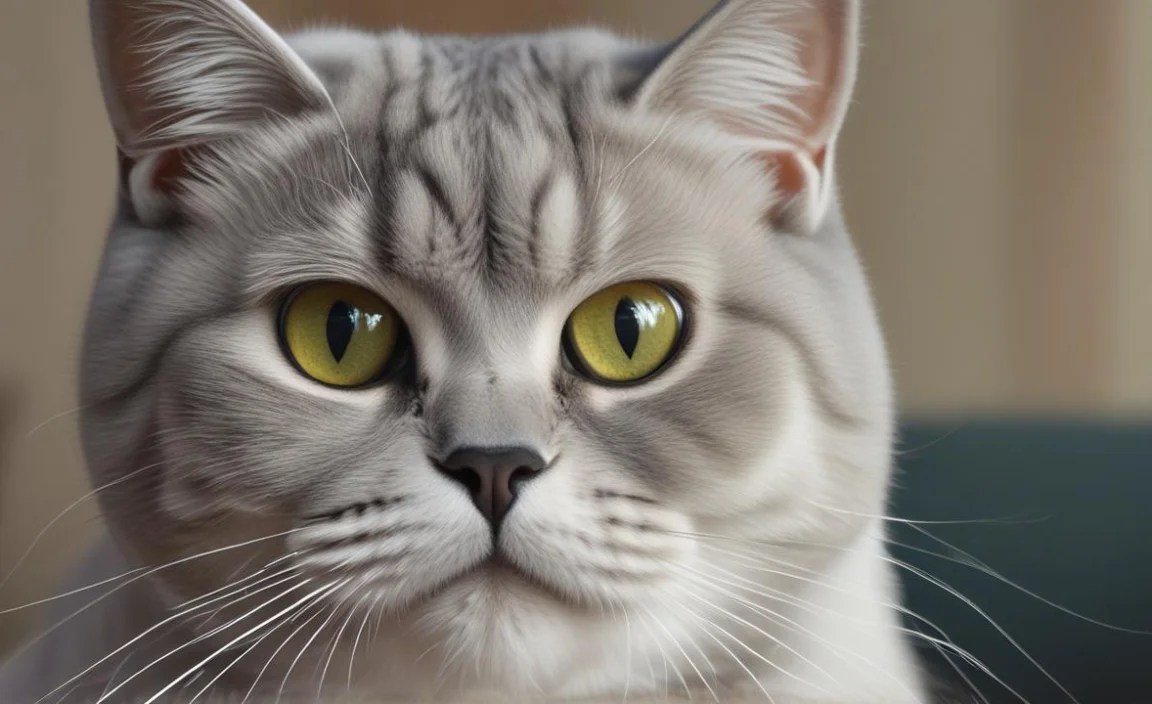
While British Shorthairs are generally independent, some may still experience separation anxiety. Recognizing the signs and taking appropriate action is crucial.
Signs of Separation Anxiety
Common signs of separation anxiety in cats include:
- Excessive vocalization: Meowing, howling, or crying excessively when you leave or are away.
- Destructive behavior: Scratching, chewing, or destroying furniture or other items.
- Inappropriate elimination: Urinating or defecating outside the litter box.
- Excessive grooming: Over-grooming to the point of hair loss or skin irritation.
- Changes in appetite: Refusing to eat or eating excessively.
- Restlessness: Pacing, inability to settle down, or constant alertness.
How to Help an Anxious Cat
If your British Shorthair shows signs of separation anxiety, here are some strategies to help:
- Enrichment: Provide plenty of toys, scratching posts, and climbing opportunities to keep your cat entertained.
- Safe space: Create a comfortable and secure space where your cat can retreat when feeling anxious.
- Pheromone therapy: Use synthetic feline pheromones, such as Feliway, to create a calming environment. These products mimic natural cat pheromones and can help reduce anxiety. You can find these as diffusers, sprays, or collars.
- Desensitization: Gradually expose your cat to your departure cues (e.g., picking up keys, putting on shoes) without actually leaving. This can help reduce their anxiety associated with these triggers.
- Counterconditioning: Pair your departure with something positive, such as a treat or a favorite toy. This can help create a positive association with being alone.
- Professional help: If your cat’s anxiety is severe, consult with a veterinarian or a certified cat behaviorist. They can provide additional guidance and may recommend medication or other treatments.
Enrichment Ideas for Solo Cats
Enrichment is key to a happy, healthy, and well-adjusted British Shorthair. Here’s a table of enriching ideas:
| Enrichment Type | Description | Examples |
|---|---|---|
| Physical | Activities that encourage movement and exercise. | Cat trees, climbing shelves, scratching posts, tunnels. |
| Mental | Activities that stimulate the mind and encourage problem-solving. | Puzzle toys, treat balls, interactive feeders, training sessions. |
| Sensory | Activities that engage the senses. | Catnip toys, window perches, bird feeders outside the window, calming music. |
| Social | Opportunities for interaction with humans or other animals. | Playtime with you, a feline companion, supervised outdoor time. |
| Feeding | Ways to make feeding more engaging. | Slow feeders, hiding food around the house, foraging toys. |
DIY Enrichment Ideas
You don’t need to spend a lot of money to enrich your cat’s environment. Here are some DIY ideas:
- Cardboard box castle: Create a multi-level castle out of cardboard boxes. Cut holes for your cat to climb through and decorate with cat-friendly materials.
- Toilet paper roll treat dispenser: Fold in one end of a toilet paper roll, fill it with treats, and fold in the other end. Let your cat figure out how to open it.
- Sock toy: Fill an old sock with catnip and tie it off. This makes a simple and fun toy for your cat to bat around.
- Window perch: Clear off a space on a windowsill and add a comfortable cushion. This provides a cozy spot for your cat to watch the world outside.
The Benefits of a Second Cat
While British Shorthairs are often content on their own, a feline companion can provide additional social interaction and stimulation. However, introducing a new cat requires careful consideration.
Pros of Having Two Cats
- Companionship: Cats can provide each other with companionship, reducing loneliness and boredom.
- Playtime: Two cats can engage in play together, providing exercise and mental stimulation.
- Socialization: Cats can learn social skills from each other, such as grooming and communication.
- Reduced stress: A feline companion can help reduce stress and anxiety, especially when you’re not home.
Cons of Having Two Cats
- Territorial issues: Cats can be territorial, and introducing a new cat can lead to conflict.
- Increased costs: Owning two cats means double the expenses for food, litter, and vet care.
- Different personalities: Cats have different personalities, and they may not always get along.
- Resource guarding: Cats may compete for resources, such as food, water, and litter boxes.
Introducing a New Cat
If you decide to get a second cat, it’s important to introduce them slowly and carefully.
- Separate spaces: Keep the cats in separate areas of the house initially.
- Scent swapping: Swap bedding and toys between the cats to introduce their scents.
- Supervised visits: Allow short, supervised visits in a neutral area.
- Gradual integration: Gradually increase the amount of time the cats spend together.
- Monitor interactions: Watch for signs of aggression or stress.
- Provide resources: Ensure each cat has its own food, water, litter box, and bed.
Frequently Asked Questions (FAQ)
1. Is it okay to leave my British Shorthair alone all day?
Yes, most adult British Shorthairs can handle being alone for 6-8 hours during the day if they have enough food, water, toys, and a comfortable environment.
2. How do I know if my cat is lonely?
Signs of loneliness include excessive meowing, destructive behavior, changes in appetite, and litter box issues.
3. What are some good toys for cats that are left alone?
Interactive toys like puzzle toys, treat balls, and automated laser pointers are great for keeping cats entertained while you’re away.
4. Should I get a second cat to keep my British Shorthair company?
A second cat can provide companionship, but it’s important to consider the potential for territorial issues and increased costs. Introduce them slowly and carefully.
5. How can I create a comfortable environment for my cat when I’m not home?
Provide a safe space, ensure the temperature is comfortable, leave out plenty of fresh water and food, and keep the litter box clean.
6. What is Feliway, and how can it help my anxious cat?
Feliway is a synthetic feline pheromone that mimics natural cat pheromones and can help reduce anxiety. It comes in diffusers, sprays, and collars.
7. Can kittens be left alone for long periods?
No, kittens require more frequent attention and should not be left alone for more than 2-4 hours. They need regular feeding and socialization.
Conclusion
Leaving your British Shorthair alone is a reality for many owners, but with the right preparation and understanding, you can ensure they remain happy and healthy in your absence. By providing a comfortable environment, plenty of entertainment, and a consistent routine, you can minimize any potential stress or boredom. Remember to watch for signs of anxiety and adjust your approach as needed. Whether it’s investing in interactive toys, considering a feline companion, or seeking professional advice, there are many ways to support your British Shorthair’s well-being when they’re flying solo. With a little planning and care, you can have peace of mind knowing your beloved feline friend is content and thriving, even when you’re not there.


