
Preventing Diabetes in British Shorthairs with Proper Nutrition

Preventing Diabetes in British Shorthairs with Proper Nutrition

The best way to prevent diabetes in your British Shorthair is by feeding them a high-protein, low-carbohydrate diet, controlling their weight, encouraging regular exercise, and scheduling regular vet checkups. This helps maintain stable blood sugar levels and overall health.
Worried about your British Shorthair developing diabetes? You’re not alone. It’s a common concern for us British Shorthair owners. But the good news is, with the right diet and lifestyle, you can significantly reduce your cat’s risk. It’s all about understanding their unique needs and making informed choices.
In this guide, I’ll walk you through the essential steps to prevent diabetes in your beloved British Shorthair. We’ll explore the best nutrition strategies, how to maintain a healthy weight, and the importance of regular vet visits. By the end, you’ll feel confident in providing the best possible care for your furry friend, ensuring a long, happy, and healthy life. Let’s get started!
Understanding Diabetes in British Shorthairs

Diabetes mellitus, often simply called diabetes, is a metabolic disorder where a cat’s body either doesn’t produce enough insulin or can’t use the insulin it produces effectively. Insulin is crucial because it allows glucose (sugar) from the food to enter cells and provide energy. Without enough insulin or with insulin resistance, glucose builds up in the bloodstream, leading to various health problems.
Why British Shorthairs?
While any cat can develop diabetes, some breeds are more predisposed than others. While not definitively proven that British Shorthairs are MORE susceptible, obesity, which is a common issue in the breed, is a major risk factor. Understanding this predisposition is the first step in taking proactive measures.
Risk Factors for Diabetes
Several factors can increase the risk of diabetes in British Shorthairs:
- Obesity: Overweight cats are more likely to develop insulin resistance.
- Age: Diabetes is more common in middle-aged to older cats.
- Diet: High-carbohydrate diets can contribute to insulin resistance.
- Lack of Exercise: Inactivity can lead to weight gain and reduced insulin sensitivity.
- Certain Medications: Some drugs, like corticosteroids, can increase the risk.
The Power of Proper Nutrition

Nutrition plays a pivotal role in preventing diabetes. Choosing the right food can help maintain a healthy weight and stable blood sugar levels.
High-Protein, Low-Carbohydrate Diet
Cats are obligate carnivores, meaning their bodies are designed to thrive on a diet primarily consisting of protein. A high-protein, low-carbohydrate diet closely mimics their natural eating habits and helps prevent blood sugar spikes.
Benefits:
- Helps maintain stable blood sugar levels.
- Supports lean muscle mass.
- Promotes healthy weight management.
What to Look for in Cat Food Labels
Navigating cat food labels can be overwhelming, but here’s what to focus on:
- Protein Source: Look for named meat sources like chicken, turkey, or fish as the first ingredient.
- Carbohydrate Content: Choose foods with low carbohydrate content. Avoid foods with high amounts of grains, corn, and soy.
- Fiber: Moderate fiber content can aid in digestion and help regulate blood sugar.
- Avoid Sugars and Fillers: Steer clear of foods with added sugars, artificial colors, and excessive fillers.
Wet vs. Dry Food
The debate between wet and dry food is ongoing, but for diabetes prevention, wet food often has the edge. Wet food typically contains more protein and fewer carbohydrates than dry food.
Wet Food Advantages:
- Higher moisture content, promoting hydration.
- Generally lower in carbohydrates.
- Often more palatable for picky eaters.
Dry Food Considerations:
- More convenient for storage and feeding.
- Can be more cost-effective.
- If choosing dry food, opt for grain-free, high-protein options.
Portion Control: How Much to Feed
Even the best food can be detrimental if overfed. Portion control is essential for maintaining a healthy weight.
Guidelines:
- Follow the feeding guidelines on the cat food label as a starting point.
- Adjust portions based on your cat’s age, activity level, and overall health.
- Use a measuring cup to ensure accurate portions.
- Divide daily food into multiple small meals to prevent blood sugar spikes.
The Role of Treats
Treats should be given sparingly and should be healthy choices. Avoid treats high in carbohydrates and sugars.
Healthy Treat Options:
- Small pieces of cooked chicken or fish.
- Commercially available high-protein, low-carbohydrate cat treats.
- Freeze-dried meat treats.
Maintaining a Healthy Weight
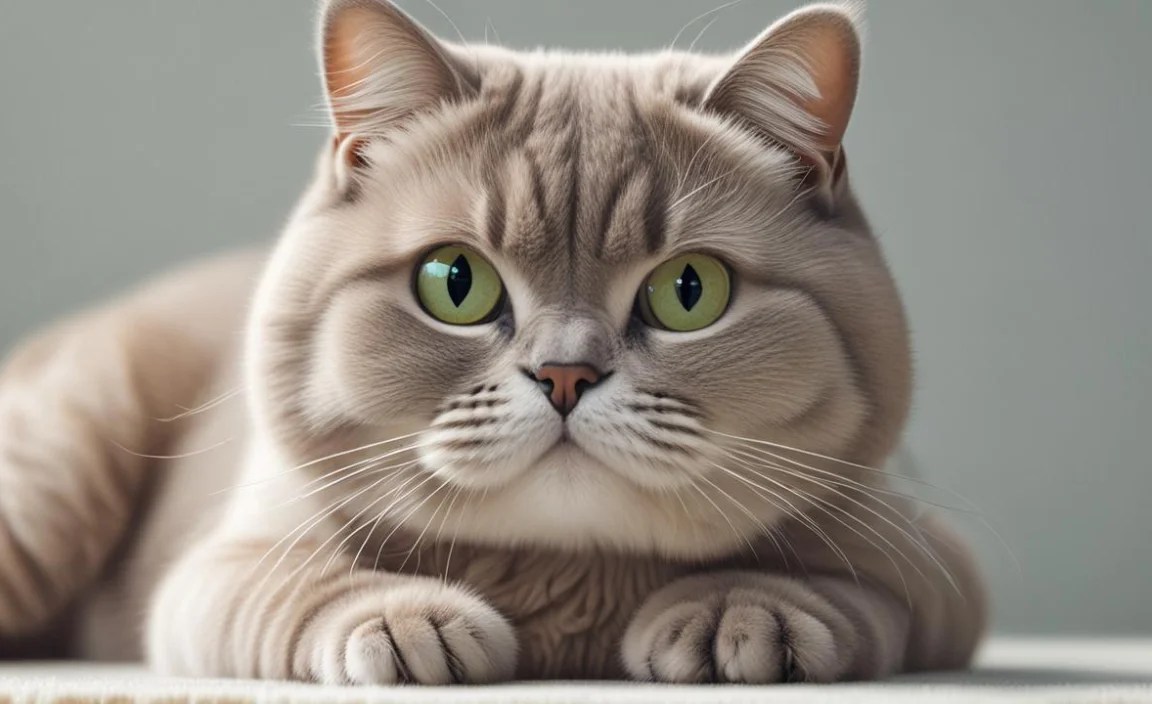
Obesity is a major risk factor for diabetes. Keeping your British Shorthair at a healthy weight is crucial for prevention.
Assessing Your Cat’s Body Condition
Regularly assess your cat’s body condition to identify any weight issues early on. You can use a body condition score chart, which typically ranges from 1 (underweight) to 9 (obese).
Ideal Body Condition:
- You should be able to feel your cat’s ribs easily with a thin layer of fat.
- Your cat should have a visible waist when viewed from above.
- An abdominal tuck should be present when viewed from the side.
Strategies for Weight Management
If your British Shorthair is overweight, implement a weight management plan:
- Gradual Diet Changes: Switch to a high-protein, low-carbohydrate food gradually to avoid digestive upset.
- Portion Control: Reduce daily food intake by a small percentage (e.g., 10-15%) and monitor weight loss.
- Increased Activity: Encourage more playtime and exercise.
Encouraging Regular Exercise
Exercise helps burn calories, maintain muscle mass, and improve insulin sensitivity. Make exercise a fun and regular part of your British Shorthair’s routine.
Playtime Ideas
British Shorthairs may not be as active as some other breeds, but they still need regular exercise. Here are some ideas to get them moving:
- Interactive Toys: Use toys like laser pointers, feather wands, and toy mice to engage their hunting instincts.
- Puzzle Feeders: These toys dispense food as your cat plays, encouraging activity and mental stimulation.
- Climbing Structures: Cat trees and shelves provide opportunities for climbing and exploration.
- Short, Frequent Play Sessions: Aim for multiple short play sessions throughout the day, rather than one long session.
Creating an Active Environment
Make your home an environment that encourages activity:
- Place toys in different locations to encourage exploration.
- Rotate toys regularly to keep your cat interested.
- Provide scratching posts to encourage stretching and scratching.
The Importance of Regular Vet Checkups
Regular veterinary checkups are crucial for early detection and prevention of diabetes. Your vet can monitor your cat’s weight, blood sugar levels, and overall health.
What to Expect During a Checkup
During a routine checkup, your vet will:
- Perform a physical examination.
- Check your cat’s weight and body condition.
- Discuss your cat’s diet and exercise habits.
- Possibly recommend blood and urine tests to check for underlying health issues.
Early Detection and Monitoring
Early detection of diabetes is key to managing the condition effectively. Your vet may recommend regular blood glucose monitoring, especially if your cat is at high risk.
Signs of Diabetes to Watch For:
- Increased thirst and urination.
- Weight loss despite increased appetite.
- Lethargy and weakness.
- Sweet-smelling breath.
If you notice any of these signs, consult your vet immediately.
Supplements That May Help
While diet is the cornerstone of diabetes prevention, certain supplements may offer additional support. Always consult with your veterinarian before adding any supplements to your cat’s diet.
Omega-3 Fatty Acids
Omega-3 fatty acids, found in fish oil, have anti-inflammatory properties and may improve insulin sensitivity.
L-Carnitine
L-Carnitine helps the body use fat for energy, which can aid in weight management and improve metabolic function.
Chromium
Chromium may help regulate blood sugar levels by improving insulin function. However, research on its effectiveness in cats is limited.
Practical Tips for British Shorthair Owners
Here are some practical tips tailored for British Shorthair owners to help prevent diabetes:
- Choose High-Quality Food: Select a premium cat food specifically formulated for indoor cats or those prone to weight gain.
- Monitor Food Intake: British Shorthairs can be prone to overeating, so carefully monitor their food intake and avoid free-feeding.
- Encourage Play: Provide plenty of toys and interactive play sessions to keep them active.
- Regular Grooming: British Shorthairs have thick coats that can mask weight gain, so regular grooming sessions can help you monitor their body condition.
- Scheduled Vet Visits: Stick to a regular schedule of veterinary checkups for early detection of any health issues.
Sample Meal Plan for Diabetes Prevention
Here’s a sample meal plan to give you an idea of what a diabetes-prevention diet might look like. Always adjust based on your cat’s individual needs and consult with your vet.
| Meal | Food | Amount | Notes |
|---|---|---|---|
| Breakfast | High-protein wet food (e.g., chicken or turkey) | 1/4 can (3 oz) | Ensure it’s low in carbohydrates |
| Mid-day Snack | High-protein, low-carb treats | 2-3 small treats | Avoid grain-based treats |
| Dinner | High-protein wet food (e.g., salmon or tuna) | 1/4 can (3 oz) | Supplement with Omega-3 if needed |
| Before Bed | Small portion of dry, grain-free food (optional) | 1/8 cup | Only if necessary to maintain weight |
Common Mistakes to Avoid
Here are some common mistakes that can increase the risk of diabetes in British Shorthairs:
- Free-Feeding: Leaving food out all day can lead to overeating and weight gain.
- Ignoring Weight Gain: Failing to address weight gain early on can lead to more serious health issues.
- Feeding Table Scraps: Human food is often high in carbohydrates and unhealthy fats, which can contribute to diabetes.
- Skipping Vet Visits: Regular vet checkups are essential for monitoring your cat’s health and detecting problems early.
- Lack of Exercise: A sedentary lifestyle can lead to weight gain and reduced insulin sensitivity.
Resources and Further Reading
For more information on diabetes prevention and cat health, check out these resources:
Frequently Asked Questions (FAQ)
1. What are the early signs of diabetes in British Shorthairs?
Early signs include increased thirst and urination, weight loss despite increased appetite, and lethargy.
2. Can diabetes in cats be reversed with diet?
In some cases, yes! With early diagnosis and a strict high-protein, low-carb diet, along with weight management, some cats can achieve diabetic remission. It’s crucial to work closely with your vet.
3. How often should I feed my British Shorthair to prevent diabetes?
Divide your cat’s daily food into multiple small meals (2-3 times a day) to help prevent blood sugar spikes.
4. Is wet food always better than dry food for diabetes prevention?
Generally, wet food is preferable due to its higher protein and lower carbohydrate content. However, high-protein, grain-free dry food can also be a suitable option.
5. How can I encourage my British Shorthair to exercise more?
Use interactive toys like laser pointers and feather wands, provide puzzle feeders, and create a stimulating environment with climbing structures.
6. What should I do if I suspect my cat has diabetes?
Consult your veterinarian immediately for a diagnosis and treatment plan. Early detection is crucial for managing the condition effectively.
7. Are there specific cat food brands that are best for preventing diabetes?
Look for brands that offer high-protein, low-carbohydrate options. Royal Canin, Purina, and Hill’s Science Diet have specialized formulas, but always check the ingredient list to ensure it meets your cat’s needs. Discuss choices with your vet.
Conclusion
Preventing diabetes in your British Shorthair requires a proactive approach focused on proper nutrition, weight management, regular exercise, and veterinary care. By feeding a high-protein, low-carbohydrate diet, maintaining a healthy weight, encouraging regular playtime, and scheduling routine checkups, you can significantly reduce your cat’s risk of developing this condition. Remember, every cat is unique, so work closely with your veterinarian to develop a personalized plan that meets your British Shorthair’s specific needs. With your love and dedication, you can help your furry friend live a long, healthy, and happy life.


