
Vitamins That Prevent Hairballs in British Shorthairs: Secret Weapon!

Quick Summary: Certain vitamins can help prevent hairballs in British Shorthairs. Vitamin E supports skin and coat health, reducing shedding. Omega-3 and Omega-6 fatty acids, often considered vitamins, also minimize shedding and lubricate the digestive tract, aiding hairball passage. Regular grooming and a high-fiber diet are essential complements to vitamin supplementation.
Is your British Shorthair coughing up hairballs? It’s a common concern for us British Shorthair owners! These lovely cats are known for their dense, plush coats, which unfortunately means they’re also prone to developing hairballs. While some hairballs are normal, frequent ones can be uncomfortable for your kitty and even signal underlying health issues.
The good news is that with the right approach, you can significantly reduce hairball formation. In this article, I’ll walk you through the vitamins that can help keep those pesky hairballs at bay, along with other essential care tips to keep your British Shorthair happy and healthy. Let’s dive in!
Understanding Hairballs in British Shorthairs

Before we jump into vitamins, let’s understand why British Shorthairs are so susceptible to hairballs. Their thick, luxurious coat is the main culprit. Like all cats, British Shorthairs groom themselves meticulously. During grooming, they ingest loose hair, which usually passes through their digestive system without a problem. However, because they have such dense fur, they tend to swallow a lot more hair than other breeds.
Sometimes, this ingested hair clumps together in the stomach, forming a hairball. When the hairball becomes too large to pass, your cat will try to get rid of it by coughing it up. While occasional hairballs are normal, frequent episodes can indicate a problem. Common signs of hairballs include:
- Coughing or hacking
- Retching or gagging
- Vomiting (sometimes with hair)
- Lack of appetite
- Constipation
If your British Shorthair experiences these symptoms frequently, it’s time to take action. Let’s explore how vitamins can play a crucial role in preventing hairball formation.
The Role of Vitamins in Hairball Prevention

While no single vitamin can eliminate hairballs completely, certain nutrients can significantly reduce their occurrence. These vitamins work by improving coat health, reducing shedding, and supporting a healthy digestive system.
Vitamin E: The Skin and Coat Champion
Vitamin E is a powerful antioxidant that supports healthy skin and a glossy coat. It helps to nourish the skin, reducing dryness and flakiness, which in turn minimizes excessive shedding. When your cat sheds less, they ingest less hair during grooming, reducing the likelihood of hairball formation.
How Vitamin E Helps:
- Reduces Shedding: By promoting healthy skin, Vitamin E helps to keep hair follicles strong, reducing the amount of loose hair your cat ingests.
- Improves Coat Quality: A healthy, well-nourished coat is less likely to break and shed excessively.
- Antioxidant Properties: Vitamin E protects skin cells from damage, maintaining overall skin health.
How to Incorporate Vitamin E:
- Vitamin E Supplements: You can add Vitamin E supplements to your cat’s diet. Consult with your veterinarian to determine the appropriate dosage.
- Vitamin E-Rich Foods: Look for cat foods that list Vitamin E as an ingredient.
Omega-3 and Omega-6 Fatty Acids: The Dynamic Duo
Often considered “vitamins” in the broader sense of essential nutrients, Omega-3 and Omega-6 fatty acids are crucial for maintaining a healthy coat and digestive system. These fatty acids help to lubricate the digestive tract, making it easier for ingested hair to pass through. They also reduce inflammation and promote healthy skin, minimizing shedding.
How Omega-3 and Omega-6 Fatty Acids Help:
- Reduces Shedding: These fatty acids nourish the skin and coat, reducing dryness and excessive shedding.
- Lubricates Digestive Tract: They help to keep the digestive system running smoothly, allowing hair to pass through more easily.
- Anti-Inflammatory Properties: Omega-3 fatty acids, in particular, have anti-inflammatory effects that can benefit overall health.
How to Incorporate Omega-3 and Omega-6 Fatty Acids:
- Fish Oil Supplements: Fish oil is an excellent source of Omega-3 fatty acids. You can add a small amount to your cat’s food.
- Flaxseed Oil: Flaxseed oil is another good source of Omega-3 fatty acids.
- Omega-Rich Cat Foods: Choose cat foods that are formulated with Omega-3 and Omega-6 fatty acids. Look for ingredients like fish, flaxseed, or sunflower oil.
Other Helpful Nutrients
While Vitamin E, Omega-3 and Omega-6 fatty acids are the key players, other nutrients can also contribute to hairball prevention:
- Vitamin A: Supports skin health and promotes a healthy coat.
- Biotin: A B-vitamin that helps to strengthen hair and nails.
- Fiber: Aids in digestion and helps to move hair through the digestive tract.
Choosing the Right Supplements
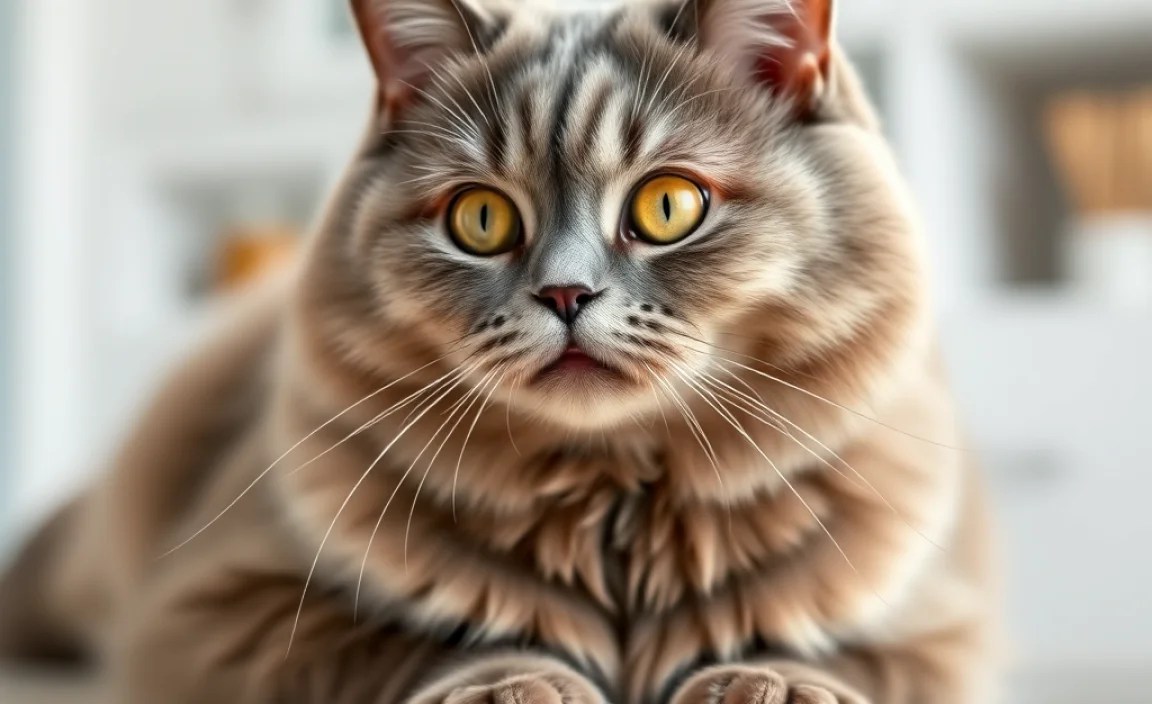
When it comes to supplementing your British Shorthair’s diet, quality is key. Look for supplements that are specifically formulated for cats and that come from reputable manufacturers. Always consult with your veterinarian before starting any new supplement regimen.
Factors to Consider When Choosing Supplements:
- Ingredients: Check the ingredient list to ensure that the supplement contains the vitamins and fatty acids you’re looking for.
- Quality: Choose supplements from reputable brands that have been tested for purity and potency.
- Form: Supplements come in various forms, including capsules, liquids, and chews. Choose a form that is easy for you to administer and that your cat will accept.
- Dosage: Follow the dosage instructions on the supplement label, or as directed by your veterinarian.
Potential Risks of Over-Supplementation:
While vitamins and supplements can be beneficial, it’s important to avoid over-supplementation. Too much of certain vitamins can be harmful to your cat’s health. For example, excessive Vitamin A can lead to liver damage, and too much Vitamin D can cause calcium deposits in the soft tissues. Always follow your veterinarian’s recommendations and never exceed the recommended dosage.
The Importance of a Balanced Diet

Vitamins and supplements are most effective when they are part of a balanced diet. Choose a high-quality cat food that is formulated to meet the nutritional needs of British Shorthairs. Look for foods that contain a good balance of protein, carbohydrates, and fats, as well as essential vitamins and minerals. Some cat foods are specifically formulated to help reduce hairballs.
Key Dietary Considerations:
- High-Quality Protein: Protein is essential for maintaining healthy skin and a strong coat.
- Healthy Fats: Fats provide energy and help to keep the skin and coat moisturized.
- Fiber: Fiber aids in digestion and helps to move hair through the digestive tract.
- Limited Fillers: Avoid foods that are high in fillers, such as corn, wheat, and soy. These ingredients offer little nutritional value and can be difficult for cats to digest.
Beyond Vitamins: Other Hairball Prevention Strategies

While vitamins can play a significant role in hairball prevention, they are most effective when combined with other strategies.
Regular Grooming
Regular grooming is one of the most effective ways to reduce hairball formation. By brushing your British Shorthair regularly, you can remove loose hair before your cat has a chance to ingest it. Aim to brush your cat at least a few times a week, and daily during shedding season.
Grooming Tips:
- Use the Right Tools: Invest in a good quality brush that is designed for cats with thick fur.
- Be Gentle: Brush your cat gently to avoid irritating their skin.
- Focus on Problem Areas: Pay extra attention to areas where your cat tends to shed the most, such as the back and belly.
High-Fiber Diet
A high-fiber diet can help to move hair through the digestive tract more efficiently. Fiber adds bulk to the stool, which helps to push hair along. Look for cat foods that contain a good source of fiber, such as beet pulp or psyllium.
How Fiber Helps:
- Adds Bulk to Stool: Fiber helps to create a larger, more solid stool, which can help to push hair through the digestive tract.
- Stimulates Intestinal Movement: Fiber helps to stimulate the muscles in the intestines, which can help to move hair along.
Hairball Remedies
In addition to vitamins and a high-fiber diet, there are a variety of hairball remedies that can help to prevent and treat hairballs. These remedies typically work by lubricating the digestive tract, making it easier for hair to pass through.
Common Hairball Remedies:
- Hairball Gels: These gels contain lubricants that help to coat the hair and make it easier to pass through the digestive tract.
- Hairball Treats: These treats contain a combination of lubricants and fiber to help prevent hairballs.
- Petroleum Jelly: A small amount of petroleum jelly can be given orally to help lubricate the digestive tract. However, use this sparingly, as it can interfere with nutrient absorption.
Encourage Hydration
Proper hydration is essential for overall health and can also help to prevent hairballs. When your cat is well-hydrated, their digestive system functions more efficiently, making it easier for hair to pass through. Make sure your cat always has access to fresh, clean water. You can also encourage hydration by feeding wet food or adding water to dry food.
Tips for Encouraging Hydration:
- Provide Fresh Water: Change your cat’s water at least once a day to keep it fresh and appealing.
- Use a Water Fountain: Some cats prefer to drink from a water fountain, as the moving water is more appealing.
- Feed Wet Food: Wet food has a higher moisture content than dry food, which can help to increase your cat’s water intake.
- Add Water to Dry Food: You can add a small amount of water to your cat’s dry food to increase its moisture content.
When to See a Veterinarian
While hairballs are a common problem in British Shorthairs, it’s important to know when to seek veterinary care. If your cat is experiencing frequent or severe hairballs, or if they are exhibiting other symptoms such as vomiting, diarrhea, or loss of appetite, it’s important to consult with your veterinarian. These symptoms could indicate an underlying health problem that needs to be addressed.
Signs That Warrant a Vet Visit:
- Frequent or severe hairballs
- Vomiting (especially if it contains blood)
- Diarrhea
- Loss of appetite
- Lethargy
- Constipation
Your veterinarian can perform a thorough examination to determine the cause of your cat’s symptoms and recommend the appropriate treatment.
Practical Tips for British Shorthair Owners
Here’s a quick reference table summarizing the key vitamins, their benefits, and how to incorporate them into your British Shorthair’s diet:
| Vitamin/Nutrient | Benefits | How to Incorporate |
|---|---|---|
| Vitamin E | Reduces shedding, improves coat quality, antioxidant | Supplements, Vitamin E-rich cat foods |
| Omega-3 & Omega-6 Fatty Acids | Reduces shedding, lubricates digestive tract, anti-inflammatory | Fish oil supplements, flaxseed oil, Omega-rich cat foods |
| Vitamin A | Supports skin health, promotes a healthy coat | Balanced cat food, supplements (as directed by vet) |
| Biotin | Strengthens hair and nails | Balanced cat food, supplements (as directed by vet) |
Here’s a simple, actionable checklist to help you prevent hairballs in your British Shorthair:
- Regular Grooming: Brush your cat 2-3 times a week, daily during shedding season.
- Balanced Diet: Choose a high-quality cat food with good protein, healthy fats, and fiber.
- Vitamin Supplements: Consider Vitamin E and Omega-3/6 supplements after consulting your vet.
- Hydration: Ensure fresh water is always available; consider wet food.
- Hairball Remedies: Use hairball gels or treats as needed.
- Monitor: Watch for signs of frequent hairballs or other health issues.
- Vet Check-ups: Regular vet visits to catch any underlying issues early.
Frequently Asked Questions
1. Are hairballs normal for British Shorthairs?
Yes, occasional hairballs are normal due to their dense fur, but frequent hairballs can indicate a problem that needs attention.
2. Can I give my cat human vitamins for hairball prevention?
No, human vitamins are not formulated for cats and can be harmful. Always use supplements specifically designed for cats and consult with your veterinarian.
3. How often should I groom my British Shorthair to prevent hairballs?
Aim to groom your British Shorthair at least 2-3 times a week, and daily during shedding season to remove loose hair.
4. What are the signs of a serious hairball problem?
Signs include frequent vomiting, diarrhea, loss of appetite, lethargy, and constipation. If you notice these symptoms, consult your veterinarian.
5. Can a high-fiber diet really help with hairballs?
Yes, a high-fiber diet can help to move hair through the digestive tract more efficiently, reducing the likelihood of hairball formation.
6. Are hairball gels safe for long-term use?
Hairball gels are generally safe for occasional use, but long-term use should be discussed with your veterinarian, as they can sometimes interfere with nutrient absorption.
7. How can I tell if my cat food is high-quality?
Look for cat foods that list a specific meat source as the first ingredient, have a good balance of protein, fats, and carbohydrates, and avoid excessive fillers like corn, wheat, and soy.
Conclusion
Preventing hairballs in your British Shorthair involves a multi-faceted approach. While vitamins like Vitamin E, Omega-3, and Omega-6 fatty acids play a crucial role in maintaining a healthy coat and digestive system, they are most effective when combined with regular grooming, a high-fiber diet, and adequate hydration. By understanding your cat’s unique needs and implementing these strategies, you can significantly reduce the occurrence of hairballs and keep your British Shorthair happy and healthy.
Remember, every cat is different, so it’s essential to tailor your approach to your individual cat’s needs. Always consult with your veterinarian before making significant changes to your cat’s diet or supplement regimen. With a little bit of care and attention, you can help your British Shorthair live a long, healthy, and hairball-free life.


