
Boost British Shorthair Lifespan: Know Emergency Care!

Have you ever wondered how long a cat can live? Do you love British Shorthairs? These fluffy cats are popular pets. Their lives can be long and happy. But, owner knowledge of emergency care matters. It can affect a British Shorthair lifespan. Knowing what to do in an emergency is key.
Key Takeaways
- Owner knowledge of emergency care can significantly impact a British Shorthair lifespan.
- Quick action during emergencies can save your cat’s life and improve its health.
- Regular vet checkups are crucial for detecting health problems early on.
- A healthy diet and exercise help British Shorthairs live longer, happier lives.
- Learning basic pet first aid can make you a better, more prepared cat owner.
How Emergency Care Affects Lifespan

Do you know what to do if your cat gets hurt? British Shorthair lifespan can depend on it. Imagine your cat eats something poisonous. You need to act fast. Knowing basic first aid can save its life. It is important to recognize the signs of illness. These cats sometimes hide when they don’t feel well. Owners who pay close attention can catch problems early. Early treatment can prevent serious issues. This all adds up to a longer, healthier life for your furry friend. Being prepared makes a big difference. Make sure you learn the important steps. It will help you keep your cat safe and sound. You can take a class. Or read about cat care online. The more you know, the better you can protect your cat.
- Learn basic cat first aid.
- Recognize signs of illness.
- Act quickly in emergencies.
- Keep emergency vet contact info handy.
- Regular vet visits matter a lot.
Why Quick Action Is Important
Imagine your cat is choking. Every second counts. Knowing how to help can save its life. It is important to stay calm. Then, you can think clearly. You need to know the right steps. Some emergencies need a vet right away. Waiting too long can make things worse. British Shorthairs are prone to certain health issues. Heart problems are one example. Knowing this helps you watch for symptoms. Being ready to act fast can make a big difference. It can change the outcome for your cat. Preparing for emergencies is part of being a good owner. Your quick action can give your cat a better chance.
First Aid Skills for Cat Owners
What if your cat gets a cut? You need to clean it well. Then, you should stop the bleeding. A simple first aid kit is very useful. It should include bandages and antiseptic. Knowing how to use these items is key. You can learn from a vet or a class. Some online resources are helpful, too. Knowing these skills builds confidence. It also helps you care for your cat. It makes you feel more prepared. This knowledge is valuable for all pet owners. Your cat will thank you for it. Being able to help in small ways matters.
Recognizing Common Cat Emergencies
Does your cat seem different lately? Maybe it is not eating. Or it is hiding more than usual. These can be signs of a problem. Vomiting and diarrhea are also red flags. Difficulty breathing is a serious emergency. So is any sign of pain. If you see these signs, call your vet. It is always better to be safe than sorry. Trust your instincts. You know your cat best. If something seems wrong, get help. It is important for your cat’s health. It can also improve its lifespan.
Owner knowledge of emergency care is very important. It helps you keep your cat healthy. It also gives you peace of mind. Knowing you can handle emergencies makes a difference. It can also add years to your cat’s life.
Fun Fact or Stat: Did you know that cats can purr at the same frequency as a healing vibration?
Breed-Specific Health Issues and Lifespan

British Shorthairs are a special breed. They have unique health needs. Some are prone to heart disease. This can shorten their lifespan. Knowing this helps you be proactive. Regular vet checkups are important. Your vet can check for early signs of disease. They can also recommend a healthy diet. Weight control is also crucial. British Shorthairs can become overweight. This can lead to other health problems. Exercise is important, too. Make sure your cat gets enough playtime. A healthy lifestyle can extend its life. It is important to be informed. You can talk to your vet about specific risks. This helps you give your cat the best care possible. A happy, healthy cat means a longer life.
- Heart disease can affect lifespan.
- Weight control is very important.
- Regular vet checkups are a must.
- Exercise keeps them healthy.
- Know the breed’s health risks.
- Feed them a healthy diet.
Heart Disease in British Shorthairs
Has your cat been coughing more lately? Or does it seem tired? These can be signs of heart disease. It is important to get it checked out. Heart disease can be managed with medicine. Early detection is key. Your vet will listen to your cat’s heart. They may also do an ultrasound. This helps them see the heart clearly. If heart disease is found, don’t panic. Many cats live long lives with treatment. Following your vet’s advice is important. This will help your cat stay healthy and happy. Regular checkups are the best way to catch problems early.
The Importance of Weight Management
Imagine trying to run with extra weight. It is hard, right? It is the same for cats. Being overweight puts stress on their bodies. It can lead to diabetes and joint problems. These can shorten their lifespan. You can help your cat stay slim. Measure its food carefully. Don’t give too many treats. Make sure it gets plenty of exercise. Playtime is a great way to burn calories. A healthy weight makes a big difference. It helps your cat live longer and feel better. Talk to your vet about the best diet for your cat.
Genetic Predispositions and Testing
Did you know that some diseases are passed down? This is true for cats, too. Genetic testing can help identify risks. It can tell you if your cat is prone to certain problems. This information is useful. It helps you make informed decisions. You can take steps to prevent disease. Talk to your vet about genetic testing. It might be right for your cat. Knowing the risks allows you to plan ahead. It can improve your cat’s chances for a long, healthy life.
Knowing about breed-specific issues is key. It can help improve your cat’s life. Owner knowledge of emergency care is also important. Together, they make a big difference.
Fun Fact or Stat: British Shorthairs are one of the oldest cat breeds in England!
Creating a Safe Home Environment
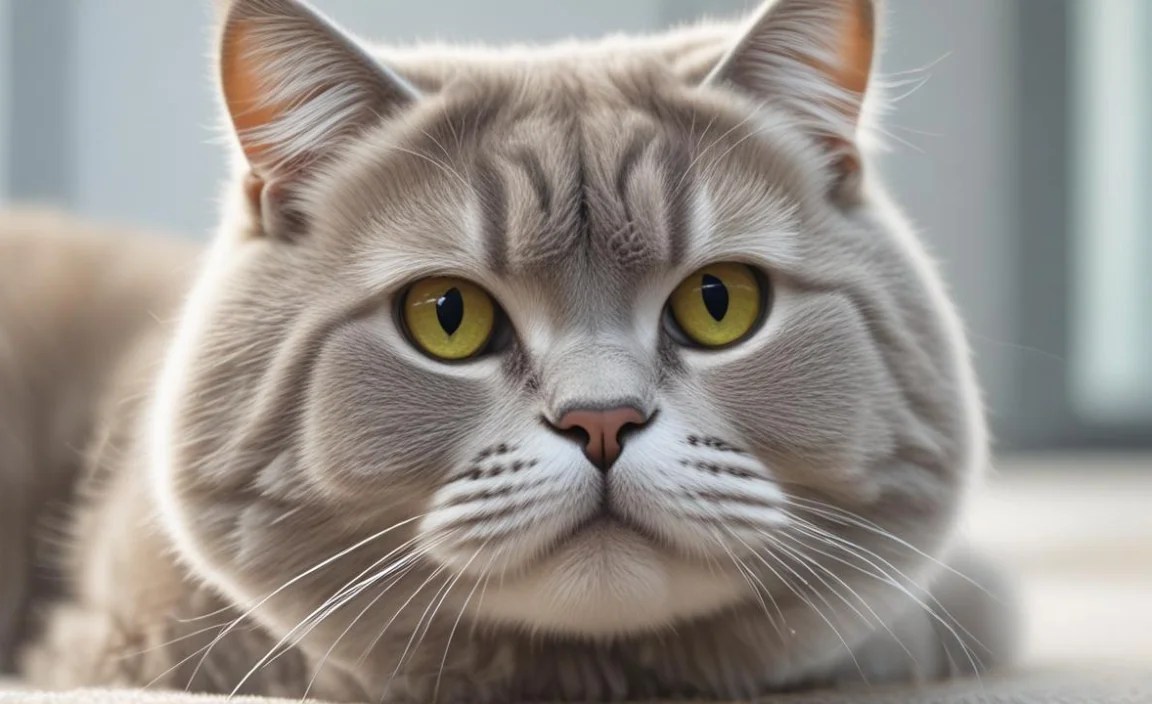
A safe home is a happy home for your cat. British Shorthair lifespan can be affected by their surroundings. Make sure there are no dangers around. Keep cleaning supplies out of reach. Some plants are poisonous to cats. Be sure to remove them. Electrical cords can be a hazard. Cats sometimes chew on them. Secure loose cords. Windows and balconies need to be safe. Cats can fall if they are not careful. A safe home prevents accidents. It also reduces stress for your cat. A calm cat is a healthier cat. This contributes to a longer life. Creating a safe space is part of being a good owner. It shows you care about your cat’s well-being.
- Secure electrical cords.
- Remove poisonous plants.
- Keep cleaning supplies locked away.
- Make sure windows are secure.
- Provide a safe outdoor space.
- Create a stress-free environment.
Protecting Against Household Toxins
Imagine your cat drinks something poisonous. It can get very sick quickly. Many household items are toxic to cats. Cleaning products are a common danger. So are some medications. Even certain foods can be harmful. Keep these things out of reach. Store them in locked cabinets. Be careful when using chemicals. Make sure your cat is not in the area. If you think your cat has ingested something toxic, call the vet right away. Time is of the essence. Protecting your cat from toxins is crucial. It keeps them safe and healthy.
Preventing Falls and Other Accidents
Cats love to explore. They often climb on high places. This can be dangerous. Falls can cause serious injuries. Make sure your windows and balconies are secure. Use screens or netting to prevent falls. Keep furniture away from windows. This prevents cats from climbing too high. Be aware of potential hazards around the house. Cover sharp edges. Secure loose rugs. A safe environment reduces the risk of accidents. It helps your cat stay safe and sound.
Creating a Stress-Free Atmosphere
Is your home noisy and chaotic? This can stress your cat. Cats need a calm environment. Provide them with a quiet space. A cozy bed or a hidden corner works well. Avoid sudden loud noises. Keep interactions gentle and predictable. Use calming pheromone diffusers. These can help reduce anxiety. A stress-free atmosphere improves your cat’s well-being. It helps them relax and feel secure. A happy cat is a healthy cat. This can extend their lifespan.
A safe home is essential. It helps your cat thrive. Owner knowledge of emergency care is also important. Together, they create a healthy life.
Fun Fact or Stat: British Shorthairs are known for their calm and affectionate nature!
The Role of Diet and Exercise

What do you eat to stay healthy? Cats also need good food. British Shorthair lifespan depends on diet and exercise. Choose high-quality cat food. Look for one with real meat. Avoid foods with fillers and artificial ingredients. Feed your cat the right amount. Overfeeding can lead to weight gain. Provide fresh water at all times. Exercise is also important. Play with your cat every day. Use toys to encourage activity. A healthy diet and exercise keep your cat fit. They also prevent many health problems. This can help your cat live longer. Proper nutrition and activity are key to a healthy life.
- Choose high-quality cat food.
- Feed the right amount.
- Provide fresh water daily.
- Play with your cat regularly.
- Use toys to encourage activity.
- Avoid overfeeding and treats.
Choosing the Right Cat Food
Do you read the labels on your food? You should do the same for your cat. Look for cat food with real meat as the first ingredient. Avoid foods with corn, wheat, and soy. These are often used as fillers. They don’t provide much nutrition. Choose a food that is appropriate for your cat’s age. Kittens need different food than adult cats. Senior cats have special needs, too. Talk to your vet about the best food for your cat. They can recommend a diet that meets its specific needs.
Encouraging Physical Activity
Imagine sitting inside all day. You would get bored, right? Cats need exercise, too. It keeps them physically and mentally stimulated. Play with your cat using toys. Feather wands and laser pointers are great choices. Provide climbing structures. Cats love to climb and explore. Rotate the toys to keep things interesting. A few minutes of playtime each day makes a big difference. It helps your cat stay fit and happy.
The Importance of Hydration
Do you drink enough water each day? Water is essential for life. It is just as important for cats. Make sure your cat always has fresh water. Some cats prefer running water. A pet fountain can encourage them to drink more. Wet food also helps with hydration. It contains more moisture than dry food. Watch for signs of dehydration. These include sunken eyes and dry gums. If you notice these signs, call your vet. Staying hydrated is key to good health.
Diet and exercise go hand in hand. They contribute to a longer life. Owner knowledge of emergency care is also crucial. Together, they ensure your cat’s well-being.
Fun Fact or Stat: Cats can jump up to six times their height!
Regular Veterinary Checkups
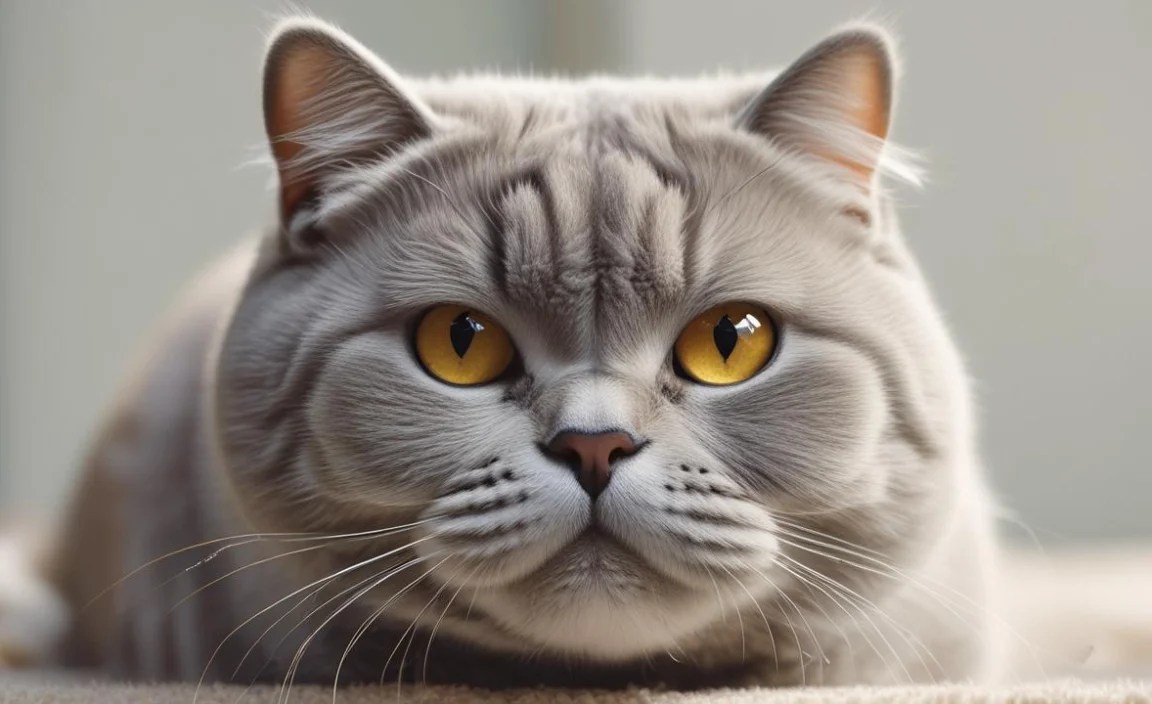
Do you go to the doctor for checkups? Cats need them, too. Regular vet visits are very important. They can improve British Shorthair lifespan. Vets can catch problems early. They can also provide preventive care. Vaccinations protect against diseases. Parasite control keeps your cat healthy. Dental care is also crucial. Regular checkups can prevent serious issues. They help your cat live a longer, healthier life. Don’t skip these appointments. They are an investment in your cat’s well-being. Finding health problems early is always better.
- Schedule annual vet visits.
- Get vaccinations and boosters.
- Use parasite control regularly.
- Take care of dental health.
- Discuss any concerns with your vet.
- Follow your vet’s recommendations.
Vaccinations and Preventive Care
Imagine getting sick from a preventable disease. Vaccinations protect against this. They are important for cats. They prevent serious illnesses. Rabies and distemper are common examples. Your vet will recommend a vaccination schedule. Follow it closely. Parasite control is also crucial. Fleas, ticks, and worms can cause problems. Use preventive medications regularly. These protect your cat from parasites. Vaccinations and parasite control are key to good health.
Early Detection of Health Issues
Has your cat been acting differently lately? Don’t ignore it. Early detection is key. It can make a big difference. Vets can identify problems before they become serious. They can perform blood tests and physical exams. These help them find hidden issues. If you notice any changes in your cat’s behavior, call your vet. Don’t wait until it gets worse. Early treatment is often more effective. It can also save your cat’s life.
Dental Health and Its Impact
Do you brush your teeth every day? Cats need dental care, too. Dental disease is very common in cats. It can lead to pain and infection. It can also affect their overall health. Brush your cat’s teeth regularly. Use a special cat toothbrush and toothpaste. Provide dental chews to help clean their teeth. Schedule regular dental cleanings with your vet. Good dental health is important for a long, healthy life.
Regular vet visits are a must. They help your cat stay healthy. Owner knowledge of emergency care is also vital. Together, they ensure a happy life.
Fun Fact or Stat: Cats have 30 teeth as adults!
Understanding Cat CPR and First Aid
Can you help your cat in an emergency? Learning CPR and first aid is crucial. British Shorthair lifespan can depend on it. Imagine your cat stops breathing. Knowing CPR can save its life. You can learn these skills from a vet or a class. There are also online resources. First aid kits are very useful. They should include bandages and antiseptic. Knowing how to use these items is key. Being prepared makes a big difference. It gives you confidence in an emergency. It also improves your cat’s chances of survival.
- Learn cat CPR techniques.
- Assemble a cat first aid kit.
- Know how to stop bleeding.
- Learn how to treat burns.
- Understand how to help a choking cat.
- Know when to seek immediate vet care.
Performing Cat CPR
Imagine your cat is not breathing. You need to act fast. Check for a pulse. If there is no pulse, start CPR. Place your cat on its side. Give chest compressions. Use two fingers to compress the chest. Do this about 100-120 times per minute. Give rescue breaths. Cover the cat’s nose and mouth with your mouth. Breathe gently into its lungs. Continue CPR until your cat starts breathing. Or until you reach the vet. CPR can be life-saving. Knowing how to do it is crucial.
Treating Wounds and Bleeding
What if your cat gets a cut? Clean the wound with antiseptic. Stop the bleeding with pressure. Use a clean cloth or bandage. Apply pressure for several minutes. If the bleeding does not stop, see a vet. For small cuts, apply antibiotic ointment. Cover the wound with a bandage. Change the bandage daily. Watch for signs of infection. These include redness and swelling. Treating wounds properly prevents complications.
Helping a Choking Cat
Is your cat choking? Act quickly. Look in its mouth. See if you can see the object. If you can, try to remove it. If you cannot see the object, perform the Heimlich maneuver. Hold your cat upside down. Place your fist below its ribcage. Thrust upward several times. This may dislodge the object. If that doesn’t work, see a vet immediately. Choking is a serious emergency. Quick action can save your cat’s life.
Knowing CPR and first aid is essential. It helps you protect your cat. Owner knowledge of emergency care is also vital. Together, they ensure a long life.
Fun Fact or Stat: A cat’s heart beats twice as fast as a human’s heart!
The Impact of a Loving Environment
Do you love your cat? A loving home is important. It can improve British Shorthair lifespan. Cats need attention and affection. Spend time with your cat each day. Play with it, groom it, and cuddle it. Provide a comfortable bed. Give it plenty of toys. A loving environment reduces stress. It also strengthens the bond between you and your cat. A happy cat is a healthy cat. This contributes to a longer life. Showing your cat love is the best thing you can do.
- Spend quality time with your cat.
- Provide a comfortable bed.
- Give plenty of toys.
- Groom your cat regularly.
- Show affection and love.
- Create a stable and predictable routine.
Providing Mental Stimulation
Imagine being bored all the time. It would be no fun, right? Cats need mental stimulation. It keeps their minds active. Provide puzzle toys. These challenge them to solve problems. Rotate the toys regularly. This keeps things interesting. Teach your cat tricks. This is a great way to bond. It also provides mental exercise. A stimulated cat is a happy cat. This improves its overall well-being.
The Benefits of Grooming
Do you brush your hair every day? Cats need grooming, too. It helps remove loose fur. It also prevents mats and tangles. Grooming is a great way to bond with your cat. Most cats enjoy being brushed. Use a soft brush. Be gentle. Grooming also helps distribute natural oils. This keeps their coat healthy and shiny. Regular grooming is good for their health and happiness.
Strengthening the Human-Animal Bond
Is your cat your best friend? The bond between humans and animals is special. It provides companionship and support. Spend time with your cat each day. Talk to it. Play with it. Cuddle it. These activities strengthen your bond. A strong bond reduces stress for both of you. It also improves your cat’s overall well-being. A loving home is the best gift you can give your cat.
A loving environment is essential. It helps your cat thrive. Owner knowledge of emergency care is also important. Together, they create a happy life.
Fun Fact or Stat: Cats can recognize your voice!
Summary
British Shorthair lifespan can be long and happy. It depends on many things. Owner knowledge of emergency care is very important. You need to know what to do if your cat gets hurt. Quick action can save its life. Regular vet checkups are also crucial. They help catch problems early. A healthy diet and exercise are key. They keep your cat fit and strong. A safe home environment prevents accidents. A loving home provides comfort and security. All of these things contribute to a longer, healthier life for your cat. Being a responsible owner means being prepared.
Conclusion
A British Shorthair can live a long, full life. You must give it the right care. This includes a safe home and healthy food. Regular vet visits are a must. You should also know basic first aid. Owner knowledge of emergency care can make a big difference. With love and attention, your cat can be a happy companion for many years.
Frequently Asked Questions
Question No 1: How long do British Shorthairs usually live?
Answer: British Shorthairs typically live between 12 and 17 years. Some may even live longer with proper care. Genetics, diet, and lifestyle play a big role. Regular vet checkups are important. Early detection of health issues can extend their lifespan. Providing a loving and safe environment is also crucial. Remember that owner knowledge of emergency care contributes significantly to their well-being and longevity. Being prepared for unexpected situations is a key aspect of responsible pet ownership, ensuring your furry friend enjoys a long, healthy, and happy life by your side.
Question No 2: What are some common health problems in British Shorthairs?
Answer: British Shorthairs are prone to certain health issues. These include heart disease and kidney problems. They can also develop polycystic kidney disease (PKD). This is a genetic condition. Regular vet checkups can help detect these problems early. Weight management is also important. British Shorthairs can become overweight, which can lead to other health issues. Knowing the breed’s predispositions and taking preventive measures is key to ensuring a healthy and long life for your feline companion. Early detection and proper care are essential for managing these conditions and improving your cat’s overall well-being.
Question No 3: How can I create a safe home environment for my British Shorthair?
Answer: Creating a safe home involves several steps. First, remove any poisonous plants. Secure electrical cords to prevent chewing. Keep cleaning supplies and medications out of reach. Make sure windows and balconies are secure. Provide a comfortable and quiet space for your cat to relax. A stress-free environment contributes to their overall well-being. Owner knowledge of emergency care also plays a role. Being prepared for accidents and knowing basic first aid can help protect your cat from harm. By taking these precautions, you can create a safe and secure environment for your furry friend.
Question No 4: What should I include in a cat first aid kit?
Answer: A cat first aid kit should include several essential items. These include bandages, antiseptic wipes, and gauze pads. You should also have antibiotic ointment and a pet thermometer. Include tweezers for removing splinters or ticks. A small pair of scissors is useful for cutting bandages. Also, keep a copy of your vet’s contact information in the kit. Owner knowledge of emergency care is crucial. Knowing how to use these items can help you provide immediate care in case of an accident or injury. Being prepared with a well-stocked first aid kit can make a significant difference in an emergency situation.
Question No 5: How important is dental care for British Shorthairs?
Answer: Dental care is very important for British Shorthairs. Dental disease is common in cats. It can lead to pain, infection, and other health problems. Brush your cat’s teeth regularly with a pet-specific toothpaste. Provide dental chews to help clean their teeth. Schedule regular dental cleanings with your vet. Good dental hygiene contributes to their overall health and well-being. It can also prevent more serious health issues down the line. Neglecting dental care can shorten their lifespan and impact their quality of life. Remember, owner knowledge of emergency care includes recognizing signs of dental problems and seeking prompt veterinary attention.
Question No 6: How can I encourage my British Shorthair to exercise?
Answer: Encouraging exercise is important for maintaining a healthy weight. Provide plenty of toys, such as feather wands and laser pointers. These encourage your cat to chase and pounce. Create climbing structures or cat trees. These allow them to climb and explore. Rotate the toys regularly to keep things interesting. Schedule regular playtime sessions each day. Even a few minutes of activity can make a big difference. A healthy weight contributes to a longer lifespan. Making playtime fun and engaging is key to keeping your British Shorthair active and healthy. Owner knowledge of emergency care also includes ensuring they don’t overexert themselves during play, preventing potential injuries.


