
British Shorthair Temperament Myths: The Ultimate Truth

Quick Summary:
Many believe British Shorthairs are aloof and independent, but that’s often a myth! While they aren’t usually lap cats, they’re known for being affectionate and loyal companions. They enjoy being near their owners and will often follow you from room to room. With the right environment and early socialization, they become playful, friendly, and adaptable cats, perfect for families and individuals alike.
Are you thinking about bringing a British Shorthair into your home? Or maybe you already have one and are wondering if their behavior matches what you’ve heard about the breed? It’s easy to get caught up in common misconceptions about their temperament. Many people think they’re cold and distant, but that’s often far from the truth!
Understanding the real personality of a British Shorthair can make all the difference in creating a happy home for both you and your furry friend. In this guide, we’ll explore those myths, uncover the facts, and give you practical tips to nurture a loving bond with your British Shorthair. Let’s get started!
British Shorthair Temperament Myths: Debunked!

Let’s address some of the most common misconceptions about the British Shorthair temperament.
Myth 1: British Shorthairs Are Aloof and Unaffectionate
One of the biggest misconceptions is that British Shorthairs are aloof and don’t enjoy human interaction. While they aren’t as demanding as some breeds, they form strong bonds with their families.
- The Reality: British Shorthairs are known for their gentle and calm nature. They show affection in subtle ways, such as:
- Following you around the house
- Sitting near you
- Enjoying gentle petting
- Why the Myth Persists: They are not overly clingy and don’t always seek constant attention. This independence is often mistaken for aloofness.
Myth 2: British Shorthairs Are Not Playful
Some people believe that British Shorthairs are lazy and don’t like to play. While they aren’t as hyperactive as some breeds, they do enjoy playtime, especially during their younger years.
- The Reality: British Shorthairs enjoy interactive games and toys.
- They love chasing laser pointers.
- They enjoy playing with puzzle toys.
- They like batting around small balls.
- Why the Myth Persists: They have a more relaxed demeanor. Regular play sessions are important to keep them active and engaged.
Myth 3: British Shorthairs Don’t Like to Be Held
It’s often said that British Shorthairs dislike being picked up or held. While they might not be lap cats in the traditional sense, they do enjoy physical closeness on their terms.
- The Reality: Each cat has its own preferences. Some British Shorthairs enjoy short cuddle sessions when they initiate it.
- They like sitting next to you on the couch.
- They enjoy sleeping at the foot of your bed.
- They appreciate gentle petting while they are resting.
- Why the Myth Persists: They value their personal space and don’t like being restrained. Forcing cuddles can make them uncomfortable.
Myth 4: British Shorthairs Are Not Good with Children or Other Pets
Another common misconception is that British Shorthairs don’t get along with children or other pets. With proper socialization, they can be wonderful family pets.
- The Reality: British Shorthairs are known for their tolerant and easy-going nature.
- They can form strong bonds with children who treat them gently.
- They can coexist peacefully with other cats and even dogs.
- Why the Myth Persists: Early socialization is key. Exposing them to different people and animals from a young age helps them become well-adjusted.
Myth 5: British Shorthairs Are Unintelligent
Some believe that British Shorthairs are not very smart. However, they are intelligent cats that can be trained with patience and consistency.
- The Reality: British Shorthairs are quite intelligent and can learn various commands and tricks.
- They can be trained to use a scratching post.
- They can learn to come when called.
- They can be taught to perform simple tricks using positive reinforcement.
- Why the Myth Persists: Their calm demeanor might be mistaken for a lack of intelligence. They might not be as overtly expressive as some breeds, but they are quick learners.
Understanding the True British Shorthair Temperament

Now that we’ve debunked some common myths, let’s dive into what the British Shorthair temperament is really like.
Key Traits of the British Shorthair
- Calm and Gentle: They are known for their relaxed and easy-going nature, making them great companions for people of all ages.
- Independent: They don’t require constant attention and are comfortable spending time alone.
- Affectionate: They show affection in subtle ways, such as following you around, sitting nearby, and enjoying gentle petting.
- Playful: They enjoy interactive games and toys, especially during their younger years.
- Intelligent: They are smart and can be trained with patience and consistency.
- Adaptable: They adjust well to different living environments and routines.
Factors Influencing Temperament
Several factors can influence the temperament of a British Shorthair, including genetics, early socialization, and environment.
- Genetics: A cat’s genetic makeup plays a significant role in its personality. Kittens from calm and friendly parents are more likely to inherit those traits.
- Early Socialization: Exposing kittens to different people, animals, and environments from a young age helps them become well-adjusted and confident. According to the RSPCA, socialization during the first few weeks of a kitten’s life is crucial for their development.
- Environment: A safe and comfortable environment can help a British Shorthair feel secure and happy. Providing plenty of toys, scratching posts, and cozy resting spots can enhance their well-being.
How to Nurture a Positive Temperament

Creating the right environment and providing proper care can help bring out the best in your British Shorthair’s temperament.
Creating a Safe and Comfortable Environment
- Provide a Quiet Space: British Shorthairs appreciate having a quiet place where they can retreat and relax. This could be a cozy bed, a cat tree, or a secluded corner of a room.
- Offer Plenty of Toys: Keep a variety of toys on hand to keep your cat entertained. Rotate the toys regularly to prevent boredom.
- Ensure Easy Access to Resources: Make sure your cat has easy access to food, water, and a clean litter box. Place these resources in multiple locations around your home.
Socialization Tips
Proper socialization is essential for developing a well-adjusted British Shorthair. Here are some tips:
- Early Exposure: Expose your kitten to different sights, sounds, and people from a young age. Invite friends over, take them for short car rides, and introduce them to other pets gradually.
- Positive Reinforcement: Use positive reinforcement techniques, such as treats and praise, to reward good behavior. This will help your cat associate new experiences with positive outcomes.
- Gentle Handling: Handle your kitten gently and avoid forcing them into uncomfortable situations. Let them approach you on their own terms.
Training and Interaction
Training and interaction are important for keeping your British Shorthair mentally stimulated and strengthening your bond.
- Basic Training: Teach your cat basic commands, such as “come,” “sit,” and “stay.” Use positive reinforcement techniques and keep training sessions short and fun.
- Interactive Play: Engage in interactive play sessions with your cat using toys like laser pointers, wands, and puzzle toys. This will help them burn energy and satisfy their natural hunting instincts.
- Grooming: Regular grooming sessions are a great way to bond with your cat and keep their coat healthy. British Shorthairs have a dense coat that requires regular brushing to prevent matting.
Addressing Behavioral Issues
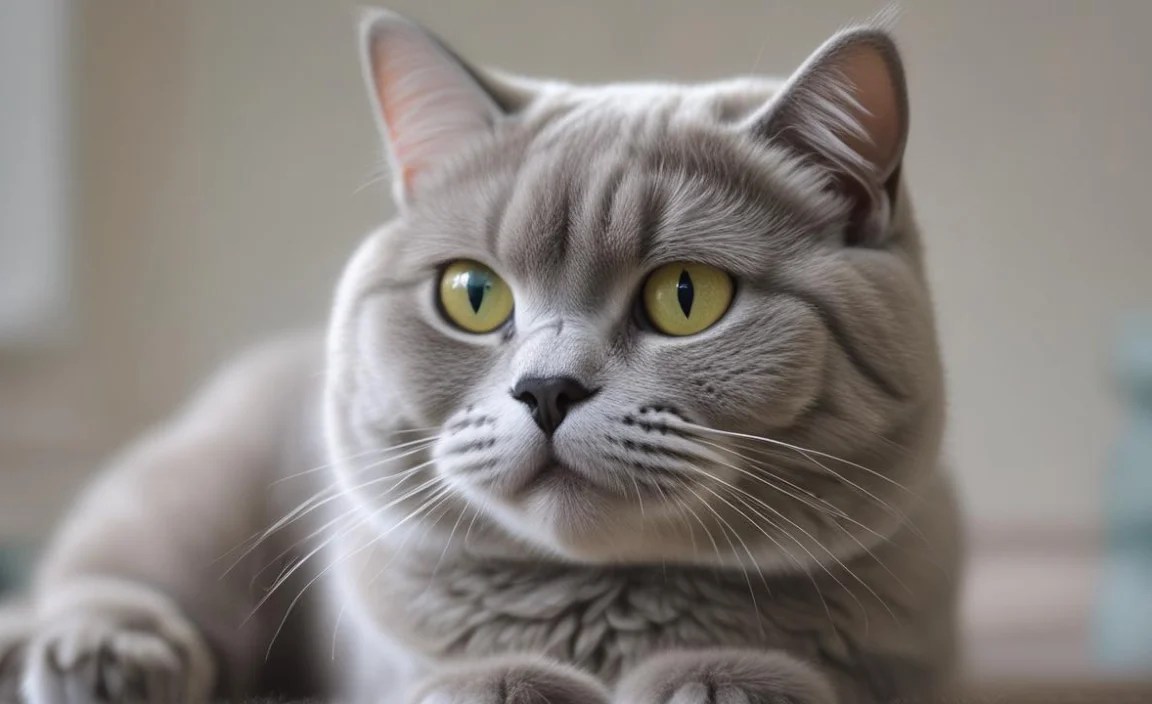
While British Shorthairs are generally well-behaved, they can sometimes exhibit behavioral issues. Understanding the root cause of these issues is essential for addressing them effectively.
Common Behavioral Problems
- Scratching: Scratching is a natural behavior for cats, but it can become a problem if they scratch furniture or other inappropriate objects.
- Litter Box Issues: Refusing to use the litter box can be a sign of a medical problem, stress, or an aversion to the litter box itself.
- Aggression: Aggression can be caused by fear, pain, or territoriality. It’s important to identify the trigger and address it accordingly.
Solutions and Strategies
| Behavioral Issue | Possible Causes | Solutions |
|---|---|---|
| Scratching | Natural instinct to mark territory and maintain claws | Provide scratching posts, trim nails regularly, use deterrent sprays on furniture |
| Litter Box Issues | Medical issues, stress, dirty litter box, aversion to litter type | Consult a vet, reduce stress, clean litter box daily, try different litter types |
| Aggression | Fear, pain, territoriality, redirected aggression | Identify triggers, consult a vet, provide safe spaces, use pheromone diffusers |
If you’re struggling to address behavioral issues on your own, consider consulting a veterinarian or a certified cat behaviorist. They can help you identify the underlying cause of the problem and develop a tailored treatment plan.
For more information on cat behavior, you can refer to resources from the Cornell Feline Health Center.
British Shorthair Care Tips

Providing proper care is essential for ensuring the health and well-being of your British Shorthair.
Grooming
British Shorthairs have a dense, plush coat that requires regular grooming to prevent matting and reduce shedding.
- Brushing: Brush your cat several times a week using a slicker brush or a grooming mitt. This will help remove loose hair and prevent mats from forming.
- Bathing: British Shorthairs don’t typically need frequent baths unless they get dirty. When you do bathe them, use a cat-specific shampoo and rinse thoroughly.
- Nail Trimming: Trim your cat’s nails every few weeks to prevent them from becoming too long and sharp. Use cat nail clippers and be careful not to cut the quick.
Nutrition
Feeding your British Shorthair a balanced and nutritious diet is essential for maintaining their health and vitality.
- High-Quality Food: Choose a high-quality cat food that is formulated for their age and activity level. Look for foods that contain real meat as the primary ingredient and avoid those with excessive fillers or artificial additives.
- Portion Control: Feed your cat measured portions to prevent overeating and obesity. British Shorthairs are prone to weight gain, so it’s important to monitor their food intake.
- Fresh Water: Always provide your cat with fresh, clean water. Consider using a water fountain to encourage them to drink more.
Health
Regular veterinary checkups are essential for detecting and preventing health problems in British Shorthairs.
- Vaccinations: Keep your cat up-to-date on their vaccinations to protect them from common feline diseases.
- Parasite Control: Use preventative medications to protect your cat from fleas, ticks, and worms.
- Dental Care: Brush your cat’s teeth regularly and provide dental treats to help prevent dental disease.
- Regular Checkups: Schedule annual checkups with your veterinarian to monitor your cat’s health and address any potential problems early on.
British Shorthair Temperament: A Quick Guide
Here is a quick guide summarizing what you should know about the British Shorthair temperament.
| Trait | Description |
|---|---|
| Calmness | Known for their relaxed and easy-going nature |
| Independence | Comfortable spending time alone |
| Affection | Shows affection in subtle ways, such as following you around |
| Playfulness | Enjoys interactive games and toys |
| Intelligence | Smart and trainable with patience |
| Adaptability | Adjusts well to different environments |
Frequently Asked Questions (FAQs)
Are British Shorthairs good for first-time cat owners?
Yes, British Shorthairs are often a great choice for first-time cat owners! They’re known for their calm and adaptable nature, which makes them relatively easy to care for. They aren’t overly demanding, and they’re happy to spend time on their own, but they still enjoy affection and playtime.
Do British Shorthairs get lonely if left alone?
British Shorthairs are more independent than many breeds, but they can still get lonely if left alone for extended periods. While they enjoy their own company, they also crave social interaction. Providing toys and ensuring you spend quality time with them when you’re home can help prevent loneliness.
How do I know if my British Shorthair is happy?
You can tell if your British Shorthair is happy by observing their behavior. Signs of happiness include purring, kneading, slow blinking, relaxed posture, and a healthy appetite. A happy cat will also engage in playful activities and seek out your company.
Are British Shorthairs vocal cats?
No, British Shorthairs are not known for being very vocal. They tend to be quiet cats, which is another reason why they are great apartment dwellers. They will meow to communicate their needs, but they are generally not as chatty as some other breeds.
How often should I groom my British Shorthair?
British Shorthairs should be groomed several times a week to prevent matting and reduce shedding. Regular brushing helps remove loose hair and keeps their coat healthy. During shedding season, you may need to groom them more frequently.
What are some common health issues in British Shorthairs?
Some common health issues in British Shorthairs include hypertrophic cardiomyopathy (HCM), polycystic kidney disease (PKD), and obesity. Regular veterinary checkups and a healthy lifestyle can help prevent or manage these conditions.
Are British Shorthairs good with dogs?
Yes, British Shorthairs can get along well with dogs, especially if they are raised together from a young age. Their calm and tolerant nature makes them adaptable to living with other pets. Early socialization is key to ensuring a harmonious relationship.
Conclusion
Now you know the truth behind the British Shorthair temperament! They’re not aloof, unintelligent, or unfriendly. They are calm, affectionate, and adaptable cats that make wonderful companions. By understanding their true nature and providing the right environment, you can enjoy a loving and fulfilling relationship with your British Shorthair.
Remember, every cat is an individual, and their personality can be influenced by genetics, early experiences, and environment. With patience, love, and proper care, you can help your British Shorthair thrive and become a cherished member of your family. Enjoy the journey of getting to know your furry friend!


