
British Shorthair Training for Agility Animals: Easy?

Have you ever seen a cat jump through hoops? Some cats can do amazing tricks. You might think only dogs can do agility. But cats can learn too! British Shorthair training for agility animals is a fun way to bond. It can also help your cat stay active and healthy.
Key Takeaways
- British Shorthair training for agility animals can be a rewarding experience for both of you.
- Start with basic commands and reward your cat for good behavior using treats.
- Agility training helps your cat stay physically fit and mentally stimulated every day.
- Be patient and understanding, as British Shorthairs have independent personalities.
- Make agility training a fun and positive experience to strengthen your bond.
Understanding British Shorthair Agility Training

British Shorthair training for agility animals needs patience. These cats are known for being calm. They are also known for being independent. Unlike some other breeds, they are not always eager to please. This does not mean they cannot be trained. It just means you need to find the right approach.
Start with short training sessions. Keep them fun and positive. Use rewards like treats or toys. This will motivate your cat. Agility training involves teaching your cat to navigate obstacles. These can include tunnels, jumps, and weave poles. Begin with easy tasks. Gradually increase the difficulty as your cat improves. Positive reinforcement is key. Never punish your cat for not performing well. Instead, focus on rewarding successes. This will build confidence and make training enjoyable. Remember, every cat learns at their own pace.
- Start with basic commands like “come” and “stay.”
- Use positive reinforcement with treats and praise.
- Keep training sessions short and fun.
- Introduce obstacles gradually.
- Be patient and understanding.
Consistency is very important. Set aside a specific time each day for training. This will help your cat understand what is expected. It will also make it easier to track progress. Celebrate small victories. Each step is a move forward. British Shorthair training for agility animals can be a wonderful way to strengthen your bond. You will also provide mental and physical stimulation for your cat. Always end the training on a positive note. This will leave your cat looking forward to the next session.
Fun Fact or Stat: British Shorthairs are one of the oldest cat breeds in England, with their origins dating back to the first century AD!
Is My Cat Too Old For Agility Training?
Is your cat getting older? Are you worried they are too old to learn new tricks? It is never too late to start British Shorthair training for agility animals. Older cats can still enjoy and benefit from agility. You may need to adjust your approach. Consider your cat’s physical condition. Start with gentle exercises. Avoid high jumps or strenuous activities. Shorter training sessions may be better. This prevents overexertion.
What Are The Benefits Of Agility Training?
Agility training can be great for cats. It offers both mental and physical benefits. It keeps your cat active. It can also help prevent obesity. Agility provides mental stimulation. This can reduce boredom and destructive behaviors. Training strengthens the bond between you and your cat. It creates a fun, engaging activity you can share. It also helps build trust and communication. British Shorthair training for agility animals can improve your cat’s confidence.
How Often Should I Train My Cat?
How often should you train your cat? The answer depends on your cat’s personality. It also depends on their energy levels. Short, frequent sessions are usually best. Aim for 10-15 minutes each day. This keeps your cat engaged without overwhelming them. Observe your cat’s behavior. If they seem bored or tired, shorten the session. Consistency is key. Regular training will help your cat learn and retain new skills. British Shorthair training for agility animals should be a fun and positive experience for both of you.
Choosing The Right Agility Equipment For Training

Choosing the right equipment is very important for British Shorthair training for agility animals. The equipment must be safe and suitable for your cat’s size. Start with basic items. These include tunnels, hoops, and weave poles. Make sure the equipment is sturdy and stable. This will prevent accidents. Tunnels should be wide enough for your cat to move through easily. Jumps should be low to avoid strain.
Weave poles should be spaced appropriately. This allows your cat to navigate them comfortably. Consider adjustable equipment. This allows you to change the height and spacing as your cat improves. Introduce new equipment slowly. Let your cat explore it at their own pace. Use treats and praise to encourage them. Always supervise your cat during training. This will ensure their safety. Clean the equipment regularly. This will keep it in good condition. You can also build your own agility equipment. This can be a fun and cost-effective option.
- Tunnels should be wide and stable.
- Jumps should be low and adjustable.
- Weave poles should be properly spaced.
- Use non-slip surfaces to prevent accidents.
- Introduce new equipment gradually.
Safety is the most important thing. Check the equipment for any sharp edges or loose parts. Make sure your cat has enough space to move around. Avoid using equipment that is too challenging. British Shorthair training for agility animals should be a fun and safe activity. By choosing the right equipment, you can create a positive training environment. This will help your cat succeed and enjoy the process. Remember to always prioritize your cat’s well-being.
Fun Fact or Stat: Cats can jump up to six times their height, making them excellent candidates for agility jumps!
What Kind Of Treats Should I Use?
What treats should you use? The best treats are small, soft, and tasty. Your cat should really love them. This makes them more motivating. Avoid treats that are high in calories. You do not want your cat to gain weight. Look for treats with simple ingredients. Avoid artificial colors and flavors. You can also use small pieces of cooked chicken or fish. These are healthy and appealing options. British Shorthair training for agility animals is easier with the right rewards.
Where Can I Buy Agility Equipment?
Where can you buy agility equipment? Many pet stores sell agility equipment. You can also find it online. Look for reputable brands. Read reviews to ensure the equipment is safe and durable. You can also build your own equipment. This can be a more affordable option. There are many DIY tutorials online. Just make sure to prioritize safety. British Shorthair training for agility animals requires good quality equipment.
How Do I Store The Agility Equipment?
How should you store your agility equipment? Store it in a dry and safe place. This will protect it from damage. Keep it out of reach of children and pets. This will prevent accidents. A garage or shed is often a good option. You can also use a storage container. This will keep the equipment organized. British Shorthair training for agility animals is easier when your equipment is well-maintained.
Starting With Basic Agility Commands
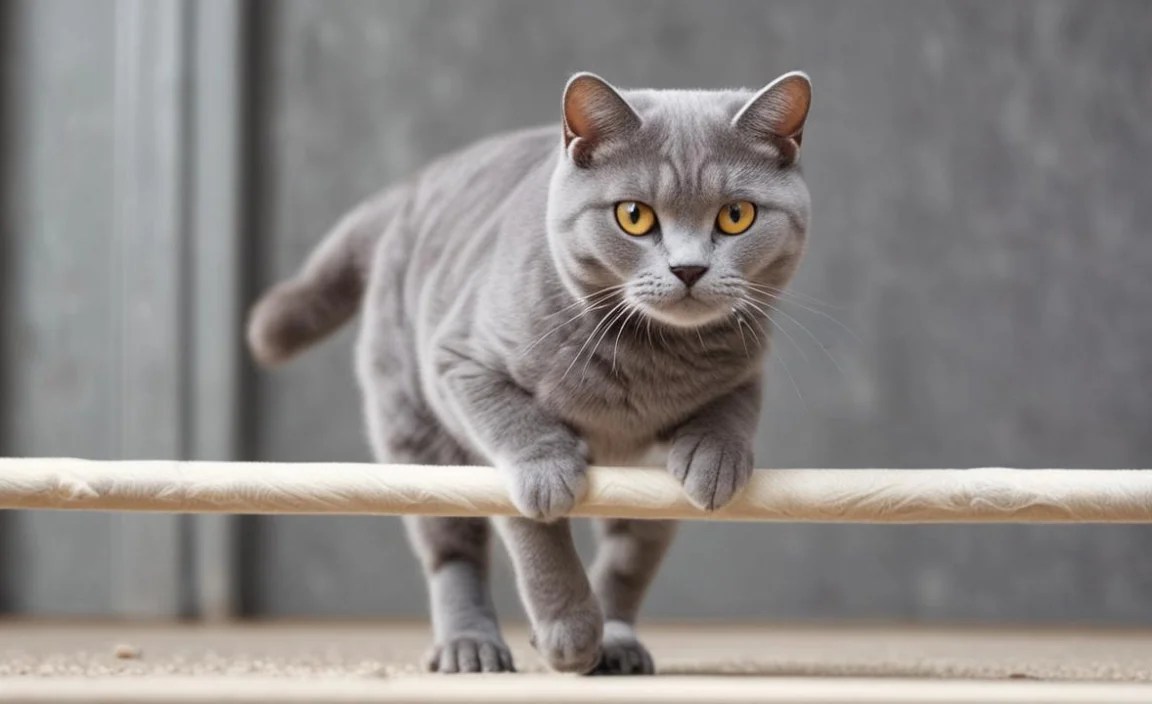
British Shorthair training for agility animals begins with basic commands. These commands form the foundation for more complex tasks. Start with simple commands like “come,” “sit,” and “stay.” Use positive reinforcement. Reward your cat with treats and praise when they follow the command. Keep training sessions short and fun. This will keep your cat engaged. Use a clear and consistent tone of voice. This will help your cat understand what you want them to do.
Practice these commands in a quiet area. This will minimize distractions. Once your cat masters the basic commands, you can introduce them to the agility equipment. Start with one piece of equipment at a time. Let your cat explore it at their own pace. Use treats and praise to encourage them. Never force your cat to do something they are not comfortable with. British Shorthair training for agility animals should be a positive experience for both of you.
- Teach basic commands like “come” and “stay.”
- Use positive reinforcement with treats and praise.
- Practice in a quiet area with minimal distractions.
- Introduce equipment gradually.
- Be patient and encouraging.
Consistency is very important in training. Practice the commands daily. This will help your cat remember them. If your cat is struggling with a particular command, break it down into smaller steps. Reward them for each step they complete. Celebrate small victories. This will build their confidence. British Shorthair training for agility animals takes time and patience. But with consistent effort, you can achieve great results.
Fun Fact or Stat: Cats respond better to positive reinforcement than punishment, so rewards are key!
How Do I Teach My Cat To “Come”?
How do you teach your cat to come? Start by calling your cat’s name. Use an enthusiastic tone. When they come to you, reward them with a treat. Repeat this several times a day. Gradually increase the distance. Practice in different locations. Use a clicker to mark the desired behavior. British Shorthair training for agility animals requires patience and consistency.
How Do I Teach My Cat To “Sit”?
How do you teach your cat to sit? Hold a treat near your cat’s nose. Slowly move it over their head. This will encourage them to sit. As soon as they sit, say “sit” and give them the treat. Repeat this several times. Practice daily. Use positive reinforcement. British Shorthair training for agility animals is more effective with treats.
How Do I Teach My Cat To “Stay”?
How do you teach your cat to stay? Have your cat sit. Hold your hand up in a “stop” gesture. Say “stay.” Start with short durations. Gradually increase the time. Reward your cat for staying. Practice in different locations. Use positive reinforcement. British Shorthair training for agility animals improves with practice.
Introducing Obstacles: Tunnels, Jumps, And Weave Poles

Introducing obstacles is a key part of British Shorthair training for agility animals. Start with the easiest obstacle: the tunnel. Place the tunnel on the ground. Let your cat explore it at their own pace. Use treats to lure them through the tunnel. Once your cat is comfortable with the tunnel, you can introduce jumps. Start with low jumps. Gradually increase the height as your cat improves.
Weave poles are more challenging. Guide your cat through the poles. Use treats to encourage them. Be patient. It may take time for your cat to master this obstacle. Always supervise your cat during training. Make sure they are safe. Avoid pushing your cat too hard. This can lead to frustration. British Shorthair training for agility animals should be a fun and rewarding experience. Celebrate your cat’s progress.
- Start with tunnels.
- Introduce low jumps.
- Guide your cat through weave poles.
- Use treats and praise.
- Be patient and supportive.
Each obstacle should be introduced slowly. Allow your cat to adjust. Positive reinforcement is essential. Reward every attempt. Even if they do not succeed. This encourages them to keep trying. British Shorthair training for agility animals is a journey. Enjoy the process. The bond you create with your cat is priceless.
Fun Fact or Stat: Tunnels are often a favorite obstacle for cats, providing a sense of security and fun!
How Do I Get My Cat To Go Through The Tunnel?
How do you get your cat to go through the tunnel? Place treats inside the tunnel. Encourage your cat to enter. Use a toy to entice them. Make the tunnel inviting. Keep it short and straight. Gradually increase the length. Use positive reinforcement. British Shorthair training for agility animals requires patience.
How Do I Get My Cat To Jump Over Obstacles?
How do you get your cat to jump? Start with very low obstacles. Lure your cat with a treat. As they jump, praise them. Gradually increase the height. Make sure the jumps are safe. Use soft landing surfaces. British Shorthair training for agility animals should be safe and fun.
How Do I Get My Cat To Weave Through Poles?
How do you get your cat to weave? Guide your cat with a treat. Weave them through the poles. Start with wide spacing. Gradually decrease the distance. Be patient. This is a challenging obstacle. Use positive reinforcement. British Shorthair training for agility animals improves with practice.
Using Positive Reinforcement And Rewards
Positive reinforcement is key to successful British Shorthair training for agility animals. This means rewarding your cat for good behavior. Use treats, praise, and toys. Find out what motivates your cat the most. Some cats love treats. Others prefer toys. Some respond well to verbal praise. When your cat performs a desired behavior, immediately reward them. This reinforces the behavior. It makes them more likely to repeat it in the future.
Avoid punishment. Punishment can create fear and anxiety. This can damage your relationship with your cat. It can also make training more difficult. Instead, focus on rewarding positive behaviors. Ignore unwanted behaviors. If your cat is not performing well, do not get discouraged. Simply end the training session. Try again later. British Shorthair training for agility animals should be a positive experience. This will strengthen your bond.
- Use treats as rewards.
- Offer verbal praise.
- Use toys as motivation.
- Avoid punishment.
- Be consistent with your rewards.
Timing is also important. Reward your cat immediately after they perform the desired behavior. This will help them make the connection. Be consistent with your rewards. This will help your cat understand what is expected of them. British Shorthair training for agility animals takes time and patience. But with positive reinforcement, you can achieve great results.
Fun Fact or Stat: Cats are more likely to repeat behaviors that are immediately followed by a reward!
What Are The Best Treats To Use?
What are the best treats to use? The best treats are small, soft, and tasty. Your cat should really love them. This makes them more motivating. Avoid treats that are high in calories. Look for treats with simple ingredients. Avoid artificial colors and flavors. You can also use small pieces of cooked chicken or fish. British Shorthair training for agility animals is easier with the right treats.
How Do I Use A Clicker For Training?
How do you use a clicker? A clicker can be a great tool for training. First, associate the clicker with a reward. Click the clicker and immediately give your cat a treat. Repeat this several times. Your cat will learn to associate the click with something positive. Then, use the clicker to mark the desired behavior. Click the clicker at the exact moment your cat performs the behavior. Then, give them a treat. British Shorthair training for agility animals can be enhanced with a clicker.
How Do I Know If My Cat Is Enjoying The Training?
How do you know if your cat is enjoying training? Look for signs of positive engagement. These include purring, rubbing against you, and active participation. If your cat seems stressed or fearful, stop the training. Try again later. Make sure your cat is comfortable. British Shorthair training for agility animals should be a fun activity.
Dealing With Common Training Challenges
British Shorthair training for agility animals can come with challenges. One common challenge is a lack of motivation. British Shorthairs are independent. They are not always eager to please. To overcome this, find what motivates your cat. Use high-value treats or favorite toys. Keep training sessions short and fun. Avoid forcing your cat to do anything they do not want to do.
Another challenge is a lack of focus. Cats can be easily distracted. Train in a quiet area. Minimize distractions. Use positive reinforcement. Reward your cat for paying attention. Be patient. It may take time for your cat to learn. Do not get discouraged. Celebrate small victories. British Shorthair training for agility animals is a journey. Enjoy the process.
- Address lack of motivation with high-value rewards.
- Minimize distractions during training.
- Be patient with your cat’s learning pace.
- Break down tasks into smaller steps.
- End training sessions on a positive note.
Consistency is key to overcoming challenges. Practice regularly. Reinforce learned behaviors. If you are struggling, seek help from a professional trainer. They can provide guidance and support. British Shorthair training for agility animals can be rewarding. But it requires dedication. With patience and persistence, you can achieve great results.
Fun Fact or Stat: Professional cat trainers can help you overcome specific challenges in agility training!
What If My Cat Loses Interest During Training?
What if your cat loses interest? If your cat loses interest, stop the training session. Do not force them to continue. Try again later. Change the training environment. Use different treats or toys. Keep the sessions short and engaging. British Shorthair training for agility animals should be fun.
What If My Cat Is Afraid Of The Equipment?
What if your cat is afraid of the equipment? Introduce the equipment slowly. Let your cat explore it at their own pace. Use treats to encourage them. Do not force them to interact. Make the equipment a positive experience. British Shorthair training for agility animals should be a gradual process.
What If My Cat Only Performs For Treats?
What if your cat only performs for treats? Gradually reduce the number of treats. Use verbal praise instead. Vary the rewards. Sometimes give treats, sometimes give praise. This will help your cat learn to perform for other reasons. British Shorthair training for agility animals should not rely solely on treats.
Tracking Progress And Setting Goals
Tracking progress is important for British Shorthair training for agility animals. This helps you see how far your cat has come. It also helps you identify areas where they need more practice. Keep a training journal. Record each session. Note what you worked on. Note how your cat performed. Track their successes and challenges.
Set realistic goals. Start with small, achievable goals. Gradually increase the difficulty. Celebrate milestones. Reward your cat for reaching their goals. This will motivate them to continue learning. British Shorthair training for agility animals is a journey. Enjoy the process. The bond you create with your cat is priceless.
| Date | Activity | Success | Notes |
|---|---|---|---|
| 2024-01-01 | Tunnel Training | Yes | Cat went through tunnel with treats. |
| 2024-01-02 | Jump Training | Partial | Cat hesitated but eventually jumped. |
| 2024-01-03 | Weave Poles | No | Cat struggled with weave poles. |
| 2024-01-04 | Tunnel & Jump | Yes | Cat completed both activities smoothly. |
- Keep a training journal.
- Set realistic goals.
- Track your cat’s progress.
- Celebrate milestones.
- Adjust your training plan as needed.
Review your training journal regularly. This will help you identify patterns. It will also help you adjust your training plan. If your cat is struggling with a particular obstacle, break it down into smaller steps. If they are excelling, increase the difficulty. British Shorthair training for agility animals is a dynamic process. Be flexible and adapt to your cat’s needs.
Fun Fact or Stat: Tracking progress can increase your cat’s and your own motivation by up to 30%!
How Do I Set Realistic Goals?
How do you set realistic goals? Start by assessing your cat’s current abilities. What can they already do? What are they struggling with? Set small, achievable goals. Focus on one obstacle at a time. Gradually increase the difficulty. British Shorthair training for agility animals requires realistic expectations.
How Do I Measure My Cat’s Progress?
How do you measure progress? Track your cat’s performance in each training session. Note their successes and challenges. Use a rating scale. This will help you quantify their progress. Take videos of your cat. This will allow you to visually assess their improvement. British Shorthair training for agility animals benefits from objective measures.
What Do I Do When My Cat Reaches A Plateau?
What do you do when your cat plateaus? Change the training routine. Introduce new challenges. Vary the rewards. Take a break from training. Sometimes a break can help your cat refresh. Then they can come back with renewed enthusiasm. British Shorthair training for agility animals requires flexibility.
Summary
British Shorthair training for agility animals can be a fun and rewarding experience. It requires patience, consistency, and positive reinforcement. Start with basic commands. Gradually introduce obstacles. Use treats and praise to motivate your cat. Track their progress. Set realistic goals. Address any challenges that arise. Remember, every cat learns at their own pace.
By following these tips, you can help your British Shorthair develop agility skills. This will strengthen your bond. You will also provide mental and physical stimulation. This will keep your cat happy and healthy. British Shorthair training for agility animals is a great way to enrich your cat’s life.
Conclusion
Training your British Shorthair for agility can be a fun adventure. You must stay patient and positive. Use lots of treats and praise. Remember that every cat learns differently. Celebrate all the small wins. British Shorthair training for agility animals will help your cat stay active and happy. It will also bring you closer together.
Frequently Asked Questions
Question No 1: Is agility training suitable for all British Shorthairs?
Answer: Agility training can be suitable for many British Shorthairs. However, it is important to consider your cat’s individual personality and physical condition. Some cats may be more naturally inclined to agility than others. Older cats or cats with health issues may need a modified training approach. Always consult with your veterinarian before starting any new exercise program. They can assess your cat’s suitability for agility training. Remember that British Shorthair training for agility animals should always be a fun and safe experience for your cat.
Question No 2: How long should each training session be?
Answer: Training sessions should be short and engaging. Aim for 10-15 minutes per session. This will keep your cat focused and prevent them from becoming bored or overwhelmed. Shorter, more frequent sessions are generally more effective than longer, less frequent ones. Observe your cat’s behavior during training. If they start to lose interest, end the session. You can always try again later. British Shorthair training for agility animals should be a positive experience. This will help your cat stay motivated and engaged.
Question No 3: What type of rewards work best for British Shorthairs?
Answer: British Shorthairs respond well to a variety of rewards. Treats are often a popular choice. Choose treats that are small, soft, and tasty. Toys can also be effective. Find out what toys your cat enjoys the most. Some cats prefer interactive toys. Others prefer toys they can chase or pounce on. Verbal praise can also be a powerful motivator. Use an enthusiastic and encouraging tone of voice. Combine different types of rewards. This will keep your cat engaged. British Shorthair training for agility animals is more effective with the right rewards.
Question No 4: How do I prevent my cat from getting injured during training?
Answer: Safety is very important during agility training. Use equipment that is safe and suitable for your cat’s size. Make sure the equipment is sturdy and stable. This will prevent accidents. Start with low jumps and gradually increase the height. Use non-slip surfaces. This will prevent your cat from slipping. Always supervise your cat during training. Avoid pushing them too hard. If your cat seems uncomfortable or stressed, stop the training session. British Shorthair training for agility animals should always prioritize your cat’s safety and well-being.
Question No 5: Can I use a harness and leash for agility training?
Answer: Yes, you can use a harness and leash for agility training. This can help you guide your cat through the obstacles. Choose a harness that fits properly. Make sure it is comfortable and secure. Introduce the harness and leash gradually. Let your cat get used to wearing them before starting training. Use positive reinforcement to encourage your cat. Never pull or force your cat. This can cause injury or fear. British Shorthair training for agility animals can be enhanced with a harness and leash. This will help you maintain control and ensure their safety.
Question No 6: What should I do if my cat is not interested in agility training?
Answer: If your cat is not interested in agility training, do not force them. Some cats simply do not enjoy it. Try different activities. See if they prefer playing with toys, learning tricks, or going for walks. It is important to find activities that your cat enjoys. This will strengthen your bond and provide mental and physical stimulation. British Shorthair training for agility animals is not for every cat. Respect your cat’s preferences. Focus on activities that make them happy.


