
Cat Breeds That Enjoy Dogs as Companions: Find Yours!

Have you ever seen a cat and dog cuddle? It can be the cutest thing! Some cats love having dog friends. But not all cats are the same. Some cat breeds that enjoy dogs as companions more than others.
Do you want a cat and a dog that get along? It’s important to pick the right cat breed. Some cats are just naturally friendlier to dogs. Let’s find out which ones!
Key Takeaways
- Some cat breeds that enjoy dogs as companions more than others.
- Socialization is key for cats and dogs to get along well together.
- The Ragdoll cat is known for its gentle and friendly nature.
- The Maine Coon is a large and adaptable breed that often loves dogs.
- Early introductions and positive reinforcement help create a harmonious home.
Cat Breeds That Love Dogs

Thinking about getting a cat and a dog? It’s a great idea! But you need to think about which cat breed to get. Some cat breeds that enjoy dogs as companions much more than others. These cats are often more playful and friendly. They are also less likely to be scared of a dog.
Cats like the Ragdoll and Maine Coon are known for their friendly personalities. They are often happy to share their home with a dog. Socialization is also super important. If you get your cat used to dogs when it’s a kitten, it will be much easier for them to become friends. Make sure the first meeting is calm and positive. Always reward good behavior with treats and praise. This helps them build a positive connection.
Remember, every cat is different. Even within the same breed, personalities can vary. Spend time with your new cat. Get to know its unique character. With the right breed and a little patience, you can have a cat and dog who are best friends!
- Ragdolls are known for being gentle and floppy.
- Maine Coons are big and friendly cats.
- American Shorthairs are adaptable and playful.
- Burmese cats are social and love attention.
- Siamese cats can be very vocal and engaging.
Choosing a cat that is known to get along with dogs is a great first step. But remember that how you introduce them is also key. Make sure the cat has a safe space. This could be a tall cat tree. It lets the cat watch the dog from a safe distance. Give them separate food bowls. This avoids any food fights. Supervise their first few interactions. This makes sure they are playing nicely. With a little effort and understanding, you can create a loving home for both your cat and dog.
Fun Fact or Stat: Studies show that cats and dogs who grow up together are more likely to become friends!
How to Introduce Cats and Dogs

So, you’re bringing a new cat into a home with a dog? That’s exciting! But how do you make sure they become friends? The key is to take it slow and be patient. Imagine you’re meeting someone new for the first time. You wouldn’t want them to jump right into your personal space, right? It’s the same for your pets.
Start by keeping them separate. Let them get used to each other’s scents. You can do this by swapping their bedding. Or you can feed them on opposite sides of a closed door. After a few days, let them see each other for short periods. Keep the dog on a leash. This way, you can control the interaction. Always reward calm behavior with treats and praise. If either animal seems stressed, separate them and try again later. Remember, slow and steady wins the race to friendship!
Creating a Safe Space for Your Cat
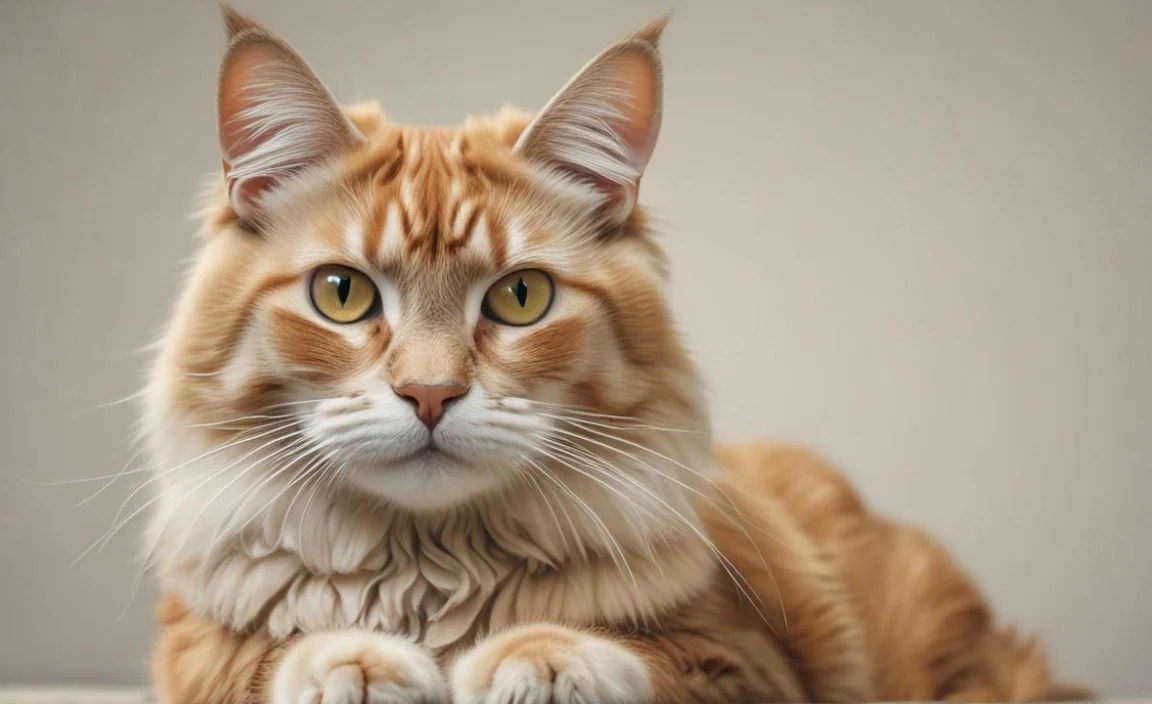
Have you ever felt like you just needed a place to hide away? Cats feel the same way! When you bring a new cat into a home with a dog, it’s super important to give the cat a safe space. This is a place where the dog can’t get to it. It could be a spare room, a tall cat tree, or even just a high shelf.
Make sure the cat’s safe space has everything it needs. This includes food, water, a litter box, and a cozy bed. This way, the cat knows it has a place to retreat to if it feels scared or overwhelmed. This can make a huge difference in how quickly the cat adjusts to its new home and how well it gets along with the dog. A happy cat is more likely to be a friendly cat!
Supervising Early Interactions
Okay, so you’ve introduced your cat and dog. They’ve sniffed each other under the door. Now it’s time for them to meet face-to-face. But hold on! Don’t just throw them together and hope for the best. It’s really important to supervise their early interactions.
Keep the dog on a leash. This way, you can quickly stop any chasing or rough play. Watch the cat’s body language. Is its tail swishing back and forth? Are its ears flattened? These are signs that the cat is stressed. If you see these signs, separate them right away. Keep the meetings short and positive. Reward both animals for calm behavior. With careful supervision, you can help them learn to be friends instead of rivals.
Understanding Cat Personality
Did you know that cats have different personalities? It’s true! Just like people, some cats are outgoing and friendly. Others are shy and reserved. Knowing your cat’s personality can help you choose cat breeds that enjoy dogs as companions. A confident cat might be more likely to get along with a dog. A timid cat might need more time and patience.
Pay attention to how your cat acts around new people and situations. Is it curious or cautious? Does it hide or come out to explore? These clues can tell you a lot about your cat’s personality. Talk to your vet or a cat behaviorist. They can give you even more insights. By understanding your cat’s unique character, you can create a home where everyone feels happy and safe.
Remember that a cat’s personality can also change over time. A kitten might be playful and fearless. But an older cat might become more set in its ways. Be patient and understanding. Adapt your approach as your cat’s needs evolve.
- Some cats are naturally more social than others.
- Kittens are often more adaptable to new situations.
- Older cats may be more set in their ways.
- A confident cat is more likely to enjoy a dog friend.
- A shy cat needs extra time and patience.
Understanding your cat’s personality can help you make the introduction process smoother. If you have a shy cat, give it plenty of space and hiding places. Let it approach the dog on its own terms. Never force them to interact. If you have a more confident cat, it might be more willing to play with the dog. But still, supervise their interactions. Make sure the play stays friendly and doesn’t turn into a fight. By being sensitive to your cat’s personality, you can help them build a positive relationship with your dog.
Fun Fact or Stat: Cats have over 200 million scent receptors, which helps them understand their environment and other animals!
Observing Cat Body Language
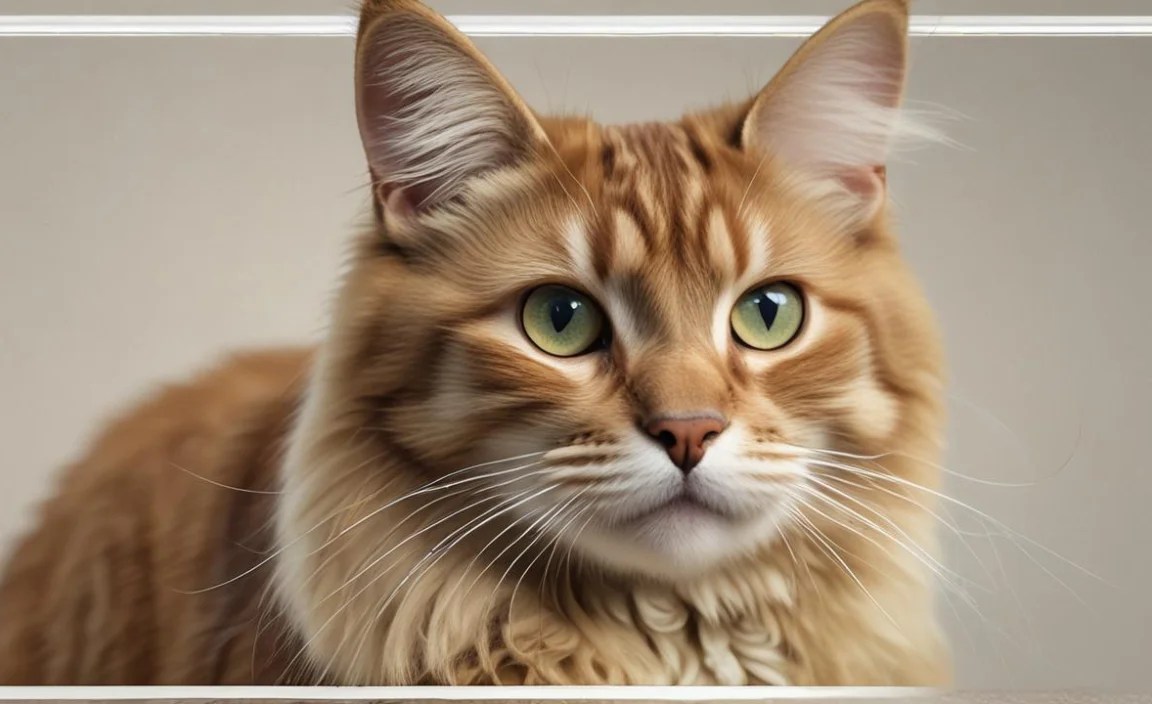
Have you ever tried to understand what a cat is trying to tell you? They can’t talk, but they do communicate! Cats use their bodies to show how they’re feeling. Learning to read cat body language is super helpful. It helps you understand if your cat is happy, scared, or angry.
Watch your cat’s tail. A swishing tail can mean it’s annoyed. A puffed-up tail means it’s scared. Look at its ears. Flat ears mean it’s feeling threatened. Check out its eyes. Dilated pupils can mean it’s excited or scared. By paying attention to these clues, you can tell how your cat is feeling around the dog. This helps you know when to step in and separate them. It also helps you know when to reward them for being calm and friendly.
Factors Affecting Cat Temperament

Did you know that many things can affect a cat’s temperament? It’s not just about their breed. Their early experiences play a big role. Kittens who are handled a lot by people tend to be more friendly. Their environment matters too. A cat who lives in a noisy, stressful home might be more anxious.
Even their health can affect their temperament. A cat who is in pain might be more irritable. If you’re having trouble with your cat’s behavior, talk to your vet. They can check for any underlying health problems. They can also give you advice on how to create a more positive environment for your cat. A happy, healthy cat is more likely to get along with a dog.
The Role of Genetics

Have you ever wondered why some cats are just naturally more friendly than others? Genetics play a big role! Just like people inherit traits from their parents, cats do too. Some breeds are known for being more social and outgoing. This is because their genes have been passed down through generations.
However, genetics aren’t everything. A cat’s environment and experiences also matter. Even if a cat has the genes to be friendly, it still needs to be socialized properly. This means exposing it to new people, places, and animals. The more positive experiences a cat has, the more likely it is to be well-adjusted. So, while genetics can give a cat a head start, it’s up to you to help it reach its full potential.
Best Cat Breeds for Dog Owners

Okay, so you’re a dog owner looking to add a feline friend to your family? That’s awesome! But which cat breed is the best fit? Some cat breeds that enjoy dogs as companions more easily. These cats tend to be more tolerant, playful, and adaptable. They’re less likely to be scared or aggressive around dogs.
Breeds like the Ragdoll, Maine Coon, and American Shorthair are often good choices. They have reputations for being friendly and easygoing. But remember, every cat is an individual. Even within these breeds, personalities can vary. It’s always best to meet the cat in person. See how it interacts with you and your dog before making a decision.
Consider adopting an adult cat. Their personalities are already established. This makes it easier to find a cat who is a good match for your dog. Talk to shelter staff. They can help you find a cat who has lived with dogs before.
- Ragdolls are known for being gentle and floppy.
- Maine Coons are large and friendly.
- American Shorthairs are adaptable and playful.
- Burmese cats are social and love attention.
- Abyssinians are active and intelligent.
Choosing the right breed is important. But it’s not the only factor. How you introduce the cat to your dog is also crucial. Make sure the cat has a safe space. Give them separate food bowls. Supervise their interactions. With a little patience and effort, you can create a happy home for both your cat and dog.
Fun Fact or Stat: Maine Coons are known as “gentle giants” because of their large size and sweet personalities!
Ragdoll Cats: Gentle Giants

Have you ever heard of a cat that goes limp when you pick it up? That’s a Ragdoll! These cats are known for their super relaxed and gentle personalities. They’re like the teddy bears of the cat world. Ragdolls are also very social. They often love to be around people and other animals.
This makes them one of the cat breeds that enjoy dogs as companions. They’re not easily scared or intimidated. They’re more likely to approach a dog with curiosity than fear. Of course, every Ragdoll is different. But if you’re looking for a cat who is likely to get along with your dog, a Ragdoll is a great choice. Just be prepared for lots of cuddles!
Maine Coon: The Friendly Feline

Imagine a cat the size of a small dog! That’s a Maine Coon. These cats are one of the largest domestic breeds. But don’t let their size fool you. They’re also incredibly gentle and friendly. Maine Coons are known for being great with kids and other pets. They’re often described as “dog-like” in their behavior.
They love to play fetch. They’re also very loyal and affectionate. This makes them wonderful cat breeds that enjoy dogs as companions. They’re adaptable and easygoing. This means they can usually adjust to living with a dog without much trouble. If you want a cat who will be a true companion to both you and your dog, a Maine Coon might be perfect.
American Shorthair: An Adaptable Choice

Looking for a cat who is easy to care for and gets along with everyone? Then the American Shorthair might be the breed for you! These cats are known for being adaptable and easygoing. They’re not as demanding as some other breeds. They’re happy to just hang out and be part of the family.
American Shorthairs are also very playful. They enjoy chasing toys and exploring their surroundings. This can make them great cat breeds that enjoy dogs as companions. They’re often up for a game of chase or a friendly wrestle. They’re also intelligent. This means they can be trained to do tricks. If you want a cat who is low-maintenance and fun-loving, an American Shorthair is a great option.
Training and Socialization Tips
Want your cat and dog to be best friends? Training and socialization are key! Even if you choose cat breeds that enjoy dogs as companions, it still takes effort. Socialization means getting your cat used to dogs from a young age. Training helps them learn to behave appropriately around each other.
Start by exposing your kitten to dogs in a controlled environment. Keep the dog on a leash. Reward the kitten for staying calm. As they get older, let them interact more freely. Always supervise their play. Teach your dog basic commands like “leave it.” This can help prevent them from chasing the cat. With consistent training and socialization, you can create a harmonious home for both your pets.
Remember that patience is key. It takes time for cats and dogs to adjust to each other. Don’t get discouraged if they don’t become instant best friends. Just keep working with them. Celebrate small victories. Over time, they’ll learn to tolerate and even enjoy each other’s company.
- Start socialization early in kittenhood.
- Use positive reinforcement for good behavior.
- Teach your dog basic commands like “leave it.”
- Supervise all interactions between cat and dog.
- Be patient and consistent with training.
Training and socialization aren’t just for puppies. You can also train adult cats and dogs to get along. The key is to use positive reinforcement. Reward them for good behavior. Ignore or redirect unwanted behavior. Never punish them. This will only create fear and anxiety. If you’re struggling, consider hiring a professional dog trainer or cat behaviorist. They can provide personalized guidance and help you overcome any challenges.
Fun Fact or Stat: Cats can be trained using clicker training, just like dogs!
Positive Reinforcement Techniques
Have you ever learned something new because you got a reward? That’s positive reinforcement! It’s a super effective way to train animals. It works by rewarding good behavior with something the animal likes. This could be treats, praise, or even just a scratch behind the ears.
When you’re training your cat and dog to get along, use positive reinforcement. If your dog stays calm around the cat, give it a treat. If your cat approaches the dog without hissing, praise it. By rewarding good behavior, you’re teaching them what you want them to do. This makes training much easier and more fun for everyone involved.
Creating Positive Associations
Want your cat and dog to think good things about each other? Then you need to create positive associations. This means pairing their presence with something they enjoy. For example, you could give them both treats when they’re in the same room. Or you could play with them together using a favorite toy.
By associating each other with positive experiences, they’ll start to feel more comfortable around each other. They’ll learn that good things happen when they’re together. This can help them build a positive relationship and become true friends.
Addressing Problem Behaviors
Even with the best training, sometimes problems can arise. Your dog might start chasing the cat. Or your cat might start hissing at the dog. It’s important to address these behaviors right away. Don’t ignore them and hope they’ll go away. They usually get worse if you don’t deal with them.
Figure out what’s causing the behavior. Is the dog bored and needs more exercise? Is the cat feeling threatened and needs more space? Once you know the cause, you can start to address it. Redirect the dog’s energy with a toy. Provide the cat with a safe hiding place. If the problem persists, consult with a professional trainer or behaviorist.
Managing Resources and Territory
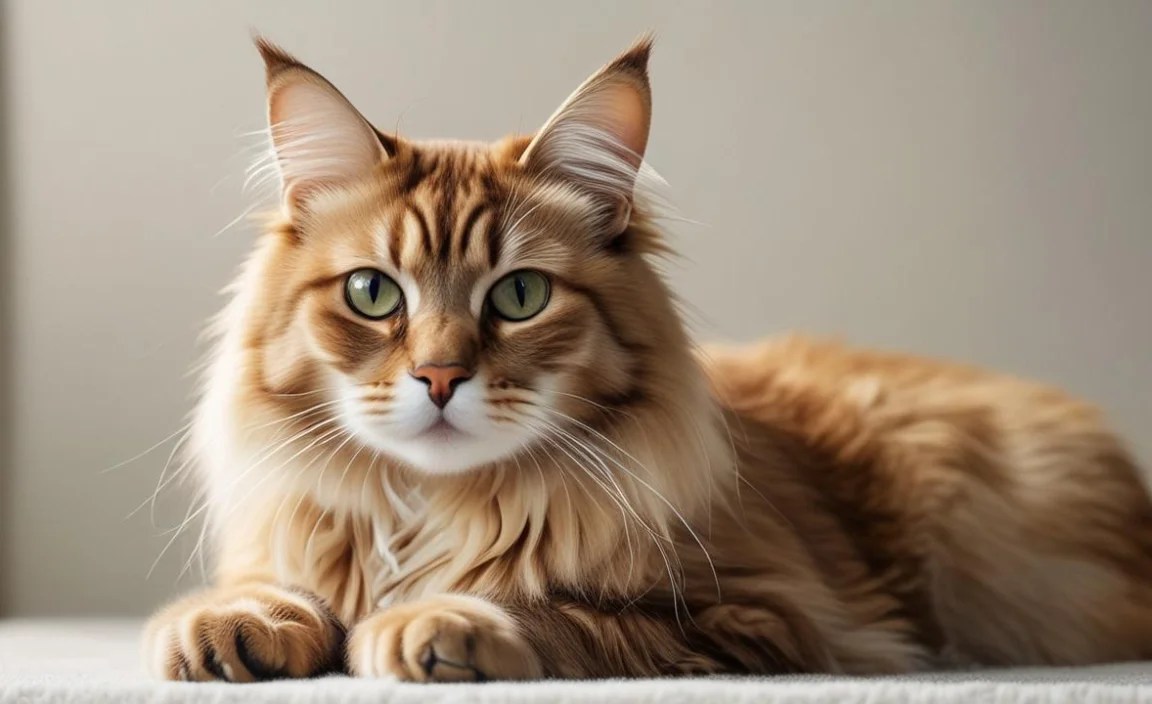
Cats and dogs can sometimes get into squabbles over resources. These include food, water, toys, and even your attention. To prevent conflicts, it’s important to manage these resources carefully. Make sure each animal has its own food and water bowls. Keep them in separate locations. This prevents them from fighting over food.
Provide plenty of toys for both the cat and dog. Rotate the toys regularly. This keeps them interesting. Give each animal individual attention. This makes them feel loved and secure. If you have multiple cats, make sure they each have their own litter box. Place the litter boxes in different areas of the house.
Territory is also important. Cats are naturally territorial animals. They like to have their own space. Make sure your cat has a safe place to retreat to. This could be a tall cat tree. It could be a separate room. This allows the cat to escape from the dog when it needs a break.
- Provide separate food and water bowls.
- Offer plenty of toys for both cat and dog.
- Give each animal individual attention.
- Ensure cats have a safe, private space.
- Avoid creating competition for resources.
Managing resources and territory can help prevent conflicts between cats and dogs. It creates a more harmonious home environment. Remember to be fair and consistent. Treat each animal with love and respect. This will help them feel secure and happy. When your pets feel secure, they’re more likely to get along with each other.
Fun Fact or Stat: Cats mark their territory with scent glands located on their cheeks, paws, and tail!
Separate Feeding Stations
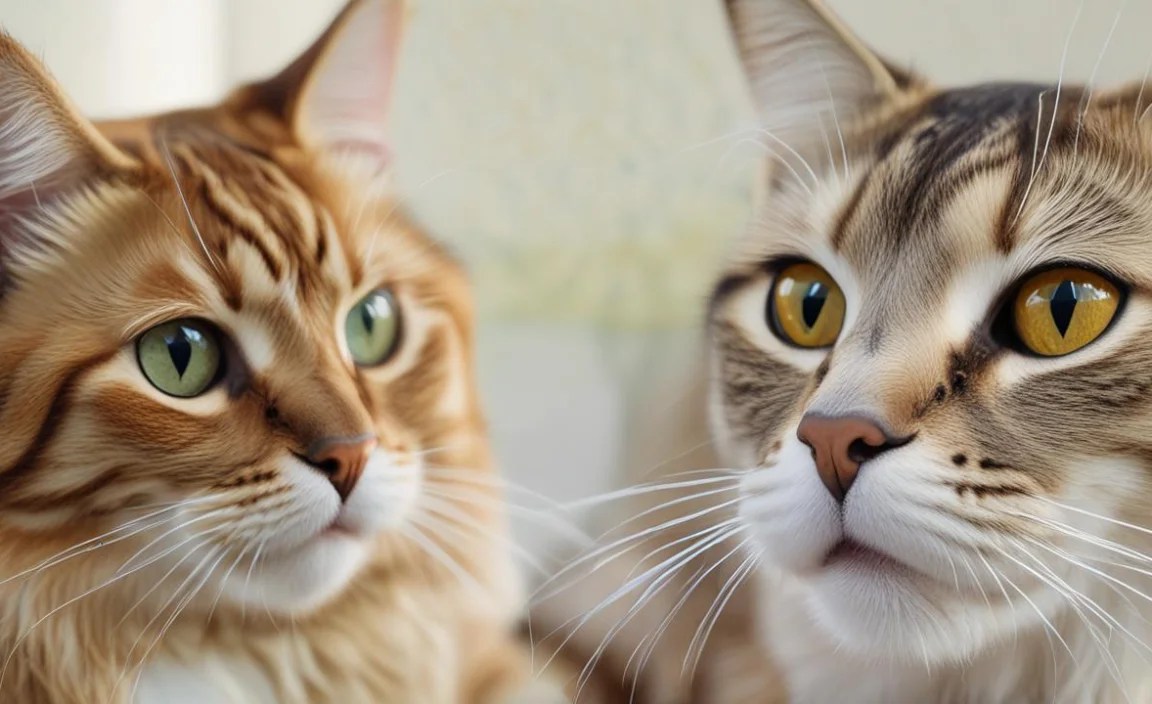
Imagine having to share your dinner with someone you don’t really like. That’s how your cat and dog might feel if they have to share food bowls. To avoid any tension, create separate feeding stations. This means giving each animal its own bowl. Place the bowls in different locations.
This way, they don’t have to worry about the other animal stealing their food. It also prevents them from feeling competitive. Make sure the cat’s feeding station is in a place where the dog can’t easily reach it. This could be on a high counter or in a separate room. This helps the cat feel safe and secure while it’s eating.
Vertical Space for Cats
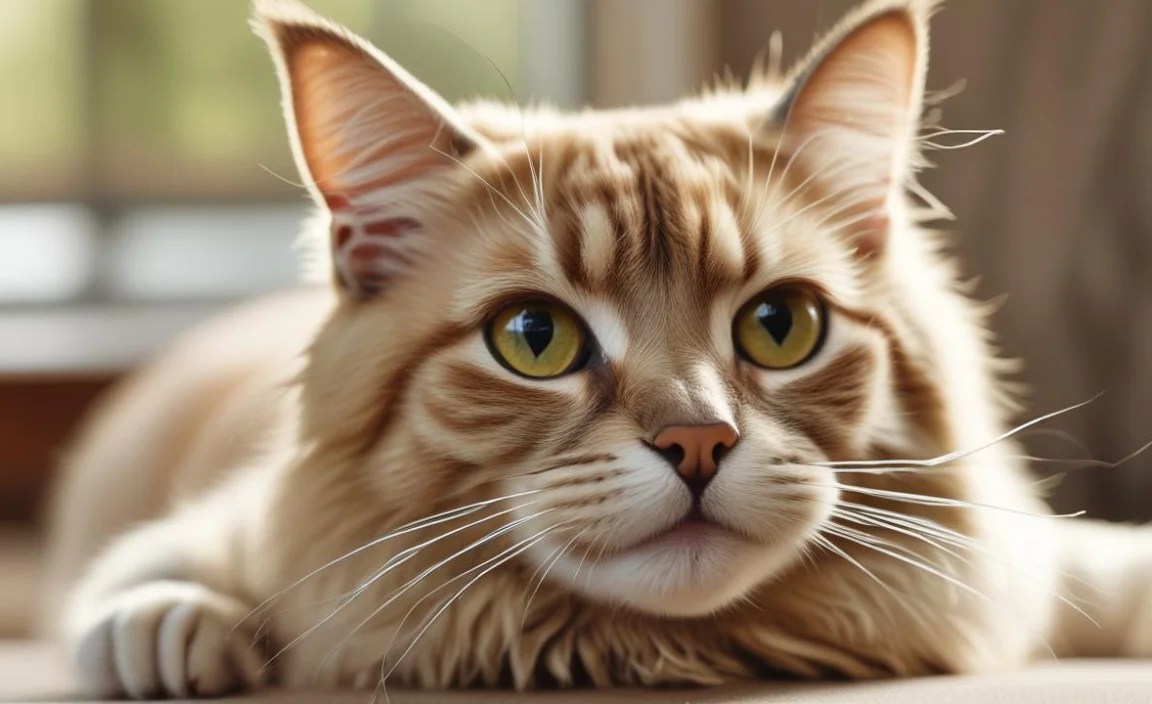
Have you ever noticed how much cats love to climb? They’re natural climbers! Giving your cat vertical space is super important. It allows them to get away from the dog. It also gives them a place to survey their surroundings.
Invest in a tall cat tree or install shelves on the walls. Make sure the cat can easily access these spaces. Place them in different areas of the house. This way, the cat always has a safe place to retreat to. Vertical space can make a huge difference in how comfortable your cat feels in its home.
Managing Attention and Affection
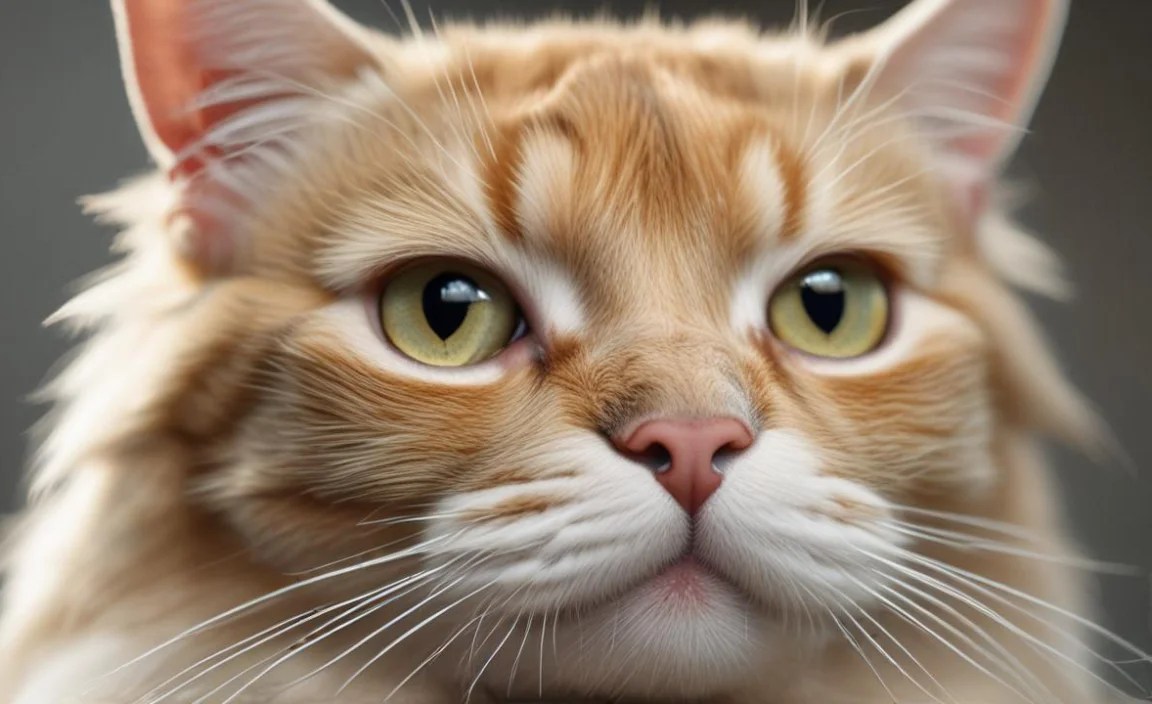
Cats and dogs can get jealous of each other. Especially when it comes to your attention. To avoid any jealousy, make sure you give each animal individual attention. Spend time playing with the dog. Cuddle with the cat.
Try to divide your attention equally between them. When you’re giving one animal attention, make sure the other one is occupied. This could be with a toy. It could be with a treat. This prevents them from feeling left out. It also helps them learn to associate each other with positive experiences.
Success Stories: Cats and Dogs as Friends

Want to hear some heartwarming stories? There are many cat breeds that enjoy dogs as companions. These cats and dogs become the best of friends. These stories prove that it’s possible to create a loving home for both species.
One story is about a Ragdoll cat named Luna and a Golden Retriever named Buddy. They grew up together. They love to cuddle, play, and even share their food. Another story is about a Maine Coon cat named Leo and a Labrador named Daisy. They were adopted at the same time. They quickly bonded. They now spend their days exploring the backyard together.
These success stories show that with patience, training, and the right approach, cats and dogs can form strong bonds. It’s not always easy. But the rewards are well worth the effort. A home filled with love and companionship between different species is a truly special place.
- Luna the Ragdoll and Buddy the Golden Retriever are best friends.
- Leo the Maine Coon and Daisy the Labrador love to explore together.
- These stories show that cats and dogs can form strong bonds.
- Patience and training are key to success.
- A multi-species home can be a truly special place.
These stories are inspiring. But remember that every cat and dog is different. What works for one pair might not work for another. Don’t get discouraged if your pets don’t become instant best friends. Just keep working with them. Focus on creating a positive and safe environment. Celebrate small victories. Over time, they’ll learn to tolerate and even enjoy each other’s company.
Fun Fact or Stat: There are countless videos online of cats and dogs cuddling, playing, and even protecting each other!
Luna and Buddy: A Ragdoll and Retriever Duo

Imagine a fluffy white cat snuggling up to a golden retriever. That’s Luna and Buddy! Luna is a Ragdoll cat. Buddy is a Golden Retriever. They’re the best of friends. They grew up together in the same home. They’ve always been inseparable.
They love to cuddle on the couch. They play fetch in the backyard. They even share their food (though their owners try to discourage that!). Luna is gentle and patient with Buddy. Buddy is protective and playful with Luna. They’re a perfect example of how cat breeds that enjoy dogs as companions can thrive.
Leo and Daisy: A Maine Coon and Labrador Pair

Picture a large, fluffy cat strolling through the backyard with a happy-go-lucky Labrador. That’s Leo and Daisy! Leo is a Maine Coon cat. Daisy is a Labrador Retriever. They were adopted at the same time. They quickly became inseparable.
They spend their days exploring the backyard together. They chase butterflies. They nap in the sun. Leo is adventurous and curious. Daisy is loyal and playful. They complement each other perfectly. They’re a testament to the power of friendship between different species.
Tips for Creating Your Own Success Story

Want to create your own cat and dog success story? It’s totally possible! Start by choosing a cat breed that is known to get along with dogs. Introduce them slowly and carefully. Provide them with separate resources. Supervise their interactions.
Use positive reinforcement to reward good behavior. Be patient and consistent. Don’t give up if they don’t become instant best friends. With time, effort, and a lot of love, you can create a harmonious home for both your cat and dog. Remember to celebrate every small victory along the way!
Summary
Finding the right cat breed is key. Some cat breeds that enjoy dogs as companions more naturally than others. Ragdolls, Maine Coons, and American Shorthairs are often good choices. They tend to be friendly and adaptable. Early socialization is also super important. Introduce your cat and dog slowly and carefully. Give them separate resources. Supervise their interactions.
Use positive reinforcement to reward good behavior. Be patient and consistent. Remember that every cat and dog is different. What works for one pair might not work for another. The goal is to create a safe and harmonious environment where both animals can thrive. With a little effort, you can create a loving home for both your cat and dog.
Conclusion
Bringing a cat into a dog-loving home can be a wonderful experience. Choosing the right breed is a great first step. Remember to socialize your pets early and provide a safe environment. Patience and positive reinforcement are essential. With the right approach, you can create a harmonious home. Many cat breeds that enjoy dogs as companions make wonderful additions to families.
Frequently Asked Questions
Question No 1: What are some cat breeds that enjoy dogs as companions?
Answer: Several cat breeds are known for their friendly and adaptable nature, making them good companions for dogs. These include Ragdolls, Maine Coons, American Shorthairs, Burmese, and Abyssinians. Ragdolls are particularly known for their docile and gentle temperament, while Maine Coons are large and friendly cats that often get along well with dogs. American Shorthairs are adaptable and playful, and Burmese cats are social and enjoy attention, making them more likely to bond with dogs. Abyssinians are active and intelligent, which can lead to engaging and playful interactions with their canine housemates.
Question No 2: How can I introduce my cat and dog safely?
Answer: Introducing a cat and dog safely requires a gradual and controlled approach. Start by keeping them separate in different areas of the house, allowing them to get used to each other’s scents through a closed door. After a few days, you can start short, supervised visits, keeping the dog on a leash. Reward calm behavior in both animals with treats and praise. Ensure the cat has a safe space to retreat to, such as a tall cat tree or a separate room. Gradually increase the duration of their interactions, always monitoring for signs of stress or aggression. Patience is key, and it may take several weeks or even months for them to fully adjust to each other.
Question No 3: What are the signs that my cat and dog are not getting along?
Answer: Several signs can indicate that your cat and dog are not getting along. These include hissing, growling, or swatting from the cat, excessive barking or chasing from the dog, and avoidance or hiding behavior from either animal. Other signs can include changes in appetite, litter box habits, or overall demeanor. If you observe any of these behaviors, it’s important to separate them immediately and reassess your introduction strategy. You may need to slow down the process, provide more space, or seek professional advice from a veterinarian or animal behaviorist. Ignoring these signs can lead to increased stress and potential injury for both pets.
Question No 4: How important is early socialization for cats and dogs?
Answer: Early socialization is crucial for both cats and dogs to ensure they grow into well-adjusted and friendly companions. Kittens and puppies that are exposed to a variety of people, animals, and environments during their early weeks are more likely to develop positive social skills. Socialization helps them learn how to interact appropriately with others and reduces the likelihood of fear or aggression later in life. For cats, early handling by humans and exposure to other pets, including dogs, is essential. Similarly, puppies should be introduced to cats in a controlled and positive manner to foster a harmonious relationship. Early socialization can significantly increase the chances of your cat and dog becoming lifelong friends.
Question No 5: What kind of environment helps cat breeds that enjoy dogs as companions?
Answer: Creating a harmonious environment for cats and dogs involves several key factors. First, ensure that the cat has a safe and private space to retreat to, such as a tall cat tree, a separate room, or elevated shelves. This allows the cat to escape from the dog when it needs a break and reduces stress. Provide separate feeding and watering stations to prevent competition for resources. Offer plenty of toys for both animals and rotate them regularly to keep them engaged. Supervise their interactions, especially during the initial stages, and reward calm behavior with treats and praise. A consistent routine and a calm, predictable environment can also help both pets feel more secure and comfortable.
Question No 6: Are there any specific training tips for dogs to help them get along with cats?
Answer: Yes, there are several specific training tips that can help dogs get along with cats. Teach your dog basic commands such as “leave it,” “stay,” and “come.” These commands can be used to redirect the dog’s attention and prevent them from chasing or harassing the cat. Use positive reinforcement techniques, such as treats and praise, to reward the dog for calm behavior around the cat. Avoid punishment, as this can create fear and anxiety. Train the dog to respect the cat’s space and avoid approaching the cat without permission. Consider using a crate or other confined area for the dog when you are unable to supervise their interactions. Consistency and patience are essential for successful training. Breeds like the Ragdoll are better suited since they are one of the cat breeds that enjoy dogs as companions.


