
Cat Breeds That Prefer Quiet Surroundings: Find Yours!

Have you ever wondered if cats like peace and quiet? Some cats do! Just like people, cats have different likes and dislikes. Some cats love to play and make noise. But other cat breeds that prefer quiet surroundings are more calm. They like a home that is not too loud or busy.
What makes a cat want a quiet home? It could be their personality. Or, it could be the kind of cat they are. Let’s learn about some gentle cats. We’ll find out which cat breeds that prefer quiet surroundings are happiest in a calm place.
Key Takeaways
- Some cat breeds that prefer quiet surroundings thrive in peaceful homes, away from loud noises.
- The Persian cat is known for its gentle and quiet nature, enjoying calm environments.
- British Shorthairs are adaptable but often prefer a relaxed and predictable setting.
- The Ragdoll is famous for its docile and affectionate demeanor, ideal for quiet families.
- Scottish Folds, with their distinctive ears, tend to be calm and less demanding of attention.
Finding Cat Breeds That Prefer Quiet

Many people think all cats are the same. But each cat breed is different. Some cats are playful and energetic. Others are more laid-back. If you want a calm cat, think about the breed. Cat breeds that prefer quiet surroundings can make great pets. They are happy in homes that are not too loud. These cats often enjoy gentle play. They also like to nap in quiet spots. A calm cat can bring peace to your home. They often like to cuddle. This can make them good friends for people of all ages. When you pick a cat, think about your home. Is it loud or quiet? This will help you find the right cat for you.
- Consider your home’s noise level.
- Think about how much time you have to play.
- Research different cat breeds.
- Meet cats before you decide.
- Ask about the cat’s personality.
Choosing a cat is a big decision. You want to find a cat that fits your life. Cat breeds that prefer quiet surroundings need a special kind of home. They don’t like loud parties or lots of yelling. These cats are often sensitive. They like a routine. This helps them feel safe. If you have a busy home, think twice. A loud home might not be the best place for a quiet cat. But, if you can offer a calm space, a quiet cat might be perfect. They will bring you lots of love and peace.
Fun Fact or Stat: Studies show that cats in quiet homes have lower stress levels and live longer!
What Makes a Cat Quiet?
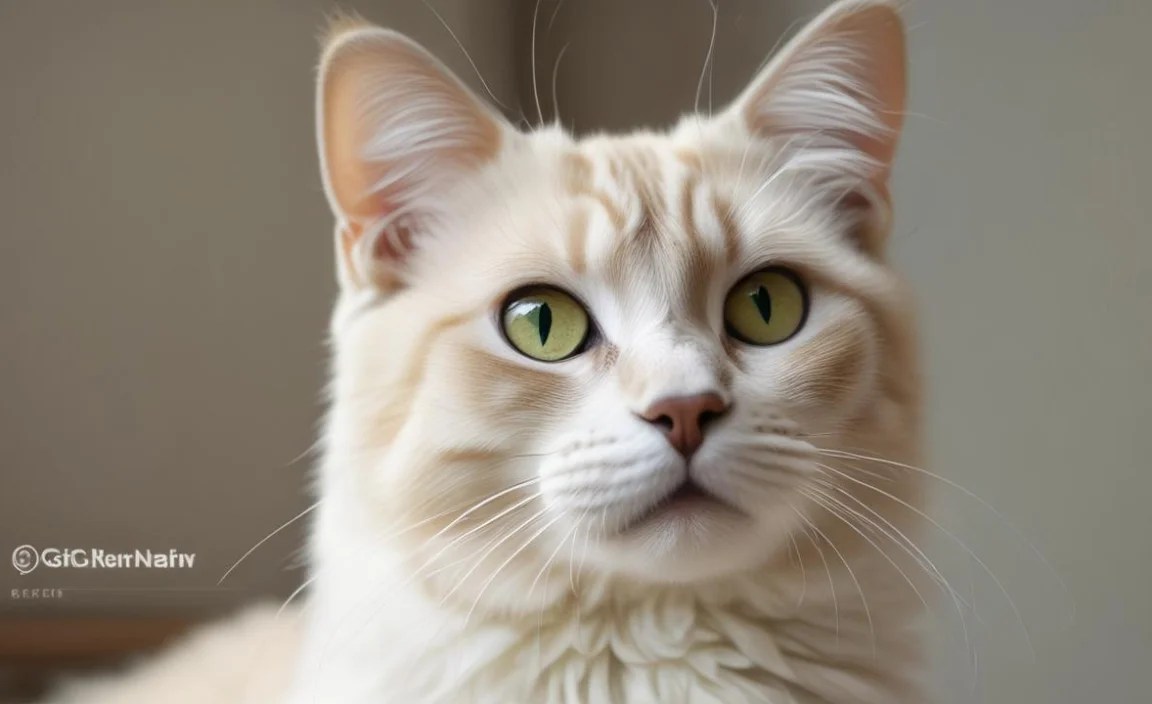
What makes some cats quiet? It’s a mix of things. Some cats are just born that way. Their breed can make them more calm. For example, Persian cats are known to be quiet. Other cats become quiet because of their past. A cat that was scared as a kitten might be shy. This can make them less likely to make noise. The way you raise a cat matters too. If you give a cat lots of love, it will feel safe. A safe cat is often a quiet cat. Remember, every cat is different. Some cats might be quiet because they are sick. Always take your cat to the vet if you are worried.
How to Create a Quiet Home

Do you want to make your home quiet for your cat? There are many ways to do it. First, think about loud noises. Can you turn down the TV? Can you close windows to block outside sounds? Soft music can help too. Some cats like classical music. Give your cat a safe space. This could be a bed in a quiet room. Make sure kids know to be gentle with the cat. Never yell at your cat. This can make them scared. A calm home will make your cat happy. And a happy cat makes a happy home.
Quiet Cats and Children

Can quiet cats live with kids? Yes, they can! But it’s important to teach kids how to be gentle. Kids should not pull a cat’s tail. They should not yell at the cat. Show kids how to pet the cat softly. Teach them to give the cat space when it wants to be alone. Quiet cats can be great friends for kids. They can teach kids about being kind. But always watch kids when they are with the cat. This will keep everyone safe and happy.
Fun Fact or Stat: Cats can hear sounds that are much higher pitched than humans can!
The Gentle Persian Cat

The Persian cat is famous for its long, fluffy fur and sweet face. But did you know they are also one of the cat breeds that prefer quiet surroundings? Persian cats are known for their calm and gentle nature. They enjoy a peaceful home where they can relax. These cats are not usually very playful. They prefer to nap in a sunny spot. Persian cats love attention, but they don’t demand it. They are happy to sit quietly by your side. If you want a cat that is more like a furry friend than a wild animal, a Persian might be perfect. Remember, their long fur needs lots of care!
- Persian cats need daily brushing.
- They enjoy gentle play sessions.
- They are not very active cats.
- They like a calm and quiet home.
- Persians are often good with children.
- They can be prone to some health issues.
Taking care of a Persian cat is a big job. Their long fur can get tangled easily. You need to brush them every day. This will keep their fur looking nice. Persian cats also need regular baths. This helps to keep them clean. Some Persian cats have trouble breathing because of their flat faces. Talk to your vet about this. Persian cats are worth the effort. They are loving and gentle pets. They will bring you lots of joy. Just make sure you can give them the care they need.
Fun Fact or Stat: Persian cats have been around for hundreds of years, with origins tracing back to Persia (modern-day Iran)!
Grooming a Persian Cat

Grooming a Persian cat is very important. Their long fur needs daily care. If you don’t brush them, their fur will get matted. Matted fur can be painful for the cat. Use a special brush for long-haired cats. Start by brushing gently. Work your way through any tangles. Be patient. Grooming can be a good time to bond with your cat. Some cats like being brushed. Make it a positive experience. Give them treats and praise. A well-groomed Persian cat is a happy cat.
Feeding a Persian Cat

What should you feed a Persian cat? Choose a high-quality cat food. Look for food that is made for long-haired cats. These foods often have special ingredients. These ingredients can help with hairballs. Persian cats can be picky eaters. Try different foods to see what they like. Always give them fresh water. Don’t overfeed your cat. This can lead to weight gain. Talk to your vet about the best diet for your Persian cat.
Health Issues in Persian Cats

Persian cats can have some health problems. One common problem is breathing issues. This is because of their flat faces. They can also have problems with their eyes. Their long fur can trap dirt around their eyes. This can cause infections. Persian cats can also get kidney disease. It’s important to take your Persian cat to the vet. Regular checkups can help catch problems early. With good care, Persian cats can live long and happy lives.
The Adaptable British Shorthair

The British Shorthair is a sturdy and round-faced cat. They are known for their calm and easy-going nature. While not as overtly quiet as Persians, British Shorthairs appreciate a stable environment. They are one of the cat breeds that prefer quiet surroundings. These cats adapt well to different homes. But they do best in a place that is not too chaotic. They enjoy playing, but they are not overly energetic. British Shorthairs are often happy to just sit and watch. They are good companions for people who want a relaxed cat. They also don’t need as much grooming as some other breeds.
- British Shorthairs have short, dense fur.
- They are known for their round faces.
- They are adaptable to different living situations.
- They enjoy playing but are not overly active.
- They are generally healthy cats.
- They are good with children and other pets.
British Shorthairs are relatively easy to care for. They don’t need a lot of grooming. But brushing them once a week will help keep their fur healthy. They are also not very picky eaters. Just make sure they get a good quality cat food. British Shorthairs can be prone to weight gain. So, don’t overfeed them. These cats are generally healthy. But they can get some common cat diseases. Regular vet checkups are important. With proper care, a British Shorthair can be a wonderful pet.
Fun Fact or Stat: The British Shorthair is one of the oldest cat breeds in England, dating back to the first century AD!
Playing with a British Shorthair

British Shorthairs enjoy playing, but they are not as energetic as some cats. They like toys that they can chase. A feather wand is a good choice. They also like puzzle toys. These toys make them think. Playing with your cat is a good way to bond. It also helps them stay healthy. Don’t force your cat to play if they don’t want to. British Shorthairs are happy to just watch you.
Grooming a British Shorthair

Grooming a British Shorthair is easy. They have short fur that does not get tangled easily. Brush them once a week to remove loose fur. This will help prevent hairballs. You don’t need to bathe them often. Only bathe them if they get dirty. Use a cat shampoo. Dry them with a towel. British Shorthairs are good at grooming themselves.
British Shorthairs and Other Pets

British Shorthairs often get along well with other pets. They are not usually aggressive. They can live with dogs and other cats. Introduce them slowly. Let them sniff each other under the door. Supervise them when they first meet. Make sure each pet has its own space. This will help them feel safe. With patience, they can become good friends.
Ragdolls: Gentle Giants

Ragdoll cats are big and fluffy. They are known for their gentle personalities. They got their name because they go limp when you pick them up. Ragdolls are one of the cat breeds that prefer quiet surroundings. They love to be around people. But they don’t like loud noises or chaos. They are very affectionate. They will follow you around the house. Ragdolls are great family pets. They are good with kids and other animals. If you want a big, cuddly cat, a Ragdoll might be right for you.
- Ragdolls are large and have blue eyes.
- They have a semi-long coat that’s soft.
- They are known to be very docile cats.
- They enjoy being around their owners.
- They are good with children and dogs.
- Ragdolls can be sensitive to loud noises.
Taking care of a Ragdoll is not too hard. They need regular brushing to keep their fur from matting. They also need a good quality cat food. Ragdolls can be prone to some health problems. Talk to your vet about these. They are generally healthy cats. Ragdolls love to play. But they are not overly active. They are happy to just relax with you. They make wonderful companions.
Fun Fact or Stat: Ragdolls were developed in the 1960s by Ann Baker in Riverside, California!
Playing with a Ragdoll
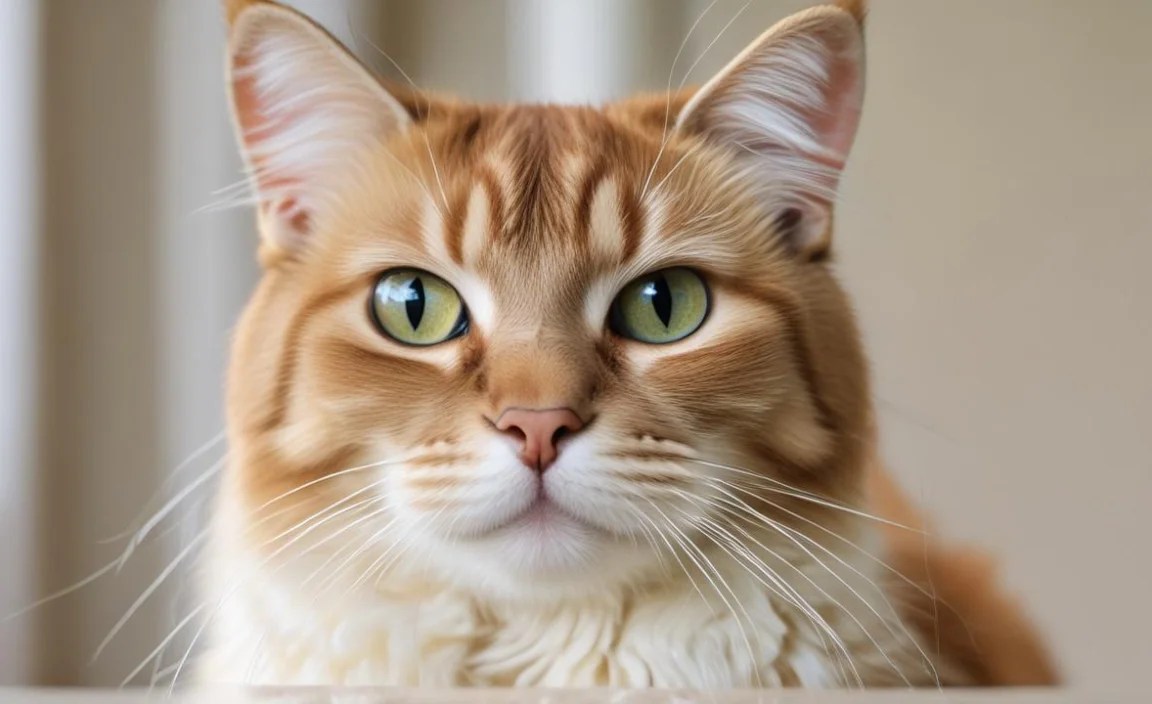
Ragdolls love to play, but they are not as energetic as some cats. They like toys that they can chase. A feather wand is a good choice. They also like puzzle toys. These toys make them think. Playing with your cat is a good way to bond. It also helps them stay healthy. Don’t force your cat to play if they don’t want to. Ragdolls are happy to just relax with you.
Grooming a Ragdoll
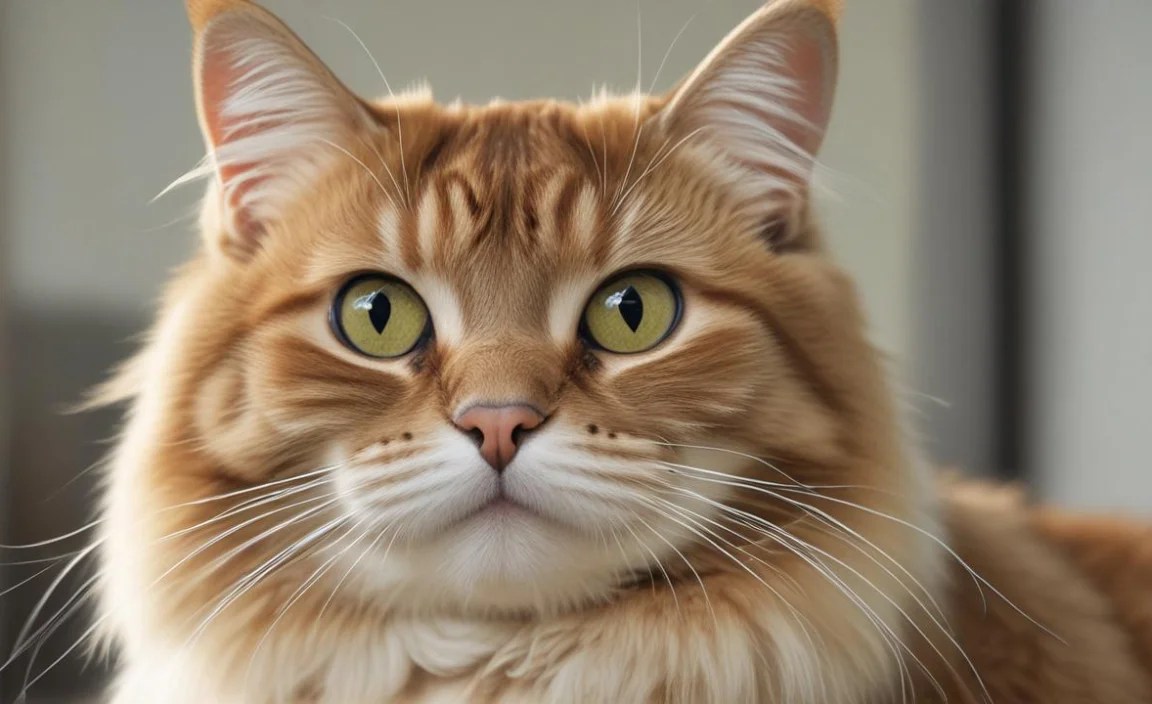
Grooming a Ragdoll is important. They have semi-long fur that can get tangled. Brush them a few times a week to remove loose fur. This will help prevent mats. You don’t need to bathe them often. Only bathe them if they get dirty. Use a cat shampoo. Dry them with a towel. Ragdolls are good at grooming themselves.
Ragdolls and Children

Ragdolls are great with children. They are gentle and patient. Teach children how to be gentle with the cat. They should not pull the cat’s tail. They should not yell at the cat. Show children how to pet the cat softly. Teach them to give the cat space when it wants to be alone. Ragdolls can be great friends for kids. They can teach kids about being kind. But always watch children when they are with the cat. This will keep everyone safe and happy.
The Unique Scottish Fold
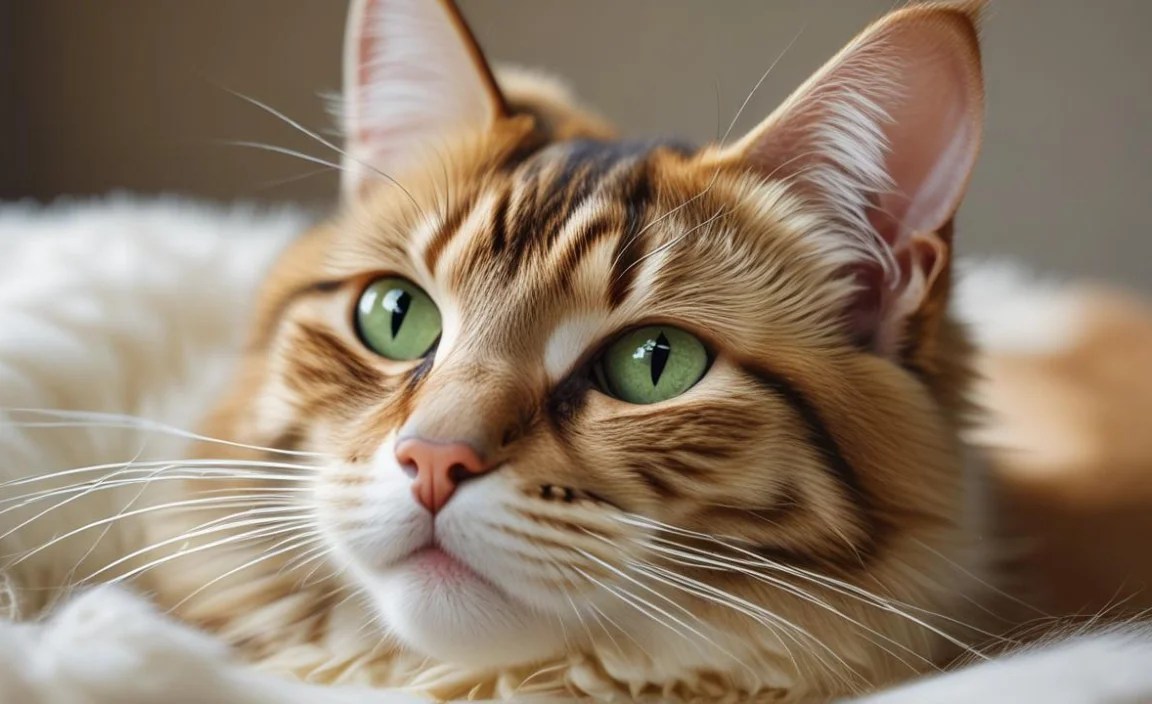
Scottish Folds are known for their folded ears. This makes them look like they have owl faces. They are also known for their sweet and gentle personalities. Scottish Folds are one of the cat breeds that prefer quiet surroundings. They are not very demanding. They are happy to just sit and watch. They like a calm and quiet home. Scottish Folds are good with children and other pets. They are also very smart. They can learn tricks. If you want a unique and loving cat, a Scottish Fold might be right for you.
- Scottish Folds have folded ears.
- They are known for their sweet personalities.
- They are not very demanding cats.
- They like a calm and quiet home.
- They are good with children and other pets.
- Scottish Folds can have health problems.
Taking care of a Scottish Fold is important. They need regular vet checkups. This is because they can have health problems. Their folded ears can be prone to infections. They also can get arthritis. Feed them a good quality cat food. They also need regular exercise. Scottish Folds love to play. They are smart and can learn tricks. With proper care, a Scottish Fold can be a wonderful pet.
Fun Fact or Stat: All Scottish Fold kittens are born with straight ears, and the fold develops within 21 days!
Playing with a Scottish Fold
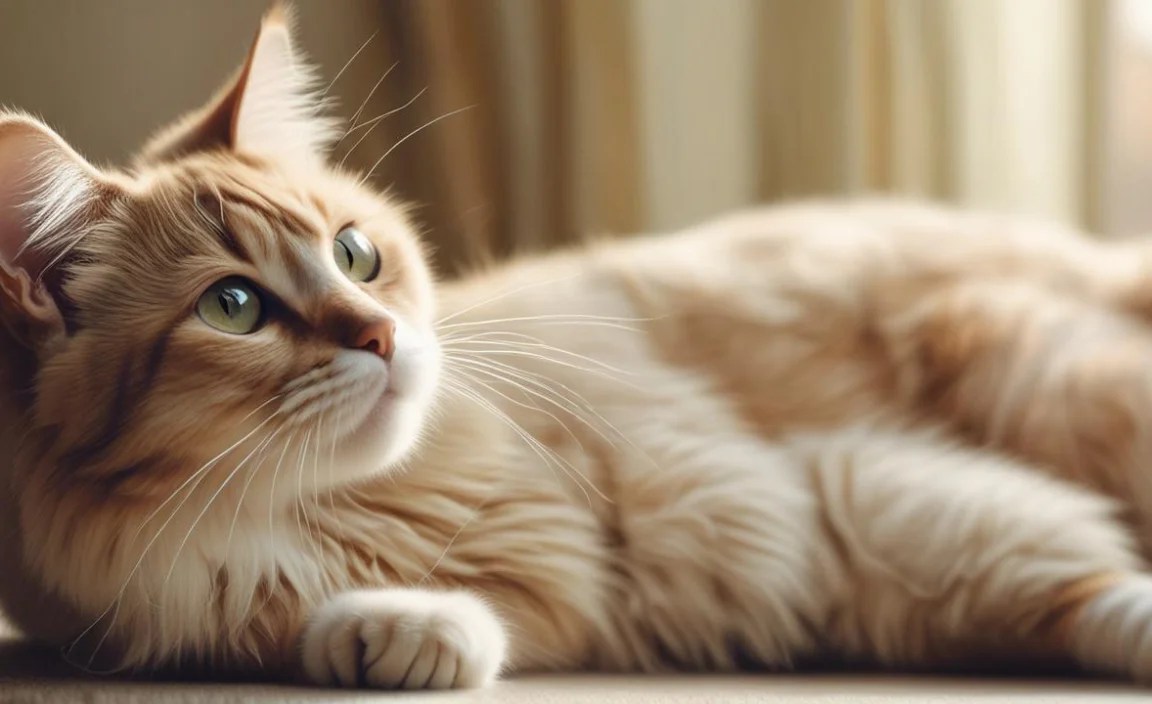
Scottish Folds love to play. They are smart cats. They like toys that make them think. Puzzle toys are a good choice. They also like to chase toys. A feather wand is a good choice. Playing with your cat is a good way to bond. It also helps them stay healthy. Don’t force your cat to play if they don’t want to. Scottish Folds are happy to just watch you.
Caring for Folded Ears
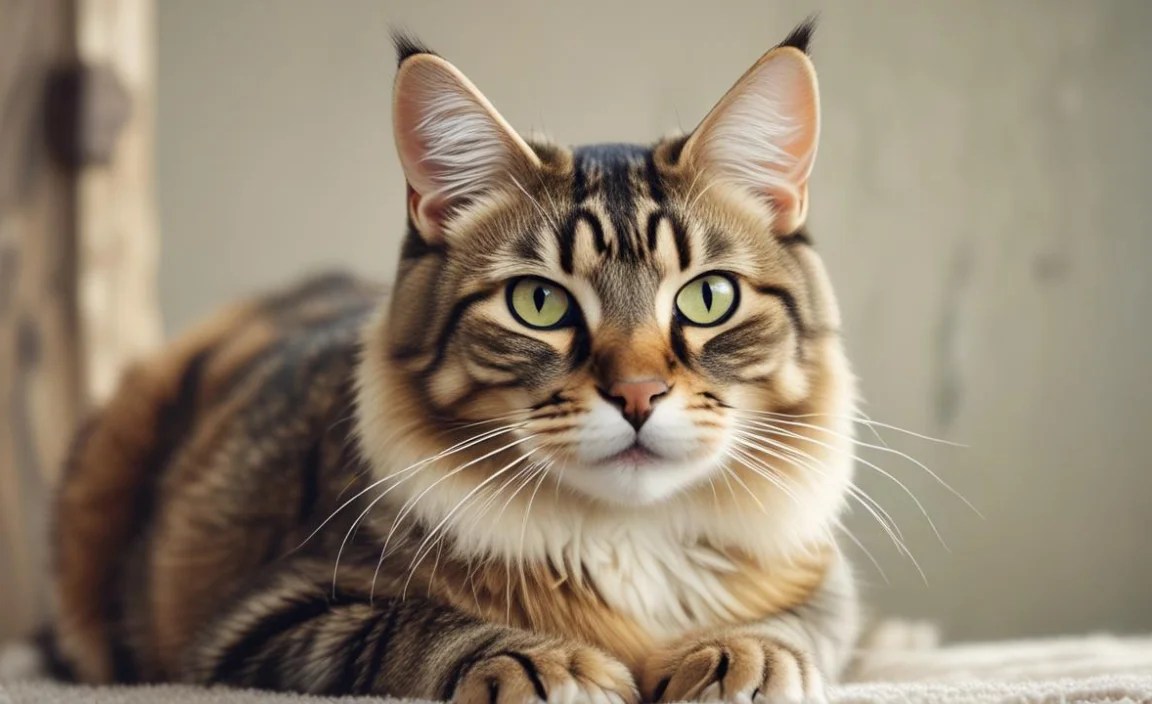
Scottish Folds have folded ears. These ears need special care. Check their ears regularly for dirt. Clean their ears with a vet-approved cleaner. This will help prevent infections. If you see any redness or swelling, take them to the vet. Don’t try to clean their ears too deeply. This can hurt them.
Scottish Folds and Health Problems

Scottish Folds can have health problems. The gene that causes their folded ears can also cause arthritis. This can be painful. Talk to your vet about this. They can help you manage the pain. Regular vet checkups are important. This will help catch problems early. With good care, Scottish Folds can live long and happy lives.
Quiet Cat Breeds Comparison

Choosing a cat breed that likes quiet is important. Here is a table to help you compare some breeds.
| Breed | Grooming Needs | Energy Level | Noise Level | Good with Kids? |
|---|---|---|---|---|
| Persian | High | Low | Very Quiet | Yes |
| British Shorthair | Low | Medium | Quiet | Yes |
| Ragdoll | Medium | Low | Quiet | Yes |
| Scottish Fold | Medium | Low | Quiet | Yes |
| Burmese | Low | Medium | Moderate | Yes |
Each breed has different needs. Think about what is important to you. This table can help you make the right choice. Remember to do more research. Talk to breeders and cat owners. This will help you find the perfect quiet cat for your home.
Fun Fact or Stat: Cat breeds have different purr frequencies! Some breeds have deeper or louder purrs than others.
Creating a Calm Environment
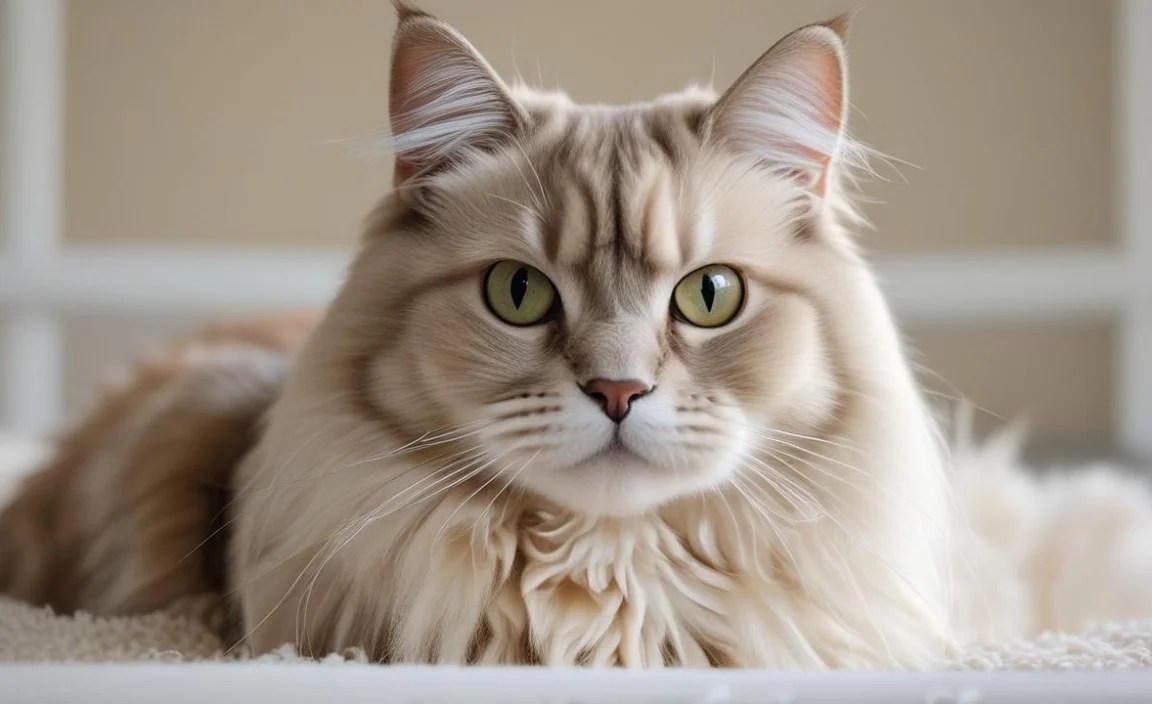
You can create a calm home for your cat. Start by reducing loud noises. Turn down the TV. Close windows to block outside sounds. Use soft music. Give your cat a safe space. This could be a bed in a quiet room. Make sure kids know to be gentle with the cat. Never yell at your cat. This can make them scared. A calm home will make your cat happy. And a happy cat makes a happy home.
- Reduce loud noises in the home.
- Provide a safe and quiet space.
- Use calming scents like lavender.
- Establish a routine for feeding and play.
- Ensure plenty of soft bedding.
- Use a calming pheromone diffuser.
A calm environment is important for all cats. But it is especially important for cat breeds that prefer quiet surroundings. These cats are more sensitive to stress. A noisy home can make them anxious. This can lead to health problems. A calm home will help them feel safe and secure. This will make them happier and healthier. Take the time to create a peaceful space for your cat. They will thank you for it.
Fun Fact or Stat: Playing soft classical music can reduce stress levels in cats by up to 20%!
The Importance of Routine

Cats love routine. It makes them feel safe. Feed your cat at the same time every day. Play with them at the same time every day. Clean their litter box at the same time every day. This will help them feel secure. A routine will also help you bond with your cat. They will learn to trust you. This will make them happier.
Using Calming Scents
Some scents can help calm cats. Lavender is a good choice. Chamomile is also good. You can use a diffuser to spread the scent. Or, you can put a few drops on their bedding. Don’t use too much. Cats have sensitive noses. Some scents can be harmful. Talk to your vet before using any new scents.
Safe Spaces for Cats
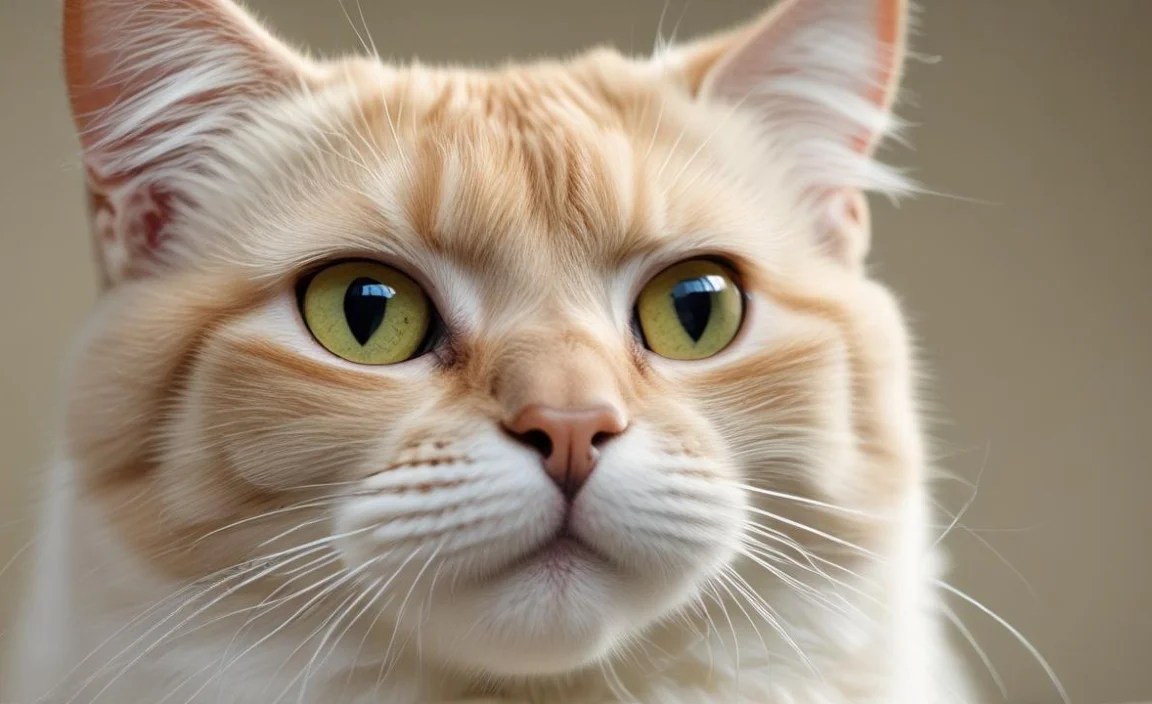
Cats need a safe space. This is a place where they can go to feel secure. This could be a bed in a quiet room. It could be a cat tree. Make sure they have access to this space at all times. Don’t force them to come out. Let them come out when they are ready. This will help them feel safe and secure.
Summary
Choosing a cat is a big decision. Some cat breeds that prefer quiet surroundings need a calm home. Persian cats are known for their gentle nature. British Shorthairs are adaptable but like a relaxed setting. Ragdolls are docile and affectionate. Scottish Folds tend to be calm and less demanding. It’s important to make a peaceful space for your cat. Turn down loud noises. Give them a safe place. A calm home will make your cat happy and healthy.
Remember to research different breeds. Think about your home’s noise level. Consider how much time you have to play. This will help you find the perfect cat for you. A quiet cat can bring peace and love to your home.
Conclusion
Finding the right cat breed for your home is important. Cat breeds that prefer quiet surroundings can be great pets for calm households. Persian cats, British Shorthairs, Ragdolls, and Scottish Folds are all good choices. Remember to create a peaceful environment for your cat. This will help them feel safe and secure. A happy cat makes a happy home.
Frequently Asked Questions
Question No 1: Which cat breed is the quietest?
Answer: The Persian cat is often considered one of the quietest cat breeds. They are known for their gentle and calm nature. They enjoy a peaceful environment and are not very demanding. While other breeds like Ragdolls and British Shorthairs also appreciate quiet, Persians are particularly well-suited for serene homes. If you are looking for cat breeds that prefer quiet surroundings, the Persian should be high on your list.
Question No 2: How do I know if a cat prefers a quiet environment?
Answer: You can tell if a cat prefers a quiet environment by observing their behavior. Cats that prefer quiet surroundings may hide or become anxious in loud or busy situations. They may also startle easily at sudden noises. Look for signs of stress, such as flattened ears or a tucked tail. A cat that seeks out quiet places to rest is likely one of the cat breeds that prefer quiet surroundings. If your cat exhibits these behaviors, try to create a calmer home environment for them.
Question No 3: What can I do to make my home quieter for my cat?
Answer: There are several things you can do to make your home quieter for your cat. Start by reducing loud noises. Turn down the TV or radio. Close windows to block outside sounds. Provide your cat with a safe and quiet space where they can retreat when they feel overwhelmed. Use soft music or white noise to mask sudden noises. Avoid yelling or creating sudden loud sounds. These steps can help create a more peaceful environment for cat breeds that prefer quiet surroundings.
Question No 4: Are quiet cat breeds good with children?
Answer: Yes, many quiet cat breeds are good with children, but it’s important to teach children how to interact with cats gently. Breeds like Ragdolls and British Shorthairs are known for their patient and tolerant nature. They can be great companions for kids who understand how to treat them with respect. Always supervise interactions between children and cats. Make sure the cat has a safe space to retreat to if they feel overwhelmed. With proper supervision, cat breeds that prefer quiet surroundings can thrive in a home with children.
Question No 5: Do quiet cat breeds need less attention?
Answer: No, quiet cat breeds still need plenty of attention, even though they might not be as demanding as more active breeds. They enjoy spending time with their owners and appreciate gentle interaction. Make sure to provide them with regular playtime, grooming, and affection. Even if they are one of the cat breeds that prefer quiet surroundings, they still need love and care. Spending quality time with your cat will strengthen your bond and keep them happy and healthy.
Question No 6: Can I train a cat to be quieter?
Answer: While you can’t completely change a cat’s inherent personality, you can influence their behavior to some extent. Positive reinforcement can be effective. Reward your cat with treats or praise when they exhibit quiet behavior. Avoid punishing them for making noise, as this can create anxiety and stress. Provide them with plenty of toys and activities to keep them entertained. A tired cat is often a quieter cat. While you can’t fundamentally change cat breeds that prefer quiet surroundings, you can certainly help them adjust to a calmer lifestyle.


