
British Shorthair Intelligence Compared to Other Cats: Smart?

The intelligence of British Shorthairs is often described as moderate. While they might not learn tricks as quickly as some breeds like Abyssinians, they are clever cats capable of problem-solving and learning through observation. They are known for their independence and ability to entertain themselves, indicating a practical intelligence rather than a demanding, high-energy type of smartness.
Are you curious about how smart your British Shorthair really is? It’s a question many of us cat lovers ponder! Understanding your cat’s intelligence helps you bond better and provide the right kind of environment for them. British Shorthairs might not be the most hyperactive cats, but they have their own unique brand of cleverness.
In this article, we’ll explore how British Shorthairs stack up against other breeds in the intelligence department. We’ll look at what makes them smart, how they learn, and what activities you can do to keep their minds engaged. Get ready to understand your British Shorthair on a whole new level!
Understanding Cat Intelligence
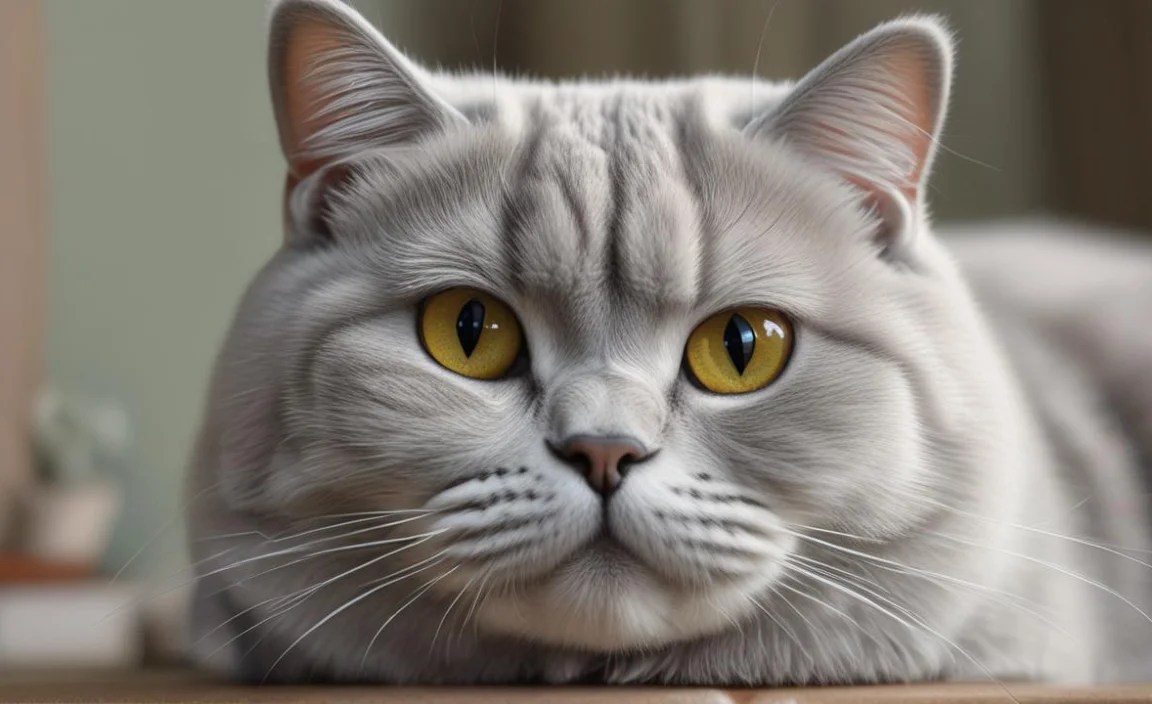
Before we dive into the specifics of British Shorthair intelligence, let’s talk about what “intelligence” really means when it comes to cats. It’s not as simple as teaching them tricks like dogs do. Cat intelligence is more about problem-solving, adaptability, and learning from their environment.
Defining Feline Smarts
When we talk about cat intelligence, we’re generally looking at a few key areas:
- Problem-solving: Can they figure out how to get to a treat or open a door?
- Adaptability: How well do they adjust to new situations or environments?
- Learning: Can they learn from observation or through training?
- Communication: How effectively do they communicate their needs and desires?
These factors help us get a sense of how a cat processes information and interacts with the world around them. It’s also important to remember that every cat is an individual, and their intelligence can vary even within the same breed.
How Different Breeds Compare
Different cat breeds have been bred for different purposes, which can influence their intelligence and behavior. For example:
- Siamese: Known for being highly vocal and intelligent, often quick learners.
- Abyssinian: Very active and curious, excel at problem-solving and exploring.
- Persian: More laid-back and less demanding in terms of intellectual stimulation.
- Maine Coon: Intelligent and trainable, often described as “dog-like” in their behavior.
So, where do British Shorthairs fit into this spectrum? Let’s find out!
British Shorthair Intelligence: A Closer Look

British Shorthairs are often described as moderately intelligent. They might not be the most energetic or demanding breed, but they have a quiet, observant intelligence that’s all their own. They are independent cats, which means they don’t constantly need attention or stimulation.
Key Characteristics of Their Intelligence
Here’s what sets British Shorthair intelligence apart:
- Observational Learning: They learn by watching you and their environment. They might not be quick to perform tricks, but they pick up on routines and patterns.
- Problem-Solving: They can figure out simple puzzles and challenges, especially when food is involved!
- Independence: They are content to entertain themselves, which indicates a level of self-sufficiency and mental stimulation.
- Calm Demeanor: They aren’t usually hyperactive or demanding, which can sometimes be mistaken for a lack of intelligence. In reality, they’re just more relaxed.
Their intelligence is more about practicality and quiet observation than high-energy antics.
Comparing Them to Other Breeds
To give you a clearer picture, let’s compare British Shorthairs to some other popular breeds:
| Breed | Intelligence Level | Key Traits |
|---|---|---|
| British Shorthair | Moderate | Observational, independent, calm |
| Siamese | High | Vocal, curious, quick learner |
| Abyssinian | High | Active, playful, problem-solver |
| Persian | Low to Moderate | Docile, relaxed, less demanding |
| Maine Coon | Moderate to High | Trainable, social, adaptable |
As you can see, British Shorthairs fall somewhere in the middle. They might not be as overtly intelligent as a Siamese or Abyssinian, but they’re certainly not lacking in smarts.
How British Shorthairs Learn

Understanding how your British Shorthair learns is key to engaging their mind and providing the right kind of stimulation. They are not always motivated by treats or toys, so you need to be creative.
Observational Learning
British Shorthairs are masters of observation. They watch everything you do and learn from your actions. This means they can pick up on routines, like when it’s feeding time or when you’re about to leave the house. They also learn from watching other cats or pets in the household. According to the RSPCA, cats often learn by mimicking behaviors they observe.
Positive Reinforcement
While British Shorthairs might not be as food-motivated as some other breeds, positive reinforcement can still be effective. Use treats, praise, or petting to reward them when they do something you like. Keep training sessions short and fun to hold their attention. Remember, patience is key!
Puzzle Toys and Games
Puzzle toys are a great way to challenge your British Shorthair’s mind. These toys require them to solve a problem to get a treat or toy. Start with simple puzzles and gradually increase the difficulty as they get the hang of it. Games like hide-and-seek can also be fun and engaging.
Activities to Stimulate Their Minds

Keeping your British Shorthair mentally stimulated is important for their overall well-being. Here are some activities to try:
- Puzzle Feeders: These feeders require your cat to work for their food, stimulating their mind and preventing boredom.
- Interactive Toys: Toys that move, make noise, or require your cat to chase and pounce can keep them entertained for hours.
- Window Perch: A window perch provides a view of the outside world, allowing your cat to watch birds, squirrels, and other interesting sights.
- Training Sessions: Short, positive training sessions can be a fun way to bond with your cat and challenge their mind.
- Catnip: Catnip can provide a burst of stimulation and playfulness for some cats.
Remember to observe your cat’s behavior and adjust the activities to suit their individual preferences. The goal is to keep them engaged and happy.
Common Misconceptions About British Shorthair Intelligence

There are a few common misconceptions about British Shorthair intelligence that I want to clear up:
- They’re lazy: British Shorthairs are not lazy; they’re just more relaxed and independent than some other breeds.
- They’re not trainable: While they might not be as eager to please as some breeds, they can be trained with patience and positive reinforcement.
- They’re not intelligent: Their intelligence is more about observation and problem-solving than performing tricks.
Don’t underestimate your British Shorthair’s intelligence. They are smart cats in their own unique way.
Signs of Intelligence in Your British Shorthair
How can you tell if your British Shorthair is intelligent? Here are some signs to look for:
- Problem-solving skills: Can they figure out how to open doors, get to treats, or solve puzzle toys?
- Observational learning: Do they learn from watching you or other pets?
- Adaptability: How well do they adjust to new environments or situations?
- Communication: Do they communicate their needs and desires effectively?
- Memory: Do they remember routines, people, or places?
If your British Shorthair exhibits these signs, you can be sure they’re a smart cookie!
Boosting Your British Shorthair’s Brainpower
Want to help your British Shorthair reach their full intellectual potential? Here are some tips:
- Provide plenty of mental stimulation: Offer puzzle toys, interactive games, and window perches.
- Engage in regular play sessions: Playtime is a great way to bond with your cat and challenge their mind.
- Offer training opportunities: Teach them simple commands or tricks using positive reinforcement.
- Create a stimulating environment: Provide plenty of opportunities for exploration and discovery.
- Pay attention to their individual needs: Adjust your approach to suit your cat’s personality and preferences.
With a little effort, you can help your British Shorthair thrive both mentally and physically.
FAQ About British Shorthair Intelligence
Are British Shorthairs dumb cats?
No, British Shorthairs are not dumb! They are moderately intelligent cats known for their observational learning and problem-solving skills. They might not be as hyperactive as some breeds, but they are certainly not lacking in smarts.
Can British Shorthairs be trained?
Yes, British Shorthairs can be trained, but it requires patience and positive reinforcement. They respond well to treats, praise, and petting. Keep training sessions short and fun to hold their attention.
What are some good puzzle toys for British Shorthairs?
Puzzle feeders, treat-dispensing toys, and interactive games are all great options for British Shorthairs. Start with simple puzzles and gradually increase the difficulty as they get the hang of it.
How can I tell if my British Shorthair is bored?
Signs of boredom in British Shorthairs include excessive sleeping, overeating, destructive behavior, and a lack of interest in play. If you notice these signs, it’s time to provide more mental stimulation.
Do British Shorthairs need a lot of attention?
British Shorthairs are relatively independent cats and don’t require constant attention. However, they still need regular interaction and playtime to stay happy and healthy.
Are British Shorthairs good with children?
Yes, British Shorthairs are generally good with children. They are known for their calm and patient demeanor, making them a great choice for families.
How smart are British Shorthair kittens?
British Shorthair kittens are curious and playful, and they start learning from a young age. They are quick to pick up on routines and learn from their environment. Providing them with plenty of toys and opportunities for exploration can help them develop their intelligence.
Conclusion
So, are British Shorthairs intelligent cats? Absolutely! While they might not be the most demanding or hyperactive breed, they possess a unique brand of intelligence characterized by observation, problem-solving, and independence. They learn by watching, respond well to positive reinforcement, and enjoy puzzle toys and games. By understanding their specific learning style and providing the right kind of stimulation, you can help your British Shorthair thrive both mentally and physically.
Don’t underestimate the quiet intelligence of your British Shorthair. With a little patience and understanding, you can unlock their full potential and enjoy a rewarding relationship with these wonderful cats. They might not be showy, but their calm, observant nature makes them intelligent companions who enrich our lives in their own special way.


