
British Shorthair Grooming Behavior: The Smart Guide

Quick Summary: British Shorthairs are known for their easygoing nature and relatively low-maintenance grooming needs. Regular brushing, about once or twice a week, helps manage shedding and prevent mats. Introduce grooming early in kittenhood to make it a positive experience. Pay special attention to nail trimming and occasional ear cleaning for a happy, healthy cat!
Is your British Shorthair leaving fur all over your furniture? Or maybe you’re wondering how to keep that plush coat looking its best without constant fuss? Grooming your British Shorthair doesn’t have to be a chore! These cats are naturally clean and don’t require as much grooming as some other breeds. But a little attention goes a long way in keeping them happy and healthy. I’m Frances O’Brien, and I’ll guide you through everything you need to know to make grooming a breeze!
In this article, we’ll cover the basics of British Shorthair grooming, from brushing techniques to nail care and even some tips on making bath time less stressful (if needed!). We’ll also explore what grooming behaviors are normal for this breed and what might signal a problem. Let’s get started!
Understanding British Shorthair Grooming Needs

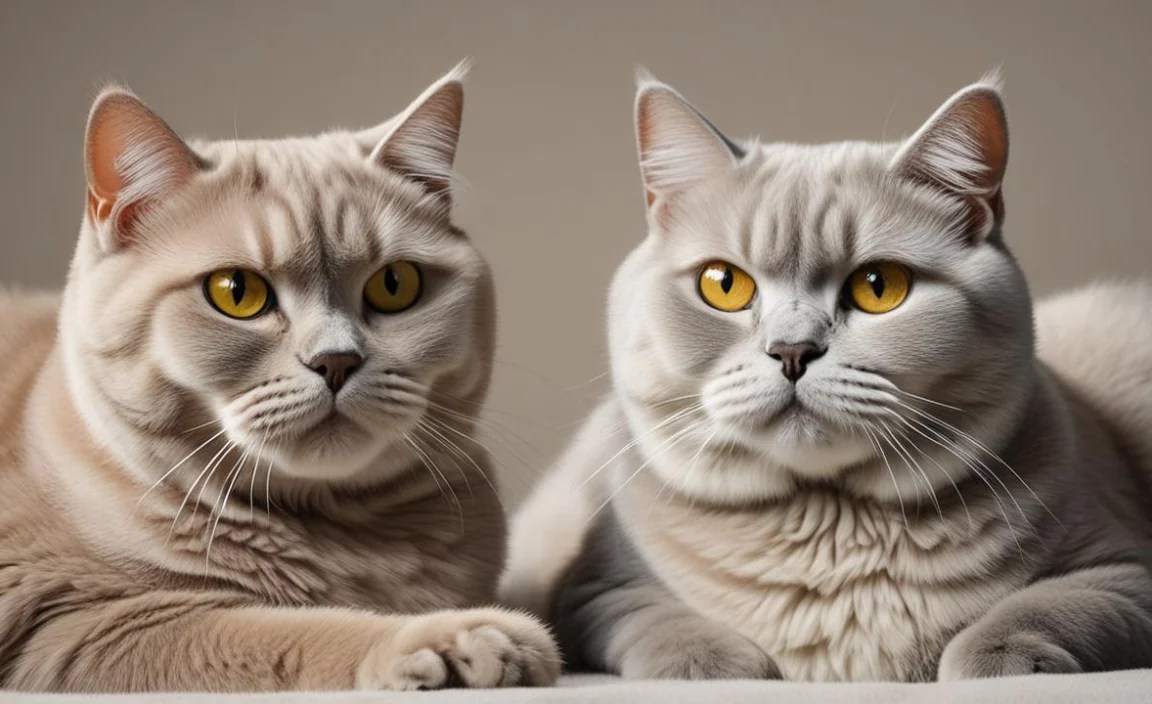
British Shorthairs have a unique coat: dense, plush, and almost teddy-bear-like. This lovely coat requires specific care to avoid matting and manage shedding. Regular grooming not only keeps your cat looking good but also contributes significantly to their overall well-being. Neglecting their grooming needs can lead to discomfort and potential health issues.
Why is Grooming Important?
Grooming offers numerous benefits for your British Shorthair:
- Reduces Shedding: Regular brushing removes loose fur, minimizing the amount of hair your cat swallows while self-grooming, which in turn reduces hairballs.
- Prevents Matting: The dense coat of a British Shorthair is prone to matting, especially in areas like behind the ears and under the legs. Consistent brushing prevents this.
- Stimulates Circulation: Brushing massages the skin, promoting healthy blood flow and a shiny coat.
- Early Health Check: Grooming provides an opportunity to check for any lumps, bumps, or skin irritations that may require veterinary attention.
- Bonding Experience: Grooming can be a relaxing and enjoyable experience for both you and your cat, strengthening your bond.
Normal Grooming Behaviors in British Shorthairs
British Shorthairs are generally clean cats and will spend a good portion of their day grooming themselves. Here’s what you can expect:
- Self-Grooming: Regular licking and cleaning of their fur.
- Occasional Scratching: Scratching is a natural behavior that helps remove dead skin and keep their claws healthy. Providing scratching posts is essential.
- Hairball Regurgitation: While they do groom themselves, occasional hairballs are still possible, especially during shedding season.
Abnormal Grooming Behaviors to Watch For
Changes in your cat’s grooming habits can indicate underlying health issues. Contact your veterinarian if you observe any of the following:
- Excessive Grooming: Over-grooming, leading to bald spots or skin irritation, can be a sign of stress, allergies, or pain.
- Lack of Grooming: A sudden decrease in grooming can indicate illness, obesity, or dental problems.
- Aggression During Grooming: If your cat suddenly becomes aggressive or resistant to being touched, it could be a sign of pain or discomfort.
Step-by-Step Grooming Guide for British Shorthairs

Now, let’s dive into the practical steps of grooming your British Shorthair. Remember to be patient and gentle, especially when introducing grooming to a kitten.
Step 1: Gathering Your Supplies
Before you begin, gather all the necessary tools. This will make the process smoother and more efficient.
- Slicker Brush: Ideal for removing loose fur and preventing mats.
- Metal Comb: Useful for detangling knots and checking for mats after brushing.
- Nail Clippers: Specifically designed for cats. Scissor-type or guillotine-type clippers are both suitable.
- Ear Cleaning Solution: A veterinarian-approved ear cleaner for cats.
- Cotton Balls: For cleaning the ears.
- Cat Shampoo (Optional): Only use a shampoo formulated for cats if a bath is necessary.
- Soft Towel: For drying after a bath (if needed).
- Treats: To reward your cat and make the experience positive.
Step 2: Brushing Your British Shorthair
Regular brushing is the cornerstone of British Shorthair grooming. Aim to brush your cat at least once or twice a week.
- Start Slowly: Let your cat sniff the brush and get used to its presence.
- Gentle Strokes: Begin by gently brushing your cat’s back, moving in the direction of the fur growth.
- Work Your Way Around: Brush the sides, chest, and legs, paying attention to areas prone to matting, such as behind the ears and under the armpits.
- Check for Mats: Use the metal comb to check for any knots or mats. If you find any, gently work them out with your fingers or a mat splitter.
- Reward Your Cat: Give your cat treats and praise throughout the grooming session to reinforce positive behavior.
Step 3: Nail Trimming
Regular nail trimming prevents overgrowth and damage to your furniture. Aim to trim your cat’s nails every 2-3 weeks.
- Get Your Cat Comfortable: Gently massage your cat’s paws to get them used to being handled.
- Extend the Claw: Gently squeeze the paw to extend the claw.
- Identify the Quick: The quick is the pink part of the nail that contains blood vessels and nerves. Avoid cutting into the quick, as it will cause pain and bleeding.
- Trim the Tip: Using the nail clippers, trim the tip of the nail, being careful to avoid the quick.
- Reward Your Cat: Give your cat treats and praise after each nail is trimmed.
Step 4: Ear Cleaning
Regular ear cleaning helps prevent infections and keeps your cat’s ears healthy. Check your cat’s ears weekly and clean them as needed.
- Check the Ears: Look for any signs of redness, discharge, or odor.
- Apply Ear Cleaning Solution: Gently fill the ear canal with the veterinarian-approved ear cleaning solution.
- Massage the Base of the Ear: Massage the base of the ear for about 30 seconds to loosen any debris.
- Wipe Clean: Use a cotton ball to gently wipe away any discharge or debris. Do not insert the cotton ball into the ear canal.
- Reward Your Cat: Give your cat treats and praise after cleaning their ears.
Step 5: Bathing (If Necessary)
British Shorthairs rarely need baths unless they get into something particularly messy. Over-bathing can strip their coat of its natural oils and cause skin irritation.
- Brush First: Brush your cat thoroughly before bathing to remove any mats or loose fur.
- Wet Your Cat: Use lukewarm water to wet your cat’s fur, avoiding the head and ears.
- Apply Shampoo: Apply a small amount of cat shampoo and gently massage it into the fur.
- Rinse Thoroughly: Rinse your cat thoroughly with lukewarm water until all the shampoo is removed.
- Dry Your Cat: Use a soft towel to dry your cat as much as possible. You can also use a low-heat hairdryer, but be careful not to burn your cat’s skin.
- Reward Your Cat: Give your cat treats and praise after the bath.
Choosing the Right Grooming Tools

Selecting the right grooming tools can make a big difference in the effectiveness and comfort of the grooming process. Here’s a breakdown of recommended tools and what to look for:
| Tool | Description | Benefits |
|---|---|---|
| Slicker Brush | A brush with fine, angled wire bristles. | Effectively removes loose fur and prevents mats, especially in dense coats. |
| Metal Comb | A comb with wide and narrow teeth. | Helps detangle knots and check for mats after brushing. The different tooth widths are useful for various coat textures. |
| Nail Clippers (Scissor or Guillotine) | Specialized clippers for trimming cat nails. | Keeps nails at a manageable length, preventing overgrowth and damage to furniture. |
| Ear Cleaning Solution | A veterinarian-approved solution for cleaning cat ears. | Helps prevent ear infections by removing wax and debris. |
| Cat Shampoo | A shampoo specifically formulated for cats. | Gently cleanses the fur without stripping it of its natural oils. |
Tips for a Stress-Free Grooming Experience

Some cats love being groomed, while others tolerate it. Here are some tips to make the experience as stress-free as possible for your British Shorthair:
- Start Early: Introduce grooming to your cat as a kitten to get them used to the process.
- Positive Reinforcement: Use treats, praise, and toys to reward your cat for good behavior during grooming.
- Keep it Short: Start with short grooming sessions and gradually increase the duration as your cat becomes more comfortable.
- Choose a Calm Environment: Groom your cat in a quiet, comfortable place where they feel safe.
- Be Gentle: Use gentle strokes and avoid pulling or tugging on their fur.
- Watch for Signs of Stress: If your cat shows signs of stress, such as hissing, swatting, or trying to escape, stop the grooming session and try again later.
- Consider Professional Grooming: If you’re struggling to groom your cat at home, consider taking them to a professional groomer.
Addressing Common Grooming Challenges
Even with the best intentions, you might encounter some challenges when grooming your British Shorthair. Here’s how to handle some common issues:
| Challenge | Solution |
|---|---|
| Matting | Use a mat splitter or detangling spray to gently work out the mat. If the mat is severe, consult a professional groomer. |
| Nail Trimming Resistance | Try trimming just one or two nails at a time. Wrap your cat in a towel to restrain them if necessary. |
| Ear Cleaning Resistance | Start by just touching your cat’s ears and rewarding them with treats. Gradually introduce the ear cleaning solution. |
| Bathing Aversion | Make sure the water is lukewarm and the environment is calm. Use a cat-specific shampoo and avoid getting water in their eyes and ears. |
The Role of Diet in Coat Health
A healthy diet is essential for maintaining a healthy coat. Feed your British Shorthair a high-quality cat food that is rich in protein, omega-3 fatty acids, and other essential nutrients. Consider these points:
- High-Quality Protein: Look for cat foods with real meat as the primary ingredient.
- Omega-3 Fatty Acids: These fatty acids promote healthy skin and a shiny coat. They can be found in fish oil supplements or cat foods that contain fish oil.
- Hydration: Make sure your cat has access to fresh water at all times. Dehydration can lead to dry, brittle fur.
Consult with your veterinarian to determine the best diet for your British Shorthair based on their age, weight, and health condition.
When to Seek Professional Help
While most grooming tasks can be performed at home, there are times when it’s best to seek professional help. Consider a professional groomer if:
- Your cat has severe mats that you can’t remove at home.
- Your cat is aggressive or resistant to grooming.
- You’re unsure how to properly trim your cat’s nails or clean their ears.
- Your cat has underlying health issues that make grooming difficult.
A professional groomer has the expertise and tools to safely and effectively groom your British Shorthair, ensuring their comfort and well-being.
FAQ About British Shorthair Grooming
Here are some frequently asked questions about grooming British Shorthairs:
- How often should I brush my British Shorthair?
- Aim to brush your British Shorthair at least once or twice a week to prevent mats and reduce shedding.
- Do British Shorthairs need baths?
- British Shorthairs rarely need baths unless they get into something particularly messy. Over-bathing can dry out their skin.
- How often should I trim my cat’s nails?
- Trim your cat’s nails every 2-3 weeks to prevent overgrowth and damage to your furniture.
- How can I make grooming less stressful for my cat?
- Start grooming early in kittenhood, use positive reinforcement, keep sessions short, and create a calm environment.
- What are the signs of abnormal grooming behavior?
- Excessive grooming, lack of grooming, or aggression during grooming can indicate underlying health issues. Consult your veterinarian if you notice any of these signs.
- What type of brush is best for a British Shorthair?
- A slicker brush is ideal for removing loose fur and preventing mats in the dense coat of a British Shorthair.
- Can diet affect my cat’s coat health?
- Yes, a high-quality diet rich in protein and omega-3 fatty acids is essential for maintaining a healthy and shiny coat.
Conclusion
Grooming your British Shorthair is a vital part of responsible cat ownership. With the right tools, techniques, and a little patience, you can keep your feline friend looking and feeling their best. Remember to be gentle, consistent, and always prioritize your cat’s comfort and well-being. If you ever have concerns about your cat’s grooming habits or health, don’t hesitate to consult with your veterinarian or a professional groomer. Happy grooming!


