
Easy British Shorthair Cat Ear Cleaning Guide

Quick Summary: Cleaning your British Shorthair’s ears is easy! Gently wipe the outer ear with a pet-safe ear cleaner and a soft cloth. Avoid inserting anything into the ear canal. Check ears weekly for wax or discharge, and consult your vet if you notice redness, swelling, or excessive debris. Regular cleaning helps prevent infections and keeps your kitty happy and healthy.
Is your British Shorthair shaking its head or scratching its ears more than usual? Ear cleaning is an essential part of your British Shorthair’s grooming routine, but it can seem a bit daunting at first. Don’t worry, it’s simpler than you think!
Neglecting ear hygiene can lead to discomfort and infections, but with the right approach, you can keep your feline friend’s ears clean and healthy. In this guide, I’ll walk you through the process step-by-step, ensuring a stress-free experience for both you and your beloved British Shorthair.
We’ll cover everything from gathering the right supplies to recognizing potential problems that warrant a vet visit. Get ready to learn how to make ear cleaning a breeze!
Why is Ear Cleaning Important for British Shorthairs?

British Shorthairs, with their adorable round faces and plush coats, are generally healthy cats. However, their ear health needs attention. Regular ear cleaning helps prevent common issues. Let’s explore why it’s so important:
- Prevents Infections: Excess wax and debris can create a breeding ground for bacteria and yeast, leading to painful ear infections.
- Early Detection of Problems: Regular cleaning allows you to spot early signs of issues like mites, inflammation, or discharge.
- Maintains Comfort: Clean ears mean a happier, more comfortable cat. Imagine having itchy, waxy ears – not fun!
- Reduces Odor: Buildup in the ears can cause unpleasant odors. Keeping them clean helps maintain overall hygiene.
According to the RSPCA, regular grooming, including ear checks, is crucial for your pet’s wellbeing. Now, let’s delve into when and how often you should clean your British Shorthair’s ears.
How Often Should You Clean Your British Shorthair’s Ears?

The frequency of ear cleaning depends on your cat’s individual needs. Here are some general guidelines:
- Healthy Cats: For British Shorthairs with no known ear issues, cleaning every 1-2 weeks is usually sufficient.
- Cats Prone to Wax Buildup: If your cat tends to accumulate wax quickly, you might need to clean their ears weekly.
- Outdoor Cats: Cats who spend time outdoors may need more frequent cleaning due to increased exposure to dirt and debris.
- Consult Your Vet: If you’re unsure, ask your veterinarian for personalized advice. They can assess your cat’s ears and recommend a cleaning schedule.
Keep an eye out for signs that your cat’s ears need cleaning, such as:
- Excessive scratching or head shaking
- Dark discharge or buildup
- Redness or swelling
- Unpleasant odor
If you notice any of these signs, it’s time for a cleaning session! Next, let’s gather the supplies you’ll need.
Gathering Your Supplies

Before you start, make sure you have everything you need within reach. This will make the process smoother and less stressful for your cat. Here’s a list of essential supplies:
- Pet-Safe Ear Cleaning Solution: Choose a solution specifically formulated for cats. Avoid using alcohol or hydrogen peroxide, as these can be irritating.
- Soft Cotton Balls or Pads: These are gentle on your cat’s ears and effective for removing debris.
- Soft Cloth or Towel: To clean up any spills and keep your cat comfortable.
- Treats: Positive reinforcement is key! Reward your cat with treats to make the experience more pleasant.
- Optional: A partner to help hold your cat if needed.
Here’s a quick look at the pros and cons of different ear cleaning solutions:
| Type of Solution | Pros | Cons |
|---|---|---|
| Enzymatic Ear Cleaners | Gentle, effective for removing wax and debris | May be slightly more expensive |
| Antiseptic Ear Cleaners | Help prevent infections, good for cats prone to ear problems | Can be drying if used too frequently |
| Saline Solutions | Very gentle, good for sensitive ears | May not be as effective for heavy wax buildup |
Now that you have your supplies ready, let’s move on to the step-by-step guide.
Step-by-Step Guide to Cleaning Your British Shorthair’s Ears

Ready to get started? Follow these simple steps to clean your British Shorthair’s ears safely and effectively:
- Choose a Calm Environment: Select a quiet, comfortable space where your cat feels secure. Avoid noisy areas or places with a lot of activity.
- Position Your Cat: Gently place your cat on your lap or a stable surface. If you have a helper, they can gently restrain your cat to prevent squirming.
- Inspect the Ears: Before you start cleaning, take a close look at your cat’s ears. Check for any signs of redness, swelling, discharge, or unusual odors. If you notice anything concerning, consult your veterinarian before proceeding.
- Apply the Cleaning Solution: Saturate a cotton ball or pad with the ear cleaning solution. Gently squeeze out any excess liquid to prevent it from dripping into your cat’s ear canal.
- Clean the Outer Ear: Use the saturated cotton ball to gently wipe the outer ear flap and the area around the ear canal opening. Be thorough but gentle, removing any visible wax, dirt, or debris.
- Avoid the Ear Canal: Never insert cotton swabs or other objects into your cat’s ear canal. This can push debris further in and potentially damage the eardrum. Focus on cleaning the outer ear only.
- Massage the Base of the Ear: After cleaning the outer ear, gently massage the base of your cat’s ear for a few seconds. This helps to loosen any remaining debris and encourages your cat to shake their head, which can help dislodge any excess solution.
- Allow Your Cat to Shake: Let your cat shake their head to remove any remaining solution or debris. This is a natural part of the cleaning process and helps to dry the ear canal.
- Wipe Away Excess: Use a clean, dry cotton ball or soft cloth to wipe away any excess solution or debris from around your cat’s ears.
- Reward Your Cat: Give your cat plenty of praise and a tasty treat to reward them for their cooperation. This will help them associate ear cleaning with positive experiences.
- Repeat on the Other Ear: Follow the same steps to clean your cat’s other ear.
Remember to be patient and gentle throughout the process. If your cat becomes stressed or agitated, take a break and try again later. With practice and positive reinforcement, ear cleaning can become a routine part of your cat’s grooming regimen.
Recognizing Potential Problems
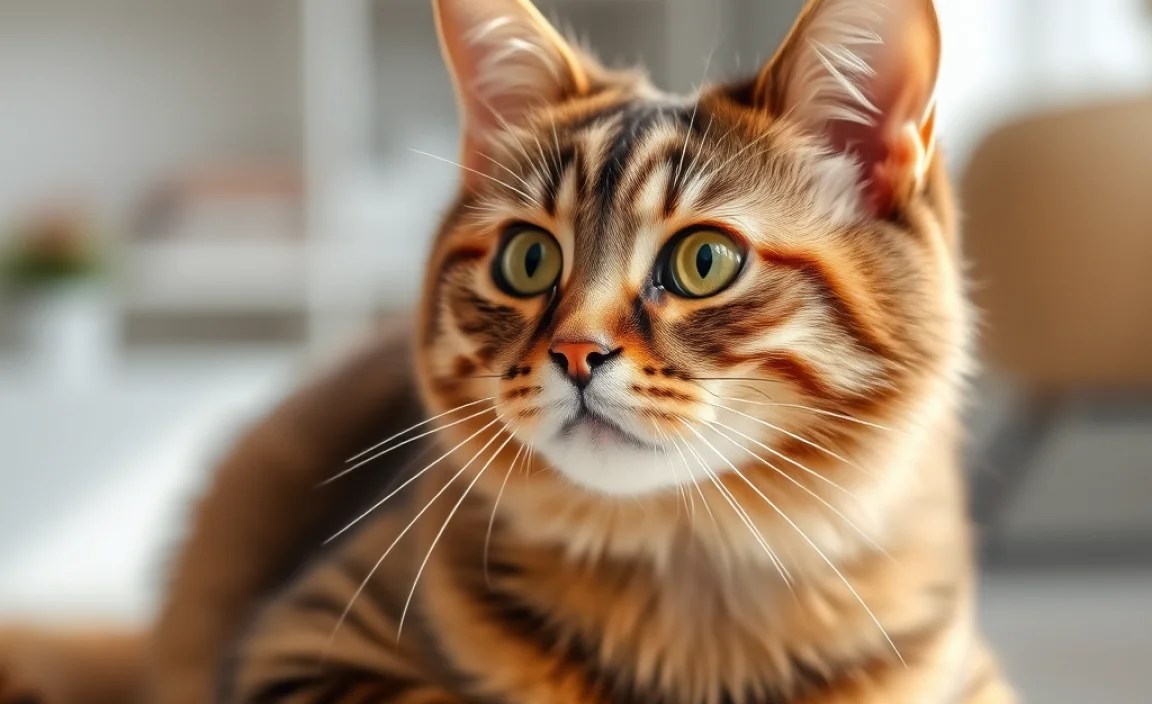
While cleaning your British Shorthair’s ears, it’s essential to be vigilant for any signs of potential problems. Early detection and treatment can prevent minor issues from becoming serious. Here are some red flags to watch out for:
- Excessive Scratching or Head Shaking: These behaviors can indicate irritation, inflammation, or infection.
- Redness or Swelling: Redness or swelling around the ear canal opening may be a sign of inflammation or infection.
- Discharge: Any unusual discharge, whether it’s dark, smelly, or bloody, warrants a vet visit.
- Unpleasant Odor: A foul odor coming from your cat’s ears is often a sign of infection.
- Pain or Sensitivity: If your cat flinches or pulls away when you touch their ears, they may be experiencing pain or discomfort.
- Changes in Hearing: If you notice that your cat is not responding to sounds as usual, it could indicate a hearing problem.
If you observe any of these symptoms, it’s crucial to consult your veterinarian promptly. They can perform a thorough examination, diagnose the underlying cause, and recommend appropriate treatment. Delaying treatment can lead to more severe complications, such as chronic ear infections or hearing loss.
When to See a Veterinarian
While regular ear cleaning can help prevent many ear problems, there are certain situations where professional veterinary care is necessary. Here are some guidelines to help you determine when to seek veterinary attention:
- Suspected Ear Infection: If you suspect your cat has an ear infection based on the symptoms mentioned above, it’s essential to see a vet. Ear infections often require prescription medications, such as antibiotics or antifungals, to clear up.
- Ear Mites: Ear mites are tiny parasites that can infest your cat’s ears, causing intense itching and irritation. Your vet can diagnose ear mites and prescribe appropriate treatment to eliminate them.
- Foreign Objects: If you suspect that your cat has a foreign object lodged in their ear, such as a piece of grass or an insect, it’s crucial to seek veterinary care. Attempting to remove the object yourself can cause further damage.
- Recurring Ear Problems: If your cat experiences frequent ear infections or other ear problems, it’s essential to consult your vet to identify any underlying causes. They may recommend allergy testing or other diagnostic procedures to determine the root of the problem.
- Uncertainty: If you’re unsure about the best course of action for your cat’s ear health, it’s always best to err on the side of caution and consult your veterinarian. They can provide expert advice and guidance based on your cat’s individual needs.
Remember, your veterinarian is your best resource for any health concerns related to your British Shorthair. Don’t hesitate to reach out to them if you have any questions or concerns about your cat’s ears.
Tips for a Stress-Free Ear Cleaning Experience
Ear cleaning doesn’t have to be a battle! With the right approach, you can make it a positive experience for both you and your British Shorthair. Here are some tips to help you create a stress-free ear cleaning routine:
- Start Early: Introduce ear cleaning to your cat when they are young to help them get used to the process. Start by simply touching their ears and rewarding them with treats. Gradually introduce the cleaning solution and cotton balls.
- Be Gentle: Always handle your cat’s ears with care. Avoid pulling or tugging on their ears, as this can cause pain and discomfort.
- Use Positive Reinforcement: Reward your cat with praise, treats, and affection throughout the ear cleaning process. This will help them associate ear cleaning with positive experiences.
- Keep it Short: If your cat becomes stressed or agitated, keep the cleaning session short and sweet. You can always finish the job later.
- Choose the Right Time: Select a time when your cat is relaxed and receptive to handling. Avoid attempting to clean their ears when they are feeling playful or energetic.
- Create a Routine: Establish a regular ear cleaning schedule to help your cat get used to the process. Consistency can make ear cleaning less stressful over time.
- Stay Calm: Cats are sensitive to their owner’s emotions. If you’re feeling anxious or stressed, your cat will pick up on it. Stay calm and relaxed to help your cat feel more comfortable.
Here is a quick reference table to recap the key do’s and don’ts of ear cleaning:
| Do’s | Don’ts |
|---|---|
| Use a pet-safe ear cleaning solution. | Use alcohol or hydrogen peroxide. |
| Be gentle and patient. | Insert cotton swabs into the ear canal. |
| Reward your cat with treats. | Clean ears if there are signs of infection. |
| Clean the outer ear only. | Force your cat if they are resisting. |
| Consult your vet if you have concerns. | Ignore signs of ear problems. |
The Science Behind Cat Ear Health
Understanding the anatomy and physiology of your British Shorthair’s ears can help you better care for them. A cat’s ear consists of three main parts: the outer ear, the middle ear, and the inner ear.
- Outer Ear: The outer ear includes the pinna (the visible part of the ear) and the ear canal. The pinna helps to collect sound waves and funnel them into the ear canal.
- Middle Ear: The middle ear contains the eardrum (tympanic membrane) and three tiny bones called ossicles. These structures work together to transmit sound vibrations from the eardrum to the inner ear.
- Inner Ear: The inner ear houses the cochlea, which is responsible for converting sound vibrations into electrical signals that are sent to the brain. The inner ear also contains the vestibular system, which helps to maintain balance.
Cats have a unique ability to clean their own ears to some extent. However, their ear canals are L-shaped, which can trap debris and moisture, making them more prone to ear problems. Regular ear cleaning helps to remove this buildup and prevent infections.
According to the Cornell Feline Health Center, genetics, allergies, and environmental factors can all play a role in a cat’s susceptibility to ear problems. Understanding these factors can help you take proactive steps to protect your British Shorthair’s ear health.
Frequently Asked Questions (FAQ)
1. What if my cat hates having their ears cleaned?
Start slowly and use positive reinforcement. Just touching their ears and giving a treat is a great start! Gradually introduce the cleaning solution, always pairing it with rewards.
2. Can I use baby wipes to clean my cat’s ears?
No, baby wipes are not recommended. They may contain ingredients that can irritate your cat’s ears. Always use a pet-safe ear cleaning solution.
3. My cat’s ears look clean. Do I still need to clean them?
Yes, even if they look clean, regular cleaning helps prevent wax buildup and potential infections. A quick wipe-down every 1-2 weeks is a good habit.
4. What are ear mites, and how do I know if my cat has them?
Ear mites are tiny parasites that cause intense itching and dark, crumbly debris in the ears. If you suspect ear mites, see your vet for diagnosis and treatment.
5. Can I use Q-tips to clean my cat’s ears?
No, Q-tips are not recommended. They can push debris further into the ear canal and potentially damage the eardrum. Focus on cleaning the outer ear only.
6. How do I store the ear cleaning solution?
Store the ear cleaning solution in a cool, dry place, away from direct sunlight and heat. Make sure the cap is tightly closed to prevent contamination.
7. Is it normal for my cat to shake their head after ear cleaning?
Yes, it’s normal for your cat to shake their head after ear cleaning. This helps to dislodge any remaining solution or debris from the ear canal.
Conclusion
Congratulations! You’re now equipped with the knowledge and skills to keep your British Shorthair’s ears clean and healthy. Remember, regular ear cleaning is an essential part of your cat’s grooming routine and can help prevent painful infections and other ear problems. By following the steps outlined in this guide and being attentive to your cat’s needs, you can make ear cleaning a positive experience for both of you.
Pay close attention to any signs of potential problems, such as excessive scratching, redness, or discharge, and don’t hesitate to consult your veterinarian if you have any concerns. With proper care and attention, you can help your British Shorthair enjoy a lifetime of healthy, happy ears. Here’s to many purr-fect years together!


