
Brushing Schedule to Prevent Dental Problems in British Shorthairs: Ultimate Guide

Quick Summary: To prevent dental problems in your British Shorthair, aim to brush their teeth daily. If that’s not possible, try for at least 3 times a week. Use a cat-specific toothbrush and toothpaste. Regular dental checkups at the vet are also essential to catch any issues early and keep your furry friend smiling!
Worried about your British Shorthair’s teeth? You’re not alone! Dental disease is super common in cats, and it can cause a lot of pain and discomfort. But don’t worry, with a good brushing routine, you can keep those pearly whites healthy and prevent problems before they start. This guide will walk you through creating the perfect brushing schedule, step-by-step. We’ll also cover some common dental issues and when it’s time to see the vet. Let’s get started on the path to a happier, healthier smile for your feline friend!
Why Dental Care Matters for British Shorthairs

British Shorthairs, like all cats, are prone to dental issues. Because of their genetics and sometimes their eating habits, dental disease is one of the most common health problems vets see. Regular dental care is important for a few reasons:
- Preventing Pain: Dental disease can cause pain, making it hard for your cat to eat and enjoy life.
- Avoiding Infections: Bad bacteria in the mouth can lead to infections that spread to other parts of the body.
- Saving Money: Regular care can prevent costly vet visits and treatments down the road.
- Improving Quality of Life: A healthy mouth means a happier, more comfortable cat.
Understanding Common Dental Problems in British Shorthairs

Let’s take a quick look at the dental issues that might affect your British Shorthair. Knowing what to look for can help you catch problems early.
- Gingivitis: This is inflammation of the gums. You might notice redness, swelling, or bleeding when you touch your cat’s gums.
- Periodontitis: This is a more advanced form of gum disease. It can cause bone loss and loose teeth.
- Tooth Resorption: This is when the tooth starts to break down and dissolve. It’s a painful condition that often requires tooth extraction. According to the Cornell Feline Health Center, tooth resorption is a common and painful condition in cats.
- Tartar Buildup: Tartar is hardened plaque. It can irritate the gums and lead to more serious dental problems.
Creating the Perfect Brushing Schedule
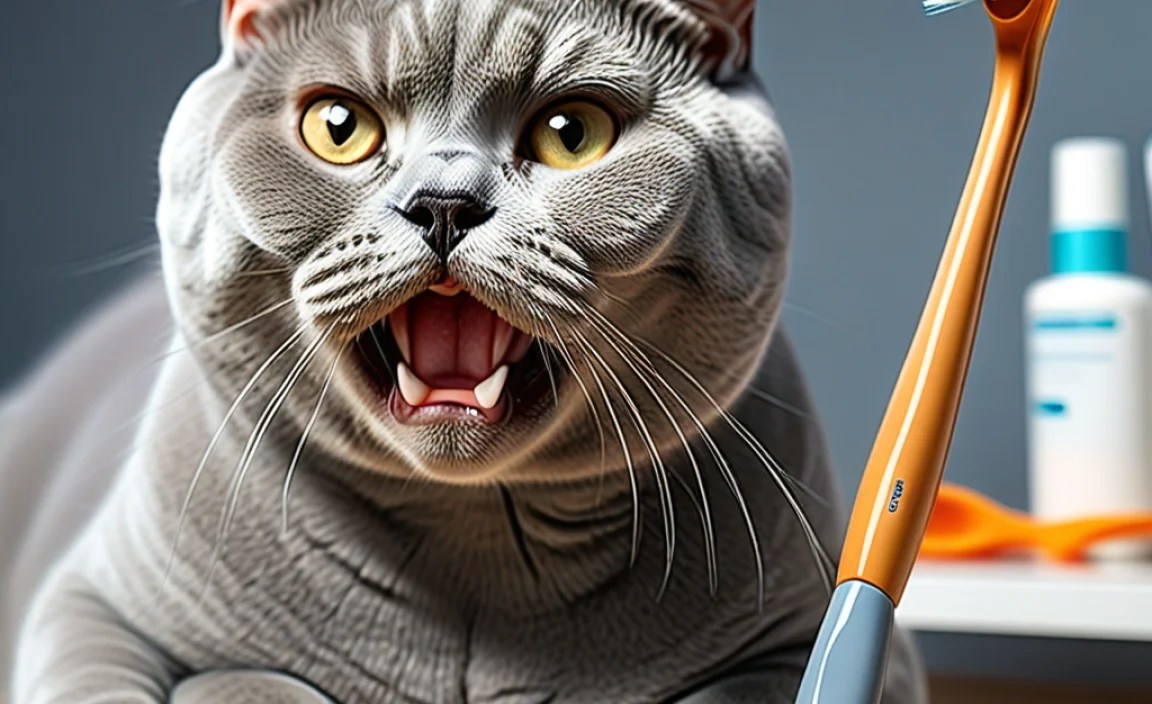
Now, let’s get to the heart of the matter: creating a brushing schedule that works for you and your British Shorthair. Consistency is key, but don’t worry, we’ll start slowly!
Step 1: Gather Your Supplies
Before you start, you’ll need a few things:
- Cat-Specific Toothbrush: These are smaller and softer than human toothbrushes. You can find them at most pet stores or online. Finger brushes are also an option.
- Cat-Specific Toothpaste: Never use human toothpaste! It contains ingredients that are toxic to cats. Cat toothpaste comes in flavors like chicken or fish, which cats usually love.
- A Quiet Space: Choose a place where your cat feels safe and relaxed.
- Rewards: Have some treats or praise ready to reward your cat for good behavior.
Step 2: Introduce the Toothpaste
Let your cat get used to the taste and smell of the toothpaste. Put a small amount on your finger and offer it to your cat to lick. Do this for a few days until your cat seems comfortable with it.
Step 3: Introduce the Toothbrush
Once your cat is okay with the toothpaste, introduce the toothbrush. Let your cat sniff and lick the brush. Put a little toothpaste on the brush and offer it to your cat.
Step 4: Start Brushing Slowly
Now, it’s time to start brushing! Gently lift your cat’s lip and brush a few teeth. Focus on the outside surfaces of the teeth. Don’t worry about getting the inside surfaces at first. Keep the sessions short – just a minute or two.
Step 5: Gradually Increase Brushing Time
Over time, gradually increase the amount of time you spend brushing. Work your way up to brushing all of your cat’s teeth, including the back molars. Aim for at least two minutes per session.
Step 6: Establish a Routine
Try to brush your cat’s teeth at the same time each day. This will help your cat get used to the routine. Choose a time when your cat is relaxed, such as after a meal or before bedtime.
Recommended Brushing Schedule
Here’s a suggested schedule to keep those teeth in tip-top shape:
| Day | Activity | Duration |
|---|---|---|
| Day 1 | Introduce toothpaste (lick from finger) | 1 minute |
| Day 2 | Introduce toothbrush (sniff and lick) | 1 minute |
| Day 3 | Brush a few front teeth | 1-2 minutes |
| Day 4-7 | Gradually increase brushing | 2 minutes |
| Ongoing | Daily brushing | 2-3 minutes |
Tips for a Successful Brushing Experience

Brushing your cat’s teeth can be challenging, but with patience and these tips, you can make it a positive experience for both of you:
- Be Patient: It may take time for your cat to get used to having their teeth brushed. Don’t get discouraged if they resist at first.
- Be Gentle: Use a soft touch and avoid pressing too hard on your cat’s gums.
- Be Positive: Praise your cat and offer treats during and after brushing. This will help them associate brushing with positive experiences.
- Watch for Signs of Discomfort: If your cat seems to be in pain, stop brushing and consult your vet.
Other Ways to Support Your British Shorthair’s Dental Health
Brushing is the most important thing you can do for your cat’s dental health, but there are other things you can do to support their oral hygiene:
- Dental Treats and Toys: Some treats and toys are designed to help clean your cat’s teeth as they chew. Look for products that are specifically designed for dental health.
- Dental Diets: Some cat foods are formulated to help reduce plaque and tartar buildup. These diets often have larger kibble sizes that encourage chewing.
- Regular Vet Checkups: Your vet can examine your cat’s teeth and gums during their annual checkup. They can also perform professional dental cleanings if needed.
Recognizing Signs of Dental Problems
Even with regular brushing, dental problems can still occur. Here are some signs that your British Shorthair may be experiencing dental issues:
- Bad Breath: This is often one of the first signs of dental disease.
- Drooling: Excessive drooling can indicate a problem with the teeth or gums.
- Difficulty Eating: If your cat is having trouble chewing or seems to be in pain when they eat, it could be a sign of dental problems.
- Pawing at the Mouth: Your cat may paw at their mouth if they are experiencing pain or discomfort.
- Weight Loss: Dental pain can make it difficult for your cat to eat, leading to weight loss.
- Red or Swollen Gums: These are signs of gingivitis or periodontitis.
- Loose Teeth: This is a sign of advanced periodontal disease.
When to See the Vet
If you notice any of the signs of dental problems listed above, it’s important to take your British Shorthair to the vet. Your vet can diagnose the problem and recommend the best course of treatment. They may also recommend a professional dental cleaning, which involves removing plaque and tartar from your cat’s teeth under anesthesia. According to the RSPCA, regular dental check-ups are crucial for maintaining your cat’s oral health and preventing serious dental issues.
Professional Dental Cleanings: What to Expect
A professional dental cleaning, also known as a “prophy,” is a more thorough cleaning than you can do at home. Here’s what usually happens during a dental cleaning:
- Anesthesia: Your cat will be put under general anesthesia to keep them still and comfortable during the procedure.
- Examination: The vet will examine your cat’s teeth and gums for any signs of problems.
- Scaling: A special tool is used to remove plaque and tartar from the teeth.
- Polishing: The teeth are polished to smooth the surfaces and prevent plaque from building up again.
- Fluoride Treatment: A fluoride treatment may be applied to help strengthen the teeth.
- X-rays: Dental X-rays may be taken to check for problems below the gum line.
After the cleaning, your vet will give you instructions on how to care for your cat’s teeth at home.
Cost of Dental Care
The cost of dental care for your British Shorthair can vary depending on the type of treatment needed. Routine dental checkups and cleanings are generally less expensive than more complex procedures, such as tooth extractions. Here’s a general idea of what you can expect to pay:
| Procedure | Estimated Cost |
|---|---|
| Routine Dental Checkup | £50 – £100 |
| Professional Dental Cleaning (without extractions) | £200 – £500 |
| Tooth Extraction | £100 – £300 per tooth |
| Dental X-rays | £100 – £200 |
It’s always a good idea to get an estimate from your vet before proceeding with any dental treatment. Pet insurance can also help cover the cost of dental care.
Frequently Asked Questions
1. How often should I brush my British Shorthair’s teeth?
Ideally, you should brush your cat’s teeth every day. If that’s not possible, aim for at least 3 times a week to keep plaque and tartar at bay.
2. Can I use human toothpaste on my cat?
No! Human toothpaste contains ingredients like fluoride and xylitol, which are toxic to cats. Always use a toothpaste specifically formulated for cats.
3. What if my cat hates having their teeth brushed?
Start slowly and be patient. Introduce the toothpaste and toothbrush gradually. Use positive reinforcement, like treats and praise. If your cat is really resistant, talk to your vet about other options.
4. Are dental treats and toys enough to keep my cat’s teeth clean?
Dental treats and toys can help, but they’re not a substitute for brushing. Think of them as a supplement to your cat’s regular dental care routine.
5. How do I know if my cat has a dental problem?
Look for signs like bad breath, drooling, difficulty eating, pawing at the mouth, and red or swollen gums. If you notice any of these signs, take your cat to the vet.
6. What is a professional dental cleaning?
A professional dental cleaning is a procedure performed by a vet to remove plaque and tartar from your cat’s teeth under anesthesia. It’s a more thorough cleaning than you can do at home.
7. How much does a professional dental cleaning cost?
The cost can vary, but typically ranges from £200 to £500, depending on the clinic, location, and if extractions or other procedures are needed.
Conclusion
Taking care of your British Shorthair’s teeth is one of the best things you can do for their overall health and well-being. By following the brushing schedule and tips outlined in this guide, you can help prevent dental problems and keep your furry friend smiling for years to come. Remember to be patient, be gentle, and make it a positive experience for both of you. And don’t forget to schedule regular checkups with your vet to ensure your cat’s teeth are in tip-top shape. With a little effort, you can help your British Shorthair enjoy a lifetime of healthy teeth and gums!


