
How to Prevent Sedentary British Shorthair Issues?

Quick Summary: British Shorthairs are prone to a sedentary lifestyle. To prevent related health issues, encourage daily activity with interactive toys, climbing structures, and regular play sessions. Consider puzzle feeders to stimulate their mind and body. Monitor their weight and adjust food portions as needed. Regular vet check-ups are essential to catch any early signs of health problems.
Is your British Shorthair spending more time napping than playing? It’s a common concern! These wonderful cats are known for their relaxed nature, but this can sometimes lead to a less active lifestyle. A sedentary lifestyle can cause health problems. But don’t worry! There are many simple and fun ways to keep your British Shorthair active and healthy. This guide will show you how to encourage your feline friend to get moving and enjoy a more playful life.
Understanding Sedentary Lifestyle Issues in British Shorthairs

British Shorthairs are naturally laid-back cats. While their calm demeanor is part of their charm, it also makes them prone to inactivity. Understanding the potential problems associated with a sedentary lifestyle is the first step in keeping your cat healthy.
Potential Health Problems
A lack of exercise can lead to several health issues in British Shorthairs. Here are some of the most common:
- Obesity: Excess weight puts strain on joints and organs, increasing the risk of diabetes and heart disease.
- Diabetes: Inactivity and obesity can lead to insulin resistance.
- Heart Disease: Overweight cats are more prone to heart problems.
- Arthritis: Extra weight puts stress on joints, leading to pain and reduced mobility.
- Urinary Problems: Reduced activity can affect urinary health.
Recognizing the Signs of a Sedentary Lifestyle
It’s important to be able to spot the signs of a sedentary lifestyle in your British Shorthair. Here are some things to watch out for:
- Excessive Sleeping: Sleeping more than usual, even for a cat.
- Lack of Interest in Play: Showing little or no interest in toys or playtime.
- Weight Gain: Noticeable increase in weight.
- Decreased Grooming: Neglecting grooming habits.
- Lethargy: Appearing tired and sluggish.
Step-by-Step Guide to Preventing Sedentary Lifestyle Issues

Now that you know the risks and signs, let’s look at how to prevent a sedentary lifestyle in your British Shorthair. Here’s a step-by-step guide:
Step 1: Encourage Daily Playtime
Making playtime a regular part of your cat’s day is crucial. Aim for at least 15-20 minutes of interactive play each day.
- Interactive Toys: Use toys that mimic prey, such as wands with feathers or toy mice.
- Laser Pointers: Many cats enjoy chasing laser pointers. Be careful not to shine it in their eyes.
- Puzzle Toys: These toys challenge your cat to solve a puzzle to get a treat.
- Rotate Toys: Keep your cat interested by rotating toys regularly.
Step 2: Create an Enriching Environment
A stimulating environment can encourage your cat to be more active.
- Climbing Structures: Cat trees and shelves provide opportunities for climbing and exploring.
- Window Perches: Cats love to watch the world outside. A window perch gives them a comfortable spot to observe.
- Scratching Posts: Encourage scratching on appropriate surfaces to keep their claws healthy and them active.
- Safe Outdoor Access: If possible, provide access to a safe, enclosed outdoor area.
Step 3: Use Puzzle Feeders
Puzzle feeders make mealtime more engaging and require your cat to work for their food.
- Slow Feeders: These bowls prevent your cat from eating too quickly.
- Treat Balls: Fill a treat ball with dry food and let your cat roll it around to release the food.
- Hide Food: Hide small portions of food around the house to encourage hunting behavior.
Step 4: Monitor Food Intake and Weight
Keeping an eye on your cat’s food intake and weight is essential for preventing obesity.
- Measure Food Portions: Follow the feeding guidelines on your cat food packaging.
- Avoid Overfeeding: Resist the urge to give your cat extra treats.
- Regular Weigh-Ins: Weigh your cat regularly to monitor weight changes.
- Consult Your Vet: Ask your vet for advice on the ideal weight and food portions for your cat.
Step 5: Regular Veterinary Check-ups
Regular vet visits are important for detecting any health problems early on.
- Annual Check-ups: Schedule annual check-ups with your vet.
- Blood Tests: Blood tests can help detect underlying health issues.
- Discuss Concerns: Talk to your vet about any concerns you have about your cat’s weight or activity level.
Step 6: Consider a Playmate
If your cat is alone for long periods, consider getting another cat or a friendly dog.
- Companionship: A playmate can provide companionship and encourage activity.
- Proper Introduction: Introduce new pets slowly and carefully.
- Supervise Interactions: Supervise interactions between pets to ensure they get along.
Practical Tips for Encouraging Activity
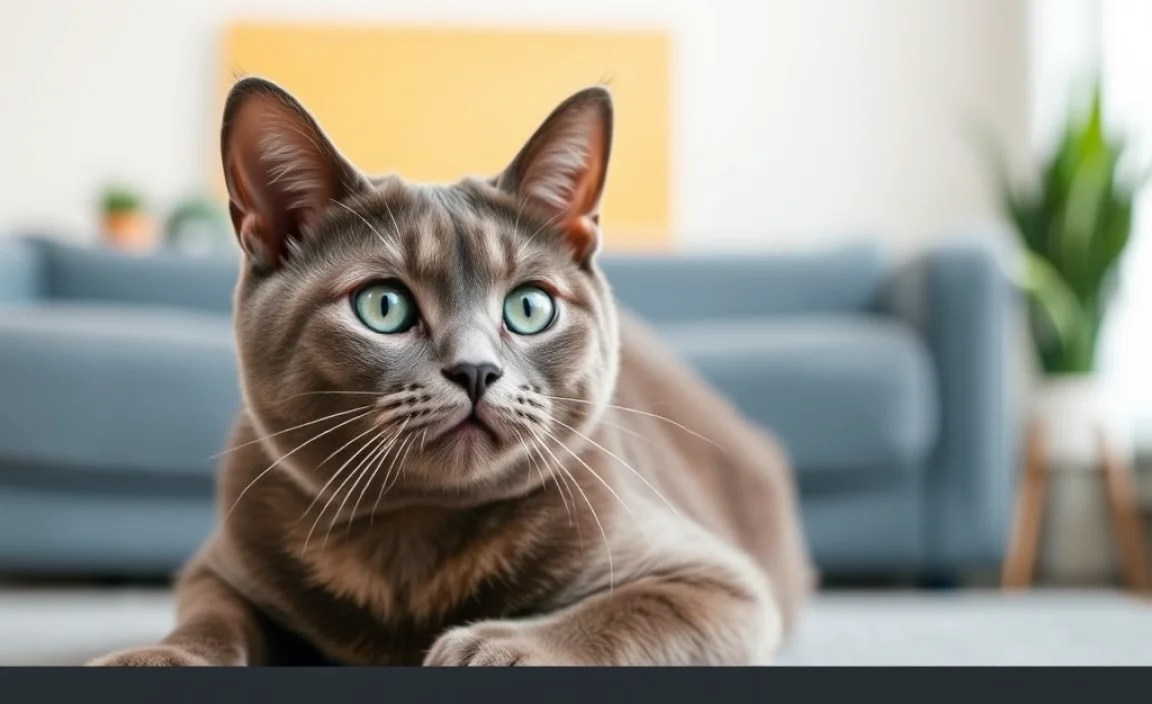
Here are some extra practical tips to help keep your British Shorthair active:
- Make Playtime a Routine: Set aside a specific time each day for playtime.
- Use Catnip: Catnip can stimulate playfulness.
- Vertical Space: Cats love to climb, so provide plenty of vertical space.
- Change the Environment: Occasionally rearrange furniture or introduce new toys.
- Clicker Training: Train your cat to perform tricks using a clicker and treats.
Choosing the Right Toys and Equipment

Selecting the right toys and equipment is crucial for keeping your British Shorthair engaged and active. Consider the following factors:
- Safety: Choose toys that are safe and non-toxic.
- Durability: Select toys that can withstand rough play.
- Interest: Observe your cat’s preferences and choose toys they find appealing.
- Variety: Offer a variety of toys to keep your cat interested.
Here’s a comparison table of different types of toys:
| Toy Type | Description | Benefits | Considerations |
|---|---|---|---|
| Wand Toys | A wand with feathers, ribbons, or other attachments. | Encourages chasing and pouncing. | Requires active participation from the owner. |
| Laser Pointers | A small device that emits a laser beam. | Provides exercise and mental stimulation. | Avoid shining in the cat’s eyes. |
| Puzzle Toys | Toys that require the cat to solve a puzzle to get a treat. | Provides mental stimulation and slows down eating. | May be frustrating for some cats. |
| Catnip Toys | Toys filled with catnip. | Stimulates playfulness and excitement. | Not all cats respond to catnip. |
| Scratching Posts | Posts covered in sisal or other materials for scratching. | Encourages scratching on appropriate surfaces. | Choose a sturdy and tall post. |
Nutrition and Weight Management

Proper nutrition is just as important as exercise when it comes to preventing a sedentary lifestyle in British Shorthairs. Here’s what you need to know:
Choosing the Right Food
- High-Quality Food: Select a high-quality cat food that is appropriate for your cat’s age and activity level.
- Protein Content: Ensure the food is high in protein to support muscle mass.
- Limited Carbohydrates: Choose a food with limited carbohydrates to prevent weight gain.
- Avoid Fillers: Avoid foods that contain fillers such as corn or soy.
Portion Control
- Measure Food: Use a measuring cup to ensure you are feeding the correct portion size.
- Follow Guidelines: Follow the feeding guidelines on the cat food packaging.
- Adjust as Needed: Adjust the portion size based on your cat’s weight and activity level.
Treats
- Limit Treats: Limit the number of treats you give your cat.
- Healthy Treats: Choose healthy treats that are low in calories.
- Consider Alternatives: Consider using small pieces of their regular food as treats.
Here’s a sample feeding schedule for a British Shorthair:
| Meal | Time | Portion |
|---|---|---|
| Breakfast | 7:00 AM | 1/4 cup dry food |
| Lunch | 12:00 PM | Puzzle toy with 1/8 cup dry food |
| Dinner | 6:00 PM | 1/4 cup dry food |
| Treats | Throughout the day | Limited to 10-15 small, healthy treats |
Addressing Common Challenges
Even with the best intentions, you may face some challenges when trying to encourage your British Shorthair to be more active. Here are some common challenges and how to address them:
Challenge: Cat is Not Interested in Toys
Solution: Try different types of toys, rotate toys regularly, and use catnip to stimulate interest.
Challenge: Cat is Overweight
Solution: Reduce food portions, switch to a weight management food, and increase playtime.
Challenge: Cat is Lazy
Solution: Make playtime a routine, use interactive toys, and create an enriching environment.
Challenge: Cat Has Joint Pain
Solution: Consult your vet for pain management options, provide soft bedding, and avoid high-impact activities.
Expert Advice and Resources
For more information and expert advice on preventing a sedentary lifestyle in British Shorthairs, consider the following resources:
- The International Cat Association (TICA): TICA Website
- Cornell Feline Health Center: Cornell Feline Health Center Website
- RSPCA: RSPCA Website
- Purina: Purina Website
FAQ: Preventing Sedentary Lifestyle Issues in British Shorthairs
Here are some frequently asked questions about preventing sedentary lifestyle issues in British Shorthairs:
Q: How much should my British Shorthair eat?
A: The amount of food your British Shorthair needs depends on their age, weight, and activity level. Follow the feeding guidelines on your cat food packaging and consult your vet for personalized advice.
Q: What are the best toys for British Shorthairs?
A: British Shorthairs enjoy interactive toys, such as wands with feathers, laser pointers, and puzzle toys. Rotate toys regularly to keep them interested.
Q: How can I tell if my cat is overweight?
A: You can tell if your cat is overweight by feeling their ribs. If you can’t easily feel their ribs, they may be overweight. You can also weigh your cat regularly to monitor weight changes.
Q: How often should I play with my British Shorthair?
A: Aim for at least 15-20 minutes of interactive play each day.
Q: Can I take my British Shorthair for walks?
A: Yes, you can train your British Shorthair to walk on a leash. Use a harness instead of a collar and start with short walks in a safe area.
Q: What are some signs of arthritis in cats?
A: Signs of arthritis in cats include decreased activity, stiffness, difficulty jumping, and reluctance to be touched.
Q: Is it okay for my British Shorthair to be an indoor cat?
A: Yes, British Shorthairs can thrive as indoor cats as long as they have plenty of opportunities for exercise and mental stimulation.
Conclusion
Preventing a sedentary lifestyle in your British Shorthair is essential for their health and well-being. By encouraging daily playtime, creating an enriching environment, monitoring their food intake, and scheduling regular vet check-ups, you can help your feline friend live a happy, healthy, and active life. Remember, a little effort goes a long way in ensuring your British Shorthair stays playful and fit for years to come. So, grab a toy, engage your cat, and enjoy the rewarding journey of keeping your beloved British Shorthair active and thriving!


