
How to Prevent Fleas Naturally in British Shorthairs: Easy!

Worried about fleas bothering your British Shorthair? You can keep your cat flea-free without harsh chemicals! Regularly groom your cat, vacuum often, and wash their bedding. Use natural flea repellents like diatomaceous earth around your home. A healthy diet and stress-free environment will also boost your cat’s natural defenses.
Fleas are a common problem for cat owners, and it can be especially worrying when you want to protect your British Shorthair with gentle methods. No one wants to see their furry friend scratching and uncomfortable! Using harsh chemicals might seem like the only option, but there are plenty of natural ways to keep those pesky fleas away.
This guide will walk you through simple, effective steps to prevent fleas naturally. We’ll cover grooming, home care, diet, and natural repellents, so you can keep your British Shorthair happy and healthy without exposing them to harmful substances. Let’s get started!
Understanding Fleas and British Shorthairs

Before diving into prevention, let’s understand why fleas are a problem and why British Shorthairs might be susceptible.
The Flea Life Cycle
Fleas go through four stages: egg, larva, pupa, and adult. Adult fleas live on your cat, laying eggs that fall off into your home. These eggs hatch into larvae, which feed on organic matter before turning into pupae. The pupae can lie dormant for months, waiting for the right conditions to hatch into adult fleas. Understanding this cycle helps you target fleas at every stage.
According to the RSPCA, fleas can cause intense itching and skin irritation in cats, leading to excessive scratching and potential skin infections.
Why British Shorthairs?
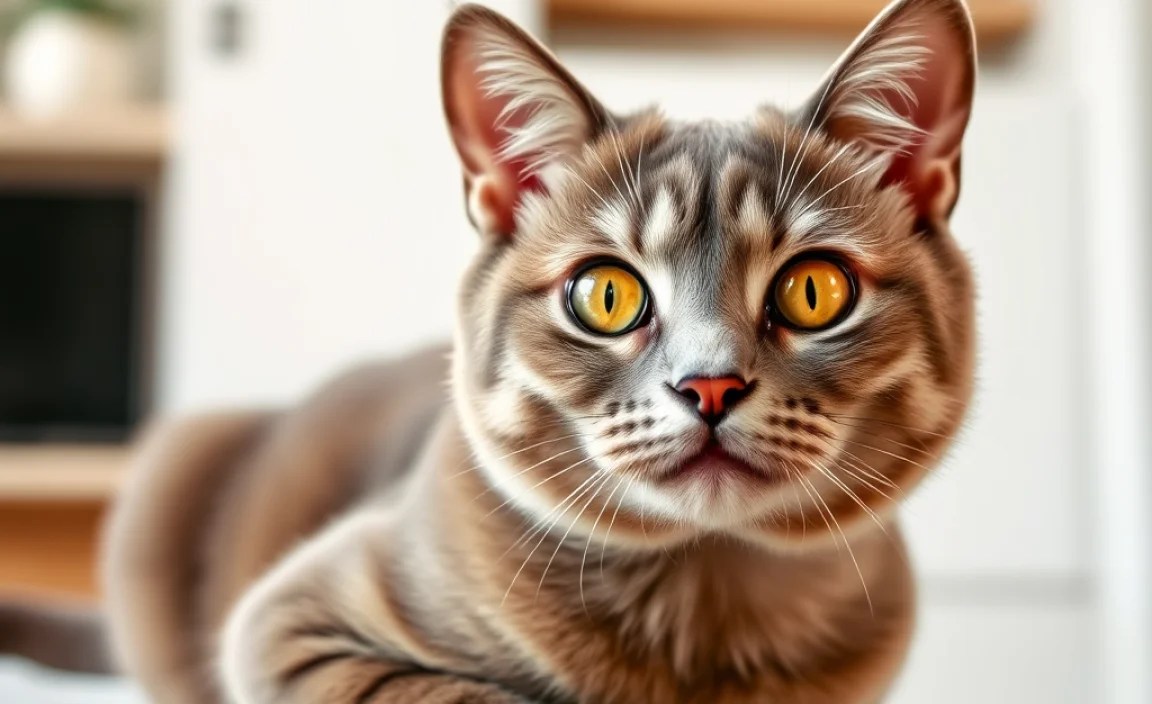
British Shorthairs, with their dense, plush coats, can be a haven for fleas. Their thick fur provides a perfect hiding place, making it harder to spot fleas early on. Additionally, while they are generally healthy, any cat under stress or with a weakened immune system can be more vulnerable to flea infestations.
Step-by-Step: Natural Flea Prevention for British Shorthairs

Here’s a detailed guide on how to prevent fleas naturally, broken down into easy-to-follow steps.
Step 1: Regular Grooming
Grooming is your first line of defense. Regular brushing helps you spot fleas early and removes flea dirt (flea droppings).
How to Groom for Flea Prevention:
- Frequency: Brush your British Shorthair at least 2-3 times a week.
- Tools: Use a flea comb and a regular cat brush.
- Technique: Start with the regular brush to remove loose fur. Then, use the flea comb, paying close attention to the base of the tail and around the neck.
- Inspection: As you comb, look for small black specks (flea dirt) or live fleas.
If you find flea dirt, dip the comb in soapy water to kill any fleas and prevent them from jumping back onto your cat.
Step 2: Maintaining a Clean Home Environment
Fleas thrive in carpets, bedding, and upholstery. Regular cleaning is essential to disrupt their life cycle.
How to Clean for Flea Prevention:
- Vacuuming: Vacuum all carpets, rugs, and upholstery at least once a week. Pay special attention to areas where your cat spends the most time.
- Washing Bedding: Wash your cat’s bedding weekly in hot, soapy water. According to the Purina, heat is effective at killing fleas and their eggs.
- Steam Cleaning: Consider steam cleaning your carpets and upholstery regularly. The high heat kills fleas and their eggs.
Step 3: Natural Flea Repellents for Your Home
Several natural substances can repel fleas without harming your cat or family.
Diatomaceous Earth (DE)
- What it is: Diatomaceous earth is a powder made from fossilized algae. It’s safe for pets and humans but deadly to fleas.
- How it works: DE damages the exoskeleton of fleas, causing them to dehydrate and die.
- How to use: Sprinkle a thin layer of food-grade DE on carpets, pet bedding, and around your home. Let it sit for a few days, then vacuum.
- Caution: Use only food-grade DE and avoid inhaling the dust.
Essential Oils
- Safe Options: Some essential oils can repel fleas, but it’s crucial to use them safely around cats. Safe options include lavender, cedarwood, and eucalyptus (use sparingly and diluted).
- How to use: Dilute a few drops of essential oil in water and use it as a spray around your home. Never apply undiluted essential oils directly to your cat.
- Caution: Always consult with a vet before using essential oils, as some can be toxic to cats.
Herbal Flea Sprays
- DIY Recipe: Boil water and add herbs like rosemary, lemon balm, and mint. Let it steep for a few hours, then strain and pour into a spray bottle.
- How to use: Spray lightly on your cat’s fur, avoiding the face. You can also use it on bedding and carpets.
Step 4: Boosting Your Cat’s Immune System
A healthy cat is better equipped to resist flea infestations. A strong immune system makes your cat less attractive to fleas and helps them recover quickly if they do get bitten.
Diet and Nutrition
- High-Quality Food: Feed your British Shorthair a balanced diet rich in protein, vitamins, and minerals. Look for cat foods with real meat as the primary ingredient.
- Omega-3 Fatty Acids: Supplement your cat’s diet with omega-3 fatty acids, which can improve skin health and reduce inflammation. Fish oil is a good source.
- Hydration: Ensure your cat has access to fresh, clean water at all times. Hydration is crucial for overall health.
Stress Reduction
- Create a Calm Environment: British Shorthairs thrive in calm, predictable environments. Provide them with a quiet space where they can retreat when stressed.
- Interactive Play: Engage your cat in regular play sessions to reduce boredom and stress. Use toys that stimulate their natural hunting instincts.
- Safe Spaces: Ensure your cat has access to safe spaces, such as cat trees or enclosed beds, where they can feel secure.
Step 5: Natural Topical Treatments
If your cat already has fleas, natural topical treatments can help eliminate them.
Apple Cider Vinegar (ACV)
- How it works: ACV changes your cat’s skin pH, making it less attractive to fleas.
- How to use: Dilute ACV with water (1:1 ratio) and spray it on your cat’s fur. Avoid the face and any open wounds.
- Caution: Some cats may not like the smell of ACV, so introduce it gradually.
Lemon Rinse
- How to make: Slice a lemon and boil it in water. Let it steep overnight.
- How to use: Strain the lemon water and use it as a final rinse after bathing your cat.
Step 6: Monitoring and Prevention
Regular monitoring is key to preventing flea infestations from recurring.
Regular Flea Checks
- Frequency: Check your cat for fleas at least once a week, especially during flea season (spring and summer).
- Where to look: Pay close attention to the base of the tail, around the neck, and in the groin area.
Preventative Measures
- Natural Collar: Consider using a natural flea collar infused with essential oils like lavender or cedarwood.
- Yard Maintenance: Keep your yard clean and free of debris where fleas can breed. Mow the lawn regularly and remove piles of leaves.
Creating a Flea-Free Zone: A Holistic Approach

Preventing fleas naturally requires a holistic approach that combines grooming, home care, diet, and natural repellents. By addressing all aspects of your cat’s environment and health, you can create a flea-free zone that keeps your British Shorthair happy and healthy.
The Importance of Consistency
Consistency is key to successful flea prevention. Make grooming, cleaning, and monitoring a regular part of your routine. The more consistent you are, the less likely fleas are to become a problem.
Working with Your Veterinarian
While natural methods can be effective, it’s always a good idea to consult with your veterinarian. They can provide personalized advice based on your cat’s specific needs and health status. They can also help you identify any underlying health issues that may make your cat more susceptible to fleas.
Natural Flea Prevention: Dos and Don’ts

To ensure you’re using natural flea prevention methods safely and effectively, here’s a table summarizing the dos and don’ts:
| Action | Do | Don’t |
|---|---|---|
| Grooming | Brush regularly with a flea comb. | Use harsh shampoos that dry out the skin. |
| Home Cleaning | Vacuum frequently and wash bedding in hot water. | Neglect areas where your cat spends time. |
| Diatomaceous Earth | Use food-grade DE and apply a thin layer. | Inhale the dust or use pool-grade DE. |
| Essential Oils | Dilute properly and use safe oils like lavender. | Apply undiluted oils or use toxic oils like tea tree. |
| Diet | Provide a high-quality, balanced diet. | Feed low-quality food with fillers. |
| Monitoring | Check your cat regularly for fleas. | Ignore signs of scratching or discomfort. |
Troubleshooting Common Issues
Even with the best efforts, you might encounter challenges. Here are some common issues and how to address them.
Persistent Flea Infestation
If you’re dealing with a persistent flea infestation, consider these steps:
- Professional Help: Consult with a professional pest control service that uses pet-safe methods.
- Re-evaluate Your Approach: Review your flea prevention routine and identify any areas where you might be falling short.
- Treat All Pets: If you have multiple pets, treat them all for fleas to prevent re-infestation.
Cat’s Sensitivity to Natural Remedies
Some cats may be sensitive to certain natural remedies. If your cat shows signs of irritation or discomfort, discontinue use and consult with your veterinarian.
Environmental Factors
Consider environmental factors that may be contributing to the flea problem. For example, if you live in a humid area, fleas may thrive year-round. Adjust your prevention routine accordingly.
Additional Tips for British Shorthair Owners
British Shorthairs have unique needs, so here are some additional tips to keep in mind.
Coat Care
Their dense coat requires regular grooming to prevent matting and provide a good opportunity to check for fleas. Invest in high-quality grooming tools designed for thick fur.
Indoor Lifestyle
British Shorthairs are often kept as indoor cats, which reduces their exposure to fleas. However, fleas can still be brought into the home on clothing or other pets. Maintain a clean indoor environment to minimize the risk.
Regular Vet Checkups
Regular vet checkups are essential for maintaining your British Shorthair’s overall health. Your vet can provide personalized advice on flea prevention and address any underlying health issues.
Cost Analysis: Natural vs. Chemical Flea Prevention
Here’s a cost comparison of natural and chemical flea prevention methods. Prices may vary depending on the brand and location.
| Method | Pros | Cons | Estimated Cost (Monthly) |
|---|---|---|---|
| Natural (DE, essential oils, herbs) | Safe, non-toxic, environmentally friendly. | May require more frequent application, effectiveness can vary. | £10-£20 |
| Chemical (Spot-on treatments, flea collars) | Highly effective, long-lasting. | Potential side effects, can be toxic if ingested, environmental concerns. | £20-£40 |
FAQ: Natural Flea Prevention for British Shorthairs
Here are some frequently asked questions about preventing fleas naturally in British Shorthairs.
1. Is diatomaceous earth safe for my British Shorthair?
Yes, food-grade diatomaceous earth (DE) is safe for cats when used correctly. It’s a natural powder made from fossilized algae that kills fleas by dehydrating them. Always use food-grade DE and avoid inhaling the dust.
2. Can I use essential oils to prevent fleas on my cat?
Some essential oils are safe for cats when used in diluted form. Lavender, cedarwood, and eucalyptus are good options. Never apply undiluted essential oils directly to your cat, and always consult with your vet before using them.
3. How often should I groom my British Shorthair to prevent fleas?
Groom your British Shorthair at least 2-3 times a week. Regular brushing helps you spot fleas early and removes flea dirt. Use a flea comb to check for fleas in their fur.
4. What are the signs of a flea infestation in cats?
Signs of a flea infestation include excessive scratching, biting, or licking, hair loss, skin irritation, and the presence of flea dirt (small black specks) in their fur. You may also see live fleas jumping on your cat.
5. How can I naturally treat fleas in my home?
Vacuum all carpets, rugs, and upholstery regularly. Wash your cat’s bedding weekly in hot, soapy water. Use natural flea repellents like diatomaceous earth or essential oil sprays around your home.
6. Can a healthy diet help prevent fleas?
Yes, a healthy diet can boost your cat’s immune system, making them less attractive to fleas. Feed your British Shorthair a balanced diet rich in protein, vitamins, and minerals. Supplement with omega-3 fatty acids to improve skin health.
7. Is apple cider vinegar safe to use on my cat for flea prevention?
Apple cider vinegar (ACV) can be used to prevent fleas by changing your cat’s skin pH, making it less attractive to fleas. Dilute ACV with water (1:1 ratio) and spray it on your cat’s fur, avoiding the face and any open wounds. Introduce it gradually, as some cats may not like the smell.
Conclusion
Preventing fleas naturally in British Shorthairs is entirely achievable with the right approach! By combining regular grooming, consistent home cleaning, natural repellents, and a focus on your cat’s overall health, you can keep those pesky fleas at bay. Remember, consistency is key, and consulting with your veterinarian ensures you’re providing the best care for your beloved British Shorthair. Here’s to a happy, healthy, and flea-free life for your furry friend!


