
British Shorthair Calmness Around Loud Noises: Secret?

Quick Summary: British Shorthairs are generally known for their calm demeanor, but loud noises can still startle them. To help your British Shorthair stay calm, create a safe space, gradually introduce new sounds, use positive reinforcement, and provide plenty of enrichment. With patience and consistency, you can help your feline friend feel secure and less reactive to startling sounds.
Is your British Shorthair easily spooked by loud noises? Many owners wonder how to help their furry friends feel safe and secure, especially when unexpected sounds disrupt the peace. British Shorthairs are known for their laid-back nature, but even the calmest cat can get stressed by sudden bangs or crashes. The good news is, there are several effective strategies you can use to create a more relaxed environment for your beloved pet.
In this guide, I’ll walk you through simple steps to help your British Shorthair manage loud noises. We’ll explore creating a safe haven, using desensitization techniques, and more. Let’s dive in and help your cat live a happier, more relaxed life!
Understanding British Shorthair Temperament

British Shorthairs are known for their gentle and adaptable nature. According to The International Cat Association (TICA), they are often described as independent yet affectionate, making them excellent companions. However, like all cats, they can be sensitive to changes in their environment, and loud noises can be particularly unsettling.
Why Loud Noises Affect Cats
Cats have highly sensitive hearing, which allows them to detect a wider range of frequencies than humans. This heightened sense of hearing means that sounds we might barely notice can be quite startling to them. A sudden loud noise triggers their natural “fight or flight” response, leading to stress and anxiety. Common triggers include:
- Thunder
- Fireworks
- Construction sounds
- Loud music or television
- Household appliances (vacuum cleaners, blenders)
Recognizing Signs of Stress
It’s important to recognize when your British Shorthair is stressed or anxious. Signs of stress can vary, but common indicators include:
- Hiding or retreating to a safe place
- Dilated pupils
- Flattened ears
- Excessive grooming or licking
- Changes in appetite
- Increased vocalization (meowing or hissing)
If you notice these signs, it’s time to take action to help your cat feel more secure.
Creating a Safe Haven

One of the most effective ways to help your British Shorthair cope with loud noises is to provide a safe and secure space where they can retreat when feeling overwhelmed. This space should be:
- Quiet and away from high-traffic areas
- Comfortable with soft bedding
- Accessible at all times
Setting Up the Safe Space
Here’s how to create the perfect safe haven for your British Shorthair:
- Choose the Right Location: Select a quiet room or corner in your home. Basements, spare bedrooms, or even a large closet can work well.
- Provide Comfortable Bedding: Place a soft, cozy bed or blanket in the space. Cats often prefer enclosed beds or covered spaces like cat caves, as these provide an extra sense of security.
- Include Familiar Items: Add familiar items like their favorite toys, a scratching post, and a blanket that smells like you. These items will help them feel more at ease.
- Offer Food and Water: Ensure fresh water and a small amount of food are always available in their safe space. This reinforces the idea that this is a secure and comforting place.
- Consider a Pheromone Diffuser: Use a feline pheromone diffuser, such as Feliway, to help reduce anxiety and promote a sense of calm. According to research, these diffusers mimic natural feline pheromones that signal safety and security.
Making the Safe Space Appealing
Encourage your cat to use the safe space by making it as appealing as possible. You can:
- Place treats or catnip in the space to entice them to explore.
- Spend time near the safe space, playing or cuddling with your cat to create positive associations.
- Never force your cat into the safe space; it should always be their choice to retreat there.
Desensitization and Counterconditioning

Desensitization and counterconditioning are effective techniques to help your British Shorthair become less reactive to loud noises. Desensitization involves gradually exposing your cat to the sound at a low volume, while counterconditioning pairs the sound with something positive, like treats or praise.
Step-by-Step Desensitization
- Identify Trigger Sounds: Make a list of the specific sounds that trigger your cat’s anxiety.
- Obtain Recordings: Find recordings of these sounds online or create your own.
- Start at a Low Volume: Play the recording at a very low volume, so low that your cat barely notices it.
- Observe Your Cat’s Reaction: Watch for any signs of stress or anxiety. If your cat seems uncomfortable, reduce the volume further.
- Pair with Positive Reinforcement: While the sound is playing, offer your cat treats, praise, or gentle petting. The goal is to create a positive association with the sound.
- Gradually Increase Volume: Over several days or weeks, slowly increase the volume of the recording, always monitoring your cat’s reaction. If they remain calm, continue to increase the volume gradually. If they show signs of stress, reduce the volume and proceed more slowly.
- Consistency is Key: Practice this exercise regularly, even when there are no real loud noises present. This will help your cat become more accustomed to the sounds over time.
Example Desensitization Schedule
| Day | Sound | Volume Level | Activity | Notes |
|---|---|---|---|---|
| 1-3 | Thunder (recorded) | Very Low (barely audible) | Playtime with favorite toy | Observe for signs of stress. If any, reduce volume. |
| 4-7 | Thunder (recorded) | Low (slightly audible) | Treats and gentle petting | Ensure cat remains calm. |
| 8-12 | Thunder (recorded) | Moderate | Cuddle session | Watch for any signs of discomfort. |
| 13-17 | Thunder (recorded) | Normal | Relaxation time | Cat should be comfortable with sound at this level. |
Counterconditioning Tips
- Use High-Value Treats: Choose treats that your cat absolutely loves to make the positive association stronger.
- Stay Calm: Your cat can sense your anxiety, so remain calm and reassuring during the process.
- Be Patient: Desensitization and counterconditioning take time and patience. Don’t rush the process, and celebrate small victories along the way.
Creating a Calming Environment

In addition to desensitization, creating a generally calming environment can significantly reduce your British Shorthair’s anxiety levels.
Environmental Enrichment
Providing plenty of environmental enrichment can help keep your cat mentally stimulated and reduce stress. Enrichment activities include:
- Interactive Toys: Puzzle feeders, treat balls, and interactive toys keep your cat engaged and entertained.
- Scratching Posts: Provide a variety of scratching posts to satisfy their natural scratching instincts.
- Climbing Structures: Cat trees and shelves allow your cat to climb and explore, providing a sense of security and control.
- Window Perches: Cats enjoy watching the world outside. A window perch provides a comfortable spot for them to observe birds, squirrels, and other outdoor activities.
Routine and Predictability
Cats thrive on routine and predictability. Maintaining a consistent daily schedule can help reduce anxiety. Try to:
- Feed your cat at the same times each day.
- Provide regular playtime and exercise.
- Maintain a consistent bedtime routine.
Soundproofing Techniques
While you can’t eliminate all outside noise, there are several steps you can take to minimize the impact of loud sounds:
- Close Windows and Doors: This helps to block out external noise.
- Use Heavy Curtains or Blinds: These can absorb sound and reduce echoes.
- Play Calming Music: Soft, classical music or nature sounds can help mask sudden loud noises.
- White Noise Machines: White noise can also help to create a consistent background sound that minimizes the impact of sudden noises.
Using Calming Aids
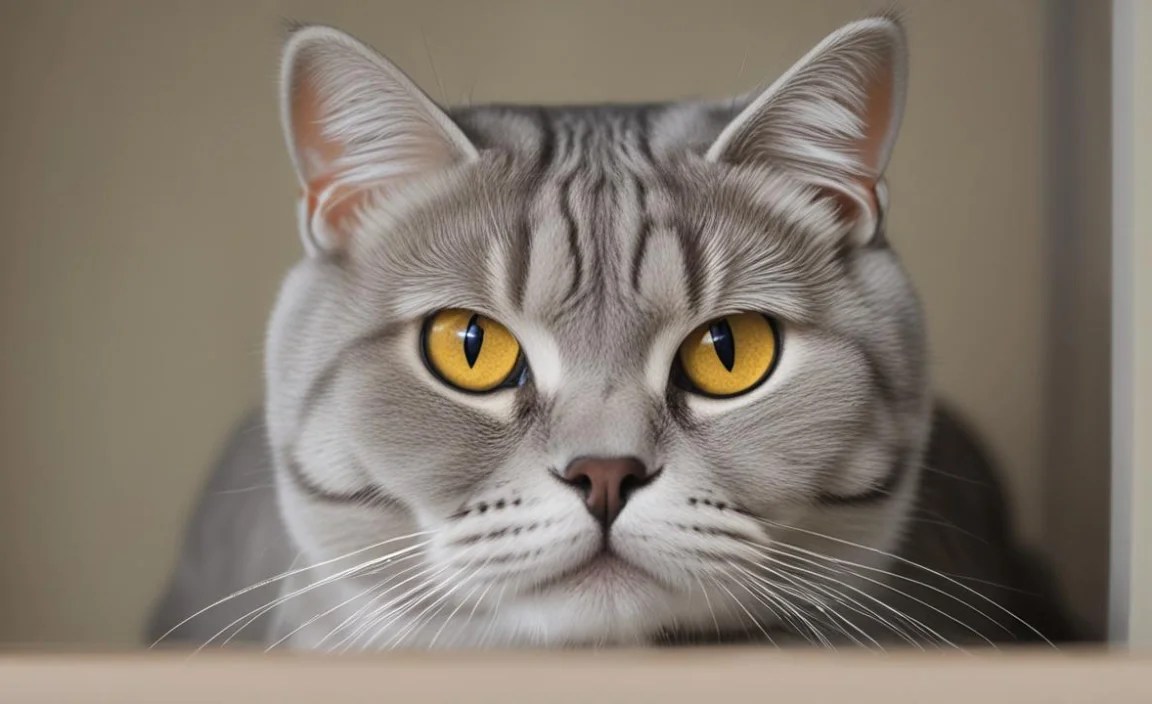
In some cases, calming aids can be beneficial in managing your British Shorthair’s anxiety. However, it’s important to consult with your veterinarian before using any new products or medications.
Pheromone Therapy
Feline pheromone diffusers, such as Feliway, release synthetic versions of natural feline pheromones that promote a sense of calm and security. These diffusers can be particularly helpful in multi-cat households or during stressful events like moving or home renovations. Studies have shown that pheromone therapy can significantly reduce anxiety-related behaviors in cats.
Herbal Remedies
Certain herbal remedies, such as chamomile, valerian root, and lavender, are known for their calming properties. These remedies are available in various forms, including treats, supplements, and essential oil diffusers. However, it’s crucial to use these products with caution and under the guidance of a veterinarian, as some essential oils can be toxic to cats.
Prescription Medications
In severe cases of anxiety, your veterinarian may recommend prescription medications. These medications can help to reduce anxiety and improve your cat’s overall quality of life. Common options include:
- Selective Serotonin Reuptake Inhibitors (SSRIs): These medications help to regulate serotonin levels in the brain, which can reduce anxiety and improve mood.
- Tricyclic Antidepressants (TCAs): These medications work similarly to SSRIs and can be effective in managing anxiety-related behaviors.
- Anti-Anxiety Medications: Medications like alprazolam or lorazepam can provide short-term relief from anxiety during particularly stressful events, such as fireworks or thunderstorms.
Dealing with Specific Triggers
Certain events, like thunderstorms and fireworks, are particularly challenging for many cats. Here are some strategies to help your British Shorthair cope with these triggers:
Thunderstorms
- Provide a Safe Space: Ensure your cat has access to their safe haven during the storm.
- Close Windows and Doors: This helps to muffle the sound of thunder.
- Play Calming Music: Soft music or white noise can help to mask the sound of the storm.
- Stay Calm: Your cat can sense your anxiety, so remain calm and reassuring.
- Use a Thunder Shirt: Thunder shirts are designed to apply gentle, constant pressure, which can help to reduce anxiety.
Fireworks
- Keep Your Cat Indoors: Ensure your cat is safely indoors before fireworks begin.
- Close Windows and Doors: This helps to block out the sound of fireworks.
- Play Calming Music: Soft music or white noise can help to mask the sound of the fireworks.
- Provide Distractions: Offer your cat their favorite toys or treats to distract them from the noise.
- Stay with Your Cat: Your presence can be reassuring to your cat during this stressful time.
General Tips for Managing Loud Noises
- Stay Calm: Your cat can sense your anxiety, so remain calm and reassuring.
- Avoid Punishing Your Cat: Never punish your cat for being afraid; this will only increase their anxiety.
- Be Patient: It takes time and patience to help your cat overcome their fear of loud noises.
- Consult with Your Veterinarian: If your cat’s anxiety is severe or persistent, consult with your veterinarian for further guidance.
When to Seek Professional Help
While many cats can be successfully managed with the strategies outlined above, some may require professional help. Consider seeking assistance from a veterinarian or a certified feline behaviorist if:
- Your cat’s anxiety is severe and significantly impacting their quality of life.
- Your cat is exhibiting aggressive behaviors due to anxiety.
- You have tried various strategies without success.
A professional can help to identify the underlying causes of your cat’s anxiety and develop a customized treatment plan to address their specific needs. They may recommend additional therapies, such as medication or behavior modification techniques.
Frequently Asked Questions (FAQ)
1. Why is my British Shorthair so scared of loud noises?
Cats have very sensitive hearing, making them more reactive to sudden, loud sounds. British Shorthairs, despite their calm nature, can still experience a “fight or flight” response to noises like thunder, fireworks, or construction. This is a natural instinct to protect themselves from potential threats.
2. How can I tell if my British Shorthair is stressed by noise?
Signs of stress in cats include hiding, dilated pupils, flattened ears, excessive grooming, changes in appetite, and increased vocalization. If you notice these behaviors when there are loud noises, your cat is likely feeling anxious.
3. What is a “safe haven” and how do I create one for my cat?
A safe haven is a quiet, comfortable space where your cat can retreat when feeling stressed. Set it up in a low-traffic area with a soft bed, familiar toys, and access to food and water. It should be a place where your cat feels secure and undisturbed.
4. What is desensitization and how does it help with noise anxiety?
Desensitization involves gradually exposing your cat to the sounds they fear at a low volume, pairing the sound with positive reinforcement like treats or praise. Over time, this helps them become less reactive to the noise.
5. Are there any products that can help calm my British Shorthair during loud events?
Yes, feline pheromone diffusers like Feliway can help reduce anxiety by mimicking natural feline pheromones that signal safety. Thunder shirts, which apply gentle pressure, may also help. Consult your vet before using any new products.
6. Should I punish my cat for being scared of loud noises?
No, never punish your cat for being scared. Punishment will only increase their anxiety and damage your relationship. Instead, focus on providing reassurance and a safe environment.
7. When should I consult a vet about my cat’s noise anxiety?
If your cat’s anxiety is severe, persistent, or causing aggressive behaviors, it’s time to consult with your veterinarian. They can help identify underlying issues and recommend appropriate treatments or medications.
Conclusion
Helping your British Shorthair cope with loud noises requires patience, understanding, and a consistent approach. By creating a safe haven, using desensitization techniques, providing environmental enrichment, and considering calming aids, you can significantly reduce your cat’s anxiety and improve their overall well-being. Remember, every cat is unique, so it may take some experimentation to find the strategies that work best for your furry friend. With dedication and care, you can help your British Shorthair live a happier, more relaxed life, free from the overwhelming stress of loud noises.


