
Are British Shorthairs Vocal Cats? Find Out!

Are British Shorthairs vocal cats? Generally, British Shorthairs aren’t known for being overly chatty. They tend to be quiet, gentle cats who communicate more through their calm presence and big, expressive eyes than constant meowing. While they’ll certainly let you know when they need something, they’re not usually the most talkative breed.
Thinking about bringing a British Shorthair into your home? One thing many people wonder is how vocal these beautiful cats are. After all, no one wants a cat that meows incessantly! It’s a common question, and it’s perfectly understandable to want a calm and peaceful home. In this article, I’ll walk you through what to expect from a British Shorthair’s vocal habits, so you can decide if this breed is the right fit for you. We’ll explore their typical communication style, what might make them more vocal, and how to ensure you understand their needs. Let’s get started!
Understanding British Shorthair Vocalizations

British Shorthairs are often described as gentle giants. Their temperament is typically calm and easygoing, and this extends to their vocal behavior. Let’s dive into what makes them unique in how they communicate.
Typical Vocal Behavior
British Shorthairs are not generally known for being very vocal cats. Unlike some breeds that seem to have a constant running commentary, British Shorthairs tend to be more reserved with their meows. They are more likely to use other forms of communication, such as:
- Body Language: Pay attention to their posture, tail movements, and ear positions. A relaxed cat will have a loose tail and forward-facing ears.
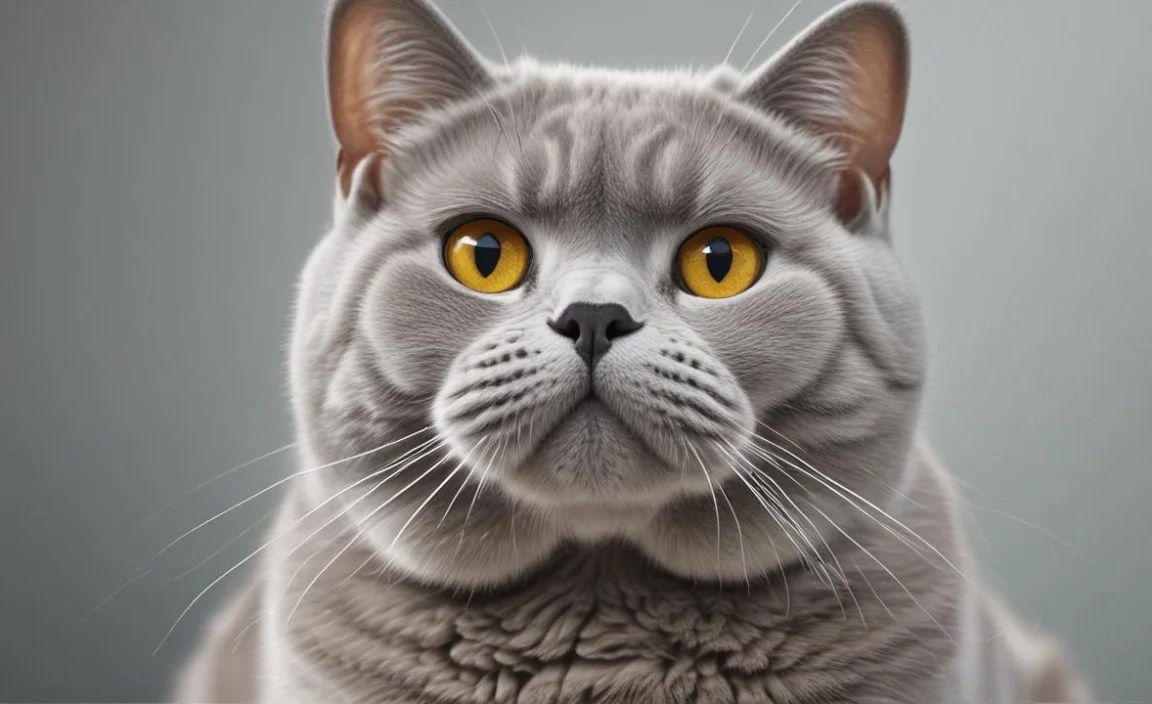
- Facial Expressions: Their big, round eyes can be very expressive. You’ll often be able to tell what they want or how they feel just by looking at them.
- Soft Sounds: Instead of loud meows, they might use soft chirps or trills to get your attention.
While they might not meow as much as other breeds, they will still communicate when they need something. It’s all about understanding their subtle cues.
Reasons for Vocalization
Even though British Shorthairs are generally quiet, there are reasons they might become more vocal. Understanding these reasons can help you address their needs and keep them happy.
- Hunger: If it’s mealtime and their bowl is empty, they might meow to remind you.
- Attention: They might want some playtime or cuddles.
- Health Issues: Increased vocalization can sometimes be a sign of pain or discomfort. If your cat suddenly becomes more vocal, it’s worth a trip to the vet.
- Changes in Environment: New surroundings or disruptions to their routine can cause stress, leading to more meowing.
By paying attention to the context and other cues, you can usually figure out why your British Shorthair is meowing.
How Vocal Are They Compared to Other Breeds?
Compared to breeds like Siamese or Bengals, British Shorthairs are definitely on the quieter side. Here’s a quick comparison:
| Breed | Vocalization Level | Typical Communication Style |
|---|---|---|
| British Shorthair | Low to Moderate | Soft meows, body language, expressive eyes |
| Siamese | High | Loud, frequent meows; very talkative |
| Bengal | Moderate to High | Varied vocalizations, including chirps and chatters |
| Persian | Low | Quiet, gentle sounds; subtle cues |
As you can see, British Shorthairs are much more similar to Persians in terms of vocal behavior, while Siamese and Bengals are known for being much more talkative.
Factors Influencing Vocalization

Several factors can influence how vocal a British Shorthair is. Understanding these can help you better manage their behavior and provide the best care.
Age
Kittens tend to be more vocal than adult cats. They are still learning how to communicate and might meow more frequently to get attention or food. As they grow older, they usually become quieter and more confident in other forms of communication.
Health
A change in vocalization can sometimes indicate a health problem. If your British Shorthair suddenly starts meowing more than usual, it’s important to consider potential health issues. According to the Cornell Feline Health Center, increased vocalization can be a sign of hyperthyroidism or cognitive dysfunction in older cats. Always consult with your veterinarian to rule out any underlying medical conditions.
Environment
A cat’s environment plays a big role in its behavior. Stressful or unstable environments can lead to increased vocalization. Consider these factors:
- New Home: Moving to a new home can be stressful for cats. They might meow more as they adjust to their new surroundings.
- Changes in Routine: Cats are creatures of habit. Any changes to their daily routine, such as feeding times or playtime, can cause anxiety and increased meowing.
- Other Pets: Introducing a new pet into the household can also cause stress. Make sure to introduce them gradually and provide plenty of safe spaces for your British Shorthair.
Individual Personality
Just like people, cats have individual personalities. Some British Shorthairs might be naturally more talkative than others. If your cat is generally happy and healthy, a bit of extra meowing might just be part of their unique character.
Common Scenarios and What They Mean

Let’s look at some common scenarios where your British Shorthair might be more vocal and what they might be trying to tell you.
Meowing at the Door
If your British Shorthair is meowing at the door, they likely want to go outside or come inside. This is especially common if they are used to having access to the outdoors. However, it’s important to keep in mind that letting your cat roam freely outside can expose them to dangers such as traffic, predators, and diseases. The RSPCA recommends keeping cats indoors or providing a safe outdoor enclosure.
Here are some ways to manage this behavior:
- Provide Indoor Entertainment: Make sure they have plenty of toys, scratching posts, and climbing structures to keep them occupied.
- Create a Safe Outdoor Space: Consider building a catio or using a cat-proof fence to allow them to enjoy the outdoors safely.
- Ignore the Meowing: If you give in every time they meow at the door, they will learn that it’s an effective way to get what they want. Wait for them to be quiet before opening the door.
Meowing at Night
Nighttime meowing can be frustrating for owners. There are several reasons why your British Shorthair might be doing this:
- Boredom: They might be bored and looking for attention.
- Hunger: If they are fed early in the evening, they might be hungry again by nighttime.
- Medical Issues: Cognitive dysfunction or other age-related health problems can cause nighttime vocalization.
Here are some tips to address nighttime meowing:
- Playtime Before Bed: Engage them in active play before bedtime to tire them out.
- Late-Night Snack: Provide a small snack before bed to keep them full through the night.
- Comfort and Security: Make sure they have a comfortable and safe sleeping space.
Meowing During Playtime
Some British Shorthairs might meow during playtime as a way to express excitement or frustration. This is usually nothing to worry about, as long as the meowing is not accompanied by aggressive behavior.
Here are some things to consider:
- Positive Reinforcement: If they are meowing excitedly, continue the play. If they seem frustrated, try a different toy or activity.
- Safe Play: Ensure that playtime is safe and that they are not at risk of injury.
- Regular Breaks: Give them breaks during playtime to prevent overstimulation.
Training and Management Techniques
While you can’t completely eliminate vocalization, there are some training and management techniques that can help reduce excessive meowing.
Positive Reinforcement
Positive reinforcement is a great way to encourage desired behaviors. When your British Shorthair is quiet, reward them with praise, treats, or attention. This will help them associate quiet behavior with positive outcomes.
Ignoring Unwanted Vocalization
If your cat is meowing for attention or food when they don’t need it, try ignoring the behavior. As Purina explains, giving in to their demands will only reinforce the behavior. Wait until they are quiet before giving them attention or food.
Providing Environmental Enrichment
A stimulating environment can help reduce boredom and anxiety, which can lead to less vocalization. Make sure your British Shorthair has:
- Plenty of Toys: Rotate their toys regularly to keep them interested.
- Scratching Posts: Provide scratching posts to satisfy their natural scratching instincts.
- Climbing Structures: Cats love to climb and observe their surroundings from a high vantage point.
- Safe Spaces: Ensure they have a quiet and safe place to retreat to when they feel overwhelmed.
Consulting a Veterinarian or Behaviorist
If you’re concerned about your cat’s vocal behavior, it’s always a good idea to consult with a veterinarian or certified cat behaviorist. They can help rule out any underlying medical conditions and provide tailored advice for managing your cat’s behavior.
Creating a Quiet and Happy Home

Creating a peaceful environment is key to keeping your British Shorthair happy and content. Here are some tips to help you achieve this:
Minimize Stress
Cats are sensitive to stress, so it’s important to minimize potential stressors in their environment. This includes:
- Consistent Routine: Stick to a regular feeding and playtime schedule.
- Quiet Environment: Provide a calm and quiet space where they can relax.
- Gradual Changes: Introduce any changes to their environment or routine gradually.
Provide Mental and Physical Stimulation
A bored cat is more likely to become vocal and destructive. Make sure your British Shorthair has plenty of opportunities for mental and physical stimulation. This can include:
- Interactive Play: Use toys like feather wands or laser pointers to engage their hunting instincts.
- Puzzle Feeders: Puzzle feeders can provide mental stimulation and slow down their eating.
- Training: Teach them tricks or commands using positive reinforcement.
Regular Veterinary Checkups
Regular veterinary checkups are essential for maintaining your cat’s health and well-being. Your veterinarian can identify and address any potential health issues that might be contributing to increased vocalization.
British Shorthair Vocalization: A Summary
To recap, British Shorthairs are generally quiet cats who communicate more through body language and soft sounds than constant meowing. While they will vocalize when they need something, they are not typically as talkative as some other breeds. By understanding their individual personality, providing a stimulating environment, and addressing any potential health issues, you can help ensure a happy and peaceful home for both you and your British Shorthair.
Here is a table summarizing the key points we’ve discussed:
| Topic | Key Points |
|---|---|
| Typical Vocal Behavior | British Shorthairs are generally quiet and use body language and soft sounds to communicate. |
| Reasons for Vocalization | Hunger, attention, health issues, and environmental changes can cause increased meowing. |
| Factors Influencing Vocalization | Age, health, environment, and individual personality all play a role. |
| Training and Management | Positive reinforcement, ignoring unwanted vocalization, and providing environmental enrichment can help. |
| Creating a Quiet Home | Minimize stress, provide mental and physical stimulation, and ensure regular veterinary checkups. |
FAQ About British Shorthair Vocalization
Here are some frequently asked questions about British Shorthair vocalization to help you better understand this breed’s communication style.
Are British Shorthairs good for apartment living?
Yes, British Shorthairs are generally well-suited for apartment living. Their calm and quiet nature means they are less likely to disturb neighbors with excessive meowing. Providing them with enough vertical space and interactive toys will keep them happy indoors.
Do British Shorthairs meow when they are happy?
While British Shorthairs don’t typically meow excessively, they may purr or make soft chirping sounds when they are content. Look for other signs of happiness, such as relaxed posture, slow blinks, and gentle rubbing.
How can I tell if my British Shorthair is meowing due to pain?
If your British Shorthair suddenly starts meowing more than usual, especially if it’s accompanied by other symptoms such as loss of appetite, changes in litter box habits, or decreased activity, it could be a sign of pain. Consult with your veterinarian to rule out any underlying medical conditions.
What are some good toys to keep my British Shorthair entertained?
British Shorthairs enjoy interactive toys that engage their hunting instincts. Feather wands, laser pointers, and puzzle feeders are all great options. Rotate their toys regularly to keep them interested and prevent boredom.
How important is it to establish a routine for a British Shorthair?
Establishing a consistent routine is very important for British Shorthairs. They thrive on predictability and can become stressed by changes in their environment or schedule. Stick to regular feeding and playtime schedules to help them feel secure and content.
Can British Shorthairs be trained to be quieter?
While you can’t completely eliminate vocalization, you can use positive reinforcement techniques to encourage quieter behavior. Reward them with praise, treats, or attention when they are quiet. Avoid punishing them for meowing, as this can create anxiety and worsen the problem.
Are British Shorthairs affectionate cats?
Yes, British Shorthairs are known for being affectionate cats. They enjoy spending time with their owners and will often follow them around the house. While they are not typically lap cats, they do enjoy cuddling and being petted. Their gentle and calm nature makes them great companions for families and individuals alike.
Conclusion
As we’ve explored, British Shorthairs are generally quiet cats, preferring to communicate through subtle cues and soft sounds rather than constant meowing. While they might vocalize to express their needs or feelings, excessive meowing is not typical for this breed. By understanding their communication style, providing a stimulating and stress-free environment, and addressing any potential health issues, you can ensure a harmonious relationship with your British Shorthair. Remember to pay attention to their body language, provide plenty of playtime, and consult with your veterinarian if you notice any significant changes in their behavior. With the right care and attention, your British Shorthair will be a loving and quiet companion for many years to come.


