
British Shorthair’s Favorite Ways to Show Love: Secret?

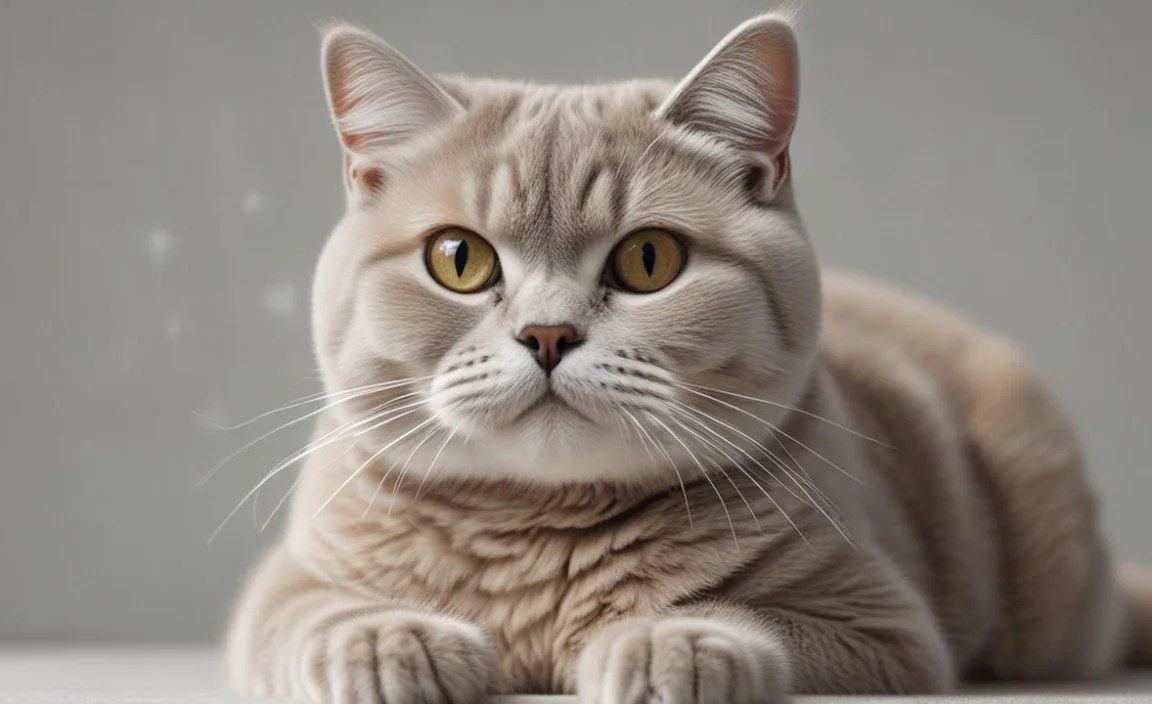
British Shorthairs show love in subtle, charming ways. They might follow you around, greet you with slow blinks (a kitty kiss!), or enjoy simply being near you. Kneading, head-butting, and gentle purrs are also signs your British Shorthair is feeling affectionate. Unlike some breeds, they’re not overly demanding, but their quiet presence speaks volumes!
Ever wonder if your British Shorthair truly loves you? It’s a common question for cat owners! Unlike some breeds that are very vocal, British Shorthairs often show affection in quieter, more subtle ways. It can be a little confusing if you’re used to more obvious displays of love. But don’t worry! Your furry friend is probably showing you love all the time; you just need to know what to look for.
This guide will walk you through the most common ways your British Shorthair expresses affection, helping you understand and appreciate their unique way of showing they care. We’ll explore behaviors like slow blinks, purring, and even how they like to spend their time with you. Get ready to decode your British Shorthair’s love language!
Understanding British Shorthair Affection

British Shorthairs are known for their calm and independent nature. But that doesn’t mean they don’t love their owners! It just means they show it differently than, say, a Siamese or a Maine Coon. Understanding their personality is key to recognizing their subtle signs of affection.
The Independent but Affectionate Breed
British Shorthairs are often described as “low-maintenance” cats. They’re not usually demanding of attention and are perfectly happy to entertain themselves. This independence stems from their history as working cats in the farmlands of Britain. They were bred to be sturdy, self-sufficient mousers. However, beneath their independent exterior lies a loyal and affectionate companion. They form strong bonds with their families and enjoy being part of the household, but on their own terms.
Why Subtlety is Their Style
Their subtle approach to affection can be attributed to their reserved personality. British Shorthairs aren’t typically “lap cats” in the traditional sense. They prefer to be near you rather than on you. They might sit beside you on the couch, follow you from room to room, or simply enjoy being in the same space. This quiet companionship is their way of showing they care and feel secure in your presence.
Decoding Their Body Language
Learning to read your British Shorthair’s body language is essential to understanding their affection. Pay attention to their posture, facial expressions, and vocalizations. A relaxed posture, slow blinks, and gentle purrs are all positive signs. Conversely, hissing, flattened ears, or a twitching tail indicate discomfort or stress. The RSPCA offers excellent resources on understanding cat behavior.
Top Ways British Shorthairs Show Love

Now that you understand the basics of British Shorthair affection, let’s delve into the specific ways they show their love. These behaviors might be subtle, but they’re meaningful expressions of their bond with you.
1. The Slow Blink: A Kitty Kiss
The slow blink, often referred to as a “kitty kiss,” is one of the most endearing ways a British Shorthair shows affection. When your cat looks at you, slowly closes their eyes, and then slowly opens them again, it’s a sign of trust and contentment. They’re essentially telling you they feel safe and comfortable in your presence.
- How to respond: Return the slow blink! This shows your cat that you understand and appreciate their affection.
- Why it works: In the cat world, staring is often seen as a sign of aggression. By slowly closing their eyes, your British Shorthair is showing that they’re not a threat and that they trust you completely.
2. Purring: The Rumble of Contentment
Purring is often associated with happiness, and while it can indicate other emotions, it’s usually a good sign when your British Shorthair is purring while interacting with you. The gentle rumble is a sign of contentment and relaxation. They’re telling you they feel safe and comfortable.
- Listen closely: Pay attention to the context of the purring. Is your cat purring while you’re petting them? Or are they purring while eating? The context can give you clues about the reason for the purr.
- More than just happiness: While purring usually indicates contentment, it can also be a sign of self-soothing when a cat is injured or stressed.
3. Following You Around: Your Shadowy Companion
Does your British Shorthair seem to follow you from room to room? This is a sign that they enjoy your company and want to be near you. They might not be actively seeking attention, but they appreciate being in your presence. It’s their way of saying, “I like being around you.”
- Respect their space: While it’s nice to be followed, be mindful of your cat’s personal space. Don’t force them to interact with you if they seem uncomfortable.
- A sign of security: Following you around can also be a sign that your cat feels secure in your presence. They know you provide food, shelter, and care, and they feel safe when you’re nearby.
4. Head Butting (Bunting): Marking You as Their Own
When your British Shorthair gently rubs their head against you, it’s called “bunting.” This behavior is a way for cats to mark their territory by transferring their scent onto you. Scent glands are located on their cheeks, forehead, and chin. By rubbing against you, they’re claiming you as part of their family group. It’s a sign of affection and trust.
- A sign of belonging: Bunting is a way for your cat to create a shared scent profile, strengthening the bond between you.
- Not always affection: Sometimes, head-butting can also be a sign that your cat wants attention or is trying to get something from you.
5. Kneading: A Sign of Comfort and Contentment
Kneading, also known as “making biscuits,” is when your cat rhythmically pushes their paws into a soft surface, like your lap or a blanket. This behavior is thought to be a remnant of kittenhood when kittens knead their mother’s belly to stimulate milk flow. As adults, kneading is a sign of comfort and contentment. It means your cat feels safe and secure.
- Trim their claws: Kneading can sometimes be uncomfortable if your cat’s claws are sharp. Keep their claws trimmed to prevent scratches.
- Provide a soft surface: Encourage kneading by providing soft blankets or pillows for your cat to enjoy.
6. Bringing You Gifts: The Hunter’s Offering
While not all British Shorthairs do this, some may bring you “gifts,” such as toys, leaves, or even small prey. This behavior is a natural hunting instinct and a way for your cat to show you they care. In the wild, cats often bring food back to their family group. By bringing you a gift, your cat is including you in their family.
- Don’t punish them: Even if the gift isn’t something you want, avoid punishing your cat. They’re trying to show you affection.
- Praise and reward: Instead, praise your cat and offer them a treat or some playtime. This will reinforce the behavior and encourage them to bring you more gifts (hopefully of the toy variety!).
7. Sleeping Near You: Close Proximity Matters

If your British Shorthair chooses to sleep near you, whether it’s on your bed, on the couch next to you, or even just in the same room, it’s a sign that they feel safe and comfortable in your presence. Cats are vulnerable when they sleep, so choosing to sleep near you is a sign of trust and affection.
- Respect their space: Don’t disturb your cat while they’re sleeping unless it’s necessary. Let them choose where they want to sleep.
- A sign of trust: Sleeping near you is a vulnerable act for a cat, showing they deeply trust you.
8. Vocalizations: Soft Meows and Chirps
While British Shorthairs aren’t known for being overly vocal, they do communicate through a variety of soft meows and chirps. These vocalizations can be a way of greeting you, asking for attention, or simply expressing their feelings. Pay attention to the tone and context of the vocalizations to understand what your cat is trying to communicate.
- Listen to the tone: A soft, gentle meow is usually a sign of affection, while a demanding meow might indicate hunger or a need for attention.
- Respond to their needs: Respond to your cat’s vocalizations by providing them with what they need, whether it’s food, water, playtime, or simply some attention.
9. Playing with You: Bonding Through Fun
Engaging in playtime with your British Shorthair is a great way to strengthen your bond and show them you care. Whether it’s chasing a laser pointer, batting at a toy mouse, or playing fetch with a favorite ball, playtime provides mental and physical stimulation and allows your cat to express their natural hunting instincts.
- Choose appropriate toys: Select toys that are safe and appropriate for your cat’s age and size. Avoid toys with small parts that could be swallowed.
- Make it interactive: Engage in interactive playtime by actively participating in the game. This will make the experience more enjoyable for your cat and strengthen your bond.
10. Showing Their Belly: A Sign of Ultimate Trust
A cat exposing their belly is one of the most vulnerable positions they can take. If your British Shorthair rolls over and shows you their belly, it’s a sign that they trust you completely. They’re essentially saying, “I feel safe and secure enough to expose my vulnerable underbelly to you.” However, it’s not always an invitation for a belly rub! Some cats enjoy belly rubs, while others don’t. Pay attention to your cat’s body language and respect their boundaries.
- Proceed with caution: Before reaching for a belly rub, observe your cat’s body language. If they seem relaxed and content, you can try gently stroking their belly.
- Respect their boundaries: If your cat starts to swat at you or seems uncomfortable, stop immediately. Not all cats enjoy belly rubs.
Table: Decoding British Shorthair Affection
| Behavior | Meaning | How to Respond |
|---|---|---|
| Slow Blink | Trust, contentment | Return the slow blink |
| Purring | Contentment, relaxation | Continue petting or interacting gently |
| Following You | Enjoying your company, feeling secure | Respect their space, offer occasional attention |
| Head Butting | Marking territory, showing affection | Respond with gentle pets and affection |
| Kneading | Comfort, contentment | Provide a soft surface, trim claws |
| Bringing Gifts | Showing care, sharing hunting spoils | Praise and reward (even if the gift is unwanted) |
| Sleeping Near You | Trust, feeling safe | Respect their space, avoid disturbing them |
| Soft Meows/Chirps | Greeting, seeking attention | Respond to their needs (food, water, playtime, attention) |
| Playing with You | Bonding through fun | Engage in interactive playtime |
| Showing Belly | Ultimate trust | Proceed with caution, respect boundaries |
Factors Influencing Affection Levels

While the above behaviors are common ways British Shorthairs show love, the level of affection can vary depending on several factors. Understanding these factors can help you better understand your cat’s individual personality and needs.
Individual Personality
Just like people, cats have individual personalities. Some British Shorthairs are naturally more affectionate than others. Some may be more outgoing and social, while others may be more reserved and independent. It’s important to accept your cat’s personality and not try to force them to be something they’re not. According to The International Cat Association (TICA), breed characteristics are guidelines, and each cat is unique.
Early Socialization
Early socialization plays a crucial role in shaping a cat’s personality and behavior. Kittens who are exposed to a variety of people, animals, and environments during their first few months of life are more likely to be well-adjusted and confident adults. Proper socialization can help your British Shorthair develop into a more affectionate and social companion.
Environment and Upbringing
A cat’s environment and upbringing can also influence their affection levels. Cats who are raised in a loving and supportive environment are more likely to be affectionate and trusting. Conversely, cats who have experienced trauma or neglect may be more fearful and withdrawn. Providing a safe, comfortable, and stimulating environment can help your British Shorthair feel secure and loved.
Tips for Strengthening Your Bond
If you want to strengthen your bond with your British Shorthair and encourage them to show you more affection, here are a few tips:
- Provide a comfortable environment: Make sure your cat has a comfortable and safe place to sleep, eat, and play.
- Offer regular playtime: Engage in regular playtime with your cat to provide mental and physical stimulation.
- Be patient and understanding: Don’t force your cat to interact with you if they’re not in the mood. Be patient and understanding of their individual personality.
- Use positive reinforcement: Reward your cat with treats, praise, or petting when they exhibit positive behaviors.
- Learn their body language: Pay attention to your cat’s body language to understand their needs and feelings.
- Spend quality time together: Even if your cat isn’t a lap cat, spend quality time with them by simply being in the same room and offering gentle affection.
When to Consult a Vet or Behaviorist
While most changes in a cat’s behavior are normal, sometimes they can indicate an underlying health issue or behavioral problem. Consult a vet or behaviorist if you notice any of the following:
- Sudden changes in behavior: A sudden change in your cat’s behavior, such as becoming more withdrawn or aggressive, can be a sign of a health problem.
- Loss of appetite or weight loss: A loss of appetite or weight loss can also indicate a health issue.
- Excessive grooming or scratching: Excessive grooming or scratching can be a sign of anxiety or skin problems.
- Hiding or avoiding interaction: Hiding or avoiding interaction can be a sign of fear, anxiety, or pain.
- Aggression towards people or other animals: Aggression towards people or other animals is a serious behavioral problem that should be addressed by a professional.
The Cornell Feline Health Center is an excellent resource for cat health and behavior information.
FAQ: Understanding British Shorthair Affection
1. Are British Shorthairs affectionate cats?
Yes, British Shorthairs are affectionate cats, but they show it in subtle ways. They’re not typically overly demanding, preferring quiet companionship and gentle interactions.
2. Why doesn’t my British Shorthair sit on my lap?
British Shorthairs are often independent and prefer to be near you rather than on you. It doesn’t mean they don’t love you; they just express it differently.
3. How can I tell if my British Shorthair is happy?
Look for signs like purring, slow blinks, relaxed posture, and a healthy appetite. A happy British Shorthair will also enjoy playing and interacting with you.
4. Is it normal for my British Shorthair to follow me around?
Yes, it’s normal! Following you around is a sign that your British Shorthair enjoys your company and feels secure in your presence.
5. What does it mean when my British Shorthair head-butts me?
Head-butting, or bunting, is a way for your cat to mark you as their own by transferring their scent. It’s a sign of affection and trust.
6. How can I make my British Shorthair more affectionate?
Provide a comfortable environment, offer regular playtime, be patient, use positive reinforcement, and learn their body language. Spend quality time together, even if it’s just being in the same room.
7. My British Shorthair seems aloof. Does it still love me?
Yes! British Shorthairs are naturally more reserved. Even if they seem aloof, their subtle behaviors like slow blinks, purring, and simply being near you are signs of affection.
Conclusion
Understanding how your British Shorthair shows love can deepen your bond and make your relationship even more rewarding. Remember, their affection is often subtle, expressed through quiet companionship, gentle gestures, and a preference for being near you. By learning to recognize these signs and responding with patience and understanding, you can create a loving and fulfilling relationship with your British Shorthair. So, pay attention to those slow blinks, listen for the gentle purrs, and appreciate the quiet presence of your furry friend. They’re showing you love in their own special way!


