
British Shorthair Eating Habits & Personality: Secret?

The British Shorthair is generally a relaxed and adaptable cat. They enjoy regular meals, typically eating dry or wet food twice a day. British Shorthairs are not usually picky eaters, but portion control is important to prevent weight gain. Their personalities are affectionate yet independent, making them wonderful, low-maintenance companions.
Bringing a British Shorthair into your home is like welcoming a cuddly, four-legged teddy bear. But understanding their eating habits and personality traits is key to ensuring they live a happy, healthy life. Are you curious about how much they should eat, or why they might be acting aloof one minute and affectionate the next? Don’t worry; you’re not alone! Many owners share these questions. In this guide, we’ll explore everything you need to know, from mealtime tips to decoding their charming behavior. Get ready to become a British Shorthair expert!
Understanding the British Shorthair Personality

British Shorthairs are known for their calm and easygoing nature. They aren’t usually demanding or overly energetic, making them perfect companions for families and individuals alike. Here’s what makes their personality so special:
Affectionate but Independent
British Shorthairs enjoy human company but aren’t constantly seeking attention. They’re happy to sit beside you while you read or watch TV, offering a sense of calm companionship without being overly clingy. This independence makes them ideal for people who work during the day.
Playful in Their Own Way
While not as hyperactive as some breeds, British Shorthairs do enjoy playtime. They might chase a toy mouse or bat at a feather wand, but they’re also content to entertain themselves. Providing a variety of toys can keep them mentally stimulated.
Gentle and Patient
Their gentle nature makes them great with children and other pets. They’re generally tolerant and patient, though it’s always important to supervise interactions, especially with young children, to ensure everyone’s safety and comfort.
Adapting to Their Environment
British Shorthairs are adaptable cats that can thrive in different living situations, whether it’s a small apartment or a large house. They appreciate having their own space where they can retreat and relax. Providing a comfortable bed or a cozy spot by a window can help them feel secure.
British Shorthair Eating Habits: What You Need to Know

When it comes to feeding your British Shorthair, consistency and quality are key. Here’s a breakdown of their eating habits and how to ensure they get the nutrition they need.
Portion Control is Crucial
British Shorthairs are prone to weight gain, so portion control is essential. Overfeeding can lead to obesity, which can cause various health problems, including diabetes and joint issues. Follow the feeding guidelines on the cat food packaging and adjust as needed based on your cat’s weight and activity level.
How Often to Feed Your British Shorthair
Most adult British Shorthairs do well with two meals a day – once in the morning and once in the evening. Kittens, however, need to be fed more frequently, usually three to four times a day, to support their rapid growth.
Choosing the Right Food
Select high-quality cat food that is rich in protein and low in carbohydrates. Look for brands that list a specific meat source (like chicken, turkey, or fish) as the first ingredient. Avoid foods with excessive fillers, such as corn, wheat, or soy.
- Dry Food (Kibble): Convenient and good for dental health, as chewing kibble can help reduce tartar buildup.
- Wet Food (Canned): Higher moisture content, which is beneficial for hydration. It can also be more appealing to picky eaters.
- Raw Food: Some owners opt for raw food diets, believing they are more natural and nutritious. If considering this option, consult with a vet to ensure it’s balanced and safe.
Water is Essential
Always provide fresh, clean water for your British Shorthair. Cats often don’t drink enough water, which can lead to urinary issues. Encourage hydration by placing water bowls in multiple locations and considering a cat water fountain, which some cats find more appealing.
Creating a Feeding Schedule
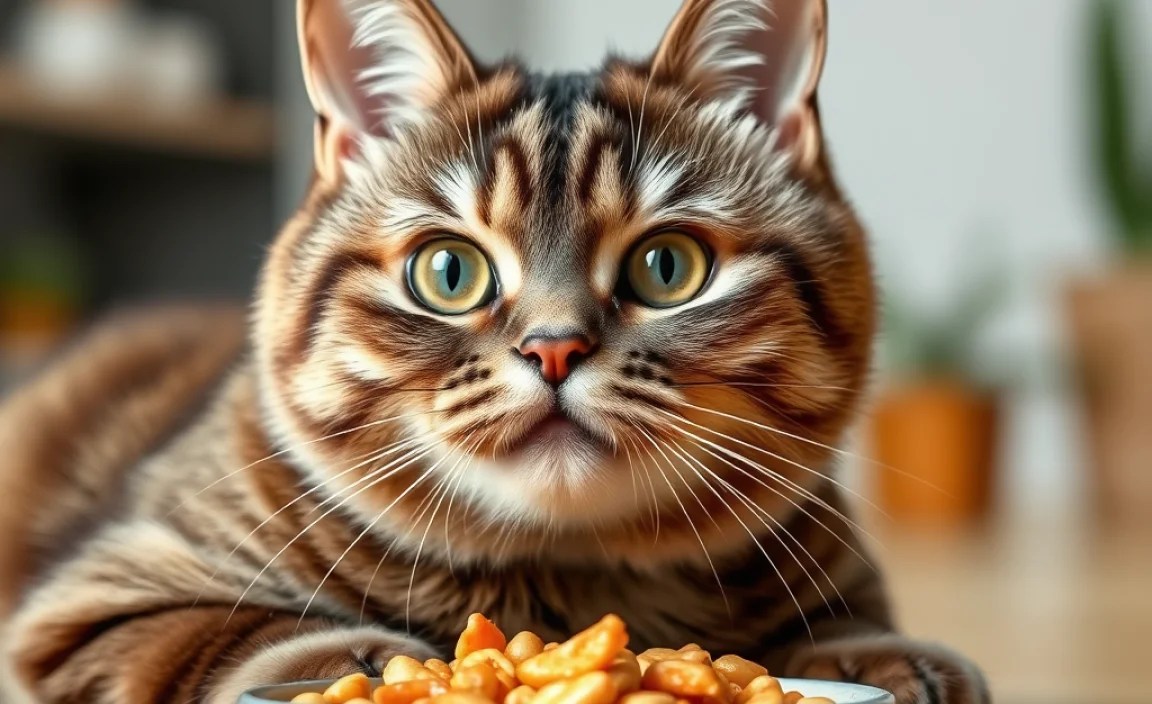
Establishing a consistent feeding schedule helps regulate your cat’s appetite and prevents overeating. Here’s how to create and maintain a feeding schedule:
- Set Specific Times: Choose two times each day for feeding, such as 7 AM and 6 PM.
- Measure Portions: Use a measuring cup to ensure you’re providing the correct amount of food.
- Avoid Free-Feeding: Leaving food out all day can lead to overeating. Stick to scheduled meal times.
- Monitor Weight: Regularly check your cat’s weight and adjust portions as needed to maintain a healthy body condition.
Dealing with Common Eating Issues

Even with a good feeding routine, you might encounter some common eating issues with your British Shorthair. Here’s how to address them:
Picky Eating
Some British Shorthairs can be picky eaters. If your cat is refusing food, try these tips:
- Warm the Food: Slightly warming wet food can enhance its aroma and make it more appealing.
- Try Different Textures: Experiment with different types of food (dry, wet, raw) to see what your cat prefers.
- Limit Treats: Too many treats can spoil their appetite for regular meals.
- Rule Out Health Issues: If your cat suddenly stops eating, consult with your vet to rule out any underlying health problems.
Overeating
If your British Shorthair is constantly begging for food or seems insatiable, take these steps:
- Increase Fiber: Adding a small amount of fiber to their diet can help them feel fuller.
- Puzzle Feeders: Use puzzle feeders to slow down eating and provide mental stimulation.
- Scheduled Playtime: Ensure your cat gets enough exercise, as boredom can lead to overeating.
- Consult Your Vet: Discuss your cat’s eating habits with your vet to rule out any medical reasons for increased appetite.
Food Aggression
Food aggression, where a cat becomes defensive or aggressive around their food, can be a challenging issue. Here’s how to manage it:
- Separate Feeding Areas: If you have multiple cats, feed them in separate areas to reduce competition.
- Stay Calm: Avoid approaching your cat while they’re eating, as this can trigger anxiety.
- Hand Feeding: Occasionally hand-feed your cat to build trust and associate you with positive experiences.
- Professional Help: If the aggression is severe, consult with a veterinary behaviorist for guidance.
Health Considerations for British Shorthairs

British Shorthairs are generally healthy cats, but they are prone to certain health issues. Being aware of these conditions can help you provide the best care for your feline friend.
Hypertrophic Cardiomyopathy (HCM)
HCM is a common heart condition in cats, including British Shorthairs. It causes thickening of the heart muscle, which can lead to heart failure. Regular veterinary check-ups and screenings can help detect and manage this condition.
Polycystic Kidney Disease (PKD)
PKD is a genetic condition that causes cysts to form on the kidneys. These cysts can eventually lead to kidney failure. Genetic testing can help identify affected cats, and management strategies can slow the progression of the disease.
Obesity
As mentioned earlier, British Shorthairs are prone to weight gain. Obesity can lead to various health problems, including diabetes, arthritis, and heart disease. Monitor your cat’s weight and adjust their diet and exercise as needed to maintain a healthy body condition.
Dental Issues
Dental problems, such as tartar buildup and gum disease, are common in cats. Regular dental cleanings and at-home dental care, such as brushing their teeth, can help prevent these issues. You can use cat-specific toothpaste and a soft toothbrush or finger brush.
Tips for a Happy and Healthy British Shorthair
Creating a nurturing environment is key to ensuring your British Shorthair thrives. Here are some additional tips to promote their well-being:
- Regular Vet Visits: Schedule annual check-ups with your vet to monitor their health and catch any potential issues early.
- Grooming: British Shorthairs have thick coats that require regular grooming. Brush them a few times a week to prevent matting and reduce shedding.
- Mental Stimulation: Provide plenty of toys and opportunities for play to keep them mentally stimulated. Puzzle feeders, interactive toys, and climbing structures can all be beneficial.
- Safe Environment: Ensure your home is safe for your cat by removing any hazards, such as toxic plants or cleaning chemicals.
- Love and Affection: Spend quality time with your cat, offering them love and attention. Even though they’re independent, they still appreciate your companionship.
British Shorthair Lifespan
British Shorthairs typically live between 12 and 17 years, but with proper care, they can live even longer. Factors that influence their lifespan include genetics, diet, exercise, and veterinary care. Providing a healthy lifestyle can help your British Shorthair enjoy a long and happy life.
Decoding British Shorthair Behavior
Understanding your British Shorthair’s behavior can help you strengthen your bond and address any potential issues. Here are some common behaviors and what they mean:
Purring
Purring usually indicates contentment, but it can also be a sign of stress or pain. Pay attention to the context to understand what your cat is trying to communicate. If they’re purring while being petted, they’re likely happy. If they’re purring and hiding, they might be feeling unwell.
Kneading
Kneading, or making biscuits, is a behavior that cats often exhibit when they’re feeling comfortable and secure. It’s a throwback to their kittenhood when they would knead their mother’s belly to stimulate milk flow.
Head Bunting
When your British Shorthair rubs their head against you, they’re marking you with their scent. This is a sign of affection and means they consider you part of their family.
Tail Signals
A cat’s tail can convey a lot about their mood. A straight-up tail usually indicates happiness, while a tucked tail can mean they’re scared or anxious. A swishing tail can indicate irritation or excitement.
Vocalization
British Shorthairs aren’t typically very vocal cats, but they do communicate through meows, chirps, and trills. Pay attention to the tone and context of their vocalizations to understand what they’re trying to say. For example, a loud, persistent meow might indicate hunger or attention-seeking.
British Shorthair Care Table
| Care Aspect | Frequency | Description |
|---|---|---|
| Feeding | Twice Daily | Provide measured portions of high-quality cat food. |
| Water | Daily | Ensure fresh, clean water is always available. |
| Grooming | 2-3 times a week | Brush to prevent matting and reduce shedding. |
| Vet Visits | Annually | Regular check-ups to monitor health. |
| Dental Care | 2-3 times a week | Brush teeth to prevent dental issues. |
| Litter Box | Daily | Clean the litter box to maintain hygiene. |
| Playtime | Daily | Provide toys and interactive play to keep them stimulated. |
British Shorthair Personality Traits Table
| Trait | Description | Implication |
|---|---|---|
| Affectionate | Enjoys human company and cuddling. | Ideal for people who want a loving companion. |
| Independent | Happy to spend time alone and doesn’t demand constant attention. | Suitable for busy individuals or families. |
| Playful | Enjoys playing with toys and engaging in interactive activities. | Requires regular playtime to stay mentally stimulated. |
| Gentle | Tolerant and patient, especially with children and other pets. | Good for families with kids or multi-pet households. |
| Adaptable | Can thrive in various living environments, from apartments to houses. | Easy to accommodate in different living situations. |
| Calm | Relaxed and easygoing demeanor. | Provides a sense of calm and companionship. |
FAQ About British Shorthair Eating Habits and Personality
Here are some frequently asked questions about British Shorthairs to help you better understand and care for your feline friend:
1. How much should I feed my British Shorthair?
The amount of food your British Shorthair needs depends on their age, weight, and activity level. Generally, adult cats need about 1/2 to 1 cup of dry food per day, divided into two meals. Always follow the feeding guidelines on the food packaging and adjust as needed to maintain a healthy weight. Consult with your vet for personalized recommendations.
2. Are British Shorthairs prone to overeating?
Yes, British Shorthairs are prone to weight gain, so it’s important to control their portions and avoid free-feeding. Stick to scheduled meal times and measure their food to prevent overeating. Provide plenty of exercise to help them burn calories and maintain a healthy weight. RSPCA has useful resources on cat nutrition.
3. What kind of food is best for British Shorthairs?
Choose high-quality cat food that is rich in protein and low in carbohydrates. Look for brands that list a specific meat source (like chicken, turkey, or fish) as the first ingredient. Avoid foods with excessive fillers, such as corn, wheat, or soy. Both dry and wet food can be part of a healthy diet, but wet food can help with hydration.
4. How can I tell if my British Shorthair is overweight?
You can tell if your British Shorthair is overweight by feeling their ribs. If you can’t easily feel their ribs, they’re likely overweight. Other signs include a lack of a visible waistline, difficulty grooming, and decreased activity levels. Your vet can assess your cat’s body condition and provide guidance on weight management.
5. Are British Shorthairs good with children?
Yes, British Shorthairs are generally good with children due to their gentle and patient nature. However, it’s important to supervise interactions between cats and young children to ensure everyone’s safety and comfort. Teach children how to handle cats gently and respectfully.
6. How much grooming do British Shorthairs need?
British Shorthairs have thick coats that require regular grooming. Brush them a few times a week to prevent matting and reduce shedding. During shedding season (spring and fall), you may need to brush them more frequently. Regular grooming also helps reduce hairballs. The International Cat Association (TICA) is a great resource for breed-specific grooming tips.
7. Do British Shorthairs need a lot of attention?
British Shorthairs are affectionate but independent cats. They enjoy human company but don’t demand constant attention. They’re happy to sit beside you while you read or watch TV, offering a sense of calm companionship. Provide them with plenty of toys and opportunities for play, but respect their need for alone time.
Conclusion
Understanding the eating habits and personality of your British Shorthair is essential for providing the best possible care. By focusing on portion control, high-quality food, and a consistent feeding schedule, you can help prevent weight gain and ensure your cat gets the nutrients they need. Their affectionate yet independent nature makes them wonderful companions, and with a little knowledge and attention, you can create a happy, healthy, and fulfilling life for your British Shorthair.


