
British Shorthair Social Interaction with Family: Secret?

British Shorthairs are generally relaxed cats who enjoy being near their families but aren’t overly demanding of attention. They are known for their independence, often preferring to observe from a distance rather than constantly seeking cuddles. Early socialization is key to a well-adjusted cat who enjoys gentle interaction and playtime with all family members, including children and other pets.
Bringing a British Shorthair into your family is an exciting time! You’re likely wondering how this new feline friend will fit into your home and interact with everyone. Will they be cuddly? Playful? Aloof? Understanding how British Shorthairs typically socialize can help you create a happy and harmonious environment for both your cat and your family. Don’t worry, it’s usually a smooth transition! Let’s explore how these lovely cats engage with their human companions, so you know just what to expect.
Understanding the British Shorthair Personality

Before we delve into social interactions, it’s important to grasp the core personality traits of the British Shorthair. This breed is known for its calm and easygoing nature. They’re not usually “lap cats” in the traditional sense, but they enjoy being in the same room as their family, often choosing a spot nearby to observe the goings-on. They are known to be independent, so they will often be okay on their own. Let’s explore some of the key personality aspects that influence their social behavior:
- Independent nature: British Shorthairs are not overly clingy. They enjoy their own company and are content to entertain themselves.
- Gentle and calm: They have a relaxed demeanor, making them good companions for families with children and other pets.
- Playful but not hyperactive: They enjoy interactive play sessions but don’t require constant stimulation.
- Observant: They often prefer to watch from a distance before engaging in activities.
- Affectionate in their own way: While they might not be cuddly, they show affection through purring, rubbing against your legs, and simply being near you.
Understanding these traits will help you better interpret your British Shorthair’s behavior and create a comfortable environment for them.
British Shorthair Interaction with Family Members

Now, let’s break down how British Shorthairs typically interact with different members of the family:
Interaction with Adults
British Shorthairs generally form strong bonds with the adults in the household. They appreciate calm and gentle interactions. Here’s what you can usually expect:
- Companionship: They enjoy being in the same room as their owners, offering quiet companionship.
- Affectionate gestures: They might rub against your legs, purr when you pet them, or sleep at the foot of your bed.
- Playtime: They’ll likely enjoy interactive play sessions with toys like wands or laser pointers.
- Respect for boundaries: They typically respect your personal space and won’t demand constant attention.
Interaction with Children
British Shorthairs can be excellent companions for children, but it’s crucial to teach children how to interact with them respectfully. Always supervise young children when they are around cats. Here’s how to promote positive interactions:
- Gentle handling: Teach children to be gentle when petting or playing with the cat.
- Respect for space: Children should understand that the cat needs its own space and should not be forced to interact.
- Appropriate play: Encourage children to use toys to play with the cat, rather than their hands or feet.
- Avoid chasing: Teach children not to chase or corner the cat.
A well-socialized British Shorthair will often tolerate gentle play from children, but it’s important to ensure the cat always has an escape route if they feel overwhelmed. According to the RSPCA, teaching children about cat body language is crucial for safe interactions.
Interaction with Other Pets
British Shorthairs can coexist peacefully with other pets, especially if they are introduced properly. Early socialization is key to a harmonious multi-pet household. Here’s what to consider:
- Gradual introduction: Introduce new pets slowly, allowing them to get used to each other’s scent before direct interaction.
- Separate spaces: Provide each pet with their own safe space where they can retreat if they feel stressed.
- Positive reinforcement: Reward calm behavior and positive interactions with treats and praise.
- Supervision: Supervise initial interactions to ensure they are positive and safe.
While British Shorthairs are generally tolerant, it’s important to consider the individual personalities of all pets involved. Some cats may be more accepting of other animals than others. If introducing a British Shorthair to a dog, make sure the dog is cat-friendly and well-trained.
Factors Influencing Social Interaction

Several factors can influence how a British Shorthair interacts with their family. Understanding these factors can help you create an environment that promotes positive social behavior.
Early Socialization
Early socialization is crucial for developing a well-adjusted and confident cat. Kittens should be exposed to a variety of people, environments, and experiences between the ages of 2 and 7 weeks. This helps them learn to adapt to different situations and reduces the likelihood of fear or aggression later in life. Some key socialization experiences include:
- Handling by different people: Expose the kitten to gentle handling by various people, including children.
- Exposure to different sounds and sights: Introduce the kitten to common household noises and sights, such as the vacuum cleaner, television, and visitors.
- Interaction with other animals: If possible, expose the kitten to other friendly cats and dogs.
- Positive reinforcement: Reward calm and confident behavior with treats and praise.
A well-socialized kitten is more likely to be a confident and friendly adult cat who enjoys interacting with their family.
Individual Personality
Just like people, each cat has its own unique personality. Some British Shorthairs are naturally more social and outgoing, while others are more reserved and independent. It’s important to respect your cat’s individual preferences and allow them to interact at their own pace. Pay attention to their body language to understand when they are comfortable and when they need space. According to the Cornell Feline Health Center, understanding feline body language is essential for building a strong bond with your cat.
Environment
The environment in which a British Shorthair lives can significantly impact their social behavior. A calm, safe, and stimulating environment will promote positive interactions. Here are some environmental factors to consider:
- Safe spaces: Provide your cat with multiple safe spaces where they can retreat if they feel stressed or overwhelmed. These can include cat trees, cozy beds, or quiet rooms.
- Scratching posts: Provide plenty of scratching posts to satisfy their natural scratching instincts and prevent them from scratching furniture.
- Enrichment: Offer a variety of toys and activities to keep your cat mentally stimulated. This can include puzzle toys, interactive games, and window perches.
- Cleanliness: Keep the litter box clean and in a quiet, accessible location.
A comfortable and enriching environment will help your British Shorthair feel secure and confident, which can lead to more positive social interactions.
Health
A cat’s health can also influence their social behavior. A cat who is in pain or feeling unwell may be less likely to interact with their family. If you notice a sudden change in your cat’s behavior, such as decreased appetite, lethargy, or aggression, it’s important to consult with a veterinarian to rule out any underlying medical conditions.
| Health Issue | Potential Impact on Social Interaction |
|---|---|
| Arthritis | Decreased mobility, reluctance to be touched or handled. |
| Dental disease | Pain when eating or being touched around the mouth, decreased appetite. |
| Hyperthyroidism | Increased anxiety, restlessness, and irritability. |
| Urinary tract infection | Pain and discomfort, leading to irritability and avoidance of interaction. |
Regular veterinary checkups and prompt treatment of any health issues can help ensure your British Shorthair remains a happy and social member of the family.
Encouraging Positive Social Interaction

While British Shorthairs are not typically demanding of attention, there are several things you can do to encourage positive social interaction and strengthen your bond with your cat.
Playtime
Interactive play sessions are a great way to bond with your British Shorthair and provide them with mental and physical stimulation. Use toys like wands, laser pointers, or puzzle toys to engage their natural hunting instincts. Aim for short, frequent play sessions rather than long, infrequent ones. According to Purina, short, frequent play sessions are more beneficial for cats.
Grooming
Regular grooming not only helps keep your British Shorthair’s coat healthy but also provides an opportunity for bonding. Most British Shorthairs enjoy being brushed, and it can be a relaxing and enjoyable experience for both you and your cat. Use a soft brush and gently groom your cat in the direction of their fur. Start with short grooming sessions and gradually increase the duration as your cat becomes more comfortable.
Positive Reinforcement
Positive reinforcement is a powerful tool for shaping your cat’s behavior. Reward desired behaviors, such as approaching you, purring, or allowing you to pet them, with treats, praise, or gentle petting. Avoid punishment, as it can create fear and anxiety and damage your relationship with your cat. TICA recommends using positive reinforcement techniques when training cats.
Respecting Boundaries
It’s important to respect your British Shorthair’s boundaries and allow them to interact at their own pace. If your cat is not in the mood for attention, don’t force it. Instead, give them space and allow them to come to you when they are ready. Forcing interaction can lead to stress and anxiety and may damage your relationship with your cat.
Creating a Comfortable Environment
As mentioned earlier, a comfortable and enriching environment is essential for promoting positive social interaction. Make sure your cat has access to safe spaces, scratching posts, toys, and a clean litter box. Provide them with opportunities for mental and physical stimulation, such as window perches, puzzle toys, and interactive games.
Addressing Social Interaction Problems
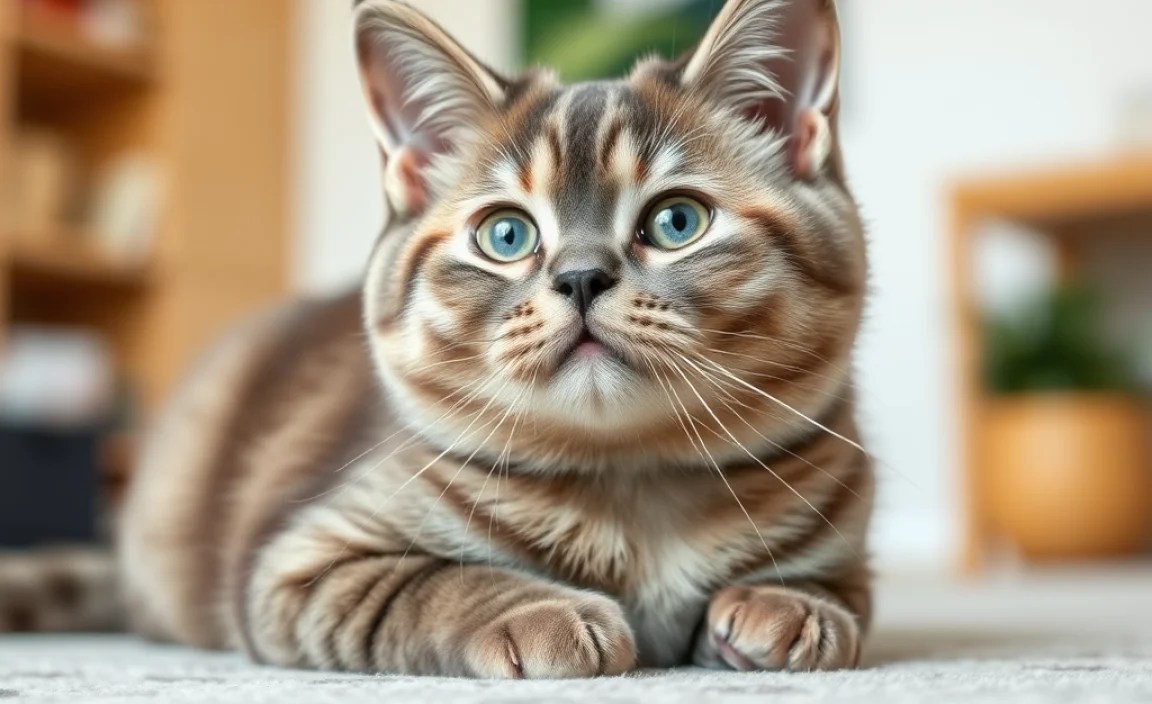
While British Shorthairs are generally easygoing cats, some may exhibit social interaction problems. These problems can range from shyness and fearfulness to aggression and excessive vocalization. If you’re experiencing social interaction problems with your British Shorthair, it’s important to identify the underlying cause and address it appropriately.
Shyness and Fearfulness
Some British Shorthairs may be naturally shy or fearful, especially if they were not properly socialized as kittens. If your cat is shy or fearful, it’s important to be patient and understanding. Provide them with a safe and comfortable environment and allow them to interact at their own pace. Avoid forcing interaction and use positive reinforcement to reward confident behavior.
Aggression
Aggression in British Shorthairs is relatively rare, but it can occur if they are feeling threatened, stressed, or in pain. If your cat is exhibiting aggressive behavior, it’s important to consult with a veterinarian or certified cat behaviorist to identify the underlying cause and develop a treatment plan. Never punish an aggressive cat, as it can escalate the behavior.
Excessive Vocalization
While British Shorthairs are not typically overly vocal, some may meow excessively, especially if they are feeling lonely, bored, or anxious. If your cat is meowing excessively, try to identify the cause and address it appropriately. Provide them with plenty of attention, playtime, and enrichment. If the excessive vocalization is due to anxiety, consult with a veterinarian about potential treatment options.
British Shorthair Social Interaction: A Summary
Here’s a helpful summary table to keep in mind:
| Aspect | Description | How to Encourage |
|---|---|---|
| Affection | Subtle; enjoys proximity, not always cuddles. | Be present, offer gentle pets when they approach. |
| Playfulness | Moderate; enjoys interactive play. | Provide toys, schedule short play sessions. |
| Independence | High; needs personal space. | Respect their space, provide safe retreats. |
| Children | Good, with respectful handling. | Supervise interactions, teach children gentle play. |
| Other Pets | Can coexist with slow introduction. | Introduce gradually, provide separate resources. |
Frequently Asked Questions
Here are some common questions about British Shorthair social interactions:
- Are British Shorthairs affectionate cats?
- Yes, but in their own way. They show affection through proximity, purring, and gentle gestures rather than constant cuddling.
- Are British Shorthairs good with children?
- Yes, they can be good companions for children who are taught to interact with them respectfully.
- Do British Shorthairs get lonely?
- While independent, they still enjoy companionship. Providing interactive toys and spending time with them can prevent loneliness.
- How do I introduce my British Shorthair to other pets?
- Introduce them gradually, allowing them to get used to each other’s scent before direct interaction. Provide separate spaces and supervise initial meetings.
- What if my British Shorthair is scared or shy?
- Be patient and understanding. Provide a safe environment and allow them to interact at their own pace. Use positive reinforcement to reward confident behavior.
- Are British Shorthairs high-energy cats?
- No, they have moderate energy levels and enjoy both playtime and relaxation.
- How much playtime does a British Shorthair need?
- Aim for 15-20 minutes of interactive play per day, divided into short sessions.
Conclusion
Understanding how British Shorthairs socialize and interact with their families is key to building a strong and loving relationship. While they may not be the most demanding cats, they still appreciate companionship, playtime, and a comfortable environment. By respecting their boundaries, providing them with opportunities for enrichment, and using positive reinforcement, you can create a happy and harmonious home for your British Shorthair and your family. Remember, every cat is an individual, so be patient, observant, and responsive to your cat’s unique needs and preferences. With a little understanding and effort, you and your British Shorthair can enjoy many years of companionship and joy.


