
British Shorthair Affectionate Behaviors Explained: Ultimate Guide

British Shorthairs show affection in subtle ways. They might follow you, enjoy being near you, or give gentle head bumps. While not lap cats, they bond deeply with their owners and express love through quiet companionship. Look for slow blinks, purring, and showing their belly as signs of trust and affection.
Is your British Shorthair acting aloof? Are you wondering if they even like you? It’s a common worry for new owners of this wonderful breed. British Shorthairs have a reputation for being independent, but they are affectionate in their own way. It’s all about understanding their unique love language. They might not be all over you like some breeds, but their subtle gestures speak volumes.
Let’s explore the ways your British Shorthair shows affection. We’ll decode their behaviors, so you can understand their expressions of love and build an even stronger bond. We will cover everything from purrs to slow blinks and more!
Understanding British Shorthair Affection

British Shorthairs are known for their calm and dignified nature. They aren’t usually demanding of attention, but they form strong bonds with their families. It’s important to understand that their affection might look different from other cat breeds. They are more about quiet companionship than constant cuddling.
The Independent But Loving Nature
Don’t mistake their independence for indifference. British Shorthairs enjoy having their own space, but they also want to be near their loved ones. This balance of independence and affection is a key part of their charm.
- They might follow you from room to room.
- They might choose to sit near you on the sofa.
- They may greet you at the door when you come home.
These are all signs that your British Shorthair cares about you and enjoys your company. They show their love through presence and gentle interactions.
Common Misconceptions About Their Affection
One common misconception is that British Shorthairs are not affectionate cats. This is simply not true! They show affection in their own way. They may not be lap cats, but they express love through:
- Quiet companionship
- Gentle head bumps
- Slow blinks
Understanding these subtle cues will help you appreciate your British Shorthair’s affection.
Decoding Affectionate Behaviors
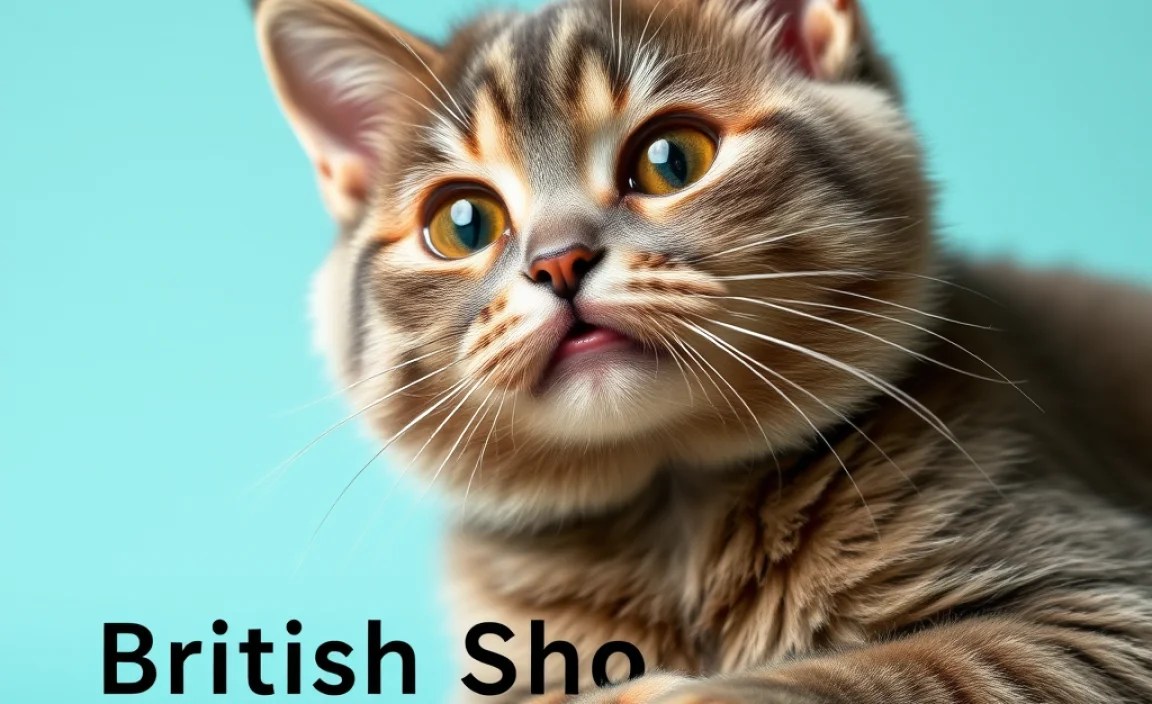
Let’s dive into the specific behaviors that indicate your British Shorthair’s affection. These signs might be subtle, but they are meaningful expressions of love and trust.
Purring: A Sign of Contentment
Purring is often associated with happiness and contentment in cats. When your British Shorthair purrs while you’re petting them, it’s a clear sign they are enjoying your company and feeling relaxed. According to the RSPCA, purring can also be a sign of self-soothing, but in most cases, it means they are happy and comfortable.
Slow Blinking: The “Kitty Kiss”
A slow blink is a very special sign of affection in the cat world. When your British Shorthair looks at you and slowly closes and opens their eyes, they are giving you a “kitty kiss.” This means they trust you and feel safe around you. Return the slow blink to show them you love them too!
Head Bunting and Cheek Rubbing
Head bunting, or head rubbing, is when your cat gently bumps their head against you. Cheek rubbing is similar, but they rub their cheeks against you. These behaviors are ways for your cat to mark you with their scent. This shows they claim you as part of their family.
Following You Around
Does your British Shorthair follow you from room to room? This is a sign they enjoy being in your presence and want to be near you. It’s their way of saying, “I like you, and I want to be with you.”
Bringing You “Gifts”
Sometimes, cats bring their owners “gifts,” such as toys or even prey. While it might not be the most pleasant gift, it’s a sign that your cat trusts you and wants to share with you. They are bringing you what they consider valuable.
Showing Their Belly
When a cat shows you their belly, it’s a sign of ultimate trust. The belly is a vulnerable area, so if your British Shorthair exposes it to you, they feel safe and secure in your presence. However, this doesn’t always mean they want a belly rub! Some cats don’t enjoy being touched on their stomach, so pay attention to their body language.
Sleeping Near You
Does your British Shorthair like to sleep near you, whether it’s on the bed, on the sofa, or in the same room? This is a sign they feel comfortable and safe around you. They are choosing to be close to you, which shows affection.
Why British Shorthairs Aren’t Always Lap Cats

It’s important to understand that not all British Shorthairs are lap cats. This doesn’t mean they don’t love you. It simply means they prefer to show affection in other ways. Their breed is known for being independent, and they might prefer to sit next to you rather than on you.
Understanding Their Preference for Proximity
British Shorthairs often prefer to be near you rather than on you. They might sit beside you on the couch, lie at your feet, or sleep in the same room. This is their way of being close without being too clingy.
Respecting Their Boundaries
It’s important to respect your British Shorthair’s boundaries. If they don’t want to be picked up or cuddled, don’t force it. Forcing affection can make them feel stressed and damage your bond. Instead, let them come to you and show affection on their terms.
Building Trust Through Gentle Interactions
You can build trust and strengthen your bond with your British Shorthair through gentle interactions. This includes:
- Petting them when they come to you
- Playing with them using their favorite toys
- Talking to them in a soft, soothing voice
These small gestures can go a long way in showing your British Shorthair that you care.
Creating an Affectionate Environment
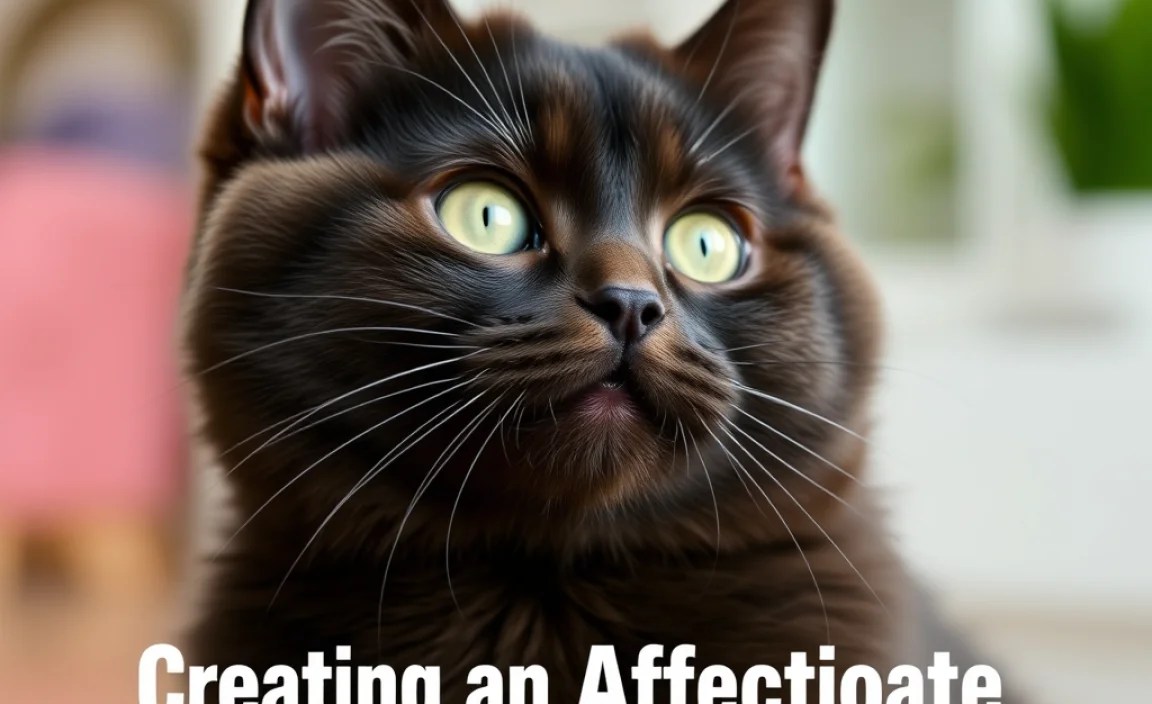
You can encourage affectionate behaviors in your British Shorthair by creating a comfortable and loving environment. This includes providing them with their basic needs and making them feel safe and secure.
Providing a Safe and Comfortable Space
Make sure your British Shorthair has a safe and comfortable space to call their own. This could be a cozy bed, a quiet corner, or a cat tree where they can observe their surroundings. A safe environment will help them feel more relaxed and secure, which can lead to more affectionate behaviors. According to Cornell Feline Health Center, cats thrive in environments where they feel safe and have their needs met.
Meeting Their Basic Needs: Food, Water, and Litter
Ensure your British Shorthair has access to fresh food, clean water, and a clean litter box. Meeting their basic needs will help them feel comfortable and content. A happy cat is more likely to be affectionate.
Engaging in Playtime
Playtime is a great way to bond with your British Shorthair and encourage affection. Use toys like:
- Feather wands
- Laser pointers
- Interactive toys
Playtime provides mental stimulation and physical exercise, which can help your cat feel more relaxed and affectionate. Aim for at least 15-20 minutes of playtime each day.
The Importance of Positive Reinforcement
Positive reinforcement is a powerful tool for encouraging affectionate behaviors. When your British Shorthair shows affection, reward them with praise, petting, or a treat. This will reinforce the behavior and make them more likely to repeat it in the future. Avoid punishment, as this can create fear and damage your bond.
Dealing with Lack of Affection

If your British Shorthair isn’t showing affection, don’t panic. There could be several reasons why. It’s important to be patient and understanding.
Ruling Out Medical Issues
First, rule out any medical issues. If your cat is suddenly withdrawn or showing changes in behavior, consult with your veterinarian. They can perform a physical exam and run tests to determine if there’s an underlying health problem.
Understanding Personality Differences
Just like people, cats have different personalities. Some cats are naturally more affectionate than others. Your British Shorthair might simply be more independent and less outwardly affectionate. This doesn’t mean they don’t love you; it just means they show it in a different way.
Addressing Potential Stressors
Stress can also affect a cat’s behavior. Consider any potential stressors in your cat’s environment, such as:
- Loud noises
- Changes in routine
- New pets or people in the home
Minimize these stressors to help your cat feel more comfortable and secure. You can also try using calming products like pheromone diffusers, such as Feliway, which mimics natural cat pheromones to reduce stress and anxiety.
Seeking Professional Advice
If you’re concerned about your British Shorthair’s lack of affection, consider seeking professional advice from a cat behaviorist. They can assess your cat’s behavior and provide personalized recommendations for improving your bond. A behaviorist can identify underlying issues and help you create a more affectionate relationship with your cat.
Affectionate British Shorthair: A Case Study
Let me tell you about Whiskers, a beautiful blue British Shorthair I worked with a few years ago. His owner, Sarah, was worried because Whiskers didn’t seem as affectionate as her previous cat. He wouldn’t sit on her lap, and he rarely purred.
After observing Whiskers and talking with Sarah, I realized that Whiskers was showing affection in his own way. He would follow Sarah around the house, greet her at the door, and sleep near her bed. He just wasn’t a lap cat.
I encouraged Sarah to respect Whiskers’ boundaries and focus on building trust through gentle interactions. She started playing with him more often, talking to him in a soothing voice, and giving him treats when he showed affection. Over time, Whiskers became more affectionate. He started purring more often and even occasionally sat next to Sarah on the couch.
This case study illustrates that every cat is different, and it’s important to understand and respect their individual preferences. With patience, understanding, and gentle interactions, you can build a strong and loving bond with your British Shorthair.
British Shorthair Affectionate Behaviors Explained: FAQs
Here are some frequently asked questions about British Shorthair affectionate behaviors:
- Are British Shorthairs affectionate cats?
- Yes, but they show affection in subtle ways. They might not be lap cats, but they bond deeply with their owners and express love through quiet companionship, following you around, and gentle head bumps.
- Why doesn’t my British Shorthair sit on my lap?
- British Shorthairs are known for their independence. They might prefer to sit next to you rather than on you. This doesn’t mean they don’t love you; it’s just their personality.
- How can I tell if my British Shorthair loves me?
- Look for signs like purring, slow blinking, head bunting, following you around, and showing their belly. These are all signs of trust and affection.
- What does it mean when my cat slow blinks at me?
- A slow blink is a “kitty kiss.” It means your cat trusts you and feels safe around you. Return the slow blink to show them you love them too!
- How can I encourage my British Shorthair to be more affectionate?
- Create a safe and comfortable environment, meet their basic needs, engage in playtime, and use positive reinforcement. Respect their boundaries and let them show affection on their terms.
- What should I do if my cat isn’t showing any affection?
- First, rule out any medical issues. Then, consider their personality and any potential stressors in their environment. If you’re concerned, seek professional advice from a cat behaviorist.
- Are British Shorthairs good family pets?
- Yes! British Shorthairs are known for their gentle and patient nature, making them excellent family pets. They typically get along well with children and other animals, but proper socialization is important.
Conclusion
Understanding British Shorthair affectionate behaviors explained is key to building a strong bond with your feline friend. While they may not be as outwardly affectionate as some other breeds, their subtle gestures speak volumes. By learning to recognize these signs and creating a loving environment, you can strengthen your relationship with your British Shorthair and enjoy their quiet companionship for years to come.
Remember, every cat is an individual, and their personality will shape how they express love. Be patient, understanding, and respectful of their boundaries, and you’ll be rewarded with a loyal and loving companion.


