
How British Shorthairs React to New Toys: The Secret

British Shorthairs generally react to new toys with curiosity, cautious exploration, and playful engagement. Some cats may immediately pounce and play, while others need time to observe and become comfortable. Introduce new toys gradually, observe your cat’s preferences, and ensure the toys are safe and appropriately sized to encourage healthy play.
Bringing a new toy home for your British Shorthair is an exciting moment! You imagine them pouncing, batting, and enjoying their new treasure. But sometimes, their reaction isn’t quite what you expect. Perhaps they ignore it, cautiously sniff it, or even seem a little scared. This is perfectly normal! Every cat has their own personality and comfort level. Understanding how British Shorthairs typically react to new toys and knowing how to introduce them properly can make playtime a success. Let’s explore how to make those introductions smooth and enjoyable for both of you.
Understanding British Shorthair Play Styles

British Shorthairs are known for their calm and gentle nature, but they still need playtime! Their play style is often described as moderate – they aren’t usually as hyperactive as some other breeds. Understanding their preferences helps in choosing the right toys and introduction methods.
Typical Play Styles
- Cautious Explorers: Many British Shorthairs approach new things with a degree of caution. They might observe a new toy from a distance before getting close.
- Gentle Players: They often prefer toys that allow for gentle batting and pouncing rather than high-energy chasing.
- Independent Play: British Shorthairs are often content to play on their own, making solo toys a good choice.
- Comfort Seekers: They appreciate toys that offer comfort, like soft plushies or cozy beds with attached toys.
Factors Influencing Toy Reaction
Several factors can influence how your British Shorthair reacts to new toys:
- Age: Kittens are generally more playful and curious than older cats.
- Personality: Some cats are naturally more adventurous, while others are more reserved.
- Past Experiences: Previous experiences with toys can shape their current reactions. A cat that had a negative experience with a noisy toy might be wary of similar items.
- Environment: A calm and safe environment encourages exploration and play.
Step-by-Step Guide to Introducing New Toys

Introducing new toys to your British Shorthair requires patience and understanding. Here’s a step-by-step guide to help you through the process:
Step 1: Choose the Right Toy
Selecting appropriate toys is crucial for a positive reaction. Consider the following:
- Safety: Avoid toys with small parts that can be swallowed. Look for durable materials that won’t easily break.
- Size: Choose toys that are appropriately sized for your cat. Toys that are too small can be choking hazards, while those that are too large may be intimidating.
- Material: Opt for soft, non-toxic materials. Avoid toys with sharp edges or toxic paints.
- Type: Consider a variety of toys to keep your cat engaged. Some popular options include:
- Wand Toys: These toys mimic the movement of prey and encourage active play.
- Puzzle Toys: These toys challenge your cat mentally and physically, dispensing treats as a reward.
- Plush Toys: Soft plush toys can provide comfort and companionship.
- Scratch Toys: These toys satisfy your cat’s natural scratching instincts.
Step 2: Initial Presentation
The first introduction sets the tone for future interactions. Here’s how to make a good first impression:
- Start Slowly: Don’t overwhelm your cat with multiple new toys at once. Introduce one toy at a time.
- Neutral Territory: Place the new toy in a neutral area where your cat feels safe and comfortable.
- Observe from a Distance: Allow your cat to approach the toy on their own terms. Avoid forcing interaction.
- Use Positive Reinforcement: If your cat shows interest, offer praise or a small treat to reinforce their curiosity.
Step 3: Encourage Interaction
Once your cat is comfortable with the toy’s presence, you can encourage interaction:
- Gentle Movement: If it’s a wand toy, move it slowly and enticingly to mimic prey.
- Interactive Play: Engage with your cat during playtime. Use a soft voice and gentle movements.
- Short Sessions: Keep play sessions short and sweet to prevent overstimulation.
- Positive Ending: End the play session on a positive note, leaving the toy accessible for later exploration.
Step 4: Monitor and Adjust
Pay attention to your cat’s reactions and adjust your approach accordingly:
- Watch for Signs of Stress: If your cat shows signs of fear or anxiety (e.g., flattened ears, tucked tail, hissing), remove the toy and try again later with a different approach.
- Observe Preferences: Notice which toys your cat enjoys the most and focus on those types in the future.
- Rotate Toys: Keep things interesting by rotating toys regularly. This can re-spark interest in older toys.
- Clean Regularly: Keep toys clean to prevent the buildup of bacteria and maintain your cat’s interest.
Specific Toy Types and British Shorthair Reactions

Different types of toys can elicit varied reactions from British Shorthairs. Here’s a look at some common toy types and how your cat might respond:
Wand Toys
Wand toys, with feathers, ribbons, or small plush attachments, are excellent for stimulating a cat’s hunting instincts. According to the RSPCA, interactive play is crucial for a cat’s physical and mental well-being. Here’s what you might observe:
- Initial Curiosity: Most British Shorthairs will show initial interest in the moving object.
- Gentle Pouncing: They often prefer to stalk and pounce gently rather than engage in high-speed chases.
- Varied Engagement: Some cats will actively chase and bat at the attachment, while others will observe from a distance before engaging.
Puzzle Toys
Puzzle toys challenge your cat to solve a problem in order to receive a treat. These toys are great for mental stimulation and preventing boredom. TICA (The International Cat Association) highlights the importance of mental enrichment for maintaining a cat’s overall health.
- Cautious Approach: Some cats may be hesitant at first, needing encouragement to explore the toy.
- Focused Engagement: Once they understand the concept, they can become highly focused and persistent in their efforts to get the treat.
- Patience Required: It may take a few tries for your cat to figure out how the puzzle works. Be patient and offer guidance.
Plush Toys
Soft plush toys can provide comfort and companionship for your British Shorthair. These toys are often carried around, cuddled, or used as pillows.
- Comfort and Security: Many cats will find comfort in the softness of the toy, using it as a security object.
- Gentle Play: They may engage in gentle batting or bunny-kicking with the toy.
- Scent Marking: Cats often rub their faces on plush toys to mark them with their scent, claiming them as their own.
Scratch Toys
Scratch toys are essential for satisfying a cat’s natural scratching instincts. They come in various forms, including posts, pads, and cardboard scratchers. According to the Cornell Feline Health Center, providing appropriate scratching surfaces can prevent destructive scratching behavior.
- Initial Investigation: Cats will often investigate the texture and stability of the scratcher.
- Marking Behavior: They will scratch to mark their territory, both visually and with scent from their paws.
- Regular Use: Once they accept the scratcher, they will use it regularly to maintain their claws and stretch their muscles.
Troubleshooting Common Reactions

Sometimes, your British Shorthair might react in unexpected ways to new toys. Here’s how to troubleshoot some common issues:
Fear and Anxiety
If your cat is fearful or anxious, it’s important to address the issue with patience and understanding.
- Identify the Trigger: Determine what aspect of the toy is causing the fear (e.g., noise, size, movement).
- Desensitization: Gradually expose your cat to the trigger in a controlled manner. For example, if the toy makes noise, start by playing the sound softly in the distance.
- Positive Association: Pair the trigger with positive experiences, such as treats or praise.
- Safe Space: Ensure your cat has a safe space to retreat to if they feel overwhelmed.
Lack of Interest
If your cat shows no interest in the new toy, don’t give up right away.
- Change the Presentation: Try presenting the toy in a different way. For example, if your cat ignored it on the floor, try dangling it from a string.
- Use Catnip: Sprinkle a little catnip on the toy to make it more enticing.
- Interactive Play: Engage with the toy yourself to show your cat how fun it can be.
- Rotate Toys: Keep the toy out of sight for a while and then reintroduce it later.
Aggression
Aggression towards toys is rare but can occur, especially with hunting-type toys.
- Redirect the Behavior: If your cat becomes overly aggressive, redirect their attention to a different toy or activity.
- Supervise Play: Always supervise play sessions to ensure your cat doesn’t become overly stimulated.
- Consult a Professional: If the aggression is severe or persistent, consult with a veterinarian or cat behaviorist.
Creating a Playful Environment
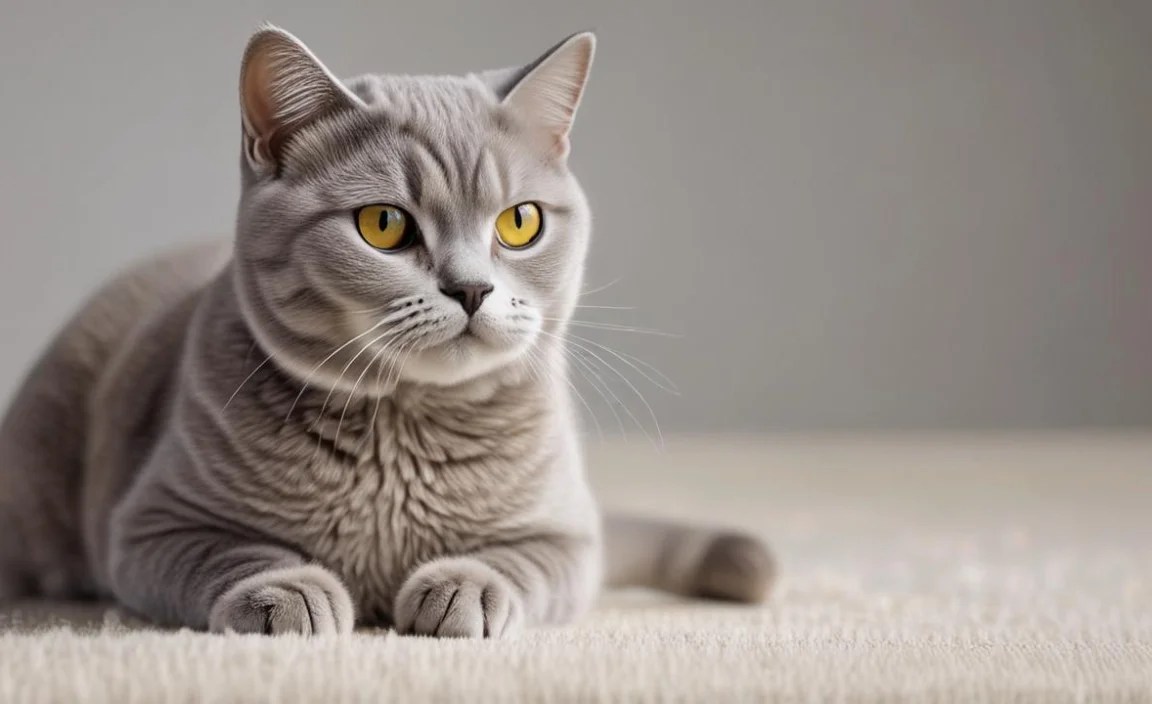
Creating an environment that encourages play can significantly enhance your British Shorthair’s enjoyment of new toys.
Environmental Enrichment
Environmental enrichment involves making your cat’s living space more stimulating and engaging.
- Vertical Space: Provide cat trees, shelves, and window perches to encourage climbing and exploration.
- Scratching Posts: Place scratching posts in prominent locations to encourage scratching.
- Hiding Places: Offer boxes, tunnels, and cozy beds for your cat to retreat to.
- Window Views: Cats enjoy watching the outside world. Provide a window perch with a clear view.
Playtime Routine
Establishing a regular playtime routine can help your cat anticipate and enjoy play sessions.
- Schedule Playtime: Set aside specific times each day for play.
- Consistency: Stick to the schedule as much as possible to create a predictable routine.
- Variety: Offer a variety of toys and activities to keep things interesting.
- Positive Reinforcement: Use praise, treats, and affection to reward your cat’s participation.
Safety Considerations
Ensuring a safe play environment is crucial for your cat’s well-being.
- Toy Inspection: Regularly inspect toys for damage and replace them as needed.
- Supervision: Supervise play sessions to prevent accidents.
- Hazard Removal: Remove any potential hazards from the play area, such as loose wires or small objects.
- Safe Toys: Choose toys that are specifically designed for cats and made from non-toxic materials.
Table: Toy Reactions and Solutions
| Reaction | Possible Cause | Solution |
|---|---|---|
| Fear | Loud noise, unfamiliar appearance | Introduce slowly, desensitize, provide safe space |
| Lack of Interest | Boredom, wrong type of toy | Change presentation, use catnip, rotate toys |
| Aggression | Overstimulation, hunting instinct | Redirect behavior, supervise play, consult professional |
| Obsessive Play | Anxiety, lack of other stimulation | Limit playtime, provide other enrichment, consult professional |
Table: Recommended Toys for British Shorthairs
| Toy Type | Description | Benefits |
|---|---|---|
| Wand Toys | Feathers or ribbons on a stick | Encourages active play and hunting behavior |
| Puzzle Toys | Treat-dispensing toys | Provides mental stimulation and prevents boredom |
| Plush Toys | Soft, cuddly toys | Offers comfort and companionship |
| Scratch Toys | Scratching posts or pads | Satisfies scratching instincts and prevents destructive behavior |
| Laser Pointers | Moving light beam | Stimulates hunting instincts, use in moderation |
Frequently Asked Questions (FAQ)
Why is my British Shorthair scared of new toys?
British Shorthairs can be cautious. New toys might have unfamiliar smells, textures, or sounds that startle them. Give your cat time to adjust and approach the toy at their own pace.
How can I make a new toy more appealing?
Try rubbing the toy with catnip or placing it near your cat’s favorite sleeping spot to transfer familiar scents. You can also move the toy enticingly to mimic prey.
What if my cat ignores the new toy completely?
Some cats need time to warm up to new things. Put the toy away and reintroduce it a few days later. Also, try different types of toys to find what your cat enjoys most.
Are some toys safer than others?
Yes! Avoid toys with small parts that can be swallowed or chewed off. Choose durable, non-toxic materials. Regularly inspect toys for damage.
How often should I introduce new toys?
Introducing a new toy every few weeks can help keep your cat engaged and prevent boredom. Rotate toys to keep things interesting.
Can kittens and adult cats react differently to toys?
Yes, kittens are usually more curious and playful, while adult cats may be more selective. Adjust your approach based on your cat’s age and personality.
What are the signs that my cat is enjoying a toy?
Signs of enjoyment include purring, kneading, playful swats, and focused attention. A relaxed posture and engaged eyes are also good indicators.
Conclusion
Introducing new toys to your British Shorthair can be a rewarding experience with a little patience and understanding. By choosing the right toys, introducing them gradually, and creating a playful environment, you can encourage your cat to engage and enjoy their new treasures. Remember to pay attention to your cat’s individual preferences and reactions, and adjust your approach accordingly. Happy playing!


