
How to Prevent Obesity in British Shorthairs: Easy Guide

Quick Summary: Preventing obesity in British Shorthair cats involves managing their diet with measured portions of high-quality food, encouraging regular exercise through interactive play, and scheduling routine vet check-ups. Avoid free-feeding, limit treats, and be mindful of their tendency to gain weight due to their laid-back nature. Early intervention and consistent monitoring are key to maintaining a healthy weight.
Is your British Shorthair getting a little too round? You’re not alone! These lovely cats are prone to weight gain, thanks to their relaxed lifestyle and love of food. But don’t worry, it’s absolutely possible to keep your British Shorthair at a healthy weight. Obesity can lead to serious health issues, so taking action now is one of the best things you can do for your furry friend.
In this guide, I’ll walk you through simple, effective steps to prevent obesity in your British Shorthair. We’ll cover everything from diet and exercise to vet visits and understanding your cat’s unique needs. Let’s get started and ensure your British Shorthair lives a long, happy, and healthy life!
Understanding Obesity in British Shorthairs

British Shorthairs are naturally stocky cats, but it’s important to distinguish between their sturdy build and unhealthy weight gain. These cats tend to be less active than some other breeds, making them more susceptible to obesity. Recognizing the signs and understanding the risks is the first step in keeping your cat healthy.
Why British Shorthairs Are Prone to Weight Gain
Several factors contribute to the tendency for British Shorthairs to gain weight:
- Laid-back Lifestyle: British Shorthairs are known for their calm and relaxed nature. While this makes them wonderful companions, it also means they may not get as much exercise as more active breeds.
- Love of Food: Many British Shorthairs enjoy eating and may overeat if given the opportunity. They might not always self-regulate their food intake.
- Genetics: Some cats may be genetically predisposed to weight gain. While the specific genes aren’t fully understood, genetics can play a role.
- Indoor Living: Indoor cats generally have fewer opportunities for exercise compared to outdoor cats.
Health Risks Associated with Obesity

Obesity in cats can lead to a variety of serious health problems:
- Diabetes: Overweight cats are more likely to develop diabetes, which requires lifelong management with insulin injections and dietary changes, according to Cornell Feline Health Center.
- Arthritis: Excess weight puts extra stress on joints, leading to arthritis and decreased mobility.
- Heart Disease: Obesity can contribute to heart problems and high blood pressure.
- Liver Disease: Fatty liver disease (hepatic lipidosis) is a serious condition that can occur in overweight cats who stop eating properly.
- Decreased Lifespan: Obese cats tend to have shorter lifespans compared to cats at a healthy weight.
- Skin Problems: Overweight cats may have difficulty grooming themselves, leading to skin infections and matting.
Recognizing the Signs of Obesity
It’s important to regularly assess your British Shorthair to identify any signs of weight gain:
- Difficulty Feeling Ribs: You should be able to easily feel your cat’s ribs with a thin layer of fat covering them. If you have to press firmly to feel the ribs, your cat may be overweight.
- Lack of a Defined Waist: When viewed from above, your cat should have a slight indentation behind the ribs. If your cat has a straight or rounded shape, they may be overweight.
- Difficulty Grooming: Overweight cats may struggle to reach certain areas of their body, leading to poor grooming and matting.
- Decreased Activity: A noticeable decrease in activity level can be a sign of weight gain and discomfort.
- Weight Scale: Regularly weighing your cat can help you detect gradual weight gain early on.
Step-by-Step Guide to Preventing Obesity

Now that we understand the risks and signs of obesity, let’s dive into the steps you can take to keep your British Shorthair at a healthy weight.
1. Control Food Portions
One of the most effective ways to prevent obesity is to manage your cat’s food intake. Overfeeding is a common mistake, so it’s important to measure portions and stick to a consistent feeding schedule.
Read Food Labels Carefully
Always read the feeding guidelines on your cat food packaging. These guidelines provide a starting point for how much to feed your cat based on their weight and activity level. Keep in mind that these are just guidelines, and you may need to adjust the amount based on your cat’s individual needs.
Use a Measuring Cup
Avoid free-feeding (leaving food out all day) as this can lead to overeating. Instead, measure out your cat’s daily food allowance using a measuring cup. Divide the daily amount into two or three meals to help keep your cat feeling full and satisfied.
Choose the Right Food
Select a high-quality cat food that is appropriate for your cat’s age and activity level. Look for foods that are rich in protein and low in carbohydrates. Consider a weight management formula if your cat is already prone to weight gain. Consult with your veterinarian to determine the best food for your British Shorthair.
Here’s a quick guide to selecting the right cat food:
| Factor | Recommendation | Reason |
|---|---|---|
| Protein Content | High (30-40% on a dry matter basis) | Supports muscle mass and helps with satiety. |
| Carbohydrate Content | Low (less than 25% on a dry matter basis) | Minimizes empty calories and reduces the risk of weight gain. |
| Fiber Content | Moderate (2-5%) | Promotes digestive health and can help with weight management. |
| Fat Content | Moderate (15-20%) | Provides essential fatty acids for healthy skin and coat, but should be balanced to prevent excess calorie intake. |
| Ingredients | Named meat sources (e.g., chicken, salmon) as primary ingredients | Ensures high-quality protein sources. |
2. Encourage Exercise and Play
Regular physical activity is crucial for maintaining a healthy weight. Even though British Shorthairs aren’t known for being overly energetic, you can still encourage them to exercise with interactive play.
Interactive Play Sessions
Schedule daily play sessions with your cat. Use toys like feather wands, laser pointers, and toy mice to stimulate their hunting instincts and get them moving. Aim for at least 15-20 minutes of active play each day.
Provide Climbing Opportunities
Cats love to climb, so provide vertical spaces for your British Shorthair to explore. Cat trees, shelves, and window perches can encourage them to climb and stretch, which helps burn calories and maintain muscle mass.
Puzzle Feeders
Puzzle feeders are a great way to make mealtime more engaging and encourage your cat to work for their food. These feeders require your cat to solve a puzzle to access their food, which can slow down their eating and provide mental stimulation.
Here are a few ideas to incorporate more exercise into your British Shorthair’s day:
- Feather Wand Play: Wave a feather wand around and let your cat chase and pounce.
- Laser Pointer: Shine a laser pointer on the floor and walls for your cat to chase.
- Toy Mice: Toss toy mice for your cat to hunt and retrieve.
- Catnip Toys: Catnip can stimulate your cat’s playful side, encouraging them to run and play.
3. Limit Treats and Snacks
Treats and snacks can add extra calories to your cat’s diet, so it’s important to limit them. Choose healthy treat options and offer them in moderation.
Healthy Treat Options
Opt for low-calorie treats that are specifically designed for cats. You can also offer small pieces of cooked chicken or fish as a healthy treat option. Avoid giving your cat human food, as it can be high in calories and unhealthy ingredients.
Treat Portion Control
Limit the number of treats you give your cat each day. Treats should only make up a small portion of their daily calorie intake. Consider using treats as rewards for good behavior or during training sessions.
Avoid Table Scraps
Never give your cat table scraps, as they can be high in fat and calories. It’s important to establish clear boundaries and not give in to your cat’s begging. This will help prevent weight gain and promote healthy eating habits.
Here’s a table illustrating how treats can impact your cat’s daily calorie intake:
| Treat Type | Calories per Treat (Approximate) | Impact on Daily Calorie Intake (Based on a 200-calorie daily need) |
|---|---|---|
| Commercial Cat Treat | 2-5 calories | A few treats can add up quickly; be mindful of quantity. |
| Small Piece of Cooked Chicken | 10-15 calories | Healthier option, but still needs to be limited. |
| Cheese | 20-30 calories | High in fat and calories; should be avoided or given very sparingly. |
| Tuna (in oil) | 40-50 calories | Very high in calories; not recommended as a regular treat. |
4. Regular Vet Check-ups
Routine veterinary visits are essential for monitoring your cat’s weight and overall health. Your veterinarian can help you identify any potential health issues and provide personalized recommendations for managing your cat’s weight.
Weight Monitoring
During your cat’s check-up, your veterinarian will weigh your cat and assess their body condition. They can help you determine if your cat is at a healthy weight and provide guidance on how to adjust their diet and exercise routine if needed.
Health Screenings
Regular vet visits can help detect underlying health conditions that may contribute to weight gain, such as thyroid problems or hormonal imbalances. Early detection and treatment can help prevent further weight gain and improve your cat’s overall health.
Personalized Recommendations
Your veterinarian can provide personalized recommendations for your cat’s diet, exercise, and overall health. They can also answer any questions you have about managing your cat’s weight and addressing any concerns you may have.
Create a Stimulating Environment
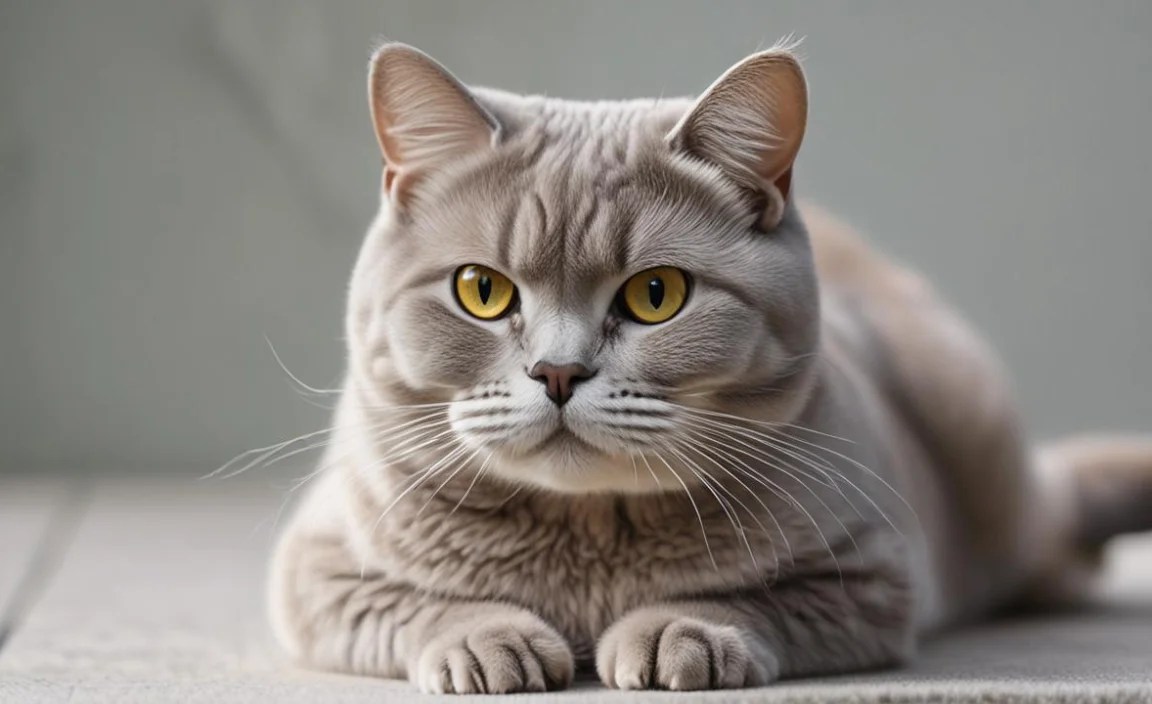
A stimulating environment can help keep your British Shorthair active and engaged, which can contribute to weight management. Provide plenty of toys, climbing opportunities, and hiding places to encourage exploration and play.
Scratching Posts
Scratching is a natural behavior for cats, and scratching posts can provide a healthy outlet for this behavior. Place scratching posts in various locations around your home to encourage your cat to scratch and stretch.
Window Perches
Cats love to watch the world go by, so provide window perches where they can sit and observe their surroundings. This can provide mental stimulation and help keep them entertained.
Rotate Toys
Cats can get bored with the same toys, so rotate them regularly to keep things interesting. Introduce new toys every few weeks to keep your cat engaged and stimulated.
6. Monitor Food Intake Among Multiple Cats
If you have multiple cats, it can be challenging to ensure each cat is eating the right amount of food. Here are some strategies to manage food intake in a multi-cat household:
- Separate Feeding Stations: Feed each cat in a separate location to prevent them from stealing food from each other.
- Microchip Feeders: Consider using microchip-activated feeders, which only open for the cat with the corresponding microchip. This ensures that each cat can only access their own food.
- Supervise Meal Times: Supervise your cats during meal times to ensure they are eating their designated portions and not overeating.
Be Patient and Consistent
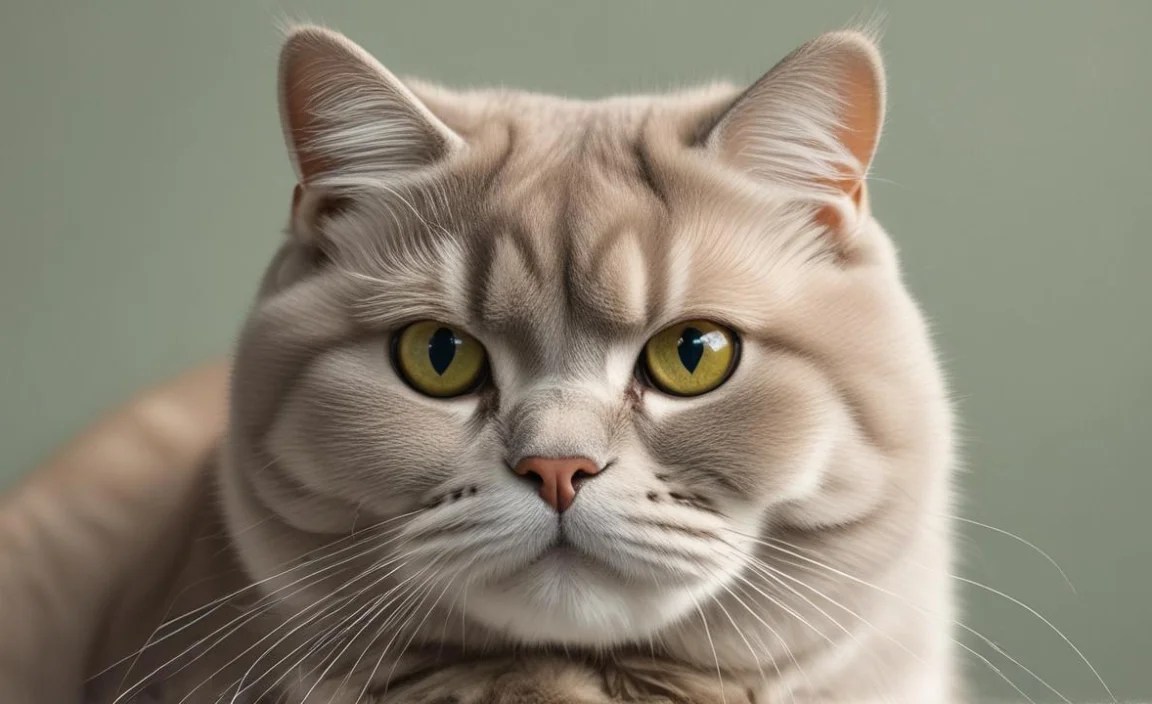
Weight management is a gradual process, so it’s important to be patient and consistent with your efforts. Don’t get discouraged if you don’t see results immediately. Stick to the plan, and your British Shorthair will eventually reach a healthy weight.
Track Progress
Keep track of your cat’s weight and body condition over time. This will help you monitor their progress and make any necessary adjustments to their diet and exercise routine.
Celebrate Successes
Acknowledge and celebrate your cat’s successes along the way. Positive reinforcement can help motivate you and your cat to stay on track with your weight management goals.
Stay Informed
Stay informed about the latest research and recommendations for cat weight management. Consult with your veterinarian regularly and seek out reliable sources of information to help you make informed decisions about your cat’s health.
FAQ: Preventing Obesity in British Shorthair Cats
Here are some frequently asked questions about preventing obesity in British Shorthair cats:
Q: How do I know if my British Shorthair is overweight?
A: You should be able to easily feel your cat’s ribs with a thin layer of fat covering them. If you can’t feel the ribs or have to press firmly, your cat may be overweight. Also, look for a defined waistline when viewing your cat from above. If they appear rounded, they may need to lose weight.
Q: How much should I feed my British Shorthair?
A: The amount of food depends on your cat’s age, weight, activity level, and the type of food you’re feeding. Start by following the feeding guidelines on the food packaging, but adjust as needed based on your cat’s individual needs. Consult with your veterinarian for personalized recommendations.
Q: What are some healthy treat options for my cat?
A: Opt for low-calorie treats specifically designed for cats. Small pieces of cooked chicken or fish can also be healthy options. Avoid giving your cat human food, as it can be high in calories and unhealthy ingredients.
Q: How can I encourage my British Shorthair to exercise?
A: Schedule daily play sessions with toys like feather wands, laser pointers, and toy mice. Provide climbing opportunities with cat trees and shelves. Puzzle feeders can also make mealtime more engaging and encourage your cat to work for their food.
Q: How often should I take my cat to the vet?
A: Regular vet check-ups are essential for monitoring your cat’s weight and overall health. Schedule annual or bi-annual visits with your veterinarian, or more frequently if your cat has any underlying health conditions or weight issues.
Q: Is dry or wet food better for weight management?
A: Both dry and wet food can be part of a weight management plan. Wet food generally has fewer calories per serving and can help with hydration. However, dry food can be more convenient and cost-effective. Choose a high-quality food that is appropriate for your cat’s age and activity level, and monitor their weight closely.
Q: What should I do if my cat is constantly begging for food?
A: If your cat is constantly begging for food, it’s important to resist the urge to give in. Ensure you are feeding them the appropriate amount of food at scheduled meal times. You can also try distracting them with play or providing them with a puzzle feeder to keep them occupied.
Conclusion
Preventing obesity in your British Shorthair cat is a proactive step towards ensuring a longer, healthier, and happier life for your feline companion. By controlling food portions, encouraging regular exercise, limiting treats, and scheduling routine vet check-ups, you can effectively manage their weight and prevent the serious health issues associated with obesity. Remember, consistency and patience are key. Small changes in diet and activity can make a big difference over time.
As a devoted British Shorthair owner, I know that you want the best for your cat. By implementing these strategies and staying informed, you can help your British Shorthair maintain a healthy weight and enjoy a fulfilling life. Embrace the journey, celebrate the successes, and always prioritize your cat’s well-being. With your love and care, your British Shorthair will thrive for many years to come.


