
Preventive Measures for Heart Disease in British Shorthairs: Smart Tips

Preventive Measures for Heart Disease in British Shorthair Cats

Quick Summary: To help prevent heart disease in your British Shorthair, ensure they have a healthy diet, maintain a healthy weight, get regular exercise, and undergo annual veterinary check-ups, including heart screenings. Monitor for symptoms like lethargy or difficulty breathing, and discuss any concerns with your vet promptly. Early detection and management are key to a long and happy life.
Bringing a British Shorthair into your life is like welcoming a fluffy, four-legged family member with a perpetual teddy bear face. These cats are known for their calm and affectionate nature, making them wonderful companions. However, like all breeds, British Shorthairs are prone to certain health issues, and heart disease is a significant concern for many owners. It can be worrying, but the good news is that there are many steps you can take to protect your furry friend. This guide will walk you through the key preventive measures, helping you ensure your British Shorthair enjoys a long, healthy, and happy life. We’ll cover everything from diet and exercise to veterinary check-ups and early symptom detection. Let’s get started!
Understanding Heart Disease in British Shorthairs

Before we dive into prevention, it’s important to understand the types of heart disease that commonly affect British Shorthairs. By understanding the risks, you will be better prepared to protect your furry friend.
Common Types of Heart Disease
British Shorthairs are predisposed to specific heart conditions. The most common is Hypertrophic Cardiomyopathy (HCM), but other conditions can also affect them.
- Hypertrophic Cardiomyopathy (HCM): This is the most prevalent heart disease in cats, including British Shorthairs. HCM causes the heart muscle to thicken, making it harder for the heart to pump blood efficiently.
- Dilated Cardiomyopathy (DCM): While less common than HCM, DCM involves the enlargement of the heart chambers, leading to weakened heart muscle and reduced pumping ability.
- Arrhythmogenic Right Ventricular Cardiomyopathy (ARVC): This condition affects the heart’s electrical system, causing abnormal heart rhythms.
- Mitral Valve Dysplasia: This congenital (present at birth) defect affects the mitral valve, which separates the left atrium and left ventricle. It can cause blood to leak backward, straining the heart.
Why British Shorthairs?
Genetic factors play a significant role in the breed’s predisposition to heart disease, particularly HCM. According to the Cornell Feline Health Center, certain breeds, including British Shorthairs, are at higher risk, suggesting a hereditary component. Responsible breeders screen their cats for these conditions to minimize the risk of passing them on to future generations.
Older cats are also at higher risk, according to the RSPCA, so preventive measures become more important as your British Shorthair ages. Regular check-ups are essential to monitor heart health and detect any changes early.
Preventive Measures: A Step-by-Step Guide
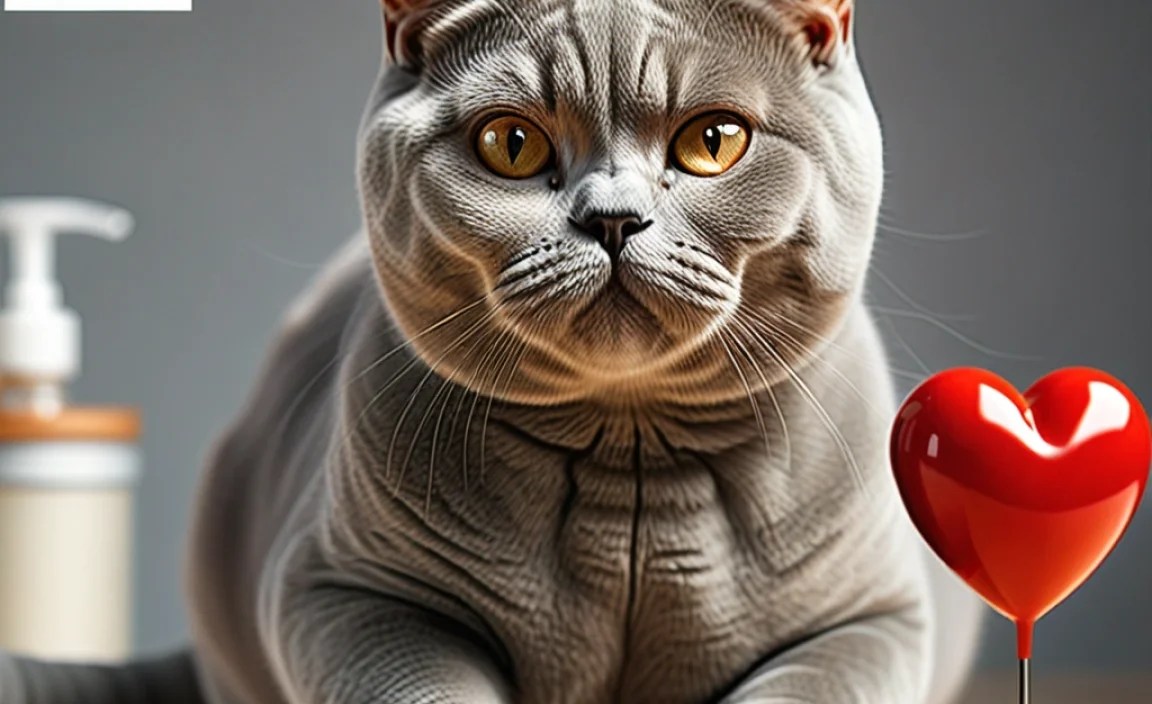
Now, let’s explore the steps you can take to help prevent or manage heart disease in your British Shorthair.
1. Optimal Nutrition for Heart Health
A balanced diet is the foundation of your cat’s health. Choosing the right food can significantly impact their heart health.
- High-Quality Cat Food: Select cat food that lists meat as the primary ingredient. Look for brands that are free from excessive fillers, artificial colors, and preservatives.
- Taurine Supplementation: Taurine is an essential amino acid for cats, vital for heart function. Ensure your cat’s food has adequate taurine levels. The Association of American Feed Control Officials (AAFCO) sets standards for taurine in cat food, so look for AAFCO-approved products.
- Omega-3 Fatty Acids: Incorporate omega-3 fatty acids into your cat’s diet, either through supplements or food. Omega-3s have anti-inflammatory properties and can support heart health. Fish oil supplements are a good source.
- Limit Sodium Intake: High sodium intake can contribute to high blood pressure, which strains the heart. Avoid giving your cat salty treats or human food.
2. Weight Management
Maintaining a healthy weight is crucial for preventing heart disease. Obesity puts extra strain on the heart, increasing the risk of developing heart problems.
- Controlled Portions: Follow the feeding guidelines on your cat food packaging and adjust portions as needed to maintain a healthy weight. Consult your vet to determine the appropriate daily calorie intake for your cat.
- Regular Exercise: Encourage physical activity through play. Use toys like laser pointers, feather wands, and puzzle feeders to keep your cat active.
- Monitor Weight Regularly: Weigh your cat regularly and track any changes. If you notice weight gain, adjust their diet and exercise accordingly.
3. Exercise and Activity
Regular exercise not only helps with weight management but also strengthens the heart muscle and improves overall cardiovascular health.
- Interactive Play: Engage in interactive play sessions daily. Even 15-20 minutes of play can make a big difference.
- Environmental Enrichment: Provide climbing structures, scratching posts, and plenty of toys to keep your cat entertained and active.
- Walking on a Leash: Some British Shorthairs can be trained to walk on a leash. This provides a structured form of exercise and mental stimulation.
4. Regular Veterinary Check-ups
Annual veterinary check-ups are essential for early detection and prevention of heart disease.
- Physical Examination: Your vet will perform a thorough physical exam, listening to your cat’s heart and lungs for any abnormalities.
- Heart Auscultation: Listening to the heart with a stethoscope can help detect murmurs or irregular rhythms.
- Blood Pressure Measurement: High blood pressure can indicate underlying heart issues. Regular blood pressure checks are recommended, especially for older cats.
- Blood Tests: Blood tests can help assess overall health and identify potential risk factors for heart disease.
- Heart Screenings: Discuss heart screenings with your vet. These may include:
- Echocardiogram: An ultrasound of the heart, providing detailed images of the heart muscle and valves. This is the most accurate way to diagnose HCM.
- Electrocardiogram (ECG): Measures the electrical activity of the heart and can detect arrhythmias.
- NT-proBNP Test: A blood test that measures a hormone released by the heart when it is under stress. Elevated levels can indicate heart disease.
5. Recognizing Symptoms Early
Early detection is key to managing heart disease effectively. Be vigilant and watch for any signs that your cat may be experiencing heart problems.
- Lethargy: A decrease in energy levels or reluctance to play.
- Difficulty Breathing: Rapid or labored breathing, coughing, or wheezing.
- Loss of Appetite: A sudden or gradual decrease in appetite.
- Weight Loss: Unexplained weight loss despite normal eating habits.
- Fainting or Collapse: Episodes of fainting or collapse, especially after exertion.
- Swollen Abdomen: Fluid accumulation in the abdomen (ascites) can be a sign of heart failure.
- Changes in Behavior: Any unusual or sudden changes in behavior should be investigated.
If you notice any of these symptoms, consult your veterinarian immediately. Early diagnosis and treatment can significantly improve your cat’s quality of life.
6. Stress Reduction
Minimizing stress in your cat’s environment can also contribute to better heart health. Stress can exacerbate underlying heart conditions.
- Safe and Comfortable Environment: Provide a safe, quiet, and comfortable environment for your cat.
- Consistent Routine: Cats thrive on routine. Maintain a consistent feeding and playtime schedule.
- Avoid Overcrowding: If you have multiple pets, ensure they have enough space and resources to avoid competition and stress.
- Pheromone Therapy: Use feline pheromone diffusers or sprays to create a calming environment. Products like Feliway can help reduce stress and anxiety.
7. Medication and Supplements
In some cases, your vet may recommend medication or supplements to support your cat’s heart health.
- Medications: Depending on the specific heart condition, your vet may prescribe medications such as:
- ACE Inhibitors: To lower blood pressure and reduce the workload on the heart.
- Beta-Blockers: To slow the heart rate and reduce the force of heart contractions.
- Diuretics: To remove excess fluid from the body and reduce congestion.
- Supplements: Certain supplements may also be beneficial:
- Taurine: As mentioned earlier, taurine is essential for heart function.
- L-Carnitine: An amino acid that supports energy production in the heart muscle.
- Coenzyme Q10 (CoQ10): An antioxidant that supports heart health and energy production.
Always consult your veterinarian before giving your cat any medications or supplements. They can recommend the appropriate dosage and monitor for any potential side effects.
Practical Tips for Implementing Preventive Measures

Now that we’ve covered the key preventive measures, here are some practical tips to help you implement them effectively:
- Create a Health Journal: Keep a journal to track your cat’s weight, diet, exercise, and any symptoms you observe. This information can be valuable for your vet.
- Set Reminders: Use reminders on your phone or calendar to schedule veterinary check-ups, administer medications, and track your cat’s weight.
- Educate Yourself: Stay informed about heart disease in cats. The more you know, the better equipped you’ll be to protect your furry friend.
- Collaborate with Your Vet: Work closely with your veterinarian to develop a personalized prevention plan for your British Shorthair.
Detailed Breakdown: Heart-Healthy Diet for British Shorthairs
Choosing the right diet is essential for maintaining your British Shorthair’s heart health. Here’s a detailed look at what to consider when selecting cat food and incorporating supplements.
| Nutrient/Supplement | Benefits | Sources | Considerations |
|---|---|---|---|
| Taurine | Essential for heart muscle function; prevents dilated cardiomyopathy (DCM). | High-quality cat food (check AAFCO label), taurine supplements. | Ensure adequate levels; deficiency can lead to heart problems. |
| Omega-3 Fatty Acids | Reduces inflammation, supports cardiovascular health. | Fish oil supplements, certain cat food formulas. | Use high-quality supplements; consult vet for dosage. |
| L-Carnitine | Supports energy production in heart muscle. | Supplements, some cat food formulas. | May improve heart function in cats with certain conditions; consult vet. |
| Coenzyme Q10 (CoQ10) | Antioxidant; supports heart health and energy production. | Supplements. | Supports overall heart health; consult vet for appropriate use. |
| Low Sodium | Helps maintain healthy blood pressure. | Choose cat food with controlled sodium levels; avoid salty treats. | High sodium can strain the heart; read labels carefully. |
Heart Disease Risk Factors
Certain factors can increase the risk of heart disease in British Shorthairs. Understanding these risk factors can help you take proactive steps to protect your cat.
Genetic Predisposition
As mentioned earlier, British Shorthairs are genetically predisposed to HCM. If your cat has a family history of heart disease, they are at higher risk.
Age
The risk of heart disease increases with age. Older cats are more likely to develop heart problems than younger cats.
Obesity
Excess weight puts extra strain on the heart, increasing the risk of developing heart disease.
Underlying Health Conditions
Certain health conditions, such as hyperthyroidism and kidney disease, can increase the risk of heart disease. Managing these conditions can help protect your cat’s heart health.
Creating a Heart-Healthy Environment
A heart-healthy environment is more than just diet and exercise. It includes creating a stress-free and comfortable space for your British Shorthair. Here’s how you can optimize your home environment.
- Safe Zones: Ensure your cat has access to quiet, safe spaces where they can retreat when feeling stressed. These could be high perches, cozy beds, or enclosed cat houses.
- Consistent Routines: Cats thrive on predictability. Maintain regular feeding times, playtime, and grooming sessions.
- Minimize Loud Noises: Avoid exposing your cat to loud noises or sudden changes in their environment.
- Scent Control: Use pheromone diffusers like Feliway to create a calming atmosphere. These diffusers release synthetic pheromones that mimic the natural pheromones produced by cats, helping to reduce anxiety and stress.
- Interactive Toys: Provide a variety of interactive toys to keep your cat mentally stimulated and prevent boredom. Rotate the toys regularly to keep them interested.
The Role of Genetics in Preventing Heart Disease
While you can’t change your cat’s genes, understanding the role of genetics in heart disease can help you make informed decisions about breeding and healthcare.
Responsible Breeding
If you are considering breeding your British Shorthair, it is crucial to work with a responsible breeder who screens their cats for heart disease. Genetic testing can help identify cats that are carriers of HCM and other heart conditions. By excluding these cats from the breeding pool, breeders can reduce the risk of passing on these conditions to future generations.
Genetic Testing
Consider genetic testing for your British Shorthair, especially if there is a family history of heart disease. While genetic tests are not always definitive, they can provide valuable information about your cat’s risk of developing HCM.
British Shorthair Heart Disease: Dos and Don’ts
To summarize, here’s a quick reference guide to the dos and don’ts of preventing heart disease in British Shorthairs.
| Dos | Don’ts |
|---|---|
| Feed a high-quality, taurine-rich diet. | Feed table scraps or excessive treats. |
| Maintain a healthy weight through diet and exercise. | Allow your cat to become overweight or obese. |
| Schedule regular veterinary check-ups, including heart screenings. | Ignore signs of heart disease or delay veterinary care. |
| Provide a stress-free and comfortable environment. | Expose your cat to excessive stress or loud noises. |
| Administer medications and supplements as prescribed by your vet. | Give your cat medications or supplements without veterinary approval. |
| Keep a health journal to track your cat’s progress. | Neglect to monitor your cat’s health and behavior. |
FAQ: Heart Disease in British Shorthairs
Here are some frequently asked questions about heart disease in British Shorthairs, designed to provide quick and helpful answers.
Q: What is Hypertrophic Cardiomyopathy (HCM)?
A: HCM is a common heart disease in cats, especially British Shorthairs. It causes the heart muscle to thicken, making it harder for the heart to pump blood efficiently.
Q: How can I tell if my British Shorthair has heart disease?
A: Symptoms include lethargy, difficulty breathing, loss of appetite, weight loss, fainting, or a swollen abdomen. Consult your vet if you notice any of these signs.
Q: How often should my British Shorthair have a heart screening?
A: Annual veterinary check-ups are essential, and heart screenings (such as echocardiograms) should be discussed with your vet, especially as your cat ages or if they have risk factors for heart disease.
Q: Can heart disease in cats be cured?
A: While heart disease is often not curable, it can be managed with medication, diet, and lifestyle adjustments to improve your cat’s quality of life.
Q: What kind of diet is best for a British Shorthair with heart disease?
A: A high-quality cat food with adequate taurine, omega-3 fatty acids, and low sodium is ideal. Consult your vet for specific dietary recommendations.
Q: Is exercise safe for a British Shorthair with heart disease?
A: Moderate exercise is generally safe and beneficial, but it’s important to avoid overexertion. Work with your vet to determine an appropriate exercise plan.
Q: How can I reduce stress for my British Shorthair with heart disease?
A: Provide a safe, quiet environment, maintain a consistent routine, use pheromone diffusers, and ensure your cat has access to comfortable resting places.
Conclusion
Preventing heart disease in your British Shorthair involves a combination of proper nutrition, weight management, regular exercise, stress reduction, and consistent veterinary care. By taking these preventive measures, you can significantly improve your cat’s quality of life and help them live a longer, healthier, and happier life. Remember, early detection and management are key. Stay vigilant, work closely with your veterinarian, and cherish every moment with your beloved British Shorthair. After all, their gentle companionship and endearing charm make them truly special members of our families.


