
Best Flea Collars for British Shorthairs: Ultimate Guide

Quick Summary: Finding the best flea collar for your British Shorthair means prioritizing safety and effectiveness. Look for collars designed for cats, containing veterinarian-recommended active ingredients like flumethrin or imidacloprid. Always check for potential allergies and monitor your cat for any adverse reactions. Brands like Seresto and Bayer are often recommended, but consult your vet for the best choice tailored to your cat’s needs.
Dealing with fleas on your British Shorthair can be frustrating. These tiny pests cause itching, discomfort, and can even transmit diseases. As a British Shorthair owner, you want a solution that’s safe, effective, and easy to use. Flea collars are a popular choice, but with so many options available, how do you choose the best one for your beloved feline friend?
This guide will walk you through everything you need to know about selecting the best flea collar for your British Shorthair. We’ll cover the important ingredients, safety considerations, and top-rated products, ensuring your cat stays happy, healthy, and flea-free!
Understanding Flea Collars for British Shorthairs

Flea collars are designed to protect your cat from fleas by releasing insecticides that either kill fleas on contact or repel them. Different types of flea collars use different active ingredients and methods of action.
Types of Flea Collars
- Insecticide-Releasing Collars: These collars release a steady, low dose of insecticide onto your cat’s skin and coat, killing fleas and ticks upon contact.
- Insect Growth Regulator (IGR) Collars: These collars release chemicals that disrupt the flea life cycle, preventing flea eggs and larvae from developing into adult fleas.
- Natural Flea Collars: These collars use natural ingredients like essential oils to repel fleas. While they may be less harsh, their effectiveness can vary.
Key Ingredients to Look For
When choosing a flea collar, pay attention to the active ingredients. Here are some common and effective options:
- Flumethrin: Effective against both fleas and ticks, often found in Seresto collars.
- Imidacloprid: Kills adult fleas and is generally well-tolerated by cats.
- Pyriproxyfen: An IGR that prevents flea eggs and larvae from developing.
Safety Considerations
Safety is paramount when choosing a flea collar for your British Shorthair. Always consider the following:
- Age and Health: Ensure the collar is appropriate for your cat’s age and health condition. Kittens and cats with underlying health issues may require special formulations.
- Allergies: Watch for signs of allergic reactions, such as skin irritation, redness, or hair loss around the collar area.
- Breakaway Feature: Choose a collar with a breakaway clasp to prevent choking hazards if your cat gets caught on something.
Top Flea Collar Recommendations for British Shorthairs

Based on effectiveness, safety, and user reviews, here are some of the top flea collars for British Shorthair cats:
1. Seresto Flea and Tick Collar for Cats
Seresto collars are a popular choice due to their long-lasting protection and dual-action formula.
- Active Ingredients: Flumethrin and Imidacloprid
- Pros:
- Provides up to 8 months of flea and tick protection.
- Odorless and non-greasy.
- Breakaway safety feature.
- Cons:
- Can be more expensive than other options.
- Some cats may experience skin irritation.
2. Bayer Seresto Flea and Tick Collar for Cats
Bayer’s Seresto collar is another excellent option with similar benefits to the standard Seresto collar.
- Active Ingredients: Flumethrin and Imidacloprid
- Pros:
- Long-lasting, providing up to 8 months of protection.
- Water-resistant.
- Safe and effective for cats.
- Cons:
- Higher price point.
- Potential for skin sensitivity in some cats.
3. Hartz UltraGuard Plus Flea and Tick Collar for Cats
Hartz UltraGuard offers a more budget-friendly option for flea and tick control.
- Active Ingredients: Tetrachlorvinphos (TCVP) and (S)-Methoprene
- Pros:
- More affordable than Seresto.
- Kills fleas and ticks for up to 7 months.
- Breakaway safety feature.
- Cons:
- TCVP can be a concern for some pet owners due to its potential toxicity.
- May not be as effective as other options for severe infestations.
4. Adams Flea and Tick Collar for Cats
Adams Flea and Tick Collar is designed to provide continuous protection against fleas and ticks.
- Active Ingredients: Pyriproxyfen and Tetrachlorvinphos (TCVP)
- Pros:
- Provides up to 7 months of protection.
- Water-resistant.
- Includes an IGR to prevent flea development.
- Cons:
- Contains TCVP, which may be a concern for some owners.
- Can have a strong odor initially.
How to Choose the Right Flea Collar for Your British Shorthair

Selecting the right flea collar involves considering several factors to ensure your cat’s safety and comfort.
Step 1: Consult Your Veterinarian
Before choosing any flea collar, consult your veterinarian. They can provide personalized recommendations based on your cat’s health, age, and lifestyle. Your vet can also advise on any potential allergies or sensitivities.
Step 2: Assess Your Cat’s Risk Level
Consider your cat’s lifestyle and exposure to fleas. Indoor cats may require less aggressive treatment than outdoor cats. If your cat spends time outdoors, a collar that protects against both fleas and ticks is essential.
Step 3: Read Product Labels Carefully
Always read the product label carefully before using any flea collar. Pay attention to the active ingredients, dosage instructions, and any warnings or precautions. Make sure the collar is specifically designed for cats and is appropriate for your cat’s weight and age.
Step 4: Check for the Breakaway Feature
Ensure the flea collar has a breakaway safety feature. This allows the collar to snap open if your cat gets caught on something, reducing the risk of choking or injury. The breakaway feature is crucial for your cat’s safety, especially if they are active and playful.
Step 5: Monitor for Side Effects
After applying the flea collar, monitor your cat for any signs of side effects, such as skin irritation, redness, hair loss, or behavioral changes. If you notice any adverse reactions, remove the collar immediately and consult your veterinarian.
Step-by-Step Guide: Applying a Flea Collar
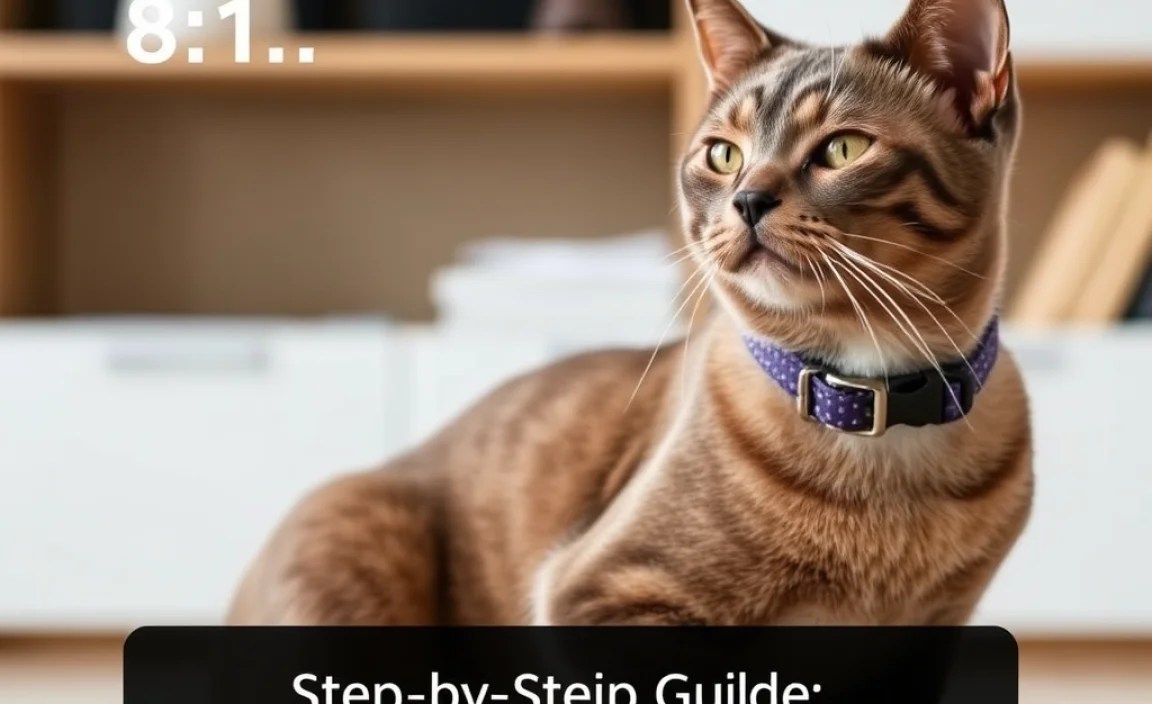
Applying a flea collar correctly is essential for its effectiveness and your cat’s safety. Follow these steps:
- Prepare the Collar: Remove the collar from its packaging and unroll it. Some collars may have a plastic strip that needs to be removed.
- Adjust the Fit: Place the collar around your cat’s neck, ensuring you can comfortably fit two fingers between the collar and their neck. This prevents the collar from being too tight and causing discomfort.
- Secure the Collar: Fasten the collar securely. If there is excess length, trim it, leaving about an inch or two for adjustment.
- Monitor Your Cat: Check the collar regularly to ensure it remains properly fitted and that your cat is not experiencing any irritation.
Comparing Flea Collar Options

Here’s a table summarizing the key features of the recommended flea collars:
| Flea Collar | Active Ingredients | Duration of Protection | Pros | Cons |
|---|---|---|---|---|
| Seresto Flea and Tick Collar for Cats | Flumethrin and Imidacloprid | Up to 8 months | Long-lasting, odorless, breakaway feature | More expensive, potential for skin irritation |
| Bayer Seresto Flea and Tick Collar for Cats | Flumethrin and Imidacloprid | Up to 8 months | Long-lasting, water-resistant, safe and effective | Higher price point, potential for skin sensitivity |
| Hartz UltraGuard Plus Flea and Tick Collar for Cats | Tetrachlorvinphos (TCVP) and (S)-Methoprene | Up to 7 months | More affordable, breakaway feature | TCVP concerns, may not be as effective for severe infestations |
| Adams Flea and Tick Collar for Cats | Pyriproxyfen and Tetrachlorvinphos (TCVP) | Up to 7 months | Water-resistant, includes IGR | Contains TCVP, strong odor initially |
Additional Tips for Flea Control
Flea collars are just one part of a comprehensive flea control strategy. Here are some additional tips to keep your British Shorthair and home flea-free:
- Regular Vacuuming: Vacuum your home regularly, paying attention to carpets, rugs, and upholstery. Flea eggs and larvae can live in these areas.
- Wash Bedding: Wash your cat’s bedding weekly in hot water to kill any fleas or eggs.
- Treat Your Yard: If your cat spends time outdoors, consider treating your yard with a pet-safe insecticide.
- Use Flea Combs: Regularly comb your cat with a flea comb to remove fleas and flea dirt.
- Consider Other Treatments: Talk to your vet about other flea control options, such as topical treatments or oral medications.
Addressing Common Concerns
What if my cat has a reaction to the flea collar?
If your cat shows signs of a reaction, such as skin irritation, redness, or behavioral changes, remove the collar immediately and consult your veterinarian. They may recommend antihistamines or other treatments to alleviate the symptoms.
How often should I replace the flea collar?
Replace the flea collar according to the manufacturer’s instructions. Most flea collars provide protection for several months, but it’s important to replace them regularly to maintain their effectiveness. Check the product label for specific replacement guidelines.
Can I use a flea collar on a kitten?
Not all flea collars are safe for kittens. Check the product label to ensure the collar is appropriate for your kitten’s age and weight. Consult your veterinarian before using any flea collar on a kitten to ensure it’s safe and effective.
Are natural flea collars effective?
Natural flea collars use essential oils to repel fleas. While they may be less harsh than insecticide-based collars, their effectiveness can vary. They may be suitable for cats with mild flea infestations or sensitivities to chemical treatments, but they may not provide sufficient protection for cats with heavy infestations or those who spend a lot of time outdoors.
Can I use a flea collar with other flea treatments?
Consult your veterinarian before using a flea collar with other flea treatments. Combining different treatments can increase the risk of side effects. Your vet can advise on the best combination of treatments for your cat’s specific needs.
How do I store a flea collar when not in use?
Store unused flea collars in their original packaging in a cool, dry place away from children and pets. This helps maintain their effectiveness and prevents accidental exposure.
Are flea collars waterproof?
Some flea collars are water-resistant, while others are not. Check the product label for information on water resistance. While water-resistant collars can withstand occasional exposure to water, they may lose some effectiveness if frequently wet. It’s best to remove the collar before bathing your cat or allowing them to swim.
FAQ About Flea Collars for British Shorthairs
Here are some frequently asked questions to help you understand more about flea collars for your British Shorthair:
- Are flea collars safe for British Shorthairs?
- Yes, when used correctly. Choose collars designed for cats and monitor for any adverse reactions like skin irritation. Always consult your vet first.
- How long do flea collars last?
- Most flea collars offer protection for several months, typically ranging from 6 to 8 months. Check the product label for specific duration.
- Can I use a dog flea collar on my cat?
- No! Dog flea collars contain higher concentrations of insecticides that can be toxic to cats. Always use products specifically designed for cats.
- What are the signs of flea infestation in British Shorthairs?
- Common signs include excessive scratching, licking, hair loss, and visible fleas or flea dirt (small black specks) in their coat.
- How do I know if my cat is allergic to the flea collar?
- Signs of an allergic reaction include skin redness, itching, hair loss around the collar, and general discomfort. Remove the collar and consult your vet immediately.
- Do flea collars kill fleas or just repel them?
- Some flea collars kill fleas on contact, while others repel them. Some collars also disrupt the flea life cycle by preventing eggs and larvae from developing.
- Are flea collars enough to get rid of a flea infestation?
- Flea collars are effective as part of a broader flea control strategy. You may also need to treat your home environment to eliminate fleas and prevent re-infestation. Regular vacuuming and washing bedding are essential steps.
Conclusion
Choosing the best flea collar for your British Shorthair requires careful consideration of safety, effectiveness, and your cat’s individual needs. By consulting with your veterinarian, reading product labels carefully, and monitoring for any side effects, you can find a flea collar that keeps your feline friend happy, healthy, and flea-free. Remember, a comprehensive approach to flea control, including regular vacuuming and washing bedding, is essential for maintaining a flea-free home. With the right flea collar and preventive measures, you can ensure your British Shorthair enjoys a comfortable and itch-free life.


