
All Cat Breeds Explained: The Ultimate Guide

Have you ever wondered about cats? Cats come in so many shapes and sizes. Some are fluffy. Others have short hair. It can be hard to know about them all. This article has all cat breeds explained. We will learn about different kinds of cats. Get ready to explore the cool world of cats!
Cats are great pets. They purr and cuddle. They also play and explore. Each cat breed is special. They each have their own look and act differently. Learning about all cat breeds explained is fun. Let’s get started now!
Key Takeaways
- Understanding all cat breeds explained helps you pick the right furry friend.
- Some cats like to play a lot, while others prefer quiet cuddles.
- Different cat breeds have different grooming needs, like brushing.
- Certain breeds are known for being very friendly with children.
- Knowing a breed’s health issues helps you keep your cat healthy.
All Cat Breeds Explained: An Overview

Cats are amazing animals. They have been our friends for thousands of years. People love cats for many reasons. They are cute, cuddly, and fun to watch. Each cat breed has a unique history. Some cats came from far away lands. Others were bred to hunt mice on farms. When we explore all cat breeds explained, we learn how different they are. For example, some cats have no tails! Others have curly fur. Some are very big, while others stay small their whole lives. Knowing about cat breeds helps us understand our feline friends better. It also helps us pick the right cat for our families. Do you know which cat breed is right for you?
- Cats have lived with humans for a long time.
- Different breeds have different looks.
- Some cats are big and some are small.
- Knowing breeds helps you pick a cat.
- Each breed has a unique story.
Learning about cat breeds can be very interesting. You can discover cool facts. For example, did you know that some cats love water? Most cats do not like to swim. But some breeds, like the Turkish Van, enjoy splashing around. Other breeds are known for being very talkative. Siamese cats love to chat with their owners. They will meow and make lots of noise. Some cats are very good at hunting. They can catch mice and other small animals. Other cats are more laid back. They prefer to sleep in sunny spots all day. No matter what kind of cat you like, there is a breed for you. Exploring all cat breeds explained opens up a whole new world.
Fun Fact or Stat: Did you know that there are over 70 different cat breeds recognized around the world?
Why Are There So Many Cat Breeds?

Have you ever thought about why there are so many cat breeds? It’s a good question! Over time, cats have changed in different ways. Some changes happened naturally. Cats in cold places grew thick fur. Cats in hot places stayed small and sleek. People also created new breeds. They picked cats with special traits. For example, they might breed cats with long hair. Or cats with blue eyes. This is how we got the many breeds we see today. Each breed has a unique mix of traits. They have different colors, sizes, and personalities. Learning about these breeds is like exploring a big family tree.
How Do Breeds Get Their Names?

Ever wonder how cat breeds get their names? Sometimes, it’s quite simple. A breed might be named after the place it came from. For example, the Siamese cat came from Thailand. The Maine Coon cat came from Maine. Other times, the name describes what the cat looks like. The Ragdoll cat goes limp when you pick it up, like a rag doll. The Scottish Fold cat has folded ears. The names often tell a story. They give you a clue about the cat’s history or appearance. So, when you hear a cat breed name, think about what it might mean. It can be a fun way to learn more about all cat breeds explained.
What Makes Each Breed Unique?
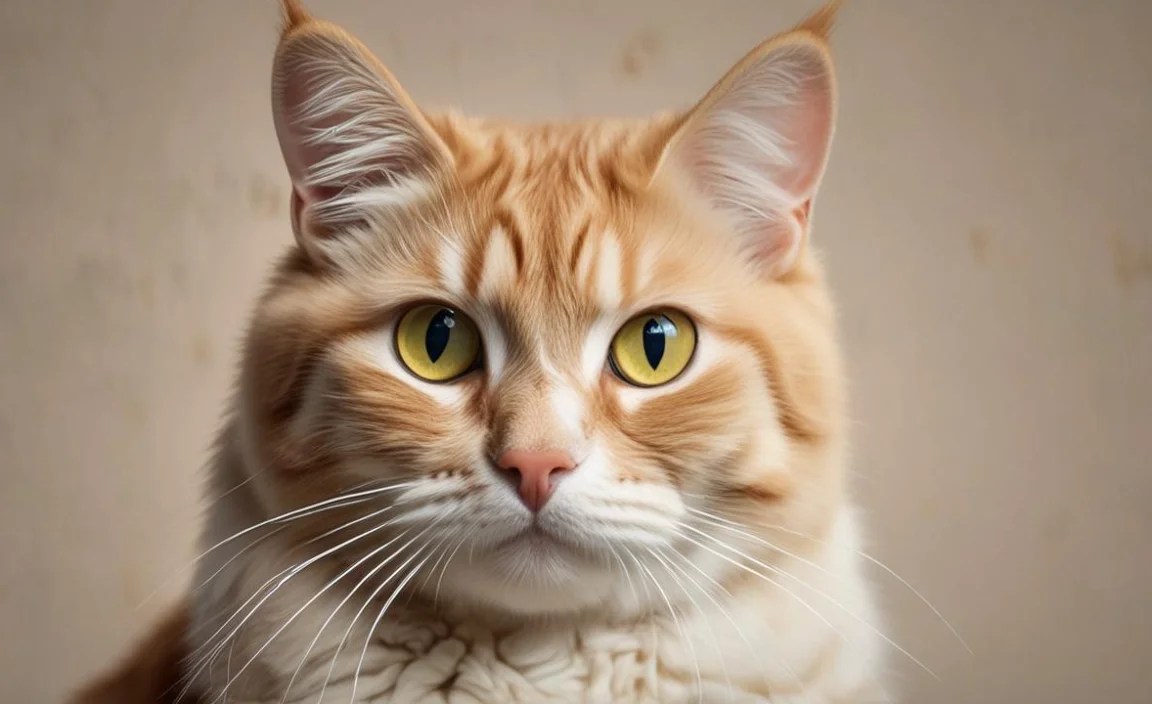
What makes each cat breed different? It’s more than just looks. Each breed has its own personality. Some breeds are very active. They love to run and play. Others are calm and cuddly. They prefer to nap on your lap. Some breeds are talkative. They will meow and chirp all day long. Others are quiet and shy. Some breeds are good with kids. They are patient and gentle. Others might prefer a quiet home. The way a cat acts is part of what makes its breed special. When you learn about breeds, think about their personalities. Do you want a playful cat or a cuddly cat?
Popular Long-Haired Cat Breeds Explained

Long-haired cats are beautiful. Their fur is soft and fluffy. Many people love to cuddle with them. But long hair also needs special care. You have to brush them often. This keeps their fur from getting tangled. Some popular long-haired breeds include Persians and Maine Coons. Persians are known for their sweet faces and calm nature. Maine Coons are big and friendly. They are also good hunters. Other long-haired breeds include Ragdolls and Siberians. Ragdolls are very relaxed. Siberians are known for being hypoallergenic. This means they are less likely to cause allergies. Exploring all cat breeds explained shows us how different long-haired cats can be. Do you think a long-haired cat is right for you?
- Long-haired cats need regular brushing.
- Persians are calm and have sweet faces.
- Maine Coons are big and friendly hunters.
- Ragdolls are known for being relaxed.
- Siberians are hypoallergenic cats.
Taking care of a long-haired cat is a big job. You need to brush them every day. This keeps their fur from matting. Matted fur can be painful for cats. It can also hide skin problems. Long-haired cats also need regular baths. This helps to keep their fur clean and healthy. You should also trim their nails often. Long nails can get caught on things. This can hurt the cat. Some long-haired cats also need to be trimmed. This keeps their fur from getting too long. It also helps them stay cool in the summer. If you are ready to take on these tasks, a long-haired cat can be a wonderful pet. Learning all cat breeds explained can help you decide.
Fun Fact or Stat: The Maine Coon is one of the largest domestic cat breeds and can weigh up to 25 pounds!
What Makes Long Hair Special?

What makes long hair so special on cats? It’s more than just looks. Long hair helps cats stay warm. It protects them from the cold weather. Long hair also protects their skin. It keeps them safe from the sun and wind. But long hair can also be a problem. It can get tangled and matted. This can be uncomfortable for the cat. That’s why long-haired cats need extra care. They need regular brushing and grooming. If you are willing to put in the work, a long-haired cat can be a great pet.
How to Groom Long-Haired Cats?

Grooming a long-haired cat can seem hard. But it’s not too bad if you know what to do. Start by brushing your cat every day. Use a good brush that is made for long hair. Be gentle and take your time. If you find a mat, try to work it out slowly. If you can’t, you might need to cut it out. Be very careful not to cut the cat’s skin. You should also give your cat regular baths. Use a shampoo that is made for cats. Rinse them well and dry them with a towel. With a little practice, you will become a grooming pro!
Are Long-Haired Cats Good for Allergies?

Do long-haired cats cause more allergies? It’s a common question. Some people think that long hair makes allergies worse. But it’s not really about the hair. Allergies are caused by a protein in the cat’s saliva. When cats groom themselves, they spread saliva on their fur. This is what causes people to have allergic reactions. Some breeds, like the Siberian, produce less of this protein. They are called hypoallergenic cats. This means they are less likely to cause allergies. If you have allergies, you might want to try a hypoallergenic breed. But remember, no cat is completely allergy-free.
Short-Haired Cat Breeds: A Closer Look

Short-haired cats are popular too. They are easy to care for. Their fur does not need as much brushing. Some popular short-haired breeds include Siamese and Bengals. Siamese cats are known for their blue eyes and talkative nature. Bengals have spotted coats like leopards. Other short-haired breeds include American Shorthairs and British Shorthairs. American Shorthairs are friendly and good with kids. British Shorthairs are calm and cuddly. Exploring all cat breeds explained shows us the variety of short-haired cats. Short-haired cats come in many colors and patterns. They can be a great choice for busy families. Do you prefer short-haired cats?
- Short-haired cats are easy to care for.
- Siamese cats have blue eyes and are talkative.
- Bengals have spotted coats like leopards.
- American Shorthairs are friendly and good with kids.
- British Shorthairs are calm and cuddly.
Taking care of a short-haired cat is easier than caring for a long-haired cat. You still need to brush them. But you don’t need to do it as often. Once a week is usually enough. This helps to remove loose fur. It also keeps their coat shiny. Short-haired cats also need regular nail trims. You should check their ears and clean them if needed. You can use a special ear cleaner for cats. It is important to feed your cat a good quality food. This will help them stay healthy and happy. With a little care, your short-haired cat will thrive. Understanding all cat breeds explained helps with their care.
Fun Fact or Stat: The Bengal cat’s coat is so unique that it can have glitter, which makes it look like it’s sparkling!
What Makes Short Hair Easy to Care For?

What makes short hair so easy to care for on cats? Short hair does not tangle as easily as long hair. This means you don’t have to brush it as often. Short hair also does not trap as much dirt. This keeps your cat cleaner. Short-haired cats also tend to shed less. This means less fur around your house. All of these things make short-haired cats a great choice for busy people. They are easy to care for and still make wonderful pets. Do you think a short-haired cat is right for you?
How Often Should You Brush Short-Haired Cats?

How often should you brush a short-haired cat? It depends on the cat. Some short-haired cats shed more than others. If your cat sheds a lot, you might need to brush them more often. A good rule of thumb is to brush them once a week. This will help remove loose fur and keep their coat shiny. Brushing also helps to prevent hairballs. Hairballs are clumps of fur that cats swallow when they groom themselves. They can make your cat sick. Regular brushing can help to reduce hairballs.
Are Short-Haired Cats Good for Allergies?

Are short-haired cats better for allergies? Not really. As we learned before, allergies are caused by a protein in the cat’s saliva. Short-haired cats still produce this protein. They still spread it on their fur when they groom themselves. So, short-haired cats are not necessarily better for allergies. However, some people find that they are less allergic to short-haired cats. This could be because they shed less. Less shedding means less saliva in the air. If you have allergies, you might want to spend time with a short-haired cat before you adopt one. This can help you see if you are allergic.
Hairless Cat Breeds and Their Unique Needs

Hairless cats are very unusual. They don’t have fur like other cats. The most famous hairless breed is the Sphynx. Sphynx cats have wrinkled skin. They also have big ears. Some people think they look like aliens. Hairless cats need special care. They can get cold easily. You need to keep them warm. They also need regular baths. Their skin can get oily. Exploring all cat breeds explained shows us how different hairless cats are. They might not be for everyone. But they can be great pets for the right person. Would you want a hairless cat?
- Hairless cats don’t have fur.
- Sphynx cats have wrinkled skin and big ears.
- They get cold easily and need to be kept warm.
- Hairless cats need regular baths.
- Their skin can get oily.
Taking care of a hairless cat is different. You need to keep them warm in the winter. You can put a sweater on them. Or give them a warm bed to sleep in. In the summer, you need to protect them from the sun. Their skin can burn easily. You can use sunscreen made for cats. You also need to bathe them regularly. This helps to remove the oil from their skin. Use a gentle shampoo that is made for cats. Hairless cats also need to eat a good quality food. This will help keep their skin healthy. Learning all cat breeds explained helps us understand their unique needs.
Fun Fact or Stat: Sphynx cats are known to be very social and love being the center of attention!
Why Are Some Cats Hairless?

Why are some cats hairless? It’s a genetic thing. A mutation in their genes causes them to have no hair. This mutation happened naturally. People then bred these cats together. This created the hairless breeds we know today. Hairless cats are not completely hairless. They have a fine layer of downy fuzz. This fuzz makes them feel like warm peaches. The lack of hair makes them unique and interesting. But it also means they need extra care. They need to be protected from the cold and sun.
How to Keep Hairless Cats Warm?

Keeping a hairless cat warm is very important. They don’t have fur to protect them from the cold. You can put a sweater on them. Make sure it fits well and is not too tight. You can also give them a warm bed to sleep in. A heated cat bed is a great option. Keep your house at a comfortable temperature. Avoid drafts and cold spots. If your cat is shivering, they are too cold. You need to warm them up right away. A warm blanket and some cuddles will help.
Do Hairless Cats Cause More Allergies?

Do hairless cats cause fewer allergies? You might think so, but it’s not that simple. As we know, allergies are caused by a protein in the cat’s saliva. Hairless cats still produce this protein. They still spread it on their skin when they groom themselves. However, some people find that they are less allergic to hairless cats. This could be because they don’t shed. Less shedding means less saliva in the air. If you have allergies, you might want to spend time with a hairless cat before you adopt one. This can help you see if you are allergic.
Understanding Cat Breed Temperaments
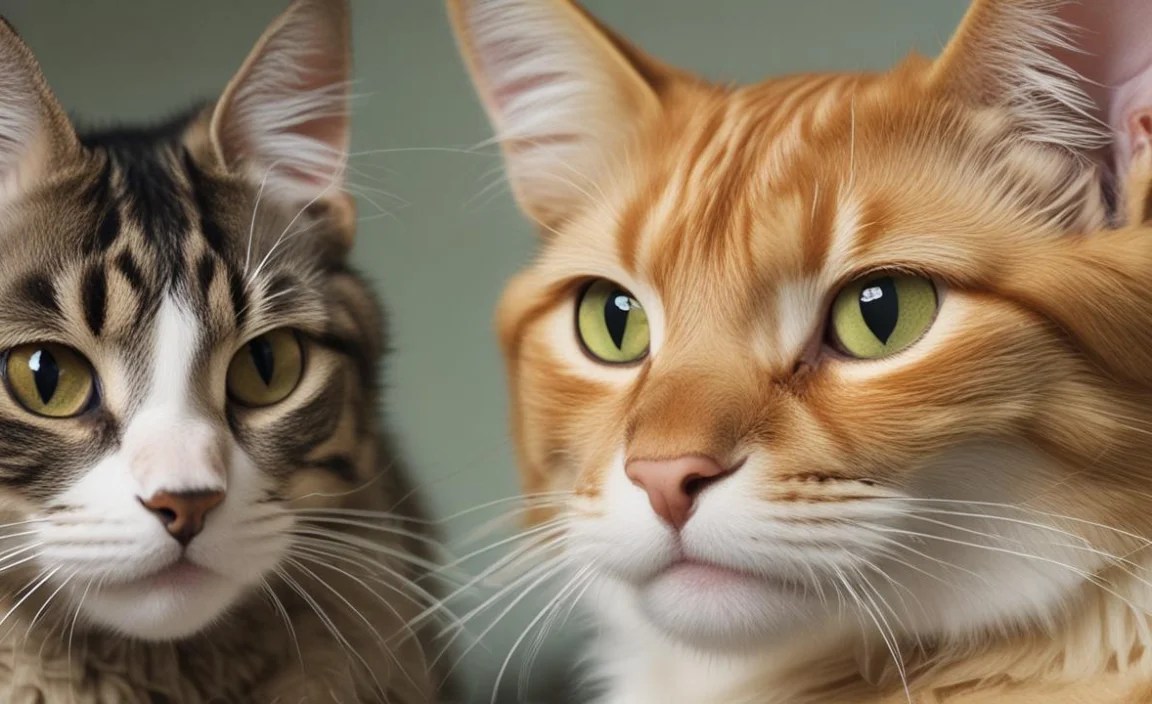
Not all cat breeds explained are the same. Cats have different personalities. Some are playful and active. Others are calm and cuddly. Siamese cats are known for being talkative and social. Persians are known for being quiet and gentle. Bengals are active and love to play. Ragdolls are relaxed and love to be held. Understanding a breed’s temperament is important. It helps you choose the right cat for your lifestyle. Do you want a cat that will play with you? Or do you want a cat that will cuddle with you on the couch? Knowing this will help you pick the perfect breed.
- Cats have different personalities.
- Siamese cats are talkative and social.
- Persians are quiet and gentle.
- Bengals are active and love to play.
- Ragdolls are relaxed and love to be held.
A cat’s temperament can also be affected by its upbringing. Cats that are raised in a loving home are more likely to be friendly. Cats that are not socialized as kittens may be shy. It is important to spend time with your cat. Play with them and cuddle with them. This will help them to develop a good temperament. If you are getting a kitten, ask the breeder about the parents’ temperaments. This can give you an idea of what the kitten will be like. Remember, every cat is different. But knowing about breed temperaments can help you choose the right one. All cat breeds explained have their own charm.
Fun Fact or Stat: The Ragdoll cat is known for going limp when picked up, just like a rag doll!
How Do Breeds Develop Temperaments?
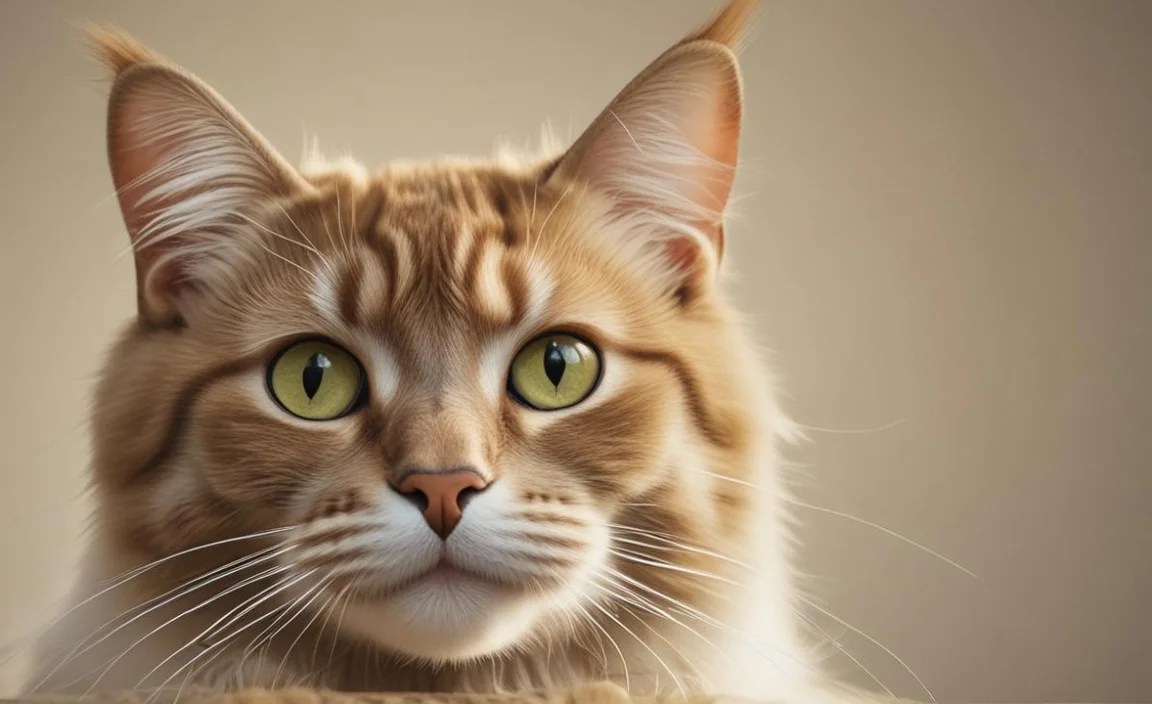
How do cat breeds develop their temperaments? It’s a mix of things. Genetics play a role. Some breeds are naturally more playful or cuddly. But environment also matters. How a kitten is raised can affect its personality. Kittens that are handled a lot are more likely to be friendly. Kittens that are left alone may be shy. Training and socialization are also important. You can teach your cat to be well-behaved. You can also help them get used to new people and places. All of these things shape a cat’s temperament.
Are Some Breeds Better with Children?

Are some cat breeds better with children? Yes, some breeds are known for being good with kids. These breeds tend to be patient and gentle. They are also tolerant of being handled. Some good choices for families with children include Ragdolls, Maine Coons, and American Shorthairs. It is important to teach children how to treat cats. They should be gentle and respectful. They should never pull a cat’s tail or ears. With proper training and supervision, cats and children can be great friends.
Can You Change a Cat’s Temperament?

Can you change a cat’s temperament? To some extent, yes. You can’t completely change a cat’s personality. But you can influence their behavior. Positive reinforcement is a good way to do this. Reward your cat for good behavior. Give them treats or praise. Avoid punishing your cat. This can make them scared and anxious. Be patient and consistent. It takes time to change a cat’s behavior. But with effort, you can help your cat become a well-adjusted member of your family.
Cat Breed Health Issues: What to Watch For

All cat breeds explained can have health problems. Some breeds are more prone to certain issues. Persians can have breathing problems. This is because of their flat faces. Maine Coons can get heart disease. Siamese cats can have eye problems. Knowing about these health issues is important. It helps you keep your cat healthy. You can watch for signs of illness. You can also take your cat to the vet for regular checkups. This will help you catch problems early. Early treatment can make a big difference.
- Some breeds are prone to certain health issues.
- Persians can have breathing problems.
- Maine Coons can get heart disease.
- Siamese cats can have eye problems.
- Regular vet checkups are important.
Preventing health problems is always best. Feed your cat a good quality food. Make sure they get plenty of exercise. Keep them at a healthy weight. Regular grooming can also help. It can prevent skin problems. It is also important to keep your cat up to date on their vaccinations. Vaccinations protect them from serious diseases. If you notice anything unusual about your cat, take them to the vet. Don’t wait until the problem gets worse. Early treatment can save your cat’s life. Learning all cat breeds explained includes knowing their health concerns.
Here is a table that shows some common cat breeds and their potential health issues:
| Breed | Common Health Issues |
|---|---|
| Persian | Breathing problems, kidney disease |
| Maine Coon | Heart disease, hip dysplasia |
| Siamese | Eye problems, respiratory issues |
| Bengal | Progressive retinal atrophy, hypertrophic cardiomyopathy |
| Sphynx | Hypertrophic cardiomyopathy, skin problems |
Fun Fact or Stat: Cats can sleep up to 16 hours a day!
Are Some Breeds More Prone to Disease?

Are some cat breeds more prone to disease? Yes, some breeds have a higher risk of certain health problems. This is because of their genetics. Breeders have tried to breed cats with certain traits. But sometimes, this can lead to health issues. For example, breeding cats with flat faces can cause breathing problems. It is important to choose a reputable breeder. A good breeder will test their cats for genetic diseases. They will also be honest about any potential health problems.
How Can You Keep Your Cat Healthy?

How can you keep your cat healthy? There are many things you can do. Feed them a good quality food. Make sure they get plenty of exercise. Keep them at a healthy weight. Provide them with fresh water. Keep their litter box clean. Groom them regularly. Take them to the vet for regular checkups. Watch for signs of illness. If you notice anything unusual, take them to the vet right away. With proper care, you can help your cat live a long and healthy life.
What Are the Signs of a Sick Cat?

What are the signs of a sick cat? It is important to know these signs. This will help you catch problems early. Some common signs of illness include: loss of appetite, vomiting, diarrhea, coughing, sneezing, lethargy, changes in urination, and changes in behavior. If you notice any of these signs, take your cat to the vet. Don’t wait until the problem gets worse. Early treatment can make a big difference. Remember, you know your cat best. If something seems wrong, trust your instincts.
Finding the Right Cat Breed for You

All cat breeds explained have something special. Finding the right cat breed for you depends on your lifestyle. Do you have kids? Do you have other pets? How much time do you have to spend with your cat? Do you want a playful cat or a cuddly cat? These are all important questions to ask yourself. If you have kids, you might want a breed that is known for being good with children. If you have other pets, you might want a breed that is friendly with other animals. If you don’t have much time, you might want a breed that is low-maintenance. Take your time and do your research. The right cat is out there for you!
- Consider your lifestyle when choosing a breed.
- Think about whether you have kids or other pets.
- Consider how much time you have for your cat.
- Decide if you want a playful or cuddly cat.
- Do your research before making a decision.
Adopting a cat is a big decision. It is a commitment for many years. Make sure you are ready for the responsibility. Cats need food, water, shelter, and love. They also need regular vet care. If you are not ready to provide these things, you should not get a cat. But if you are ready, a cat can bring you years of joy. They can be wonderful companions. They can make you laugh and keep you company. A cat can be a great addition to your family. Learning all cat breeds explained prepares you for this choice.
Fun Fact or Stat: Cats can make over 100 different sounds, while dogs can only make about 10!
Should You Adopt a Kitten or an Adult Cat?

Should you adopt a kitten or an adult cat? Both have their pros and cons. Kittens are cute and playful. But they also require a lot of attention. They need to be trained and socialized. Adult cats are often calmer and more independent. They may already be trained. It depends on your lifestyle and preferences. If you have the time and energy, a kitten can be a lot of fun. If you want a more relaxed companion, an adult cat might be a better choice. Consider your options carefully.
Where Can You Find Different Cat Breeds?

Where can you find different cat breeds? There are many places to look. You can check your local animal shelter. You can also look online. There are many websites that list cats for adoption. If you want a specific breed, you can contact a breeder. Make sure you choose a reputable breeder. A good breeder will care about the health and well-being of their cats. They will also be honest about any potential health problems. Do your research before you choose a breeder.
What Questions Should You Ask Before Adopting?

What questions should you ask before adopting a cat? Ask about the cat’s history. Has it been vaccinated? Has it been spayed or neutered? Does it have any health problems? Ask about the cat’s temperament. Is it friendly? Is it good with children? Is it good with other pets? Ask about the cat’s needs. What kind of food does it eat? How much exercise does it need? Be sure you are prepared to meet the cat’s needs before you adopt it. This will help ensure a happy and successful adoption.
Summary
We learned a lot about cats! All cat breeds explained are unique. They come in different sizes and colors. They have different personalities too. Some cats have long hair. Others have short hair. Some cats have no hair at all! It is important to choose a breed that fits your lifestyle. Some breeds are good with kids. Other breeds are better for quiet homes. Some breeds need a lot of grooming. Others are easy to care for. Understanding these differences helps you pick the perfect pet. Knowing about potential health issues is also vital. This knowledge helps you keep your cat healthy and happy.
Conclusion
Choosing a cat is a big decision. There are many things to consider. Think about your lifestyle and what you want in a pet. Do your research and learn about different breeds. Visit shelters and breeders to meet cats in person. With careful planning, you can find the perfect feline friend. Remember that all cat breeds explained have unique qualities. The right cat will bring you joy for years to come. Enjoy the journey of finding your purr-fect companion!
Frequently Asked Questions
Question No 1: What is the most popular cat breed?
Answer: That’s a tricky question! Popularity can change over time and depends on where you are. However, some consistently popular breeds include the Maine Coon, Persian, and Siamese. The Maine Coon is known for its large size and friendly personality. Persians are famous for their long, luxurious fur and calm demeanor. Siamese cats are known for their striking blue eyes and talkative nature. When exploring all cat breeds explained, these three often top the lists. Ultimately, the “best” breed is the one that best fits your lifestyle and preferences.
Question No 2: Are male or female cats better pets?
Answer: It’s not really about being male or female. A cat’s personality depends more on its individual character and how it was raised. Some people think male cats are more affectionate, while others believe female cats are more independent. But this isn’t always true! The most important thing is to spend time with a cat before you adopt it. See if its personality matches your own. Whether you choose a male or female, the love and companionship they offer are priceless. Understanding all cat breeds explained helps, but individual personality is key.
Question No 3: How long do cats usually live?
Answer: Cats can live for a pretty long time! On average, indoor cats live longer than outdoor cats. This is because they are safer from cars, predators, and diseases. A healthy indoor cat can live for 12 to 15 years, or even longer. Some cats have even lived into their 20s! Good nutrition, regular vet care, and a safe environment are key to helping your cat live a long and happy life. Knowing about breed-specific health issues, as we discussed in all cat breeds explained, is also very important for longevity.
Question No 4: What is a hypoallergenic cat breed?
Answer: A hypoallergenic cat breed is one that is less likely to cause allergies in people. It’s important to know that no cat is 100% allergy-free. Allergies are caused by a protein in a cat’s saliva called Fel d 1. Some breeds produce less of this protein than others. The Siberian, Balinese, and Sphynx are often considered hypoallergenic. If you have allergies, spending time with these breeds before adopting is a good idea. This will help you see if you have a reaction. Remember, all cat breeds explained have varying levels of this protein.
Question No 5: How much does it cost to own a cat?
Answer: Owning a cat involves several costs. The initial adoption fee can vary. Shelters often have lower fees than breeders. You’ll also need to buy food, litter, and a litter box. Regular vet visits are essential for vaccinations and checkups. Toys and scratching posts help keep your cat entertained and healthy. Unexpected vet bills can also arise. On average, owning a cat can cost several hundred dollars per year. Consider these expenses before bringing a cat home. Knowing all cat breeds explained helps you budget for breed-specific needs.
Question No 6: How can I tell if my cat is happy?
Answer: Happy cats show their feelings in many ways. A purring cat is often a happy cat. They also rub against you, knead their paws, and have relaxed body language. A healthy appetite and regular grooming habits are also good signs. Playful behavior and curiosity indicate a content cat. Observe your cat’s daily routine and interactions. If they seem comfortable and engaged, they are likely happy. By understanding all cat breeds explained, you can recognize breed-specific signs of happiness and well-being.


