
British Shorthair Shedding Amount: The Ultimate Guide

Have you ever seen a cloud of fur floating near a cat? Do you wonder if all cats shed the same amount? Some cats shed a lot. Others don’t shed as much. Today, we will talk about one special cat. We will learn about the British Shorthair shedding amount. Is it a lot, or is it a little? Let’s find out!
British Shorthairs are fluffy and cute. But how much fur do they leave behind? Let’s explore their shedding habits. Understanding their shedding will help you care for them. It will also help you keep your home clean!
Sometimes, cats shed more than usual. This can happen when the seasons change. It can also happen if they are stressed. Keep reading to learn all about British Shorthair shedding amount.
Key Takeaways
- British Shorthairs have a moderate shedding amount compared to other cat breeds.
- Regular grooming helps reduce the amount of fur they leave around your home.
- Seasonal changes can affect how much your British Shorthair sheds throughout the year.
- A healthy diet keeps their coat strong and reduces excessive shedding amount.
- Brushing two to three times a week is enough to maintain their coat.
Understanding British Shorthair Shedding Amount

British Shorthairs are known for their dense, plush coats. These coats make them look extra cuddly. But, that beautiful fur comes at a price. They do shed! The British Shorthair shedding amount is moderate. They are not the heaviest shedders, but they are not the lightest either. You’ll likely find fur around your house. Especially during certain times of the year. Understanding this shedding helps you prepare. You can manage it with the right tools and habits. Regular grooming is key. It keeps their coat healthy. It also reduces the amount of fur you find on your furniture. Knowing what to expect helps you enjoy your cat. You can love them without being overwhelmed by the fur.
- British Shorthairs have thick, dense coats.
- They shed moderately throughout the year.
- Shedding increases during spring and fall.
- Regular grooming helps control shedding.
- A healthy diet supports coat health.
Managing the British Shorthair shedding amount is not hard. Start with a good brush. A slicker brush or a deshedding tool works well. Brush your cat two to three times a week. This removes loose fur. It also prevents mats from forming. Pay attention to their diet. Good food keeps their coat healthy. Look for food with omega-3 and omega-6 fatty acids. These help keep their fur strong. Also, vacuum your home often. This picks up loose fur. It stops it from building up. With these tips, you can keep your home clean. You can also keep your cat happy and healthy. Enjoy your furry friend without the fur taking over!
Fun Fact or Stat: A healthy British Shorthair can shed up to twice as much during the spring and fall shedding seasons!
Why Do British Shorthairs Shed?
Have you ever wondered why cats shed? Shedding is a normal process for cats. It helps them get rid of old or damaged fur. New fur grows in its place. For British Shorthairs, shedding is part of life. Their thick coats need regular upkeep. The British Shorthair shedding amount varies. It depends on the season and the cat’s health. Shedding helps them stay cool in the summer. It also helps them grow a thicker coat for the winter. Think of it like changing your own clothes for different weather. Cats do the same thing with their fur. Regular brushing helps them shed more easily. It keeps their coat healthy and shiny.
How Does the Season Affect Shedding?
Do you notice more fur around your house at certain times of the year? Seasons play a big role in British Shorthair shedding amount. Spring and fall are usually the heaviest shedding times. This is when they change their coats for the upcoming weather. In the spring, they lose their thick winter coat. This helps them stay cool in the summer. In the fall, they shed their lighter summer coat. This makes room for a thicker winter coat. You might need to brush them more often during these times. This helps remove the extra fur. It also keeps their coat healthy. So, be prepared for extra fur when the weather changes!
Is Some Shedding Normal, or Is It Too Much?
How can you tell if your British Shorthair shedding amount is normal? Some shedding is always expected. But, too much shedding can be a sign of a problem. Look for other signs. Does your cat have bald spots? Is their skin red or itchy? These can be signs of allergies or a skin condition. A poor diet can also cause too much shedding. Make sure your cat eats good food. If you are worried, talk to your vet. They can check your cat for health problems. They can also give you advice on how to manage shedding. Knowing what to look for helps you keep your cat healthy.
Effective Grooming Tips for Shedding Control

Grooming is very important to control the British Shorthair shedding amount. Regular brushing helps remove loose fur. It stops it from ending up on your furniture. It also keeps your cat’s coat healthy. Start with the right tools. A slicker brush is great for removing loose fur. A metal comb helps get rid of mats. Brush your cat two to three times a week. During heavy shedding seasons, brush them more often. Make grooming a fun time. Talk to your cat and give them treats. This makes them like being brushed. It also makes it easier for you to keep up with grooming. A well-groomed cat is a happy cat!
- Brush your cat 2-3 times per week.
- Use a slicker brush to remove loose fur.
- Use a metal comb to prevent mats.
- Make grooming a positive experience.
- Increase brushing during shedding seasons.
- Clean your brush after each grooming session.
Bathing your British Shorthair can also help with shedding. But, don’t bathe them too often. Too many baths can dry out their skin. This can make shedding worse. Bathe them every few months. Use a shampoo made for cats. This will clean their fur without harming their skin. After the bath, dry them well. You can use a towel or a low-heat dryer. Brushing them after they are dry helps remove even more loose fur. Also, keep their nails trimmed. This stops them from scratching and pulling out fur. Grooming is a big part of caring for a British Shorthair. It keeps them looking and feeling their best.
Fun Fact or Stat: Regular grooming can reduce shedding by up to 80% in British Shorthairs!
Choosing the Right Brush
Have you ever wondered what kind of brush is best for your cat? The right brush can make a big difference. For British Shorthairs, a slicker brush is a good choice. It has fine, angled bristles. These bristles grab loose fur. They also help detangle the coat. A metal comb is also useful. It helps remove mats and knots. Some people like using a deshedding tool. These tools have blades that remove a lot of fur. But, be careful not to use them too often. They can irritate your cat’s skin. Try different brushes to see what works best. Your cat will thank you for it!
How to Make Grooming Fun
Does your cat run away when you get the brush? Grooming doesn’t have to be a struggle. You can make it a fun time for both of you. Start slowly. Just brush your cat for a few minutes each day. Give them treats and praise while you brush. This helps them associate grooming with good things. Choose a time when your cat is relaxed. Maybe after a meal or a nap. Be gentle. Don’t pull on their fur. If they get upset, stop and try again later. With patience, you can turn grooming into a bonding experience. The British Shorthair shedding amount will be easier to manage!
The Importance of Regular Nail Trimming
Why is it important to trim your cat’s nails? Regular nail trimming helps prevent scratches. It also stops your cat from getting their nails stuck on things. Long nails can be uncomfortable for cats. They can even grow into their paws. Use cat nail clippers to trim their nails. Only cut off the tip of the nail. Be careful not to cut the quick. This is the pink part of the nail that has blood vessels. If you cut the quick, it will bleed. If you are not sure how to trim their nails, ask your vet. They can show you how to do it safely. Nail trimming is part of good cat care.
Diet and Hydration’s Role in Shedding

What your cat eats and drinks affects their coat. A good diet helps keep their fur healthy. Healthy fur sheds less. Make sure your British Shorthair eats high-quality cat food. Look for food with lots of protein. Protein helps build strong fur. Also, look for food with omega-3 and omega-6 fatty acids. These help keep their skin healthy. Dry skin can cause more shedding. Water is also important. Make sure your cat always has fresh water. Staying hydrated keeps their skin moisturized. This reduces shedding. A good diet and plenty of water are key to managing the British Shorthair shedding amount. They also keep your cat happy and healthy.
- Feed your cat high-quality cat food.
- Look for food rich in protein.
- Ensure the food has omega-3 and omega-6.
- Provide fresh water at all times.
- Consider adding supplements for coat health.
- Avoid foods with artificial additives.
Sometimes, you might want to add supplements to your cat’s diet. Fish oil is a good choice. It is full of omega-3 fatty acids. These help keep their skin and fur healthy. You can also find supplements made for cats. These often have vitamins and minerals. These help support coat health. Talk to your vet before giving your cat supplements. They can tell you what is safe. They can also tell you how much to give. A healthy diet, plenty of water, and the right supplements can make a big difference. They can help you manage the British Shorthair shedding amount. They also keep your cat looking their best.
Fun Fact or Stat: Cats that eat a diet rich in omega-3 fatty acids can experience up to a 20% reduction in shedding!
The Best Foods for Coat Health
Do you know what to look for in cat food? The best foods for coat health have lots of protein. They also have healthy fats. Look for foods with real meat, like chicken or fish. Avoid foods with lots of fillers. These don’t give your cat the nutrients they need. Read the label carefully. Make sure the food has omega-3 and omega-6 fatty acids. These help keep their skin and fur healthy. Some foods also have vitamins and minerals. These can help support coat health. Choose a food that is made for your cat’s age and health. This helps them stay healthy and happy.
How Does Hydration Affect Shedding?
Why is water so important for cats? Water helps keep their skin moisturized. Dry skin can cause more shedding. Make sure your cat always has fresh water. Some cats don’t like drinking from bowls. You can try using a water fountain. These keep the water moving. Some cats like this better. You can also add wet food to their diet. Wet food has lots of water. This helps keep them hydrated. Watch your cat’s water intake. If they are not drinking enough, talk to your vet. Staying hydrated is important for their health. It also helps manage the British Shorthair shedding amount.
When to Consider Supplements
Are supplements right for your cat? Sometimes, cats need extra help getting the nutrients they need. Supplements can help. Fish oil is a good choice. It has omega-3 fatty acids. These help keep their skin and fur healthy. You can also find supplements made for cats. These often have vitamins and minerals. These help support coat health. Talk to your vet before giving your cat supplements. They can tell you what is safe. They can also tell you how much to give. Supplements can be helpful. But, they are not a replacement for a good diet. Use them wisely to keep your cat healthy.
Creating a Clean Home Environment
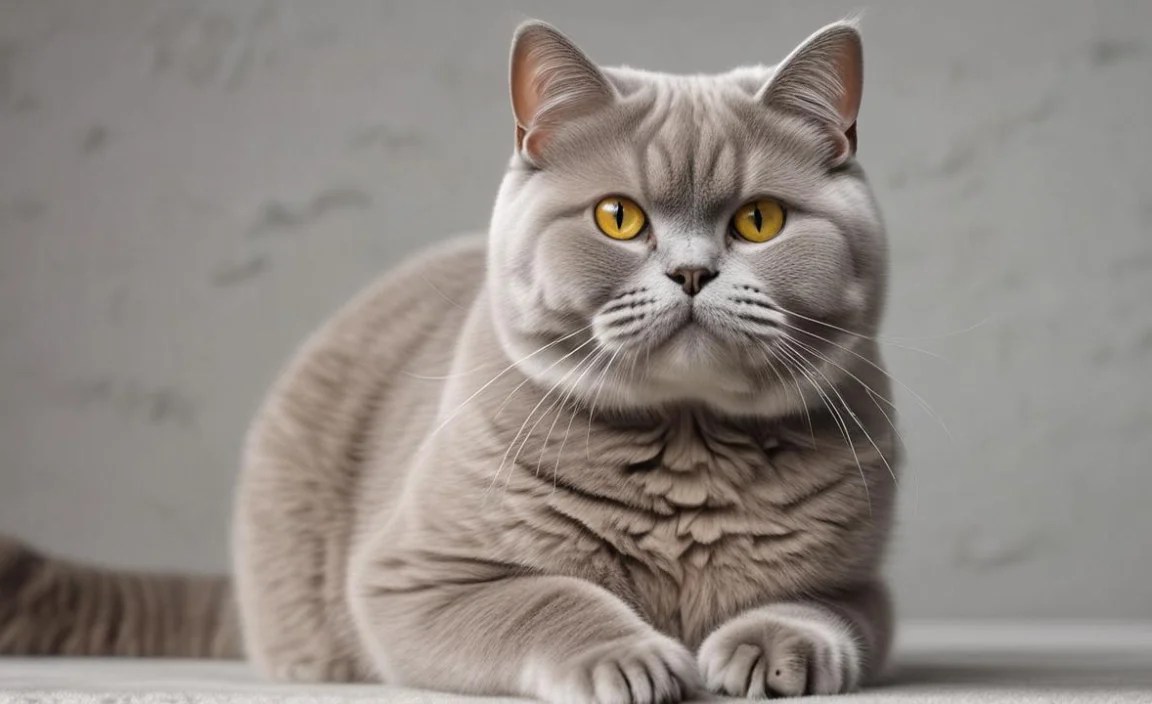
Keeping your home clean is important when you have a British Shorthair. The British Shorthair shedding amount means you will find fur around. Regular cleaning helps control this. Vacuum your home often. Pay attention to areas where your cat likes to spend time. Use a vacuum with a good filter. This will trap the fur. It will also stop it from spreading around. Dust your furniture regularly. This removes loose fur. You can also use a lint roller on your furniture. This picks up fur that the vacuum misses. A clean home is a happy home. It is also a healthy home for you and your cat.
- Vacuum regularly, especially cat areas.
- Use vacuums with good filtration systems.
- Dust furniture to remove loose fur.
- Use lint rollers on furniture and clothes.
- Wash cat bedding frequently.
- Air purifiers can help reduce airborne fur.
Washing your cat’s bedding often is also important. This removes fur and dust mites. Wash the bedding in hot water. This kills germs. You can also use a pet-safe laundry detergent. This will clean the bedding without harming your cat. Air purifiers can also help. These remove fur and allergens from the air. Place them in rooms where your cat spends a lot of time. A clean home helps control the British Shorthair shedding amount. It also makes your home more comfortable. With these tips, you can enjoy your furry friend without being overwhelmed by the fur.
Fun Fact or Stat: Air purifiers can reduce airborne cat allergens by up to 50%, making your home cleaner and healthier!
Best Vacuum Cleaners for Pet Owners
Do you need a special vacuum for pet fur? A good vacuum can make a big difference. Look for vacuums with strong suction. These can pick up fur from carpets and furniture. Vacuums with HEPA filters are also good. These trap allergens and dust. Some vacuums have special attachments for pet hair. These can help you clean hard-to-reach places. Read reviews before you buy a vacuum. This helps you find one that works well for pet owners. The right vacuum can make cleaning up after your British Shorthair much easier.
Cleaning Fabrics and Upholstery
How do you get cat fur off your furniture? Cleaning fabrics and upholstery can be tricky. Start by vacuuming the furniture. Use a vacuum with a good attachment. This helps you reach into the cracks. You can also use a lint roller. This picks up fur that the vacuum misses. For stubborn fur, try using a damp cloth. Wipe the furniture with the cloth. The dampness helps loosen the fur. You can also use a pet hair remover tool. These tools are made to grab pet fur. With these tips, you can keep your furniture clean and fur-free. The British Shorthair shedding amount will be less of a problem!
The Role of Air Purifiers
Can an air purifier help with cat fur? Air purifiers can remove fur and allergens from the air. This can make your home cleaner and healthier. Look for air purifiers with HEPA filters. These trap small particles, like pet dander. Place the air purifier in rooms where your cat spends a lot of time. Clean the filter regularly. This helps it work better. Air purifiers can help reduce the amount of fur in the air. They can also help with allergies. This makes your home more comfortable for everyone.
Addressing Health-Related Shedding Issues

Sometimes, shedding can be a sign of a health problem. The normal British Shorthair shedding amount is moderate. But, if your cat is shedding a lot, something might be wrong. Look for other signs. Are they scratching a lot? Do they have bald spots? Is their skin red or irritated? These can be signs of allergies, infections, or parasites. A poor diet can also cause excessive shedding. Make sure your cat eats good food. If you are worried, talk to your vet. They can check your cat for health problems. They can also give you advice on how to manage shedding. Knowing what to look for helps you keep your cat healthy.
| Issue | Symptoms | Solution |
|---|---|---|
| Allergies | Itching, skin redness, excessive shedding | Identify allergen, change diet, vet visit |
| Parasites | Visible fleas, scratching, hair loss | Flea treatment, vet visit |
| Infections | Skin lesions, pus, hair loss | Antibiotics, vet visit |
| Poor Diet | Dull coat, excessive shedding | Improve diet, add supplements |
Parasites like fleas and mites can cause shedding. They irritate the skin. This makes your cat scratch. Scratching can lead to hair loss. Check your cat for fleas regularly. Use a flea comb to look for them in their fur. If you find fleas, treat your cat with a flea medication. Your vet can recommend a safe and effective product. Skin infections can also cause shedding. These can be caused by bacteria or fungus. Look for red, inflamed skin. Take your cat to the vet if you see these signs. They can give you medicine to treat the infection. Keeping your cat healthy helps manage shedding. It also keeps them happy and comfortable.
Fun Fact or Stat: Up to 30% of excessive shedding cases in cats are related to underlying health issues that require veterinary attention!
Recognizing Signs of Allergies
Does your cat scratch a lot? Allergies can cause itching and skin problems. This can lead to excessive shedding. Common cat allergies include food allergies and environmental allergies. Food allergies can cause skin problems. They can also cause vomiting and diarrhea. Environmental allergies can be caused by pollen, dust mites, or mold. If you think your cat has allergies, talk to your vet. They can do tests to find out what your cat is allergic to. They can also give you advice on how to manage the allergies. Managing allergies can help control the British Shorthair shedding amount.
Dealing with Parasites and Infections
Are fleas making your cat itchy? Parasites and infections can cause skin problems and shedding. Fleas are common parasites. They can cause itching and hair loss. Mites can also cause skin problems. They can cause intense itching and crusty skin. Skin infections can be caused by bacteria or fungus. These can cause red, inflamed skin and hair loss. If you think your cat has parasites or an infection, talk to your vet. They can give you medicine to treat the problem. Keeping your cat free of parasites and infections helps keep their coat healthy.
The Importance of Veterinary Check-ups
Why are vet visits so important? Regular check-ups can help catch health problems early. Your vet can check your cat’s skin and coat. They can also look for signs of illness. They can give you advice on how to keep your cat healthy. If your cat is shedding a lot, your vet can help you figure out why. They can also give you advice on how to manage the shedding. Regular vet visits are important for your cat’s health. They also help you manage the British Shorthair shedding amount.
Comparing Shedding: British Shorthair vs. Other Breeds
How does the British Shorthair shedding amount compare to other breeds? Some cats shed a lot. Others don’t shed as much. British Shorthairs are moderate shedders. They shed more than some breeds, like Siamese cats. But, they shed less than other breeds, like Persians. Understanding how different breeds shed can help you choose the right cat for you. If you don’t want to deal with a lot of shedding, you might choose a low-shedding breed. If you don’t mind shedding, you can choose a breed like a British Shorthair. Knowing what to expect helps you be prepared. You can also manage shedding with the right tools and habits.
- British Shorthairs shed moderately.
- Siamese cats shed less than British Shorthairs.
- Persians shed more than British Shorthairs.
- Sphynx cats have almost no shedding.
- Regular grooming helps manage shedding for all breeds.
- Consider shedding when choosing a cat breed.
Low-shedding breeds include Siamese, Russian Blue, and Bengal cats. These cats have short coats. They don’t shed as much as long-haired breeds. High-shedding breeds include Persians, Maine Coons, and Ragdolls. These cats have long, thick coats. They need a lot of grooming. The British Shorthair falls in the middle. They have a dense coat, but regular grooming can help manage the shedding. When choosing a cat, think about how much time you want to spend grooming. This will help you find the right cat for your lifestyle. No matter what breed you choose, all cats need love and care.
Fun Fact or Stat: The Sphynx cat is known as one of the only breeds that is considered to be hairless and has almost no shedding at all!
Low-Shedding Cat Breeds
Are you looking for a cat that doesn’t shed much? Some breeds are known for low shedding. Siamese cats have short, sleek coats. They don’t shed as much as long-haired breeds. Russian Blue cats also have short coats. They have a plush, silvery-blue coat. Bengal cats have short, spotted coats. They are active and playful. These breeds are good choices if you want to avoid a lot of shedding. But, even low-shedding breeds need some grooming. Regular brushing can help keep their coats healthy. It can also reduce the amount of fur in your home.
High-Shedding Cat Breeds
Do you love fluffy cats? Some breeds are known for high shedding. Persians have long, luxurious coats. They need a lot of grooming. Maine Coons are large, fluffy cats. They also need a lot of grooming. Ragdolls have long, silky coats. They are known for being gentle and loving. These breeds are beautiful, but they require a lot of upkeep. If you choose a high-shedding breed, be prepared to brush them often. You will also need to vacuum your home regularly. But, many people think the extra work is worth it for these loving companions.
Factors Affecting Shedding in Different Breeds
Why do some breeds shed more than others? Several factors can affect shedding. Coat length is one factor. Long-haired breeds tend to shed more than short-haired breeds. Coat density is another factor. Cats with thick, dense coats tend to shed more. Genetics also play a role. Some breeds are just naturally prone to shedding. Health and diet can also affect shedding. A healthy cat with a good diet will shed less than a cat with health problems. Understanding these factors can help you choose the right cat for you. It can also help you manage shedding in your cat.
Summary
The British Shorthair shedding amount is moderate. They shed more than some breeds, but less than others. Regular grooming is key to managing their shedding. Brush them two to three times a week. Use a slicker brush or a deshedding tool. A healthy diet also helps. Look for food with omega-3 and omega-6 fatty acids. Keep your home clean by vacuuming often. Pay attention to areas where your cat likes to spend time. If you notice excessive shedding, talk to your vet. It could be a sign of a health problem. With the right care, you can enjoy your British Shorthair without being overwhelmed by the fur.
Conclusion
British Shorthairs are wonderful cats. They are known for their sweet nature and beautiful coats. While they do shed, it is manageable. Regular grooming, a good diet, and a clean home can make a big difference. Understanding the British Shorthair shedding amount helps you prepare. It also helps you care for your furry friend. Enjoy your British Shorthair. They bring so much joy to your life. With the right care, you can keep them healthy and happy. You can also keep your home clean and comfortable.
Frequently Asked Questions
Question No 1: How much do British Shorthairs typically shed?
Answer: British Shorthairs are known to be moderate shedders. This means they shed a noticeable amount of fur. You will find fur around your home. Regular grooming can help manage the British Shorthair shedding amount. They shed more during the spring and fall. This is when they change their coats for the seasons. Brushing them more often during these times is important. It keeps their coat healthy. It also reduces the amount of fur in your home.
Question No 2: What is the best way to control shedding in British Shorthairs?
Answer: The best way to control the British Shorthair shedding amount is regular grooming. Brush your cat two to three times a week. This removes loose fur. It also prevents mats from forming. Use a slicker brush or a deshedding tool. These work well for British Shorthairs. A healthy diet is also important. Look for food with omega-3 and omega-6 fatty acids. These help keep their coat healthy. Vacuum your home often. This picks up loose fur. With these tips, you can keep shedding under control.
Question No 3: Are there specific times of the year when British Shorthairs shed more?
Answer: Yes, British Shorthairs typically shed more during the spring and fall. These are the times when they change their coats. In the spring, they lose their thick winter coat. In the fall, they shed their lighter summer coat. This means you might need to brush them more often during these times. Keep an eye on the British Shorthair shedding amount. Adjust your grooming routine as needed. This helps keep their coat healthy. It also reduces the amount of fur in your home. Regular grooming is key.
Question No 4: Can diet affect how much a British Shorthair sheds?
Answer: Yes, diet plays a big role in shedding. A good diet helps keep their coat healthy. Healthy fur sheds less. Make sure your British Shorthair eats high-quality cat food. Look for food with lots of protein. Also, look for food with omega-3 and omega-6 fatty acids. These help keep their skin healthy. Dry skin can cause more shedding. Water is also important. Make sure your cat always has fresh water. Staying hydrated keeps their skin moisturized. This reduces shedding. A good diet and plenty of water are key.
Question No 5: What are some signs that my British Shorthair is shedding too much?
Answer: Some shedding is normal. But, too much shedding can be a sign of a problem. Look for other signs. Does your cat have bald spots? Is their skin red or itchy? These can be signs of allergies or a skin condition. A poor diet can also cause too much shedding. If you are worried, talk to your vet. They can check your cat for health problems. They can also give you advice on how to manage the British Shorthair shedding amount. Knowing what to look for helps you keep your cat healthy.
Question No 6: Are there any tools or products that can help reduce shedding?
Answer: Yes, there are many tools and products that can help reduce shedding. A good brush is essential. A slicker brush or a deshedding tool works well. These remove loose fur. They also prevent mats from forming. You can also use a lint roller on your furniture. This picks up fur that the vacuum misses. Air purifiers can also help. These remove fur and allergens from the air. Look for shampoos made for cats. These can help keep their skin and coat healthy. These tools and products can help you manage the British Shorthair shedding amount.


