
Cat Breeds That Shed Heavily in Spring: The Secret

Do you love cats? Do you hate cat hair all over your house? Some cats shed a lot. This is especially true in the spring. Many cat breeds shed heavily in spring. It’s their way of getting ready for warmer weather. Are you ready to learn more? Keep reading to find out which cats shed the most!
Key Takeaways
- Regular grooming is key to managing shedding from cat breeds that shed heavily in spring.
- Long-haired cats like Persians and Maine Coons are big shedders, especially in spring.
- Shorthair cats like British Shorthairs also shed a lot, though it’s less noticeable.
- Proper nutrition and hydration can help reduce excessive shedding in all cats.
- Understanding seasonal shedding helps you prepare for the extra fur in your home.
Which Cat Breeds Shed Heavily in Spring?

Spring is a time of renewal. It’s also a time of shedding for many cats! Cat breeds that shed heavily in spring include those with thick coats. These coats keep them warm in winter. As the weather warms up, they don’t need that extra fur. So, they shed it. Long-haired breeds are often the biggest culprits. Think of breeds like the Persian or Maine Coon. Their long fur traps a lot of hair. When they shed, it can seem like a snowstorm of fur! Shorthair cats shed too. It might not be as noticeable. But they still lose a lot of hair. Regular grooming is important for all cats. It helps remove loose fur. This reduces the amount of hair that ends up on your furniture.
- Persian cats need daily grooming.
- Maine Coons have thick, long fur.
- Himalayans are similar to Persians.
- British Shorthairs have dense coats.
- Ragdolls have semi-long fur that sheds.
Many factors affect how much a cat sheds. Diet is one. A healthy diet helps keep their coat healthy. Hydration is another. Make sure your cat always has fresh water. Stress can also cause shedding. Try to keep your cat’s environment calm and stable. Some health problems can cause excessive shedding. If you are worried, talk to your vet. They can help you figure out what’s going on. Some people think that shaving their long haired cat is a good idea for shedding, but it can damage the coat. Cat breeds that shed heavily in spring can be a challenge, but with the right care, you can manage the shedding.
Fun Fact or Stat: A single cat can shed up to two-thirds of its body weight in fur each year!
Why Do Cats Shed More in Spring?

Have you ever wondered why cat breeds that shed heavily in spring do so? It’s all about their natural cycle. Cats grow a thick winter coat to stay warm. When spring arrives, they no longer need this extra layer. The warmer temperatures signal their bodies to shed the winter coat. This process is called seasonal shedding. The amount of shedding can vary from cat to cat. Some cats shed gradually over several weeks. Others seem to shed all at once. The length of daylight also plays a role. As the days get longer, cats shed more. This is because light affects their hormones. These hormones control hair growth and shedding.
How to Reduce Spring Shedding?

Dealing with shedding can be tough. But there are many things you can do! Regular grooming is key. Brush your cat daily to remove loose fur. Use a good quality brush that is right for your cat’s coat. Bathing can also help. But don’t bathe your cat too often. It can dry out their skin. A healthy diet is very important. Feed your cat food that is rich in nutrients. Omega-3 fatty acids can help improve coat health. Make sure your cat drinks enough water. Dehydration can lead to dry skin and increased shedding. You can also use special shedding tools. These tools help remove loose fur more effectively. Remember to be patient and gentle with your cat.
Best Brushes for Shedding Cats

Choosing the right brush makes a big difference. A slicker brush is good for removing mats and tangles. A deshedding tool can remove loose fur from the undercoat. A rubber brush is gentle and good for short-haired cats. A grooming glove is another option. It’s easy to use and feels like petting. Start with gentle brushing. Don’t pull on their fur. Make grooming a positive experience. Give your cat treats and praise. This will help them enjoy the process. Clean your brush regularly. This will keep it working well. Brushing your cat breeds that shed heavily in spring is a great way to bond with them.
Fun Fact or Stat: Regular brushing can reduce shedding by up to 90%!
Grooming Tips for Cat Breeds That Shed Heavily

Grooming is very important. It helps keep your cat’s coat healthy. It also reduces shedding. Start grooming your cat when they are young. This will help them get used to it. Choose a time when your cat is relaxed. Make sure you have the right tools. Brush your cat regularly. How often depends on their coat type. Long-haired cats need daily brushing. Short-haired cats can be brushed a few times a week. Be gentle. Cats can be sensitive. Watch for signs of discomfort. If your cat seems stressed, stop and try again later. Reward your cat after grooming. This will help them associate grooming with positive things. Remember, grooming is about more than just reducing shedding. It’s also a chance to bond with your cat. Cat breeds that shed heavily in spring will need this attention.
- Start grooming early in a cat’s life.
- Use gentle and slow motions.
- Reward the cat for good behavior.
- Make grooming a positive experience.
- Be patient with your cat.
- Consider professional grooming services.
Don’t forget about other aspects of grooming. Trim your cat’s nails regularly. This prevents them from scratching furniture. Check their ears for dirt and wax. Clean them if needed. Use a special ear cleaner made for cats. Dental care is also important. Brush your cat’s teeth regularly. This helps prevent dental problems. You can also give them dental treats. These treats help clean their teeth. Grooming is a complete package. It’s about caring for your cat’s overall health. By following these tips, you can keep your cat looking and feeling their best. This is important for cat breeds that shed heavily in spring.
Fun Fact or Stat: Grooming can help detect early signs of skin problems or parasites!
Choosing the Right Grooming Tools

The right tools make grooming easier. A good brush is essential. There are many types of brushes. Choose one that is right for your cat’s coat. A slicker brush is good for removing mats. A deshedding tool is great for removing loose fur. A comb can help detangle fur. Nail clippers are needed for trimming nails. Ear cleaner is important for cleaning ears. Toothbrushes and toothpaste are needed for dental care. Choose tools that are safe and comfortable for your cat. Read reviews before buying. Ask your vet for recommendations. The right tools will make grooming more effective. They will also make it more enjoyable for you and your cat.
How Often Should You Groom?

How often you groom depends on your cat. Long-haired cats need daily grooming. This helps prevent mats and tangles. Short-haired cats can be groomed a few times a week. Cats that shed a lot may need more frequent grooming. Pay attention to your cat’s coat. If you see a lot of loose fur, groom them more often. Also, consider the season. Cats tend to shed more in the spring and fall. During these times, you may need to groom them more often. Regular grooming is important for all cats. It helps keep their coat healthy and reduces shedding. Cat breeds that shed heavily in spring will benefit from a solid schedule.
Dealing with Matted Fur
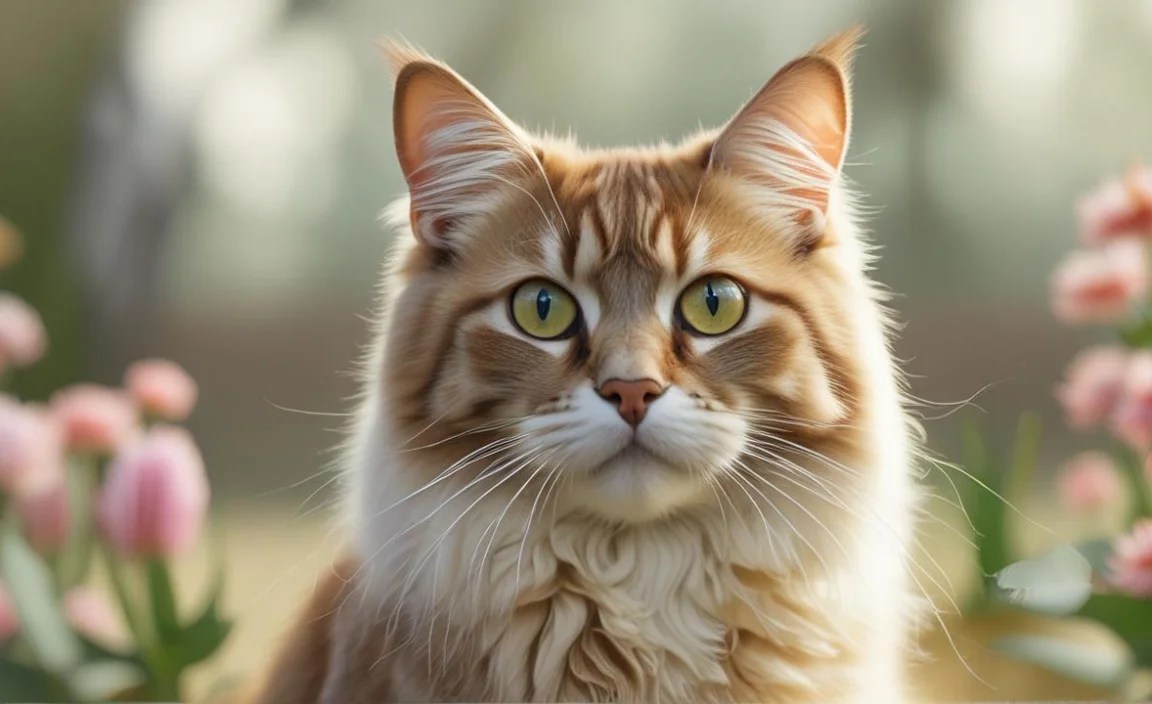
Matted fur can be painful for cats. It can pull on their skin. It can also trap dirt and moisture. This can lead to skin problems. If your cat has matted fur, you need to remove it. Start by trying to gently brush out the mat. Use a detangling spray to help loosen the fur. If you can’t brush out the mat, you may need to cut it out. Be very careful when using scissors. You don’t want to cut your cat’s skin. If the mat is very large or close to the skin, take your cat to a groomer. They have special tools and skills to remove mats safely. Preventing mats is the best approach. Regular grooming can help prevent mats from forming in the first place.
Fun Fact or Stat: Some cats enjoy being groomed so much that they purr during the process!
Diet and Hydration for Reducing Shedding

A healthy diet is crucial for a healthy coat. What your cat eats affects their shedding. A balanced diet provides the nutrients your cat needs. These nutrients support healthy hair growth. Look for cat food that is high in protein. Protein is essential for hair growth. Make sure the food contains omega-3 and omega-6 fatty acids. These fatty acids help keep the skin healthy. They also reduce inflammation. Avoid foods with fillers and artificial ingredients. These can cause skin problems. Fresh water is also important. Dehydration can lead to dry skin. Dry skin can increase shedding. Make sure your cat always has access to clean, fresh water. You can also add wet food to their diet. Wet food helps increase their water intake. Remember, a healthy diet and good hydration are key to reducing shedding. Especially for cat breeds that shed heavily in spring.
- Provide high-quality cat food.
- Ensure adequate hydration daily.
- Add omega-3 supplements to their diet.
- Avoid foods with artificial additives.
- Consult with a vet about diet needs.
Supplements can also help reduce shedding. Omega-3 fatty acids are a good choice. They help improve skin and coat health. Biotin is another supplement that can help. It supports healthy hair growth. Always talk to your vet before giving your cat supplements. They can help you choose the right supplements. They can also tell you the correct dosage. Remember, supplements are not a substitute for a healthy diet. They are just an extra boost. Focus on providing your cat with a balanced diet first. Then, you can consider adding supplements if needed. Taking care of your cat’s diet will help them stay healthy and reduce shedding. This is helpful for all cat breeds that shed heavily in spring.
Fun Fact or Stat: Cats need about 5.5 ounces of water per 5 pounds of body weight each day!
The Importance of Protein in a Cat’s Diet

Protein is very important for cats. Cats are carnivores. This means they need a lot of protein. Protein helps build and repair tissues. It also supports healthy hair growth. Look for cat food that has a high percentage of protein. The protein should come from animal sources. Chicken, fish, and beef are good choices. Avoid foods that use plant-based proteins as the main source. These proteins are not as easily digested by cats. Make sure your cat is getting enough protein in their diet. This will help them stay healthy and reduce shedding. A good diet will also make life more comfortable for cat breeds that shed heavily in spring.
Omega-3 Fatty Acids for a Healthy Coat

Omega-3 fatty acids are great for your cat’s coat. They help keep the skin healthy and moisturized. They also reduce inflammation. This can help reduce shedding. You can add omega-3 fatty acids to your cat’s diet. Fish oil is a good source of omega-3s. You can also find cat food that is enriched with omega-3s. Look for foods that contain EPA and DHA. These are the most beneficial types of omega-3s. Talk to your vet about the right dosage for your cat. Omega-3 fatty acids can help improve your cat’s coat health. They can also reduce shedding and make your cat more comfortable.
How to Keep Your Cat Hydrated

Staying hydrated is important for cats. Dehydration can lead to many health problems. It can also cause dry skin and increased shedding. Make sure your cat always has access to fresh water. Clean their water bowl daily. You can also try using a water fountain. Some cats prefer to drink from a fountain. Add wet food to your cat’s diet. Wet food has a high water content. This can help increase their water intake. You can also add water to their dry food. If you notice your cat is not drinking enough, talk to your vet. They can help you figure out why and offer solutions. Hydration is key to keeping your cat healthy and reducing shedding. Keeping cat breeds that shed heavily in spring hydrated is especially important.
Fun Fact or Stat: Cats have fewer taste buds than humans and cannot taste sweetness!
Health Issues That Cause Excessive Shedding

Sometimes, excessive shedding is a sign of a health problem. Many health issues can cause cats to shed more than usual. Allergies are a common cause. Cats can be allergic to food, pollen, or fleas. Skin infections can also cause shedding. These infections can be caused by bacteria or fungi. Parasites like fleas and mites can irritate the skin. This can lead to increased shedding. Stress and anxiety can also cause shedding. Hyperthyroidism is a hormonal disorder. It can cause excessive shedding, weight loss, and increased appetite. If you notice your cat is shedding excessively, talk to your vet. They can help you figure out what’s going on. They can also recommend the right treatment. Addressing the underlying health issue is key to reducing shedding. Keep an eye on cat breeds that shed heavily in spring for these issues.
- Allergies can cause skin irritation.
- Parasites can lead to excessive scratching.
- Fungal infections affect coat health.
- Stress and anxiety trigger shedding.
- Hormonal imbalances impact hair growth.
Regular vet checkups are important. Your vet can help you catch health problems early. They can also recommend preventive care. This includes flea and tick control. It also includes vaccinations. A healthy cat is less likely to shed excessively. Make sure your cat is getting the right nutrition. A balanced diet supports a healthy coat. Provide fresh water daily. Dehydration can lead to dry skin and shedding. If you notice any changes in your cat’s behavior or coat, talk to your vet. Early detection and treatment can help prevent serious problems. By taking good care of your cat’s health, you can help reduce shedding. This is crucial for managing cat breeds that shed heavily in spring.
Fun Fact or Stat: Cats can get sunburned, especially on their ears and nose!
Allergies and Shedding

Allergies can cause skin irritation in cats. This can lead to excessive scratching and shedding. Cats can be allergic to many things. Food allergies are common. Some cats are allergic to certain ingredients in their food. Environmental allergies are also common. Cats can be allergic to pollen, dust mites, and mold. Flea allergies are another common cause of skin problems. If your cat has allergies, they may scratch, bite, or lick their skin. This can lead to hair loss and shedding. Your vet can help you diagnose allergies. They may recommend a special diet or medication. They can also recommend ways to reduce your cat’s exposure to allergens. Managing allergies is key to reducing shedding.
Parasites and Shedding

Parasites can cause skin irritation and shedding. Fleas are a common problem. They bite your cat’s skin and cause itching. This can lead to scratching and hair loss. Mites are another type of parasite. They can cause mange, which is a skin disease. Mange can cause severe itching and hair loss. Ticks can also attach to your cat’s skin. They can transmit diseases. Your vet can recommend treatments for parasites. Flea and tick prevention is important. There are many products available. These include topical treatments, oral medications, and collars. Regular grooming can also help. It can help you detect parasites early.
Stress and Shedding

Stress can cause cats to shed more. Cats are sensitive creatures. Changes in their environment can cause stress. Moving to a new home, introducing a new pet, or loud noises can all be stressful. When cats are stressed, they may groom excessively. This can lead to hair loss and shedding. They may also stop grooming altogether. This can cause their coat to become matted. Try to create a calm and stable environment for your cat. Provide them with a safe space where they can retreat. Use pheromone diffusers to help reduce anxiety. If your cat is very stressed, talk to your vet. They may recommend medication or behavioral therapy. Minimizing stress can help reduce shedding. Even cat breeds that shed heavily in spring will be more manageable.
Fun Fact or Stat: A cat’s purr vibrates at a frequency of 25-150 Hz, which can promote healing!
Seasonal Changes and Cat Shedding Patterns

Cats shed for different reasons. One big reason is the change in seasons. As the weather changes, cats adjust their coats. They grow thicker coats in the winter. This helps them stay warm. In the spring, they shed their winter coats. This prepares them for the warmer weather. This shedding can be heavy. It’s why cat breeds that shed heavily in spring are well-known. The amount of daylight also affects shedding. Longer days trigger shedding. Shorter days trigger hair growth. This is why cats shed more in the spring and fall. The breed of cat also plays a role. Long-haired breeds shed more than short-haired breeds. Indoor cats may shed year-round. This is because they are exposed to artificial light. Understanding these patterns can help you manage shedding.
- Shedding increases in spring and fall.
- Daylight hours affect shedding patterns.
- Indoor cats shed more consistently.
- Long-haired breeds shed more overall.
- Seasonal changes impact coat thickness.
You can’t stop seasonal shedding completely. But you can manage it. Regular grooming is key. Brush your cat often to remove loose fur. This will reduce the amount of hair that ends up on your furniture. A good diet is also important. Make sure your cat is getting the nutrients they need. This will help keep their coat healthy. Hydration is also crucial. Make sure your cat always has fresh water. By taking these steps, you can help minimize shedding. Even during peak shedding seasons, your house will be cleaner. This is important for cat breeds that shed heavily in spring.
Fun Fact or Stat: A cat’s whiskers are about the same width as its body!
How Daylight Affects Shedding

Daylight plays a big role in shedding. As the days get longer, cats shed more. This is because light affects their hormones. These hormones control hair growth and shedding. When the days get shorter, cats shed less. This is because their bodies are preparing for winter. Indoor cats may not follow this pattern. They are exposed to artificial light year-round. This can disrupt their natural shedding cycle. Try to provide your cat with natural light. Open the curtains during the day. This can help regulate their shedding cycle. Even with natural light, cat breeds that shed heavily in spring will still have a peak shedding period.
Preparing for Spring Shedding
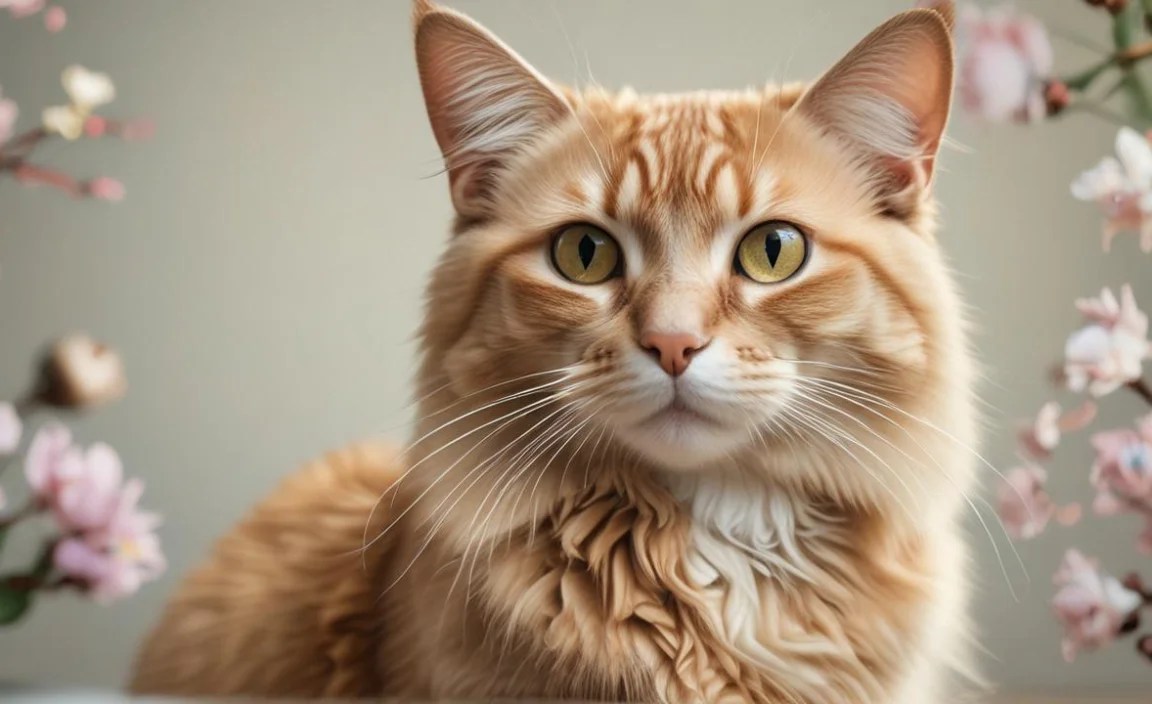
Spring shedding can be intense. Prepare your home for the extra fur. Invest in a good vacuum cleaner. One that is designed for pet hair. Cover your furniture with blankets or sheets. This will protect it from hair. Brush your cat more often. This will help remove loose fur. Consider using a deshedding tool. These tools are designed to remove loose fur from the undercoat. Bathe your cat if needed. This can help loosen dead hair. But don’t bathe them too often. It can dry out their skin. By preparing in advance, you can make spring shedding more manageable.
Managing Shedding in Indoor Cats

Indoor cats shed year-round. This is because they are exposed to artificial light. This disrupts their natural shedding cycle. You can still manage shedding in indoor cats. Regular grooming is key. Brush your cat often to remove loose fur. A good diet is also important. Make sure your cat is getting the nutrients they need. Provide them with plenty of fresh water. Consider using a humidifier. This can help keep their skin moisturized. Vacuum regularly to remove pet hair. By taking these steps, you can help minimize shedding. Even in indoor cats, cat breeds that shed heavily in spring will need extra attention.
Fun Fact or Stat: Cats can jump up to six times their height!
Comparing Shedding in Different Cat Breeds

Not all cats shed the same amount. Some breeds shed a lot. Others shed very little. Long-haired breeds tend to shed more. This is because they have more fur. Short-haired breeds shed less. But they still shed. Some breeds have a double coat. This means they have a thick undercoat. These breeds tend to shed a lot. Especially in the spring. The Siberian, Maine Coon, and Norwegian Forest Cat are examples. Hairless breeds like the Sphynx shed very little. But they still need to be groomed. Regular grooming helps remove dead skin cells. Understanding the shedding patterns of different breeds can help you choose the right cat for you. Or, it can help you prepare for the amount of shedding. Remember that cat breeds that shed heavily in spring require extra care. Here is a quick comparison of some breeds:
| Breed | Hair Length | Shedding Level | Grooming Needs |
|---|---|---|---|
| Persian | Long | High | Daily |
| Maine Coon | Long | High | Daily |
| British Shorthair | Short | Medium | Weekly |
| Siamese | Short | Low | Weekly |
| Sphynx | Hairless | Very Low | Weekly Bathing |
- Long-haired cats require more grooming.
- Short-haired cats still shed noticeably.
- Double-coated breeds shed heavily seasonally.
- Hairless breeds need skin care.
- Shedding varies greatly by breed.
Consider your lifestyle when choosing a cat. If you don’t want to spend a lot of time grooming, choose a low-shedding breed. If you are allergic to cats, choose a hypoallergenic breed. These breeds produce less of the protein that causes allergies. Keep in mind that no cat is truly hypoallergenic. But some breeds are better for people with allergies. Do your research before getting a cat. This will help you choose the right cat for your home. Taking the time will also help you handle cat breeds that shed heavily in spring or any time of year.
Fun Fact or Stat: The average cat spends about 13 to 14 hours sleeping each day!
High-Shedding Breeds

Some cat breeds are known for shedding a lot. The Persian is one example. They have long, luxurious fur. But they need daily grooming to prevent mats. The Maine Coon is another high-shedding breed. They also have long fur. They need regular brushing to remove loose fur. The Himalayan is similar to the Persian. They also need daily grooming. The British Shorthair is a short-haired breed. But they have a dense coat. They shed a lot, especially in the spring. If you are considering one of these breeds, be prepared to groom them often.
Low-Shedding Breeds

If you don’t want to deal with a lot of shedding, consider a low-shedding breed. The Siamese is a good choice. They have short hair and don’t shed much. The Russian Blue is another low-shedding breed. They have a plush, blue-gray coat. The Bengal is a spotted breed. They have short hair and don’t shed much. The Sphynx is a hairless breed. They don’t shed at all. But they need to be bathed regularly. These breeds are a great choice for people who don’t want to spend a lot of time grooming.
Hypoallergenic Cat Breeds

If you are allergic to cats, consider a hypoallergenic breed. These breeds produce less of the protein that causes allergies. The Siberian is a long-haired breed. But they produce less of the allergen. The Balinese is similar to the Siamese. They also produce less of the allergen. The Devon Rex has curly hair. They shed less than other breeds. The Cornish Rex also has curly hair. They also shed less. Keep in mind that no cat is truly hypoallergenic. But these breeds may be a better choice for people with allergies. Remember that grooming is still important, even for cat breeds that shed heavily in spring or those considered hypoallergenic.
Fun Fact or Stat: Cats have a third eyelid, called a nictitating membrane, for extra protection!
Summary
Many cat breeds shed heavily in spring. This is a natural process. Cats shed their winter coats to prepare for warmer weather. Long-haired breeds like Persians and Maine Coons shed the most. Short-haired breeds like British Shorthairs also shed a lot. Regular grooming is key to managing shedding. Brush your cat often to remove loose fur. A healthy diet and good hydration are also important. Make sure your cat is getting the nutrients they need. If you notice excessive shedding, talk to your vet. It could be a sign of a health problem. By taking these steps, you can help minimize shedding and keep your home clean.
Conclusion
Shedding is a normal part of owning a cat. Some cat breeds shed heavily in spring. Understanding why cats shed and how to manage it is important. Regular grooming, a healthy diet, and good hydration can help. If you are concerned about shedding, talk to your vet. They can help you figure out what’s going on. By taking good care of your cat, you can minimize shedding and enjoy their companionship.
Frequently Asked Questions
Question No 1: Why do cats shed so much in the spring?
Answer: Cats shed more in the spring because they are getting rid of their thick winter coats. As the weather warms up, they no longer need that extra layer of fur. The longer daylight hours also trigger shedding. This is a natural process that helps them prepare for the summer months. Shedding helps keep them cool and comfortable. Even cat breeds that shed heavily in spring are just responding to nature’s signals.
Question No 2: How can I reduce shedding in my cat?
Answer: You can reduce shedding by grooming your cat regularly. Brush them often to remove loose fur. A good diet is also important. Make sure they are getting the nutrients they need. Hydration is also crucial. Provide them with plenty of fresh water. You can also use special shedding tools. These tools help remove loose fur more effectively. Remember to be patient and gentle with your cat. Taking good care of their coat will help reduce shedding.
Question No 3: What are some high-shedding cat breeds?
Answer: Some cat breeds are known for shedding a lot. The Persian is one example. They have long, luxurious fur. The Maine Coon is another high-shedding breed. They also have long fur. The Himalayan is similar to the Persian. The British Shorthair is a short-haired breed. But they have a dense coat. These breeds need regular grooming to manage shedding. Owners of cat breeds that shed heavily in spring must be prepared for extra cleanup.
Question No 4: Are there any low-shedding cat breeds?
Answer: Yes, there are low-shedding cat breeds. The Siamese is a good choice. They have short hair and don’t shed much. The Russian Blue is another low-shedding breed. The Bengal is a spotted breed. The Sphynx is a hairless breed. They don’t shed at all. These breeds are great for people who don’t want to spend a lot of time grooming.
Question No 5: Can health problems cause excessive shedding?
Answer: Yes, health problems can cause excessive shedding. Allergies are a common cause. Skin infections and parasites can also cause shedding. Stress and anxiety can also lead to increased shedding. Hyperthyroidism is a hormonal disorder. It can cause excessive shedding. If you notice your cat is shedding excessively, talk to your vet. They can help you figure out what’s going on. Even if you own one of the cat breeds that shed heavily in spring, a sudden increase in shedding could signal a problem.
Question No 6: How does diet affect shedding?
Answer: Diet plays a big role in shedding. A healthy diet provides the nutrients your cat needs. These nutrients support healthy hair growth. Look for cat food that is high in protein. Make sure the food contains omega-3 and omega-6 fatty acids. Avoid foods with fillers and artificial ingredients. Fresh water is also important. Dehydration can lead to dry skin. Dry skin can increase shedding. A good diet helps keep your cat’s coat healthy and reduces shedding. Therefore, even cat breeds that shed heavily in spring can benefit from a good diet.


