
British Shorthair Hair Maintenance: The Ultimate Guide

Do you love cats with soft, plush fur? The British Shorthair might be your dream cat. These cats are known for their round faces and gentle nature. But what about british shorthair hair maintenance? Do they need a lot of grooming?
Taking care of a British Shorthair’s coat is not hard. With the right tips, your cat will always look its best. Keep reading to learn how to keep your furry friend happy and healthy.
These cats have a thick coat. Regular brushing helps keep it in good shape. Let’s find out the best ways to groom your British Shorthair!
Key Takeaways
- Regular brushing is essential for british shorthair hair maintenance and health.
- A healthy diet helps keep their coat shiny and reduces shedding.
- Use the right grooming tools to avoid hurting your cat’s skin.
- Check your cat regularly for mats or tangles in their fur.
- Occasional baths can help remove loose fur and keep them clean.
Brushing for British Shorthair Hair Maintenance

Brushing is very important for british shorthair hair maintenance. It helps to remove loose fur. This prevents mats and tangles from forming. Regular brushing also spreads natural oils. These oils keep your cat’s coat shiny and healthy. How often should you brush your British Shorthair? Aim for at least two to three times a week. During shedding season, you may need to brush them every day. Use a soft brush or a grooming mitt. Be gentle, so you don’t hurt your cat. Make brushing a fun and relaxing time for both of you. This will make it easier to care for your cat’s coat. A well-groomed cat is a happy cat! Spend time grooming your British Shorthair, and they will love you for it.
- Brush your cat two to three times a week.
- Use a soft brush or grooming mitt.
- Be gentle when brushing.
- Brush more often during shedding season.
- Make brushing a positive experience.
Remember to check your cat’s skin while brushing. Look for any signs of redness or irritation. If you see anything unusual, talk to your vet. Regular brushing also helps you bond with your cat. It’s a great way to show them you care. Plus, it keeps your home cleaner by reducing shedding. British shorthair hair maintenance doesn’t have to be a chore. It can be a special time you share with your pet. Enjoy the moments and keep your cat looking its best. Brushing is key to a healthy and happy British Shorthair.
Why is Brushing So Important?
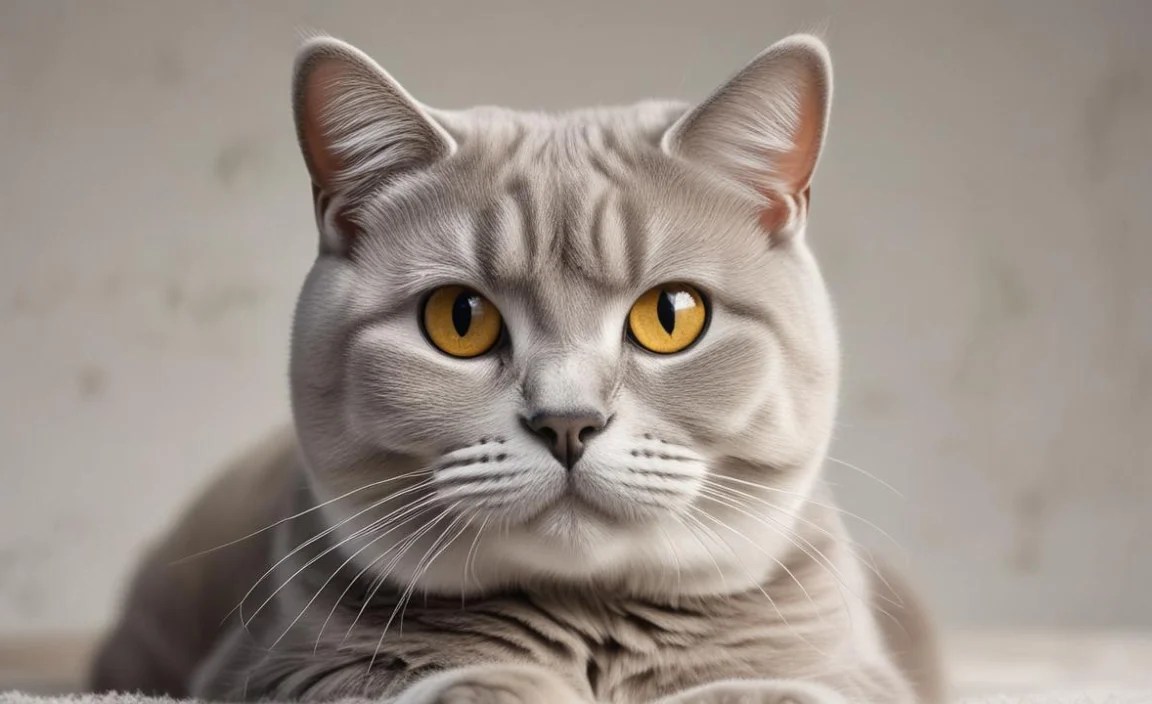
Have you ever wondered why brushing is so important for cats? Imagine wearing a thick coat all the time. Now imagine never taking it off to clean it. That’s what it’s like for cats with their fur! Brushing helps to remove all the dirt and loose hair. It keeps their coat clean and healthy. For British Shorthairs, brushing is even more important. Their thick fur can easily get tangled. Regular brushing prevents painful mats from forming. It also helps to reduce shedding. This means less hair on your furniture and clothes. Think of brushing as a spa day for your cat. It’s a relaxing way to keep them looking and feeling their best.
Choosing the Right Brush
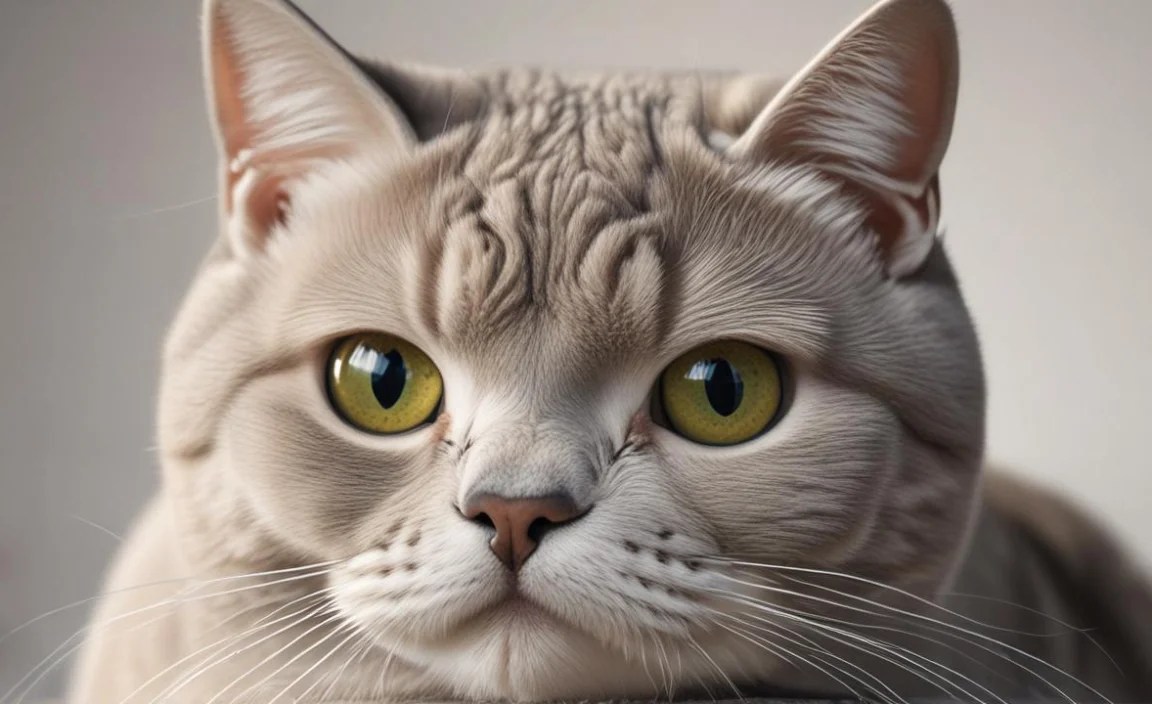
Choosing the right brush can make british shorthair hair maintenance easier. There are many different types of brushes for cats. Some are soft, and some are firm. For a British Shorthair, a soft brush or grooming mitt works best. These tools are gentle on their skin. They also help to remove loose fur without pulling. A metal comb can also be useful for removing mats. Always be gentle when using a comb. You don’t want to hurt your cat. Try different brushes to see what your cat likes best. Some cats enjoy the feel of a soft brush. Others prefer a grooming mitt. The right brush will make grooming a more pleasant experience for both of you.
Making Brushing Fun
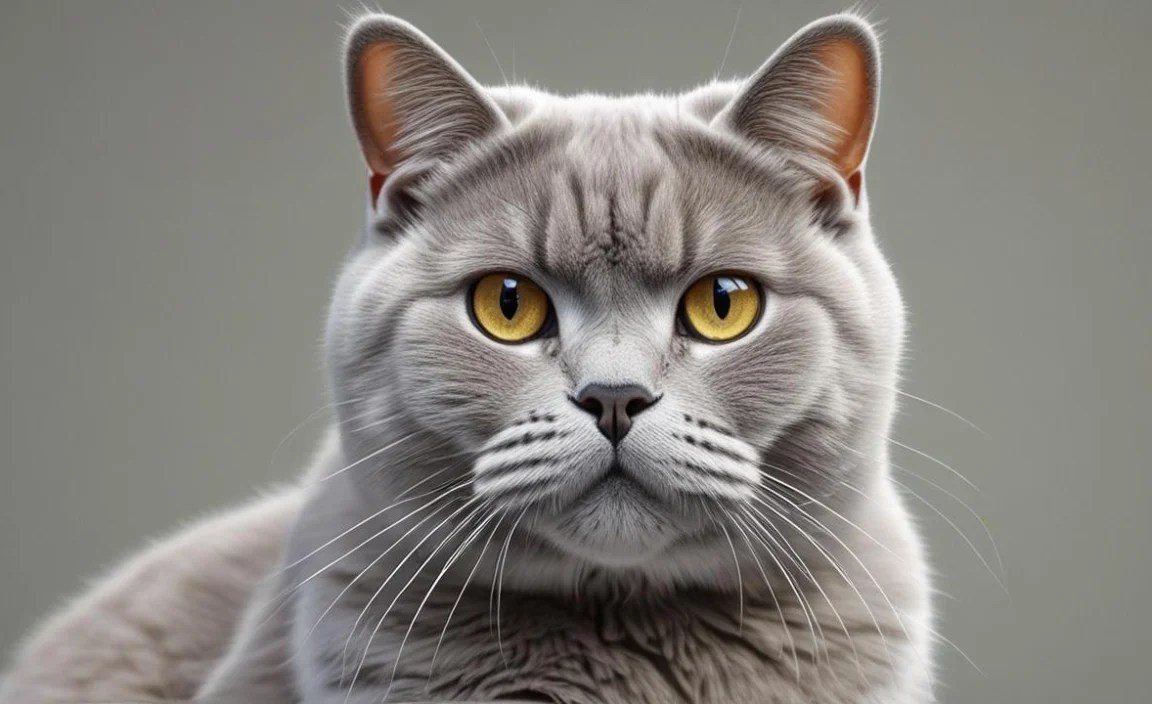
Want to make brushing a fun activity for your cat? Start by making it a positive experience. Offer treats and praise during brushing. Keep the sessions short at first. As your cat gets used to it, you can brush for longer. Choose a time when your cat is relaxed. This will make them more likely to enjoy the grooming. Talk to your cat in a soothing voice. This can help them feel calm and comfortable. Remember, british shorthair hair maintenance doesn’t have to be stressful. With a little patience and positive reinforcement, it can be a fun bonding experience. Soon, your cat will look forward to their brushing sessions!
Fun Fact or Stat: British Shorthairs have a dense coat that can make them appear larger than they actually are!
Bathing Your British Shorthair Cat

Bathing is another part of british shorthair hair maintenance. But, British Shorthairs don’t need baths very often. Usually, they keep themselves clean. Over-bathing can dry out their skin. This can lead to skin problems. Only bathe your cat when they are really dirty. Or, if your vet tells you to. Use a special shampoo for cats. Human shampoo can hurt their skin. Make sure the water is warm, not too hot or cold. Be gentle when washing your cat. Avoid getting water in their eyes and ears. After the bath, dry your cat with a soft towel. You can also use a hair dryer on a low setting. Make sure they are completely dry to avoid getting cold. Bathing can be stressful for some cats. So, keep it short and sweet. With the right approach, it can be a positive experience.
- Only bathe your cat when necessary.
- Use a shampoo made for cats.
- Keep water out of their eyes and ears.
- Dry them well after the bath.
- Make it a quick and gentle process.
If your cat really hates baths, try using a damp cloth. Wipe them down to remove dirt and loose fur. This can be a good alternative to a full bath. Always be patient and gentle with your cat. Never force them to do something they don’t want to do. British shorthair hair maintenance is about keeping your cat healthy and happy. If they are clean and comfortable, you are doing a great job. Remember, a little bit of care goes a long way. Enjoy the time you spend with your furry friend. A clean cat is a happy cat, but don’t overdo it!
When to Bathe Your Cat
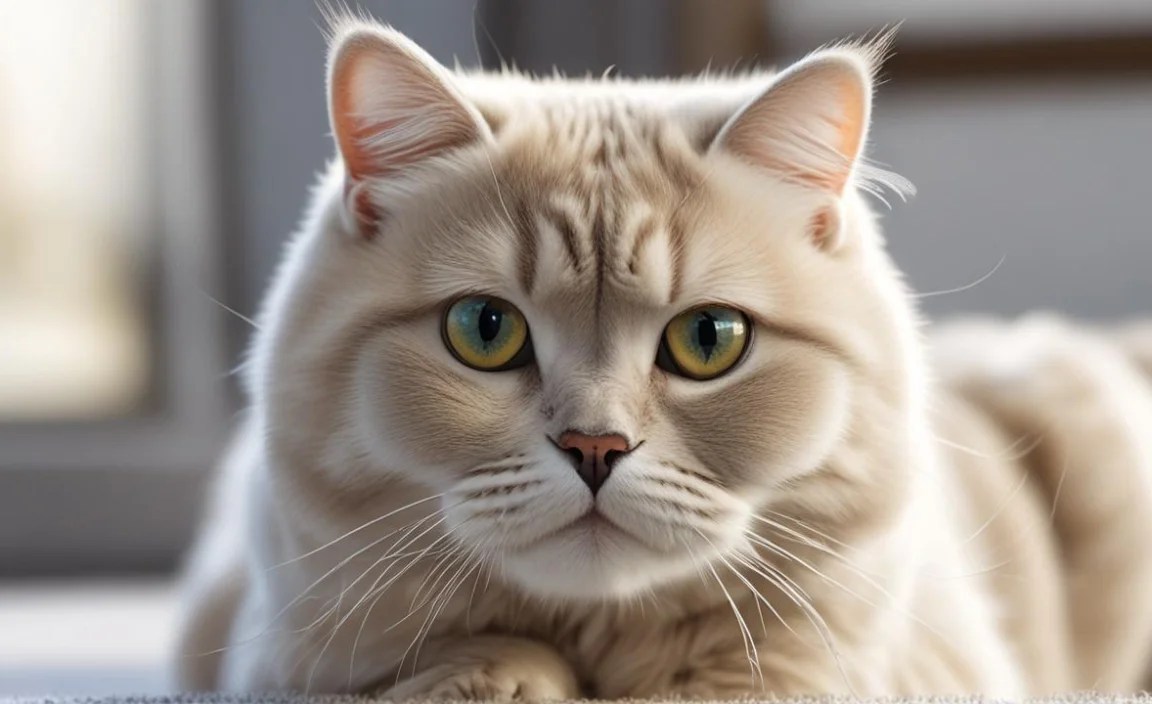
When is the right time to bathe your cat? Most British Shorthairs don’t need frequent baths. They are very good at keeping themselves clean. However, there are times when a bath is necessary. If your cat gets into something sticky or dirty, a bath is a good idea. If they have fleas, your vet may recommend a special shampoo. Also, if your cat has a skin condition, baths can help. Pay attention to your cat’s coat. If it looks dull or greasy, it might be time for a bath. Remember to use a gentle cat shampoo. This will help to keep their skin healthy and happy.
Making Bath Time Easier
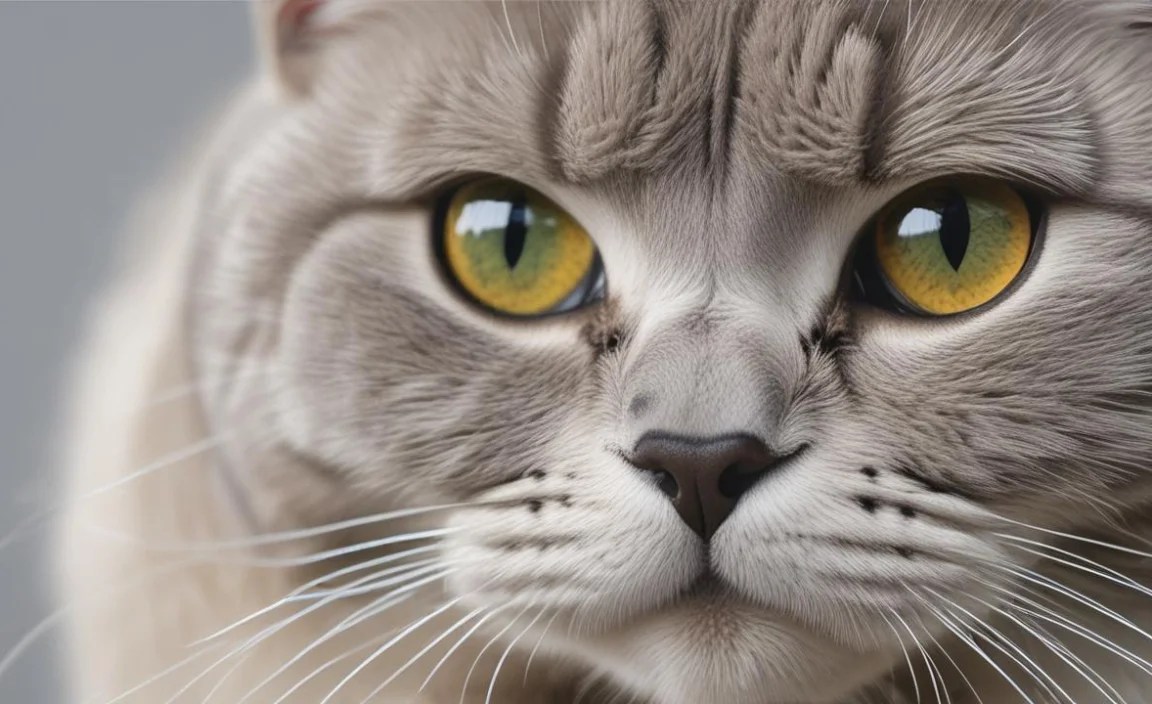
Making bath time easier is possible with a few tricks. Start by getting everything ready before you bring your cat in. Have the shampoo, towels, and a brush ready. This will make the process quicker and less stressful. Fill the tub with a few inches of warm water. Test the water to make sure it’s not too hot or cold. Gently place your cat in the tub. Use a cup to wet their fur. Avoid pouring water directly on their head. Talk to your cat in a calm and soothing voice. This will help them feel more relaxed. With a little preparation, bath time can be a more pleasant experience for both of you.
Drying Your Cat After a Bath
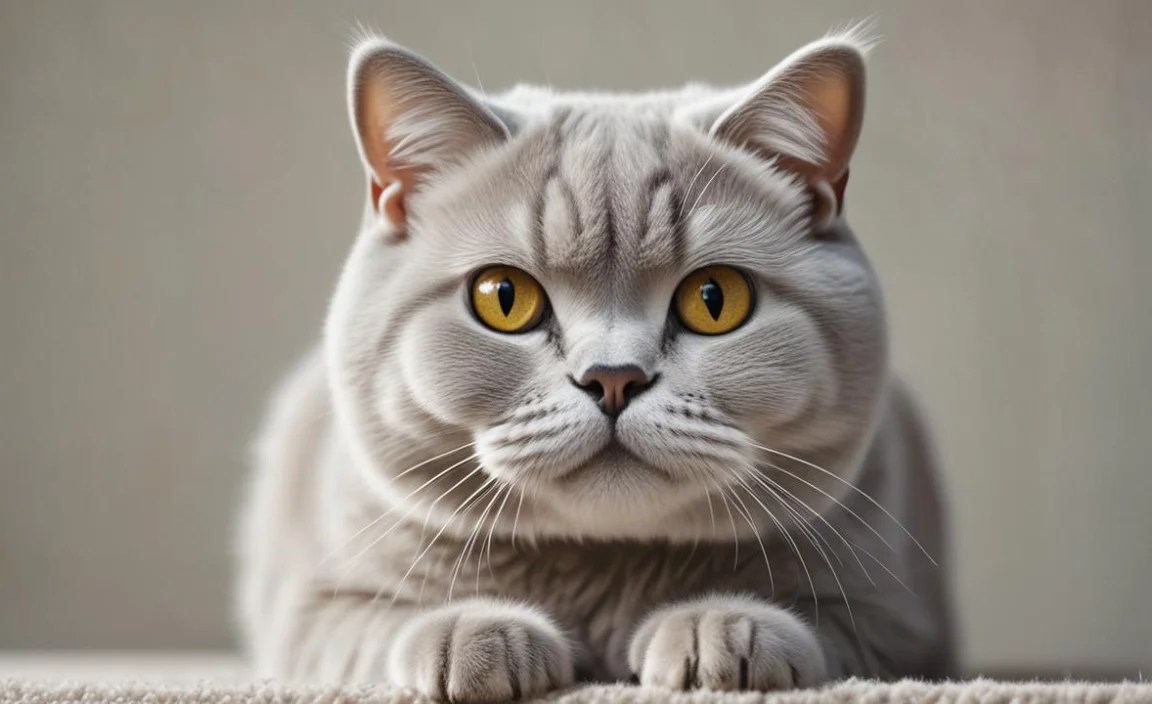
Drying your cat after a bath is important. Wet fur can make them cold. It can also lead to skin problems. Start by wrapping your cat in a soft towel. Gently pat them dry. Avoid rubbing too hard, as this can cause mats. If your cat tolerates it, you can use a hair dryer on a low setting. Keep the dryer moving and don’t hold it too close to their skin. Make sure they are completely dry before letting them go. A warm, dry cat is a happy cat. Drying is a key part of british shorthair hair maintenance. It helps to keep them healthy and comfortable.
Fun Fact or Stat: Some British Shorthairs enjoy playing in water, but most prefer to avoid baths!
Nutrition and Coat Health

Good nutrition is key for a healthy coat. A balanced diet makes a big difference. It helps keep your British Shorthair’s fur shiny and strong. Look for cat food with high-quality ingredients. Protein is very important for coat health. Make sure the food has enough protein. Omega-3 and omega-6 fatty acids are also good. These help keep the skin healthy and the coat shiny. Talk to your vet about the best food for your cat. They can help you choose a food that meets all of your cat’s needs. A healthy diet is an important part of british shorthair hair maintenance. It keeps your cat looking and feeling its best. Don’t forget fresh water, too!
- Feed your cat high-quality cat food.
- Make sure the food has enough protein.
- Look for omega-3 and omega-6 fatty acids.
- Talk to your vet about the best diet.
- Always provide fresh water.
Sometimes, adding supplements can help. Fish oil is a good source of omega-3 fatty acids. This can help improve coat health. But, always talk to your vet before giving your cat supplements. They can tell you if it’s safe and how much to give. Remember, a healthy coat starts from the inside. Good nutrition is the foundation for a shiny and healthy coat. British shorthair hair maintenance includes feeding your cat a balanced diet. This will help them stay healthy and happy. A well-fed cat is a beautiful cat!
The Role of Protein

Protein plays a big role in your cat’s coat health. Hair is made mostly of protein. So, a diet rich in protein is essential. Protein helps to build and repair tissues. This includes the hair follicles. Without enough protein, your cat’s coat can become dull and brittle. Look for cat foods that list meat, fish, or poultry as the first ingredient. These are good sources of protein. Avoid foods that are mostly fillers. Fillers don’t provide much nutrition. A high-protein diet will help your British Shorthair have a healthy and shiny coat. It’s a key part of british shorthair hair maintenance.
The Benefits of Fatty Acids

Fatty acids are very important for your cat’s skin and coat. Omega-3 and omega-6 fatty acids are especially beneficial. These help to keep the skin moisturized. They also reduce inflammation. This can help to prevent skin problems. Fatty acids also make the coat shiny and soft. You can find fatty acids in fish oil, flaxseed oil, and some cat foods. Adding these to your cat’s diet can improve their coat health. Talk to your vet about the right amount for your cat. Fatty acids are a great addition to british shorthair hair maintenance.
Hydration is Key
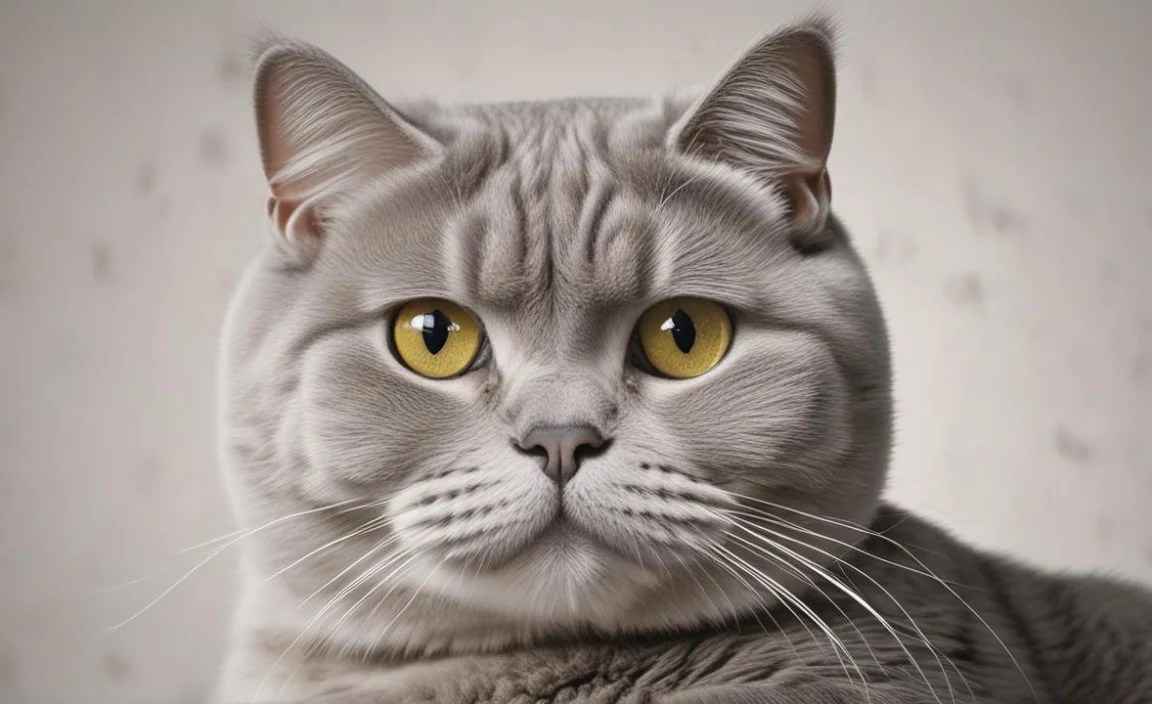
Hydration is just as important as food. Make sure your cat always has access to fresh water. Water helps to keep their skin hydrated. This prevents dryness and itchiness. A dehydrated cat can have a dry and dull coat. Encourage your cat to drink water by providing multiple water bowls. You can also try a water fountain. Some cats prefer running water. If your cat doesn’t drink much, try adding wet food to their diet. Wet food has a higher water content. Keeping your cat hydrated is a simple way to improve their coat health. It’s an important part of british shorthair hair maintenance.
Fun Fact or Stat: A healthy diet can reduce shedding by up to 30% in British Shorthairs!
Dealing with Shedding
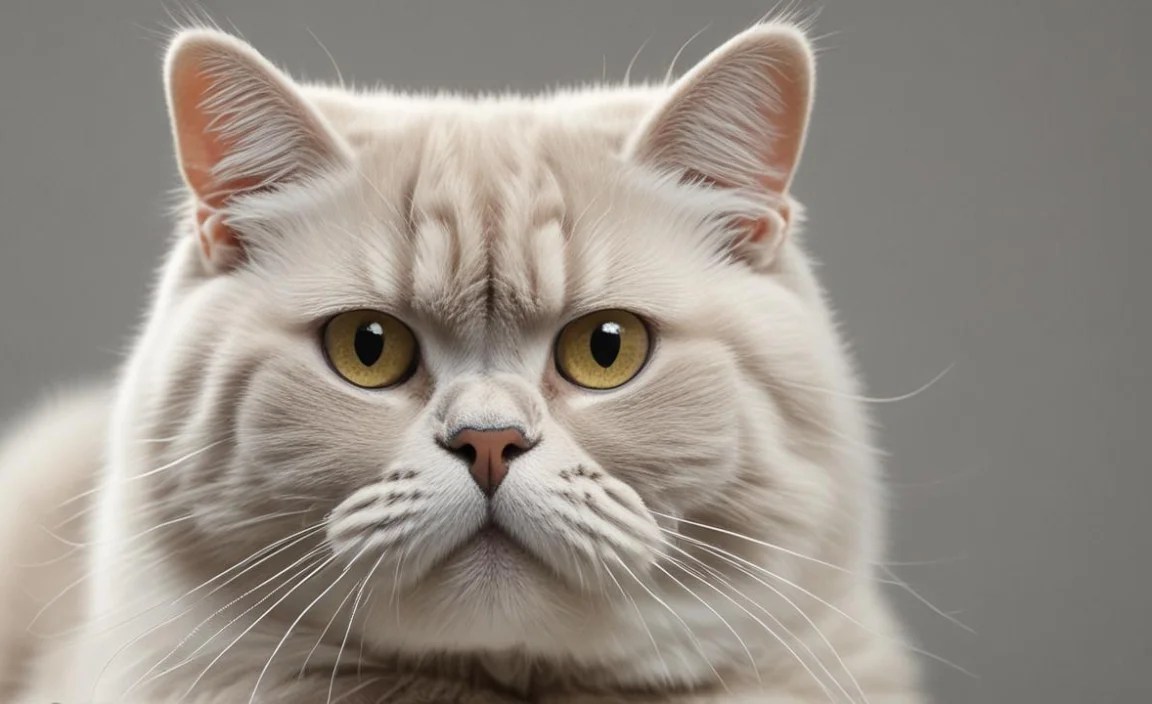
Shedding is a normal part of life for cats. British Shorthairs have a thick coat. So, they can shed quite a bit. Shedding is usually worse in the spring and fall. This is when they change their coats for the season. Regular brushing helps to manage shedding. It removes loose fur before it ends up on your furniture. A good vacuum cleaner is also helpful. Vacuum your home often to remove shed fur. There are also special tools for removing fur from furniture. These can be very useful. British shorthair hair maintenance includes managing shedding. With the right tools and techniques, you can keep your home clean. And keep your cat comfortable.
- Brush your cat regularly to remove loose fur.
- Vacuum your home often.
- Use special tools to remove fur from furniture.
- Consider a shedding supplement after vet approval.
- Keep your cat well-hydrated.
A healthy diet can also help reduce shedding. Make sure your cat is getting enough protein and fatty acids. These nutrients help to keep the coat healthy. This can reduce the amount of shedding. Talk to your vet if you are concerned about your cat’s shedding. They can help you find the best way to manage it. Remember, some shedding is normal. But, excessive shedding could be a sign of a problem. British shorthair hair maintenance involves understanding your cat’s shedding patterns. This way, you can take the best care of their coat.
Understanding Shedding Cycles

Understanding shedding cycles can help you manage your cat’s fur. Cats typically shed more in the spring and fall. This is because they are adjusting to the changing temperatures. In the spring, they shed their winter coat. In the fall, they shed their summer coat. Knowing this can help you prepare for increased shedding. You can brush your cat more often during these times. This will help to remove the loose fur. It will also keep your home cleaner. Being aware of the shedding cycles is a key part of british shorthair hair maintenance.
Tools for Managing Shedding
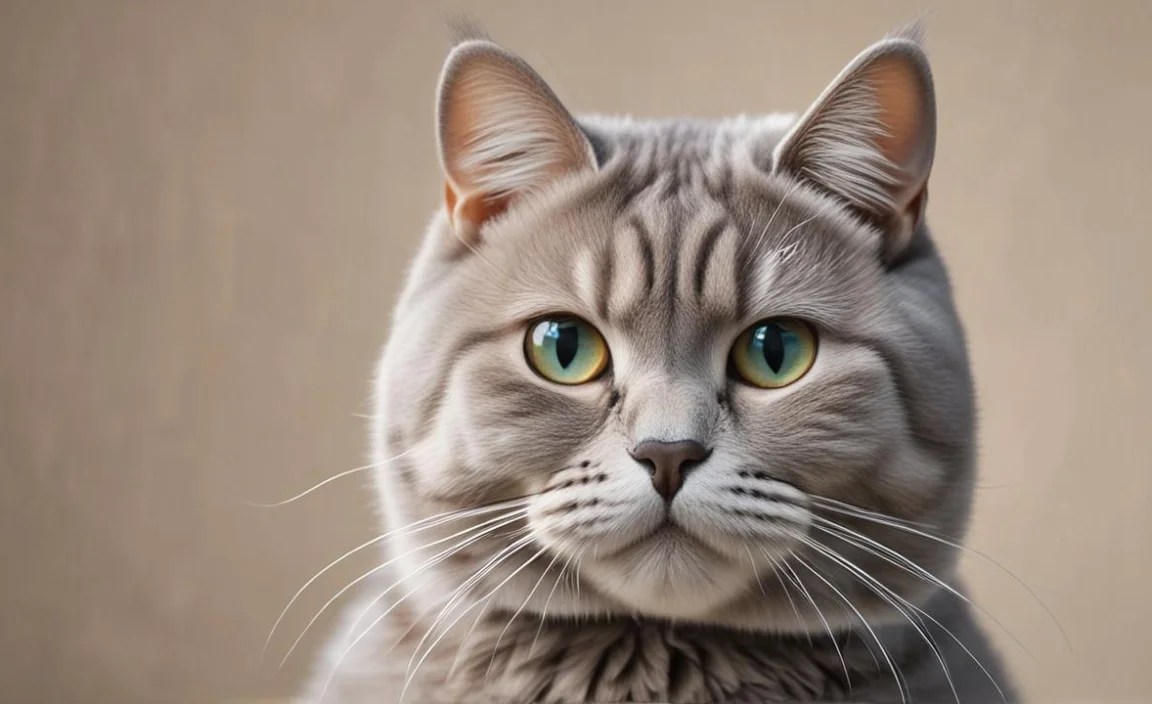
There are many tools that can help you manage shedding. A good brush is essential. Look for one that is designed to remove loose fur. A shedding blade can also be helpful. This tool gently removes dead hair from the coat. A vacuum cleaner with a good filter is also important. This will help to remove fur from your carpets and furniture. There are also special pet hair removers for furniture. These can be very effective. With the right tools, you can keep your home clean and your cat comfortable.
When to See a Vet About Shedding

When should you see a vet about shedding? Some shedding is normal. But, excessive shedding could be a sign of a problem. If your cat is losing a lot of hair, it’s a good idea to see a vet. Other signs to watch out for include skin redness, itching, and bald spots. These could be signs of allergies or a skin infection. Your vet can help you determine the cause of the shedding. They can also recommend the best treatment. Don’t hesitate to seek professional help if you are concerned about your cat’s shedding. It’s an important part of british shorthair hair maintenance.
Fun Fact or Stat: British Shorthairs have a “double coat,” which means they have a dense undercoat that contributes to shedding!
Recognizing and Preventing Mats
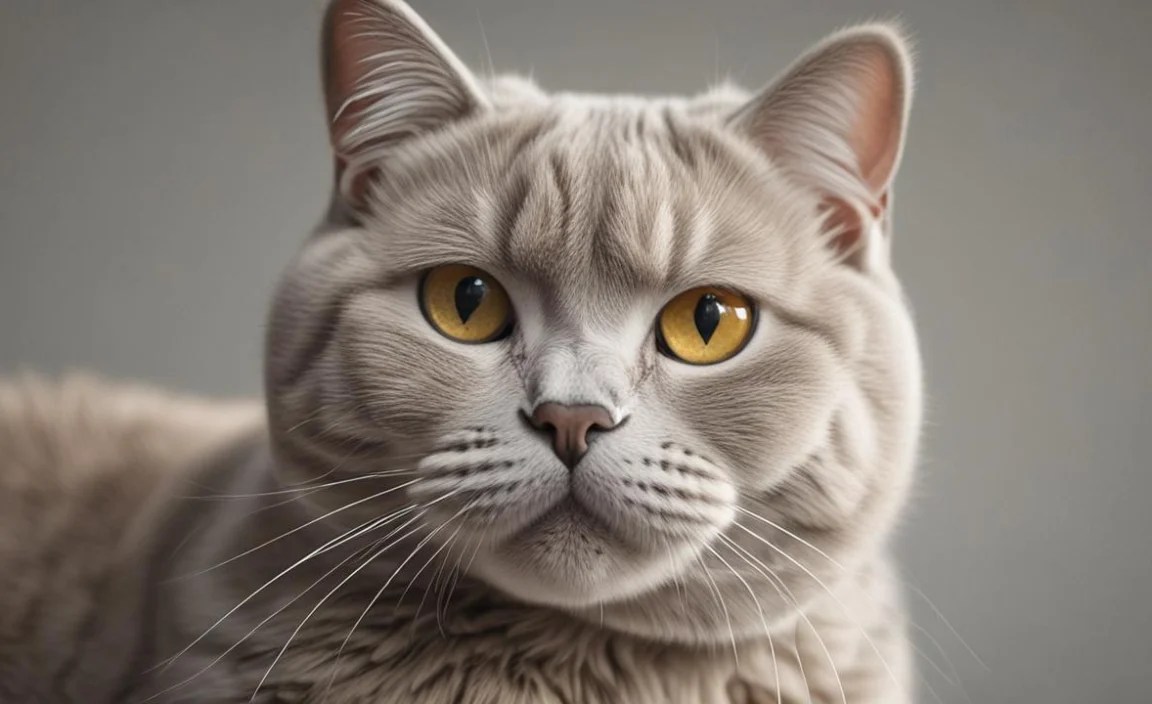
Mats can be a problem for British Shorthairs. Their thick coat can easily get tangled. Mats are clumps of fur that become tightly knotted. They can be painful for your cat. They can also lead to skin problems. Regular brushing is the best way to prevent mats. Pay special attention to areas where mats are likely to form. These include behind the ears, under the legs, and around the tail. If you find a mat, try to gently comb it out. If it’s too tight, you may need to cut it out with scissors. Be very careful not to cut your cat’s skin. British shorthair hair maintenance includes preventing and removing mats. This will keep your cat comfortable and healthy.
| Area | Frequency of Check | Prevention Tips |
|---|---|---|
| Behind Ears | Daily | Gentle brushing, check for moisture |
| Under Legs | Daily | Ensure area is dry, regular grooming |
| Around Tail | Daily | Keep area clean, watch for tangles |
| Belly | Weekly | Gentle brushing, check for mats |
- Brush your cat regularly to prevent mats.
- Pay attention to areas where mats are likely to form.
- Gently comb out any mats you find.
- If a mat is too tight, carefully cut it out.
- Keep your cat’s coat clean and dry.
If your cat is prone to mats, you may want to consider a professional groomer. They can help to keep your cat’s coat in good condition. They can also give you tips on how to prevent mats at home. Remember, british shorthair hair maintenance is about keeping your cat comfortable. Mats can be painful and uncomfortable. So, it’s important to take steps to prevent them. A well-groomed cat is a happy cat. And a happy cat is a healthy cat!
Why Mats Form
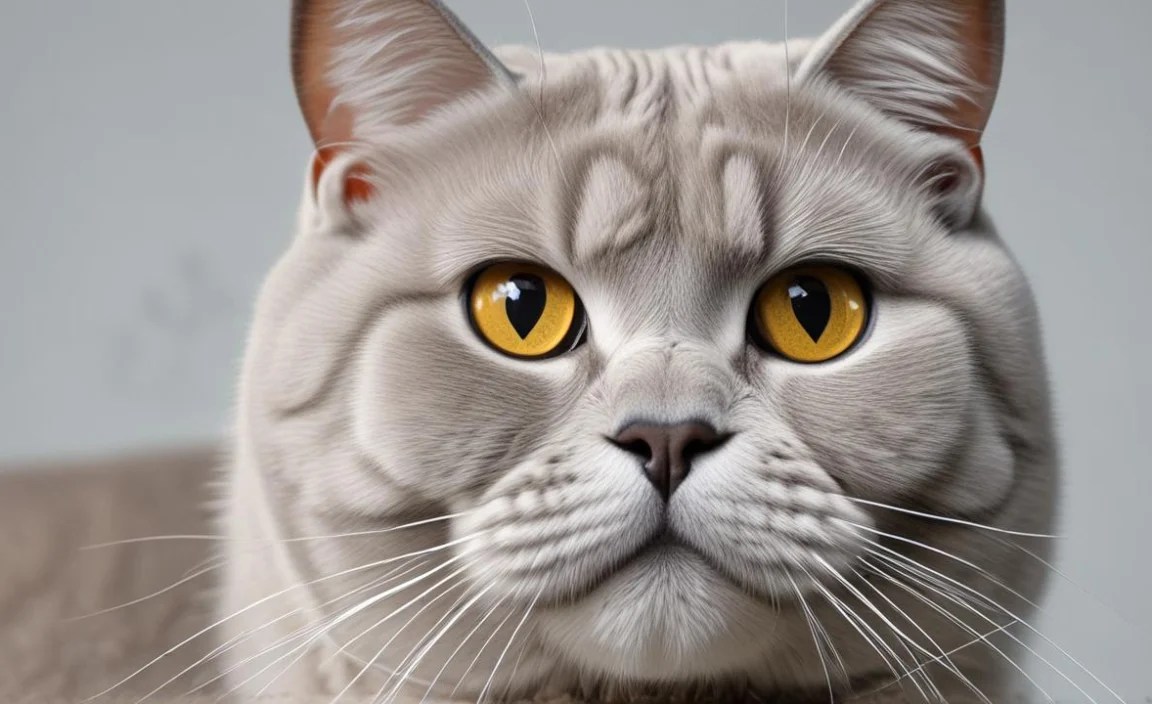
Why do mats form in the first place? Mats form when loose fur becomes tangled and knotted. This can happen when a cat doesn’t groom themselves properly. Or, it can happen if their coat is not brushed regularly. Dirt and moisture can also contribute to mat formation. British Shorthairs have a thick coat. This makes them more prone to mats. The loose fur gets trapped in the dense undercoat. This creates a tangled mess. Regular brushing helps to remove the loose fur. This prevents mats from forming. Understanding why mats form is the first step in preventing them.
Safe Mat Removal Techniques
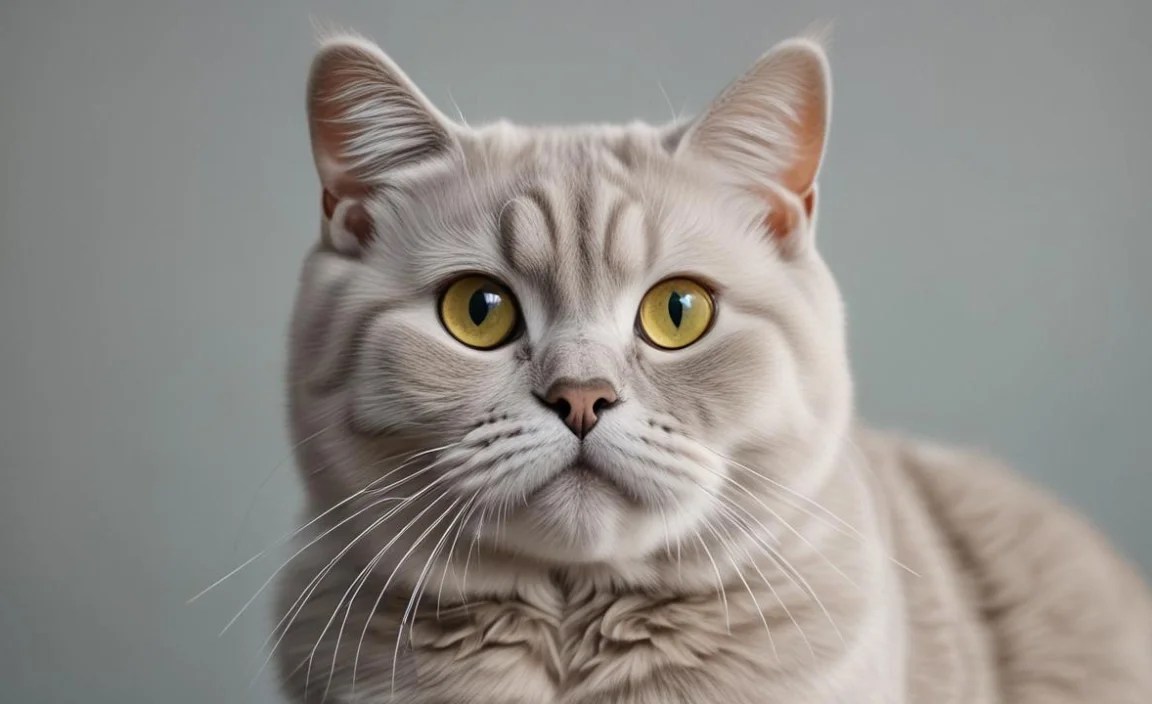
If you find a mat on your cat, it’s important to remove it safely. Never try to pull or tear a mat out. This can be painful for your cat. It can also damage their skin. Instead, try to gently comb it out. Use a wide-toothed comb and work slowly. If the mat is too tight, you may need to use scissors. Be very careful not to cut your cat’s skin. Use blunt-nosed scissors to reduce the risk of injury. You can also try using a mat splitter. This tool helps to break up the mat. Making mat removal safe is a key part of british shorthair hair maintenance.
When to Seek Professional Help
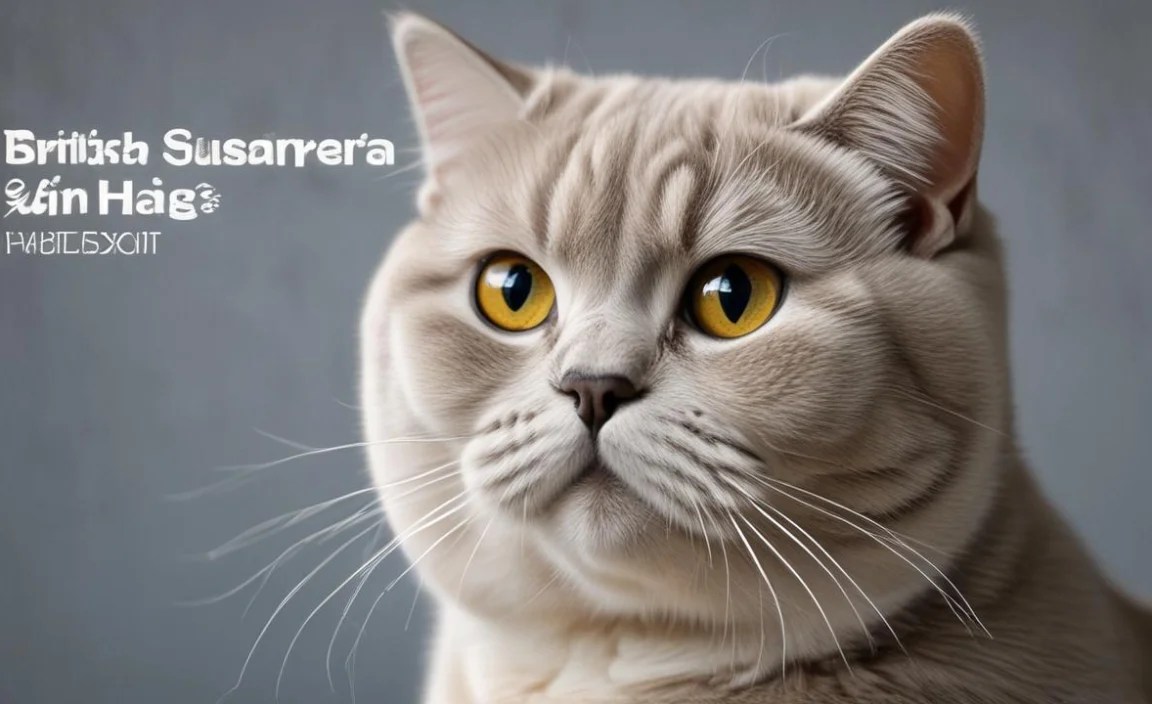
There are times when it’s best to seek professional help for mat removal. If the mats are very large or close to the skin, it’s best to see a groomer. A groomer has the tools and experience to safely remove the mats. They can also help to prevent future mats. If your cat is very sensitive or aggressive, it’s also best to see a groomer. They know how to handle cats gently and safely. Don’t hesitate to seek professional help if you are not comfortable removing the mats yourself. It’s an important part of british shorthair hair maintenance.
Fun Fact or Stat: Mats can weigh down your cat’s fur, making it harder for them to regulate their body temperature!
Grooming Tools for British Shorthairs

Having the right grooming tools makes a big difference. It makes british shorthair hair maintenance easier. A good brush is essential. Look for a soft brush or a grooming mitt. These are gentle on your cat’s skin. A metal comb can also be useful for removing mats. Scissors are needed for cutting out stubborn mats. Make sure they have blunt ends. A vacuum cleaner is important for cleaning up shed fur. A damp cloth can be used for quick cleanups. With the right tools, grooming your British Shorthair will be a breeze. It will also be a more enjoyable experience for both of you.
- Soft brush or grooming mitt.
- Metal comb for removing mats.
- Blunt-ended scissors for cutting mats.
- Vacuum cleaner for cleaning up shed fur.
- Damp cloth for quick cleanups.
When choosing grooming tools, consider your cat’s coat. A British Shorthair has a thick, dense coat. So, you’ll need tools that can handle this type of fur. A good brush will remove loose fur without pulling. A comb will help to detangle any mats. Scissors will help you safely remove any stubborn mats. Remember to clean your grooming tools regularly. This will prevent the spread of bacteria. British shorthair hair maintenance is easier with the right tools. Investing in quality grooming tools is a worthwhile investment.
Choosing the Right Brush
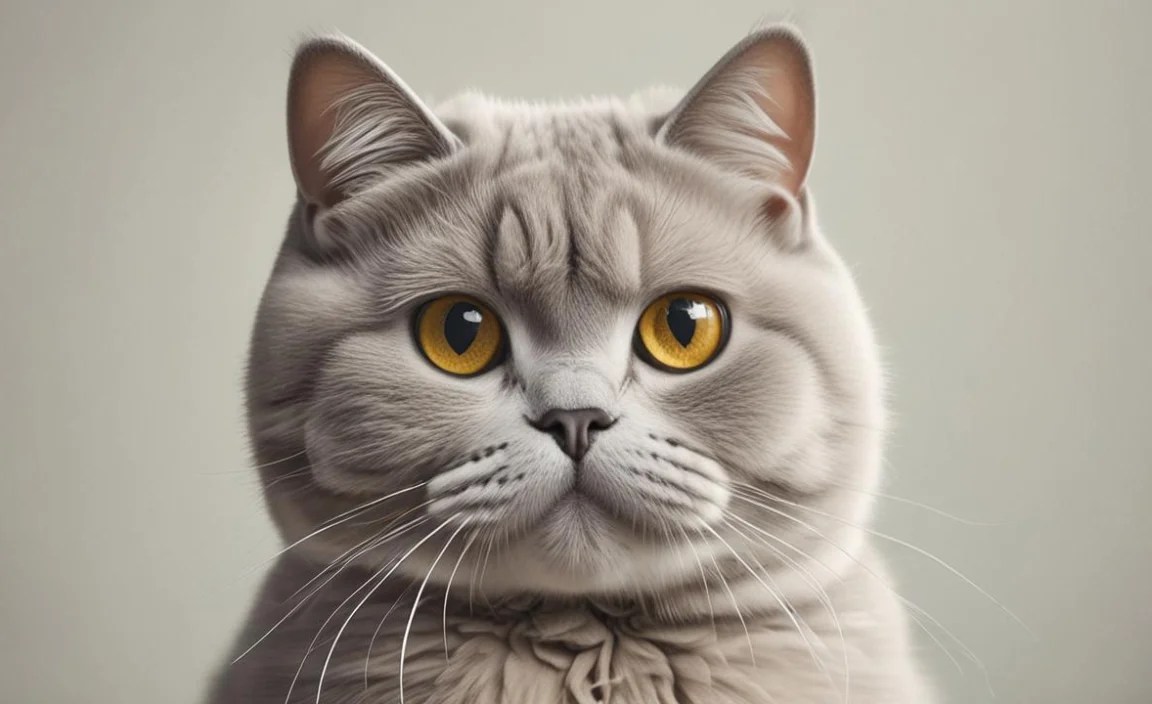
Choosing the right brush is very important. A soft brush is best for British Shorthairs. It will be gentle on their skin. Look for a brush with soft bristles. These will remove loose fur without causing irritation. A grooming mitt is another good option. It’s easy to use and feels good on your cat’s skin. Avoid brushes with hard bristles. These can be painful for your cat. The right brush will make grooming a more pleasant experience. It’s a key part of british shorthair hair maintenance.
The Importance of Combs

Combs are also important grooming tools. A metal comb can help to remove mats and tangles. Look for a comb with wide-spaced teeth. This will make it easier to comb through thick fur. Be gentle when using a comb. You don’t want to hurt your cat. Start by combing through the coat gently. If you find a mat, work slowly to detangle it. A comb is a valuable tool for british shorthair hair maintenance. It helps to keep their coat smooth and healthy.
Essential Cleaning Supplies
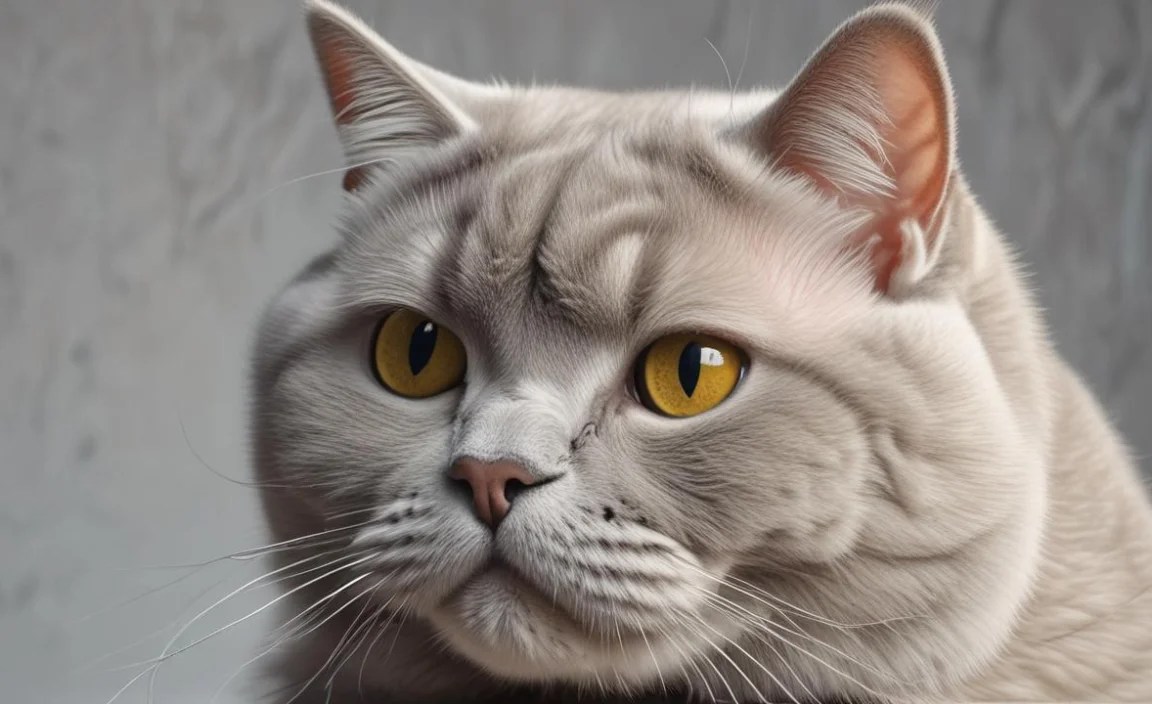
Don’t forget about cleaning supplies! A good vacuum cleaner is essential for cleaning up shed fur. Look for one with a strong suction and a good filter. This will help to remove fur from your carpets and furniture. A damp cloth is also useful for quick cleanups. You can use it to wipe down your cat after a grooming session. You can also use it to clean up any spills. Having the right cleaning supplies will help you keep your home clean and tidy. It’s an important part of british shorthair hair maintenance.
Fun Fact or Stat: Grooming tools should be cleaned regularly to prevent the spread of bacteria and fungi!
Professional Grooming Services
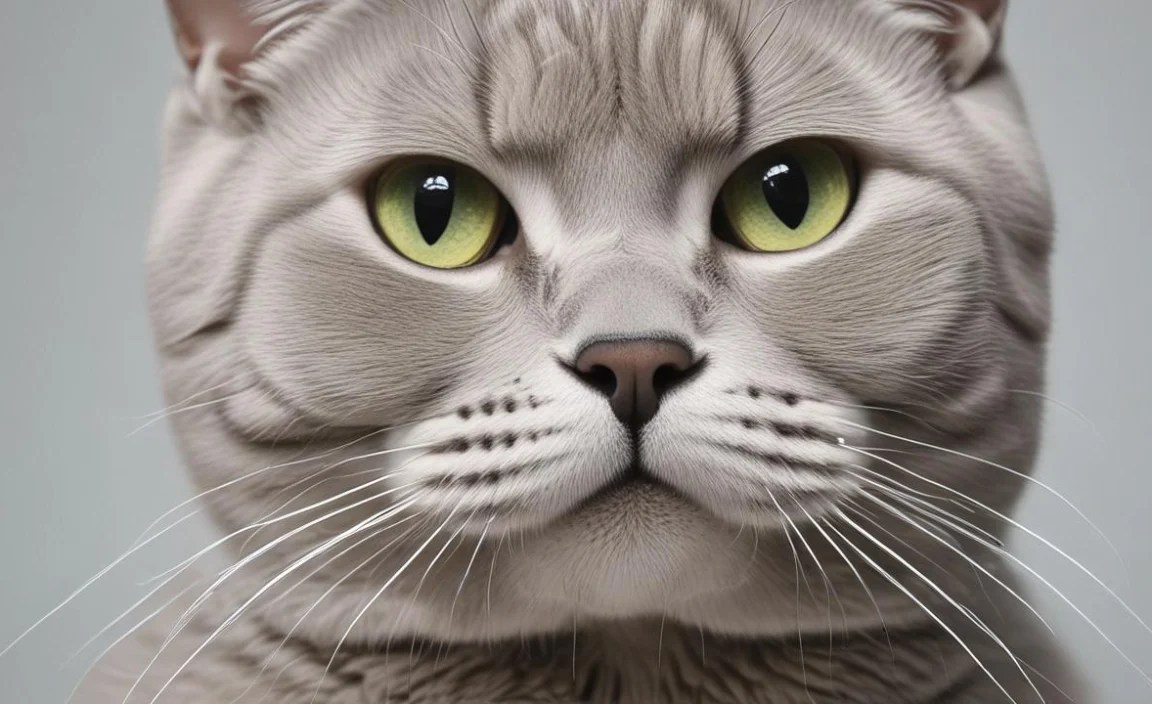
Sometimes, you might need professional help. Professional groomers can provide services you can’t do at home. They can give your cat a thorough bath and grooming. They can also safely remove mats and tangles. Groomers have special tools and experience. They know how to handle cats gently and safely. If you’re not comfortable grooming your cat yourself, consider a professional groomer. It’s a great way to keep your cat looking its best. British shorthair hair maintenance can be easier with professional help. Find a groomer who is experienced with British Shorthairs. This will ensure your cat gets the best care.
- Professional groomers offer thorough grooming services.
- They can safely remove mats and tangles.
- They have special tools and experience.
- Groomers know how to handle cats gently.
- Consider a groomer if you’re not comfortable grooming your cat.
When choosing a groomer, ask for recommendations. Talk to other cat owners in your area. Read online reviews to find a reputable groomer. Make sure the groomer is experienced with British Shorthairs. This will ensure they know how to care for your cat’s coat. A good groomer will make your cat feel comfortable and safe. They will also give you tips on how to care for your cat’s coat at home. British shorthair hair maintenance is a team effort. Work with a groomer to keep your cat looking and feeling its best.
Finding a Reputable Groomer
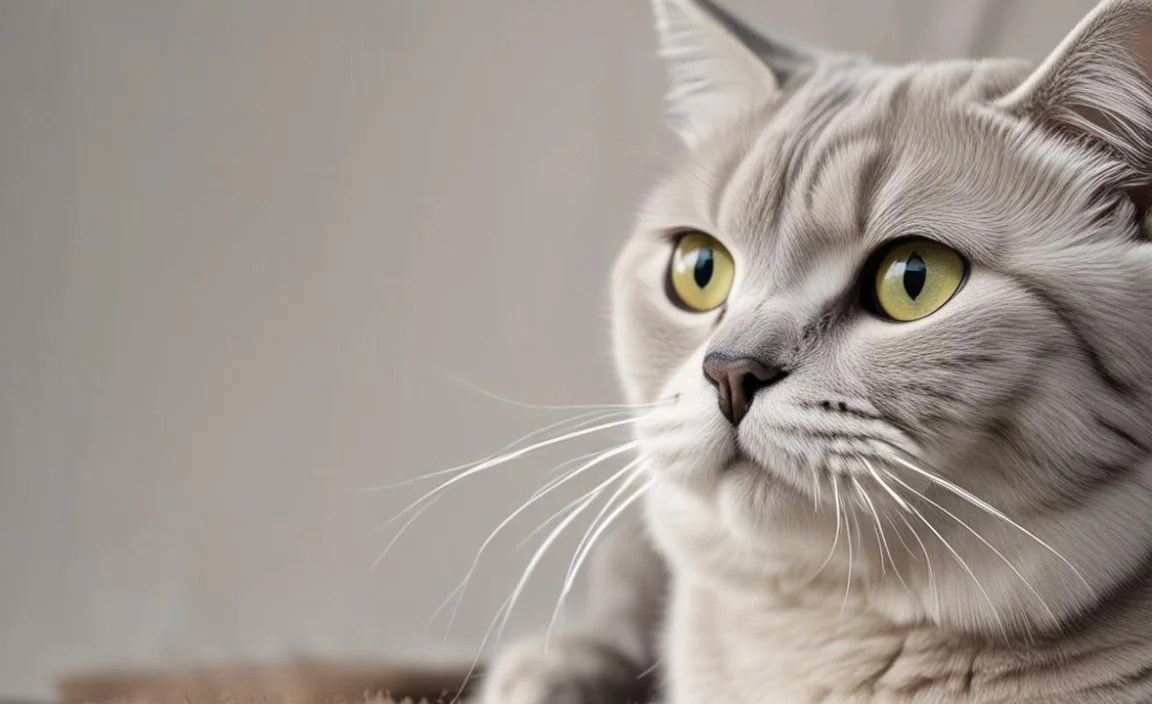
Finding a reputable groomer is important. You want to make sure your cat is in good hands. Ask for recommendations from friends or your vet. Read online reviews to see what other people say about the groomer. Look for a groomer who is certified or has experience with cats. Visit the grooming salon to see if it’s clean and well-maintained. Talk to the groomer about their experience with British Shorthairs. A good groomer will be happy to answer your questions. They will also make you feel comfortable leaving your cat in their care. Finding a good groomer is key to british shorthair hair maintenance.
What to Expect During a Grooming Session

What can you expect during a grooming session? The groomer will start by brushing your cat to remove loose fur. Then, they will bathe your cat using a gentle shampoo. They will carefully dry your cat with a towel and a hair dryer. The groomer will also trim your cat’s nails and clean their ears. If your cat has any mats, the groomer will safely remove them. The grooming session will end with a final brush to make your cat’s coat look its best. The groomer will also give you tips on how to care for your cat’s coat at home. It’s an important part of british shorthair hair maintenance.
Benefits of Professional Grooming

There are many benefits to professional grooming. A groomer can give your cat a more thorough cleaning than you can at home. They can also safely remove mats and tangles. Groomers can identify potential health problems, such as skin infections or parasites. Regular grooming can also help to reduce shedding. This will keep your home cleaner. Professional grooming is a great way to keep your cat looking and feeling its best. It’s an important part of british shorthair hair maintenance.
Fun Fact or Stat: Professional grooming can help detect early signs of skin problems, leading to quicker treatment!
Summary
Proper british shorthair hair maintenance is essential for your cat’s health and happiness. Regular brushing, usually two to three times a week, helps remove loose fur. This prevents mats and keeps their coat shiny. Bathing should only be done when necessary, using a cat-specific shampoo. A balanced diet rich in protein and omega fatty acids supports a healthy coat from the inside out. Managing shedding, especially during seasonal changes, is also key. Recognizing and preventing mats through regular grooming keeps your cat comfortable.
Choosing the right grooming tools, like soft brushes and metal combs, makes maintenance easier. Professional grooming services offer thorough care if you’re not comfortable doing it yourself. By following these tips, you can ensure your British Shorthair’s coat stays beautiful and healthy, contributing to their overall well-being.
Conclusion
Taking care of your British Shorthair’s coat is not difficult. Regular brushing, proper nutrition, and occasional baths are key. These steps keep their fur healthy and shiny. With the right tools and techniques, you can easily manage their grooming needs. Remember, consistent british shorthair hair maintenance improves their overall health. A well-groomed cat is a happy and healthy cat.
Frequently Asked Questions
Question No 1: How often should I brush my British Shorthair?
Answer: You should brush your British Shorthair at least two to three times a week. This helps to remove loose fur and prevent mats. During shedding season, brush them every day. This will help to keep their coat healthy and reduce shedding. Regular brushing also helps to distribute natural oils. These oils keep their coat shiny. Make brushing a positive experience for your cat. This will make it easier to care for their coat. Remember, british shorthair hair maintenance is easier with regular brushing.
Question No 2: Do British Shorthairs need baths?
Answer: British Shorthairs don’t need baths very often. They are very good at keeping themselves clean. Over-bathing can dry out their skin. This can lead to skin problems. Only bathe your cat when they are really dirty. Or, if your vet tells you to. Use a special shampoo for cats. Human shampoo can hurt their skin. Make sure the water is warm, not too hot or cold. Be gentle when washing your cat. Avoid getting water in their eyes and ears. After the bath, dry your cat with a soft towel. You can also use a hair dryer on a low setting.
Question No 3: What kind of brush is best for a British Shorthair?
Answer: A soft brush or grooming mitt is best for a British Shorthair. These are gentle on their skin. They also help to remove loose fur without pulling. A metal comb can also be useful for removing mats. Always be gentle when using a comb. You don’t want to hurt your cat. Try different brushes to see what your cat likes best. Some cats enjoy the feel of a soft brush. Others prefer a grooming mitt. The right brush will make grooming a more pleasant experience for both of you. Choosing the right brush is a key part of british shorthair hair maintenance.
Question No 4: How can I reduce shedding from my British Shorthair?
Answer: Regular brushing is the best way to reduce shedding. Brush your cat two to three times a week. This will remove loose fur before it ends up on your furniture. A healthy diet can also help. Make sure your cat is getting enough protein and fatty acids. These nutrients help to keep the coat healthy. This can reduce the amount of shedding. Vacuum your home often to remove shed fur. With the right tools and techniques, you can manage shedding. British shorthair hair maintenance includes managing shedding to keep your home clean.
Question No 5: How do I remove mats from my British Shorthair’s fur?
Answer: If you find a mat, try to gently comb it out. Use a wide-toothed comb and work slowly. If the mat is too tight, you may need to cut it out with scissors. Be very careful not to cut your cat’s skin. Use blunt-nosed scissors to reduce the risk of injury. You can also try using a mat splitter. This tool helps to break up the mat. Regular brushing helps to prevent mats from forming. If you’re not comfortable removing the mats yourself, see a professional groomer. Remember that proper british shorthair hair maintenance can help prevent mats from forming.
Question No 6: What should I feed my British Shorthair for a healthy coat?
Answer: Feed your British Shorthair a high-quality cat food. Look for food with high-quality ingredients. Protein is very important for coat health. Make sure the food has enough protein. Omega-3 and omega-6 fatty acids are also good. These help keep the skin healthy and the coat shiny. Talk to your vet about the best food for your cat. They can help you choose a food that meets all of your cat’s needs. A healthy diet is an important part of british shorthair hair maintenance. Always provide fresh water.


