
Cat Breeds That Are Good With Other Cats: A Smart Choice?

Cats are cool pets. They can be furry friends. Some cats like other cats. Do you want a cat that gets along? There are many cat breeds that are good with other cats.
Some cats are shy. Others are playful. Some cats love to cuddle. Certain breeds are known to be friendly. These breeds often enjoy having cat friends.
It’s important to know about different breeds. This helps you pick the right cat. A happy cat makes a happy home. So, let’s explore which cats play well together.
Key Takeaways
- Some cat breeds that are good with other cats include Persians and Ragdolls.
- Socialization when they are kittens helps cats get along with others.
- Consider a cat’s personality, not just breed, for compatibility.
- Provide enough space and resources to reduce competition.
- Introducing cats slowly and carefully is key to a peaceful home.
Which Cat Breeds Like Company?

Many people wonder about cat breeds that are good with other cats. Some breeds are naturally more social. They enjoy having feline companions. These cats often grow up in groups. They learn to share and play nicely. Persians are known for their gentle nature. They are usually calm and friendly. Ragdolls are also very relaxed. They often get along well with other pets. Burmese cats are playful and social. They love having friends to play with. It is important to remember that every cat is different. Even within a breed, personalities can vary. Socialization is key for all kittens. If they grow up with other cats, they are more likely to be friendly.
- Persians are gentle and calm.
- Ragdolls are relaxed and friendly.
- Burmese cats are playful.
- Early socialization is important.
- Personalities vary by individual cat.
Choosing cat breeds that are good with other cats involves more than just breed traits. Consider the cat’s history. Was it raised with other cats? Watch the cat’s behavior. Does it seem curious and playful? Or is it shy and scared? A confident and friendly cat is more likely to get along with others. Provide plenty of space for your cats. Make sure they have enough food and water bowls. Offer multiple litter boxes. This helps reduce competition. Introduce new cats slowly. Let them sniff each other under the door first. Supervise their first meetings. With patience and care, you can create a happy multi-cat home.
Are Some Cats Just More Friendly?
Have you ever wondered why some cats seem to love everyone while others prefer to be alone? Some cats are just born with a more social personality. They are curious and outgoing. They enjoy meeting new people and animals. These cats often had positive experiences as kittens. They learned that interacting with others is fun and safe. On the other hand, some cats are more cautious. They might have had scary experiences in the past. They may need more time to warm up to new friends. It’s important to respect each cat’s individual personality. Don’t force them to interact if they are not comfortable.
How Does Kittenhood Affect Sociability?
Imagine a group of kittens playing together. They chase each other, wrestle, and groom each other. This is how they learn important social skills. Kittenhood is a critical time for socialization. Kittens that grow up with other cats learn how to share, communicate, and play nicely. They are more likely to be friendly and confident as adults. Kittens that are raised alone may miss out on these important lessons. They might be more shy or fearful around other cats. However, it’s never too late to help a cat become more social. With patience and positive reinforcement, you can help your cat learn to enjoy the company of others.
Can You Train a Cat to Be More Social?
Many people think cats are untrainable. But you can teach cats new things! Training can help a cat become more social. Use positive reinforcement. Reward your cat for good behavior. Give treats when your cat is calm around other cats. Never punish your cat for being scared or aggressive. This will only make things worse. Create a safe and comfortable environment. Provide plenty of hiding places where your cat can retreat if it feels overwhelmed. Start slowly. Let your cats interact for short periods of time. Gradually increase the amount of time they spend together. With patience and consistency, you can help your cat learn to enjoy the company of others.
Fun Fact or Stat: Studies show that cats adopted in pairs are often more well-adjusted than single cats!
Best Cat Breeds for Multi-Cat Homes

When looking for cat breeds that are good with other cats, consider breeds known for their friendly and adaptable nature. Some breeds thrive in multi-cat households due to their inherent sociability and tolerance. The Ragdoll is a prime example. They are known for their gentle demeanor and love for companionship. They often seek out other cats for play and cuddles. Burmese cats are also excellent choices. They are playful, energetic, and enjoy interacting with feline friends. Abyssinians are curious and active cats. They love to explore and play with other cats. These breeds are generally more accepting of new feline additions to the family.
- Ragdolls love companionship.
- Burmese cats are playful and energetic.
- Abyssinians are curious and active.
- These breeds adapt well.
- Consider their social needs.
However, remember that breed is just one factor. Individual personality plays a significant role. Even within these cat breeds that are good with other cats, some cats may prefer solitude. When introducing a new cat, do it slowly. Keep them separated at first. Let them get used to each other’s scents. Gradually introduce them in a controlled environment. Supervise their interactions. Ensure there are enough resources. Provide multiple food and water bowls. Have plenty of litter boxes and scratching posts. This reduces competition and promotes harmony. With careful planning, you can create a happy and peaceful multi-cat home, no matter the breeds involved.
What Makes Ragdolls So Friendly?
Have you ever met a Ragdoll cat? They are known for their sweet and gentle personalities. They often go limp when you pick them up, like a rag doll! This is where they get their name. Ragdolls are very affectionate and love to be around people. They also tend to get along well with other cats. They are not typically territorial or aggressive. They enjoy playing and cuddling with their feline friends. Ragdolls are a great choice for families with multiple cats. They bring a calm and loving presence to any home. Do you think a Ragdoll would be a good fit for your family?
Why Are Burmese Cats So Playful?
Imagine a cat that never seems to run out of energy. That’s a Burmese! These cats are known for their playful and mischievous personalities. They love to explore, climb, and play games. They also enjoy the company of other cats. Burmese cats are very social and thrive in multi-cat households. They will often initiate play and engage other cats in fun activities. If you are looking for a cat that will keep you and your other pets entertained, a Burmese might be the perfect choice. But be prepared for lots of activity and fun!
Are Abyssinians Always on the Go?
Abyssinians are often described as the “clowns” of the cat world. They are curious, intelligent, and always on the go. They love to explore their surroundings and get into everything. They also enjoy the company of other cats. Abyssinians are very social and need plenty of interaction and stimulation. They will often play and explore with other cats in the household. If you are looking for a cat that will keep you on your toes and bring lots of excitement to your home, an Abyssinian might be a great fit. Just make sure you have plenty of toys and climbing structures to keep them entertained!
Fun Fact or Stat: Ragdolls are often called “puppy cats” because they love to follow their owners around and greet them at the door!
Introducing Cats to Ensure Harmony

Introducing cats can be tricky. Even with cat breeds that are good with other cats, a careful approach is key. A slow and gradual introduction minimizes stress. It allows cats to adjust at their own pace. Start by keeping the cats separate. Use different rooms. Let them get used to each other’s scent. Feed them near the closed door. This creates positive association with each other’s presence. After a few days, swap their bedding. This helps them become familiar with each other’s scent. Allow short, supervised visits. Keep them on opposite sides of the room. Gradually increase the time they spend together.
- Keep cats separate at first.
- Feed them near the closed door.
- Swap their bedding for scent familiarity.
- Supervise short, gradual visits.
- Provide plenty of resources.
Always supervise their interactions. Watch for signs of stress. Hissing, growling, and swatting are signs of discomfort. Separate them immediately if you see these behaviors. Provide plenty of resources. Ensure enough food and water bowls. Have multiple litter boxes and scratching posts. Vertical space is important. Cats love to climb. Offer cat trees and shelves. This allows them to escape and observe from a safe distance. Patience is crucial. It can take weeks or even months for cats to fully accept each other. Never force interactions. Let them adjust at their own pace. With a calm and patient approach, even cat breeds that are good with other cats can live harmoniously.
How Long Should the Separation Period Last?
Imagine you are moving into a new house. You would not want to be thrown into a party with strangers on your first day. You would need time to adjust. Cats are the same way. The separation period is crucial for a successful introduction. It allows cats to get used to each other’s scent without a face-to-face confrontation. A good separation period lasts at least a few days. For some cats, it may take a week or two. Watch your cats’ behavior. Are they eating and sleeping normally? Are they curious about the scent under the door? These are good signs. If they seem stressed or anxious, extend the separation period. Patience is key!
What Are Signs of Stress in Cats?
Cats can’t tell us how they feel in words. We need to learn to read their body language. A stressed cat may hiss, growl, or swat. It may flatten its ears or tuck its tail. It may also hide or avoid interaction. Some cats may show subtle signs of stress. They may overgroom themselves, causing bald spots. They may stop eating or using the litter box. If you notice any of these signs, take action. Separate the cats and provide a safe and comfortable environment. Consult with a veterinarian or a cat behaviorist for advice.
How Important Is Vertical Space?
Think of a cat tree as a castle for your cat. It provides a safe and elevated space where they can observe their surroundings. Vertical space is very important in a multi-cat household. It allows cats to escape from each other if they feel overwhelmed. It also provides a sense of security and control. Cats love to climb and perch on high places. This is a natural instinct. Provide plenty of cat trees, shelves, and window perches. This will help reduce stress and competition among your cats. A happy cat is a cat that feels safe and secure.
Fun Fact or Stat: Cats have scent glands on their cheeks, paws, and flanks. They use these glands to mark their territory and communicate with other cats!
Creating a Cat-Friendly Environment
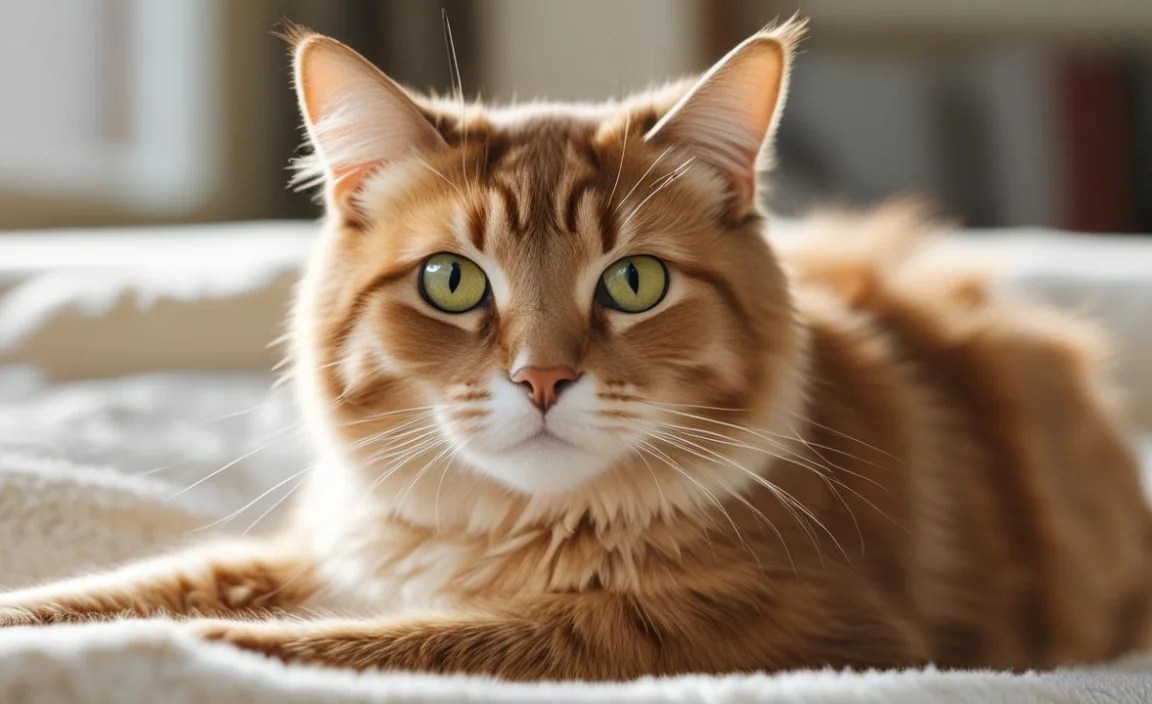
A cat-friendly environment is essential. This is especially important when you have cat breeds that are good with other cats. It minimizes stress. It encourages positive interactions. Provide plenty of resources. Each cat needs its own food and water bowl. Multiple litter boxes are a must. The rule of thumb is one litter box per cat, plus one extra. Scratching posts are important. Cats need to scratch. This helps them maintain their claws. It also marks their territory. Provide a variety of scratching surfaces. Offer both vertical and horizontal options.
- Provide enough food and water.
- Have multiple litter boxes.
- Offer a variety of scratching posts.
- Create hiding places and safe zones.
- Ensure plenty of toys and play opportunities.
Create hiding places and safe zones. Cats need a place to retreat when they feel overwhelmed. Offer cat caves, tunnels, and covered beds. Ensure plenty of toys and play opportunities. Interactive toys are great for bonding. Rotate the toys regularly to keep things interesting. Play with your cats individually. This helps them feel loved and secure. A well-designed environment can make a big difference. Even cat breeds that are good with other cats will benefit. It promotes harmony and reduces conflict. A happy environment leads to happy cats.
Why Are Multiple Litter Boxes Necessary?
Imagine having to share a bathroom with several other people. It would not be very pleasant! Cats feel the same way about litter boxes. Multiple litter boxes are essential in a multi-cat household. It reduces competition and stress. Some cats are very particular about their litter boxes. They may not want to share with other cats. Having multiple boxes ensures that each cat has a clean and private place to go. A good rule of thumb is to have one litter box per cat, plus one extra. Place the litter boxes in different locations. This gives cats more options.
How Do Scratching Posts Help?
Think of scratching posts as a cat’s way of communicating. Cats scratch for several reasons. They scratch to maintain their claws. They also scratch to stretch their muscles. Scratching marks their territory. It leaves both a visual and a scent message for other cats. Providing scratching posts can help prevent destructive scratching. Cats are more likely to scratch furniture if they don’t have a suitable alternative. Offer a variety of scratching surfaces. Some cats prefer vertical posts. Others prefer horizontal surfaces. Experiment to see what your cats like best.
What Makes a Good Safe Zone for a Cat?
Imagine having a special place where you can go to relax and feel safe. Cats need safe zones too. A safe zone is a place where a cat can retreat when it feels overwhelmed or stressed. It should be a quiet and comfortable space. It should be easily accessible to the cat. Provide a cat cave, a covered bed, or a cardboard box. Place the safe zone in a quiet area of the house. Make sure other cats cannot access the safe zone. This will help the cat feel secure and protected. A good safe zone can make a big difference in a cat’s well-being.
Fun Fact or Stat: Cats sleep an average of 12-16 hours per day. They need a comfortable and safe place to rest!
Dealing with Cat Conflicts
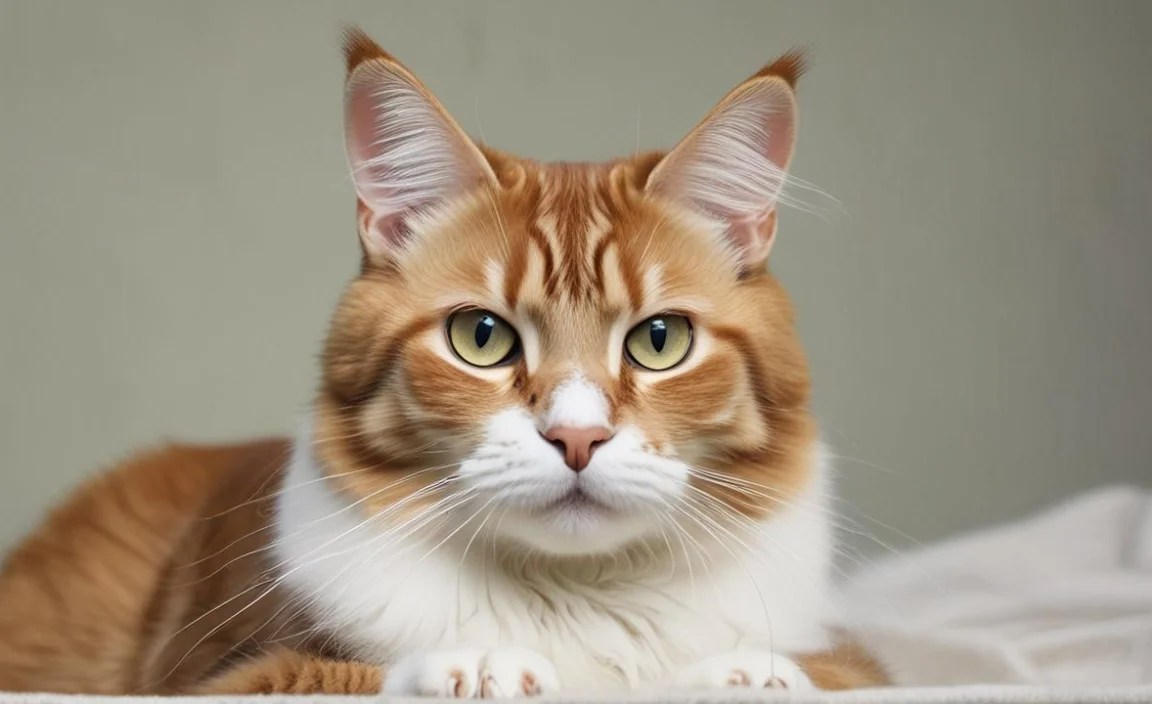
Even with cat breeds that are good with other cats, conflicts can arise. Knowing how to handle these situations is important. First, identify the cause of the conflict. Is it resource guarding? Are they competing for attention? Is one cat bullying the other? Once you know the cause, you can take steps to address it. Never punish your cats for fighting. This will only make them more stressed and anxious. Instead, focus on creating a more harmonious environment. Provide more resources. Separate the cats when you are not around to supervise.
- Identify the cause of the conflict.
- Never punish your cats.
- Provide more resources.
- Separate cats when unsupervised.
- Seek professional help if needed.
If the conflict is severe or persistent, seek professional help. A veterinarian or a cat behaviorist can provide guidance. They can help you identify underlying medical or behavioral issues. They can also recommend strategies for managing the conflict. Sometimes, medication may be necessary. This is especially true if one of the cats is suffering from anxiety or aggression. Remember, it takes time and patience to resolve cat conflicts. Don’t give up. With the right approach, you can help your cats live together peacefully. Even the friendliest cat breeds that are good with other cats need help sometimes.
What Is Resource Guarding?
Imagine someone taking your favorite toy or food. You would probably be upset! Cats can feel the same way about their resources. Resource guarding is when a cat becomes possessive of something. This could be food, water, toys, or even a favorite spot. The cat may hiss, growl, or swat at other cats who come near its resources. Resource guarding can lead to conflict and stress in a multi-cat household. To prevent resource guarding, provide plenty of resources. Make sure each cat has its own food and water bowl. Place the resources in different locations. Avoid feeding cats near each other.
How Can You Tell if One Cat Is Bullying Another?
Bullying is not just a problem for humans. Cats can also be bullies. A bully cat may stalk, chase, or block another cat. It may also steal the other cat’s food or prevent it from using the litter box. The victimized cat may become withdrawn, anxious, or depressed. It may also start hiding or avoiding interaction. If you suspect one cat is bullying another, take action. Separate the cats immediately. Provide the victimized cat with a safe zone where it can retreat. Work with a veterinarian or a cat behaviorist to address the bully cat’s behavior.
When Is Medication Necessary?
Sometimes, behavioral problems are caused by underlying medical issues. A cat that is in pain may become irritable or aggressive. A cat that is anxious may exhibit destructive behaviors. In these cases, medication may be necessary. Antidepressants and anti-anxiety medications can help calm a cat and reduce its stress levels. Medication should always be used in conjunction with behavioral therapy. A veterinarian can help you determine if medication is right for your cat. Never give your cat human medication. This can be dangerous.
Fun Fact or Stat: Cats can make over 100 different sounds, while dogs can only make about 10!
Considering Personality Over Breed
While some cat breeds that are good with other cats are known to be more social, personality trumps breed. Every cat is an individual. Some cats, regardless of breed, may prefer to be the only cat in the household. Other cats may thrive in a multi-cat environment. When choosing a cat, consider its personality. Spend time with the cat before bringing it home. Observe its behavior. Does it seem friendly and outgoing? Or is it shy and withdrawn? A confident and playful cat is more likely to get along with other cats.
- Personality is key, not just breed.
- Spend time with the cat.
- Observe its behavior.
- Consider the cat’s history.
- Be prepared for adjustments.
Consider the cat’s history. Was it raised with other cats? Has it had positive experiences with other felines? A cat that has been socialized with other cats is more likely to be friendly. Be prepared for adjustments. Even the friendliest cats may need time to adjust to a new home and new feline companions. Be patient. Provide plenty of love and attention. With the right approach, you can create a happy and harmonious multi-cat household. Remember, even cat breeds that are good with other cats need individual attention.
Can an Older Cat Adjust to a Kitten?
Imagine being an older cat who has enjoyed years of peace and quiet. Then, suddenly, a playful kitten arrives. It can be a big adjustment! Some older cats may welcome the kitten with open paws. Others may be more resistant. It’s important to introduce them slowly and carefully. Give the older cat plenty of attention and reassurance. Provide a safe zone where it can retreat from the kitten’s antics. With patience and understanding, most older cats can learn to tolerate, if not love, a new kitten.
What if a Cat Just Prefers to Be Alone?
Some cats are just naturally solitary creatures. They may prefer to be the only cat in the household. They may not enjoy the company of other cats. That’s okay! It’s important to respect a cat’s individual personality. Don’t force it to interact with other cats if it doesn’t want to. Provide it with plenty of love, attention, and enrichment. A happy and content solo cat can be just as rewarding as a multi-cat household.
How Can You Tell if a Cat Is Truly Happy?
A happy cat is a joy to be around. But how can you tell if a cat is truly happy? Look for signs of contentment. A happy cat will purr, knead, and rub against you. It will have a relaxed body posture and bright, alert eyes. It will eat and sleep normally. It will also play and explore its environment. If your cat exhibits these behaviors, you can be confident that it is happy and well-adjusted.
Fun Fact or Stat: A cat’s purr vibrates at a frequency of 25-150 Hertz, which is thought to promote healing and pain relief!
Summary
Choosing cat breeds that are good with other cats means understanding their social nature. Breeds like Ragdolls, Persians, and Burmese cats are often more accepting of feline companions. Yet, personality trumps breed. A cat’s individual temperament and history play significant roles. Socialization during kittenhood is crucial. It helps cats learn how to interact positively with others. Introducing new cats slowly and carefully minimizes stress. Provide plenty of resources, like food bowls, litter boxes, and scratching posts. This reduces competition. Vertical space and safe zones allow cats to retreat and observe. Addressing conflicts promptly and seeking professional help when needed ensures a harmonious multi-cat home.
Remember, creating a cat-friendly environment is key. This involves providing enough resources, safe spaces, and play opportunities. Even with the friendliest breeds, conflicts can arise. Identifying the cause of the conflict and addressing it appropriately is essential. Never punish your cats for fighting. Instead, focus on creating a more harmonious environment. With patience, understanding, and a well-designed home, you can create a happy and peaceful multi-cat household.
Conclusion
Finding cat breeds that are good with other cats can make your home happier. Socialization, careful introductions, and enough resources are important. Watch their behavior. Give them space. Be patient. A well-planned environment helps. Remember, personality matters most. Love and attention go a long way. Create a calm home. Your cats will thank you.
Frequently Asked Questions
Question No 1: Which cat breed is known to be the friendliest with other cats?
Answer: Ragdolls are often considered one of the friendliest cat breeds that are good with other cats. They are known for their gentle and docile nature. They tend to get along well with other cats and even dogs. Ragdolls are affectionate and enjoy companionship, making them a great addition to a multi-pet household. However, remember that individual personalities can vary, so it’s important to consider the specific cat’s temperament, not just the breed. Early socialization also plays a key role in how well a cat gets along with others.
Question No 2: How can I introduce a new cat to my existing cat?
Answer: Introducing a new cat to an existing cat requires patience and a gradual approach. Start by keeping the cats separated in different rooms. Allow them to get used to each other’s scent by swapping bedding. Feed them near the closed door. This creates positive associations. After a few days, allow short, supervised visits. Watch their body language. If they seem stressed, separate them immediately. Gradually increase the time they spend together. Provide plenty of resources, like food, water, and litter boxes. Never force interactions. Let them adjust at their own pace. This will help you find out if you have cat breeds that are good with other cats.
Question No 3: What are some signs that my cats are not getting along?
Answer: There are several signs that indicate your cats are not getting along. These include hissing, growling, swatting, chasing, and blocking. You might also notice one cat avoiding the other. Other signs include changes in appetite or litter box habits. One cat might overgroom itself. If you observe any of these behaviors, it’s important to intervene. Separate the cats. Provide more resources. Consult with a veterinarian or a cat behaviorist. Ignoring these signs can lead to increased stress and anxiety for your cats. Even cat breeds that are good with other cats can have disagreements sometimes.
Question No 4: Is it better to get two kittens at the same time?
Answer: Getting two kittens at the same time can be a great idea. Kittens that grow up together often form a strong bond. They learn social skills from each other. They also provide each other with companionship and play. However, it’s important to choose kittens with compatible personalities. Make sure they have plenty of space and resources. Introduce them slowly. Supervise their interactions. If you decide to get two kittens, consider adopting siblings. They are already familiar with each other. This can make the transition easier. This is especially helpful if you aren’t selecting from the most sociable cat breeds that are good with other cats.
Question No 5: How can I create a more cat-friendly environment?
Answer: Creating a cat-friendly environment involves providing plenty of resources and opportunities for cats to express their natural behaviors. Provide multiple litter boxes, food and water bowls, and scratching posts. Offer vertical space, such as cat trees and shelves. Create hiding places and safe zones. Play with your cats regularly. Provide interactive toys. Keep the environment clean and stimulating. Avoid using harsh chemicals or strong scents. A well-designed environment can reduce stress and promote harmony among cats. Even if you choose cat breeds that are good with other cats, they’ll appreciate a well-designed home.
Question No 6: Should I let my cats “work it out” if they are fighting?
Answer: No, you should not let your cats “work it out” if they are fighting. Allowing cats to fight can lead to injuries, increased stress, and a breakdown in their relationship. It’s important to intervene and separate the cats. Identify the cause of the conflict. Address it appropriately. Provide more resources. Consult with a veterinarian or a cat behaviorist. Allowing cats to fight can create a negative association with each other. It can also make it more difficult to resolve the conflict in the future. Remember, even if you have cat breeds that are good with other cats, you should still intervene in fights.


