
British Shorthair Kittens Care: The Ultimate Guide

Have you ever seen a kitten with big, round eyes and a fluffy coat? That might be a British Shorthair! These cats are known for their sweet faces and calm nature. Bringing one home means you need to know about british shorthair kittens care. It’s a big job, but it’s also lots of fun!
Are you ready to learn how to keep your new furry friend happy and healthy? Let’s explore what it takes to give the best british shorthair kittens care.
Key Takeaways
- Proper british shorthair kittens care includes regular vet visits and vaccinations.
- Feed your kitten high-quality kitten food to support their growth.
- Make sure your kitten has fresh water and a clean litter box daily.
- British Shorthairs need gentle grooming to keep their coat healthy.
- Provide lots of playtime and love to help your kitten feel secure.
Understanding British Shorthair Kittens Care

Bringing home a new kitten is super exciting! British Shorthairs are special. They have unique needs. British shorthair kittens care starts with understanding their breed. These kittens are known for being calm and friendly. They grow into sturdy, medium-sized cats. Knowing what to expect helps you prepare. It is also important to create a safe and loving home. Think about their diet. Plan for vet visits. Make sure you have the right toys. These fluffy friends need lots of attention. You must give them the best start possible. This will ensure they grow into happy, healthy cats. Are you ready to make a difference in a kitten’s life? It’s all about learning and loving.
- British Shorthairs are known for their calm nature.
- They have a dense, plush coat that needs grooming.
- These kittens grow into medium-sized, sturdy cats.
- They are generally healthy but can have breed-specific issues.
- Early socialization helps them become well-adjusted cats.
Proper british shorthair kittens care also involves understanding their health. British Shorthairs can be prone to certain genetic conditions. Hypertrophic cardiomyopathy (HCM) is one of them. It is a heart disease. Polycystic kidney disease (PKD) is another concern. Regular check-ups with a vet can help catch these issues early. A good breeder will screen for these diseases. This helps ensure your kitten is healthy. Knowing the potential health problems helps you provide the best care. You will also be able to seek treatment when needed. Remember, a healthy kitten is a happy kitten. With the right british shorthair kittens care, your furry friend will thrive. They will bring you years of joy and companionship.
Fun Fact or Stat: British Shorthairs are one of the oldest cat breeds in England, dating back to the first century AD!
Creating a Safe Kitten Environment
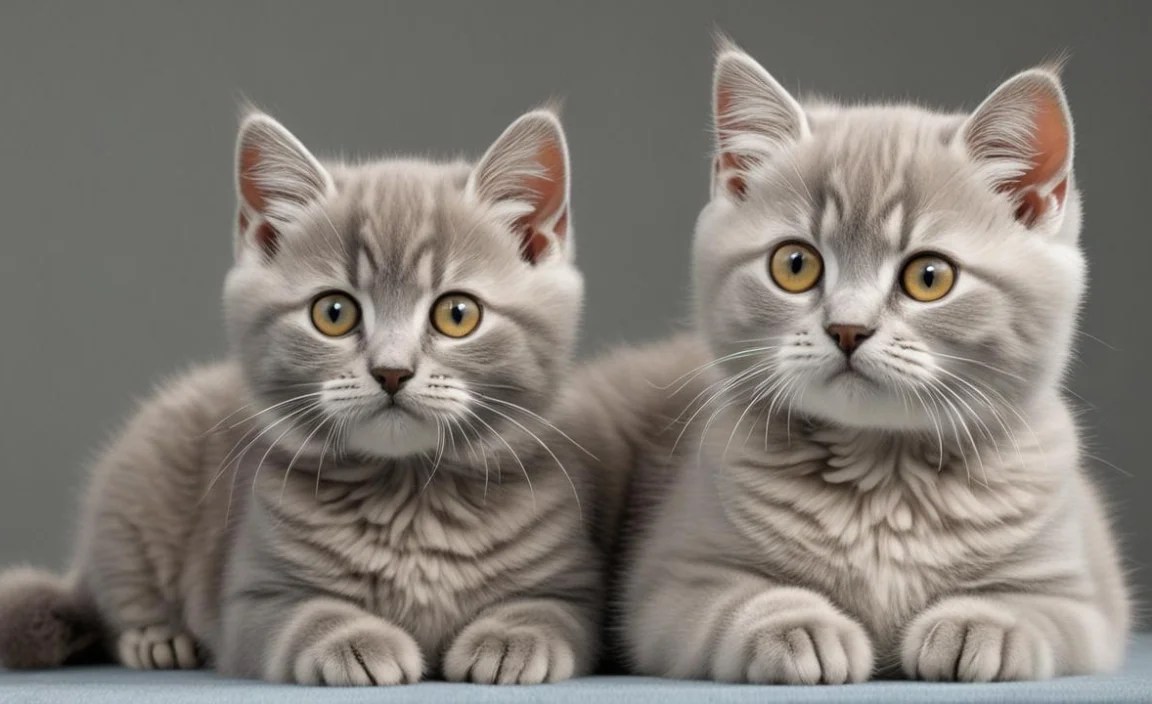
Imagine a curious kitten exploring your home. Everything is new and exciting! But, it can also be dangerous. Creating a safe environment is key. This is a vital part of british shorthair kittens care. Start by removing anything that could harm your kitten. This includes electrical cords, cleaning supplies, and small objects. Kittens love to chew and explore. Make sure all medications are out of reach. Close any gaps where they could get stuck. Provide plenty of safe toys for them to play with. A scratching post will save your furniture. A cozy bed will give them a place to rest. Keep your floors clean. This prevents them from ingesting harmful substances. A safe home is a happy home for your new kitten.
The Importance of Socialization

Have you ever met a shy cat? Socialization can help prevent this. It is a very important part of british shorthair kittens care. Socialization means exposing your kitten to new things. This includes people, sounds, and environments. Start when they are young. This helps them become well-adjusted cats. Invite friends over to meet your kitten. Let them experience different noises, like the vacuum cleaner. Take them for short car rides. Introduce them to other pets slowly and carefully. Positive experiences during kittenhood can make a big difference. Socialized kittens are less likely to be fearful or aggressive. They are more confident and friendly. This makes them wonderful companions.
Setting Up a Kitten Play Area
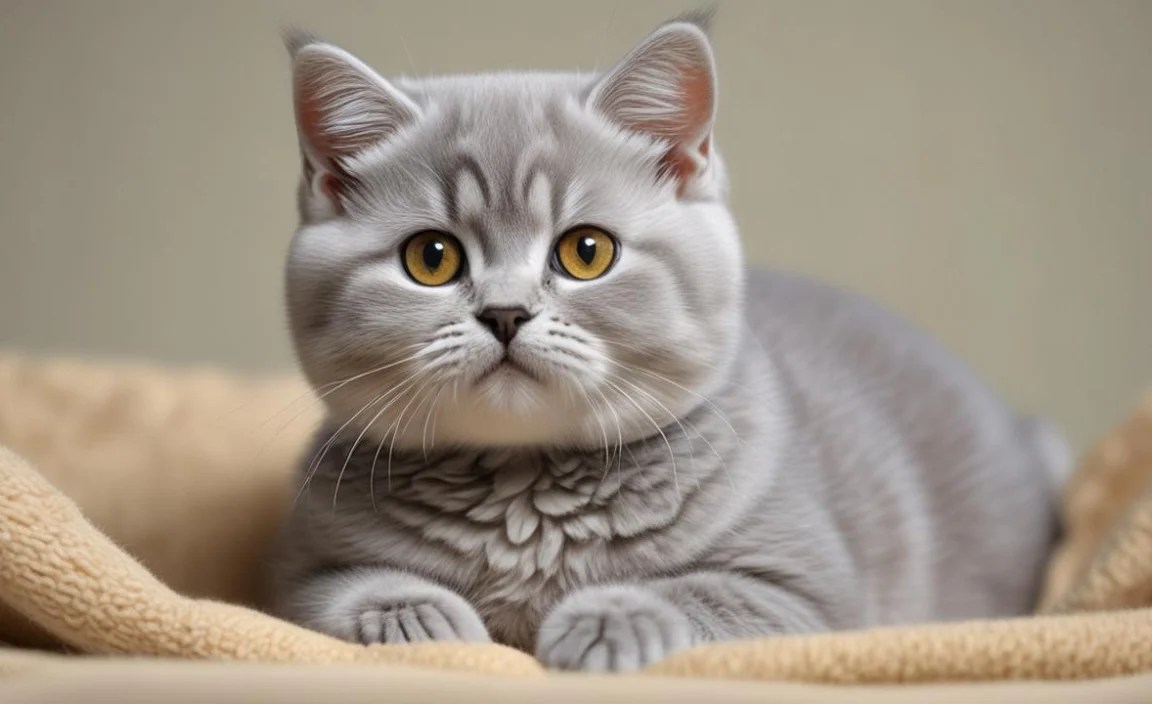
Kittens have lots of energy! They need a place to play and explore. Setting up a kitten play area is important. This is a key part of british shorthair kittens care. Choose a safe area in your home. Fill it with toys that encourage activity. Include things like balls, toy mice, and feather wands. A cat tree provides climbing opportunities. A scratching post helps them groom their claws. Rotate the toys regularly to keep them interested. Spend time playing with your kitten each day. This helps them bond with you and burn off energy. A well-designed play area keeps your kitten happy and entertained. It also protects your furniture from their playful antics.
Fun Fact or Stat: British Shorthairs often get called the “teddy bear” of cats because of their round faces and cuddly appearance!
Nutrition Needs for British Shorthair Kittens Care

What do kittens eat? British shorthair kittens care starts with good food. Kittens need special food to grow big and strong. Look for kitten food that is high in protein. It should have all the nutrients they need. Read the labels carefully. Make sure it is made for kittens. Feed them small meals several times a day. This is better than one big meal. Always have fresh water available. Avoid giving them cow’s milk. It can upset their stomachs. As they grow, you can switch to adult cat food. Talk to your vet about the best diet for your kitten. Good nutrition is the foundation for a healthy life. It helps them grow into happy, healthy cats.
- Feed your kitten high-quality kitten food.
- Provide small, frequent meals throughout the day.
- Ensure fresh water is always available.
- Avoid giving them cow’s milk or other human foods.
- Monitor their weight and adjust food as needed.
- Talk to your vet about the best diet for your kitten.
The first few months are vital. They really matter for proper british shorthair kittens care. During this time, kittens grow very quickly. They need a diet that supports this rapid growth. Protein is especially important. It helps build muscle and tissues. Fat provides energy for playtime. Vitamins and minerals support bone development. Look for kitten food that contains DHA. This helps with brain development. Taurine is also essential for heart health. A balanced diet ensures your kitten gets everything they need. It helps them grow into a strong and healthy adult cat. Remember, good nutrition is an investment in their future. It helps them have a long and happy life.
Fun Fact or Stat: Kittens need about twice as many calories per pound of body weight as adult cats!
Choosing the Right Kitten Food

There are so many kitten food choices! How do you pick the best one? Choosing the right kitten food is key. It is a big part of british shorthair kittens care. Start by reading the ingredient list. Look for real meat as the first ingredient. Avoid foods with lots of fillers. Fillers are things like corn and wheat. These offer little nutritional value. Choose a food that is specifically formulated for kittens. This ensures it has the right balance of nutrients. Consider wet food versus dry food. Wet food has more moisture. This can help keep your kitten hydrated. Dry food can help clean their teeth. You can also feed them a combination of both. Talk to your vet for recommendations. They can help you choose the best food for your kitten’s needs.
Understanding Feeding Schedules
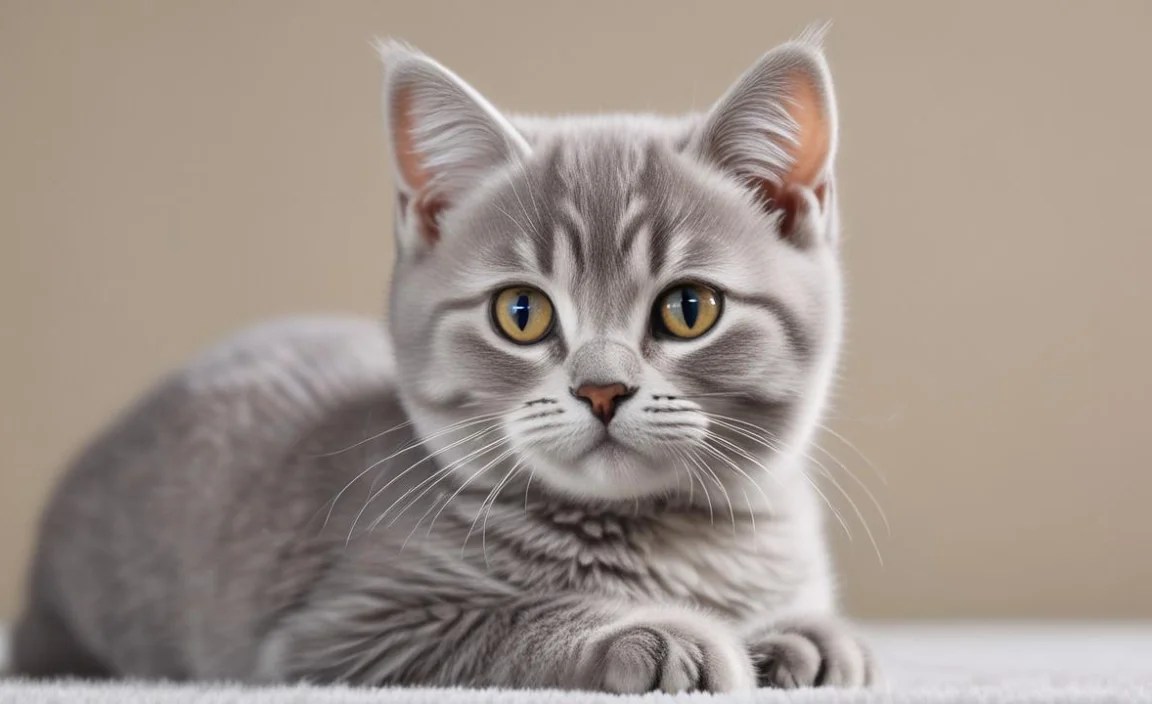
When should you feed your kitten? Understanding feeding schedules is important. This is a key part of british shorthair kittens care. Young kittens need to eat frequently. They have small stomachs and lots of energy. Up to four months old, feed them four small meals a day. From four to six months, you can reduce it to three meals a day. After six months, two meals a day is usually enough. Always provide fresh water with each meal. Monitor your kitten’s weight and adjust the amount of food as needed. Don’t leave food out all day. This can lead to overeating. A regular feeding schedule helps your kitten feel secure. It also makes it easier to monitor their health.
Treats and Supplements for Kittens

Who doesn’t love a treat? Treats can be a fun way to bond with your kitten. But, choose them wisely. Treats and supplements should be given in moderation. This is a key part of british shorthair kittens care. Look for treats that are made for kittens. Avoid giving them human food. Many human foods are toxic to cats. Use treats as a reward for good behavior. Don’t give them too many. They should only make up a small part of their diet. Supplements are usually not needed if your kitten is eating a balanced diet. Talk to your vet before giving them any supplements. They can advise you on whether they are necessary. With the right treats and supplements, you can help your kitten stay healthy and happy.
Fun Fact or Stat: Some cats are lactose intolerant, meaning they can’t digest milk properly!
Grooming Tips for British Shorthair Kittens Care

British Shorthairs have a thick, plush coat. It’s beautiful, but it needs care! Grooming is important for british shorthair kittens care. Start grooming your kitten when they are young. This helps them get used to it. Brush their coat several times a week. This removes loose hair and prevents mats. Use a soft brush. Be gentle. British Shorthairs also need their nails trimmed. Trim them every few weeks. Use special cat nail clippers. Be careful not to cut too close to the quick. Check their ears regularly. Clean them with a cotton ball if needed. Good grooming keeps your kitten looking and feeling their best. It also helps you bond with them.
- Brush your kitten’s coat several times a week.
- Trim their nails every few weeks.
- Check their ears regularly and clean them if needed.
- Bathe them only when necessary.
- Use cat-specific grooming products.
Regular grooming is key. It is extremely important for proper british shorthair kittens care. Brushing helps prevent hairballs. British Shorthairs are prone to them. Their thick coat means they swallow a lot of hair. Regular brushing removes the loose hair before they can ingest it. Bathing is only needed occasionally. Over-bathing can dry out their skin. When you do bathe them, use a cat-specific shampoo. Rinse them thoroughly. Dry them with a soft towel. You can also use a low-heat hair dryer. Grooming is not just about looks. It’s also about health. It helps you spot any potential problems, like skin issues or fleas. A well-groomed kitten is a happy kitten.
Fun Fact or Stat: The British Shorthair’s coat is so dense that it’s often described as feeling like a plush teddy bear!
Brushing Techniques for Kittens
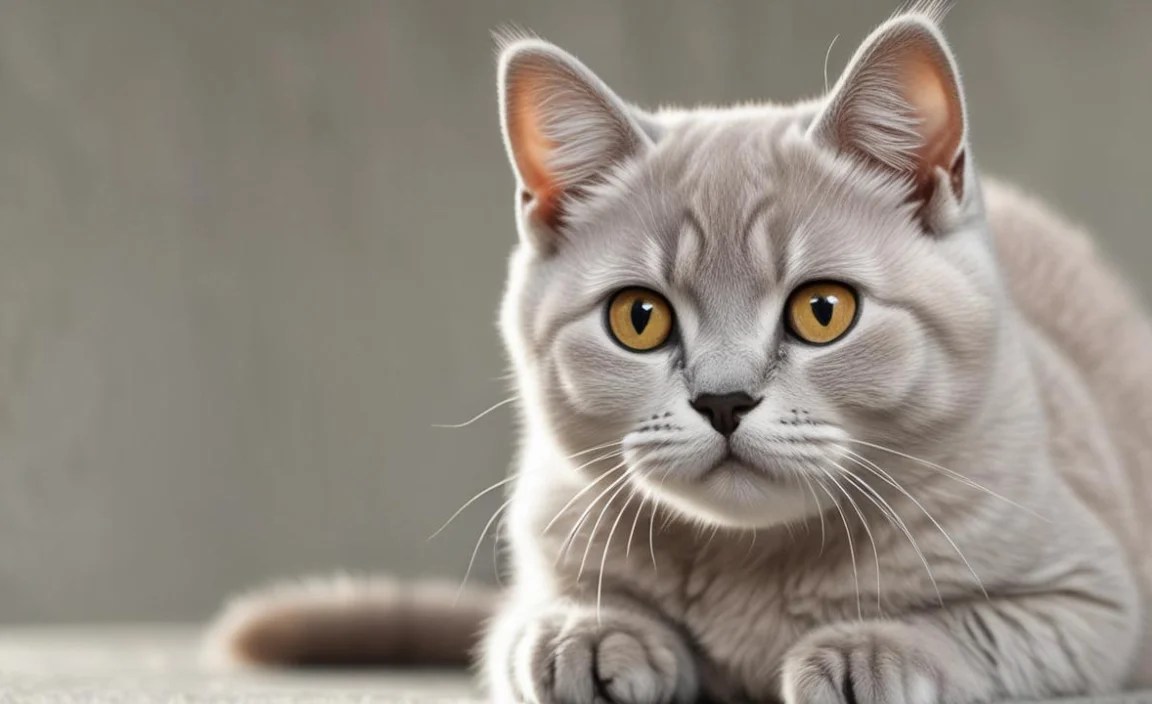
How do you brush a kitten? It’s not always easy! Brushing techniques are important. They are a key part of british shorthair kittens care. Start with short sessions. Make it a positive experience. Use a soft brush. Gently brush their coat in the direction of hair growth. Pay attention to areas that are prone to mats. This includes behind the ears and under the legs. Talk to your kitten in a calm voice. Give them treats as a reward. If they get stressed, stop and try again later. Regular brushing helps them get used to it. It also keeps their coat healthy and shiny.
Nail Trimming Made Easy
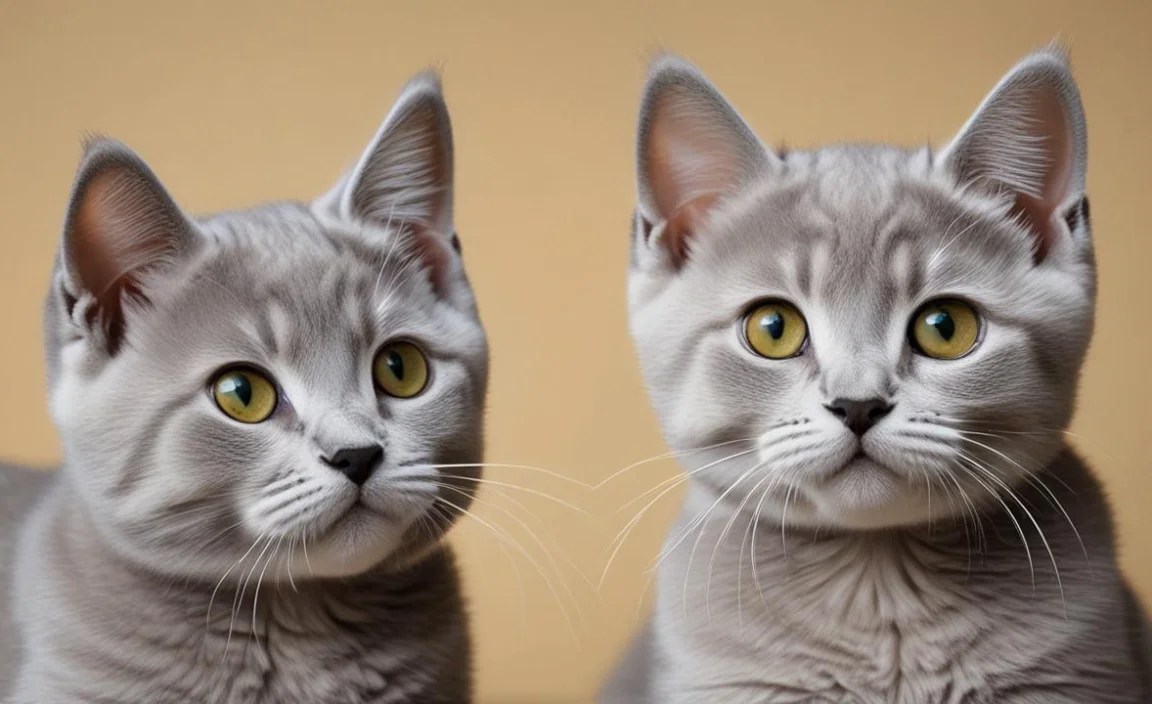
Trimming a kitten’s nails can be scary! But, it doesn’t have to be. Nail trimming is important. It is a key part of british shorthair kittens care. Use special cat nail clippers. Hold their paw gently. Extend one claw at a time. Clip only the tip of the claw. Avoid cutting the quick. The quick is the pink part of the nail. If you cut it, it will bleed. If you’re not sure, ask your vet to show you. Give your kitten a treat after each nail. This helps them associate nail trimming with positive things. Regular nail trimming prevents scratches. It also keeps their nails healthy.
Ear Cleaning Basics
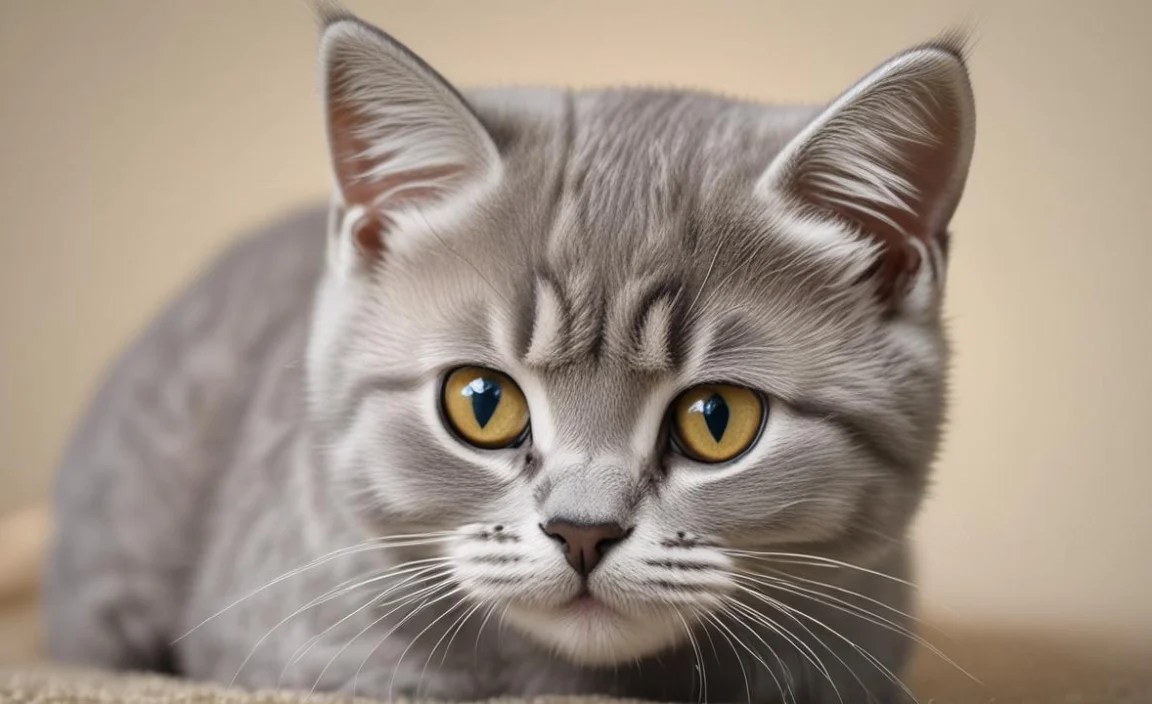
Kitten ears need care too! Ear cleaning is a simple task. But it is an important part of british shorthair kittens care. Check their ears regularly for dirt and wax. Use a cotton ball to gently clean the outer ear. Don’t insert anything into the ear canal. If you see a lot of discharge, talk to your vet. It could be a sign of an infection. Regular ear cleaning helps prevent ear problems. It also keeps your kitten comfortable.
Fun Fact or Stat: A cat’s ears can rotate 180 degrees, helping them locate sounds with incredible accuracy!
Health and Wellness for British Shorthair Kittens Care

Keeping your kitten healthy is very important. It is at the heart of british shorthair kittens care. Regular vet visits are essential. They will check for any health problems. Vaccinations protect them from diseases. Deworming gets rid of parasites. Flea and tick prevention keeps them comfortable. Watch for signs of illness. These include loss of appetite, lethargy, or vomiting. If you notice anything unusual, call your vet. Early detection is key to treating health problems. A healthy kitten is a happy kitten. With proper care, they will live a long and happy life.
- Schedule regular vet visits and vaccinations.
- Provide deworming and flea/tick prevention.
- Watch for signs of illness and seek veterinary care.
- Maintain a clean and healthy environment.
- Provide plenty of fresh water and a balanced diet.
Preventative care is crucial. It is a must for responsible british shorthair kittens care. Vaccinations protect your kitten from serious diseases. These include feline distemper, calicivirus, and rhinotracheitis. Your vet will recommend a vaccination schedule. Deworming gets rid of internal parasites. These can cause health problems. Flea and tick prevention protects them from external parasites. These can transmit diseases. Regular check-ups help catch health problems early. Your vet can also provide advice on diet and lifestyle. Preventative care helps your kitten stay healthy and happy. It also saves you money in the long run. Treating health problems is often more expensive than preventing them.
Fun Fact or Stat: Cats can purr at a frequency of 25 to 150 Hertz, which can help them heal faster from injuries!
Recognizing Signs of Illness

How do you know if your kitten is sick? Recognizing signs of illness is key. It is a vital part of british shorthair kittens care. Look for changes in their behavior. Are they eating less? Are they sleeping more? Are they hiding? These can be signs of illness. Other signs include vomiting, diarrhea, and coughing. Watch for discharge from their eyes or nose. Check for skin problems, like redness or itching. If you notice any of these signs, call your vet. Early treatment can make a big difference. It can help your kitten recover quickly.
The Importance of Vaccinations

Why are vaccinations important? Vaccinations protect your kitten from diseases. This is very important for british shorthair kittens care. Kittens are vulnerable to many diseases. These can be serious and even fatal. Vaccinations help their immune system fight off these diseases. Your vet will recommend a vaccination schedule. This usually starts when they are a few weeks old. Booster shots are needed to maintain immunity. Vaccinations are a safe and effective way to protect your kitten. They also protect other cats in your community.
Dealing with Common Kitten Ailments
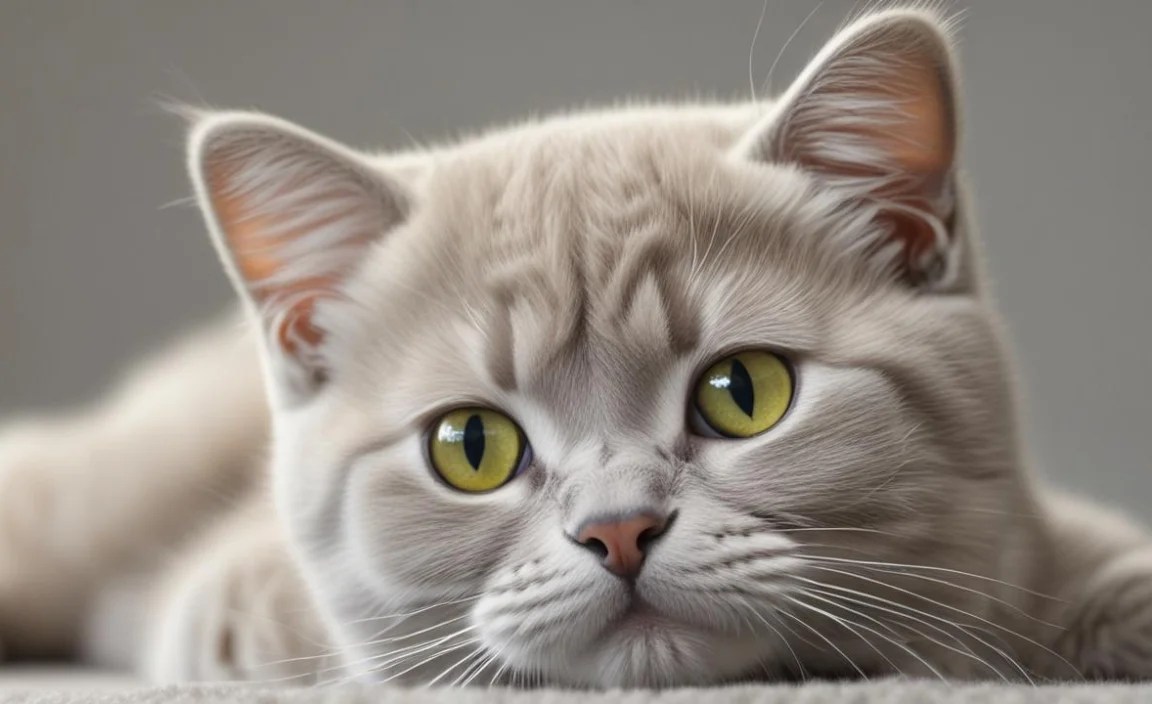
Kittens can get sick sometimes. It’s part of life. Dealing with common kitten ailments is part of british shorthair kittens care. Common ailments include upper respiratory infections. These cause sneezing and coughing. Diarrhea is another common problem. It can be caused by parasites or food changes. Skin problems, like fleas and ringworm, are also common. If your kitten gets sick, call your vet. They can diagnose the problem and recommend treatment. With proper care, most kitten ailments are easily treated. It is very important to follow your vet’s advice closely.
Fun Fact or Stat: A cat’s sense of smell is about 14 times stronger than a human’s!
Litter Box Training and Hygiene for Kittens

Litter box training is essential. It is a must for successful british shorthair kittens care. Kittens usually learn to use the litter box quickly. Show them the litter box as soon as they arrive. Place them in it after meals and naps. If they have an accident, clean it up thoroughly. Use an enzymatic cleaner to remove the odor. This prevents them from repeating the accident. Keep the litter box clean. Scoop it daily. Change the litter regularly. Most kittens will use the litter box naturally. With a little patience, your kitten will be litter box trained in no time.
- Show your kitten the litter box upon arrival.
- Place them in the litter box after meals and naps.
- Clean the litter box daily and change the litter regularly.
- Use an enzymatic cleaner to clean up accidents.
- Choose a litter box and litter that your kitten likes.
A clean litter box is key. It is really important for good british shorthair kittens care. Cats are very clean animals. They don’t like using a dirty litter box. Scoop the litter box at least once a day. This removes solid waste. Change the litter completely every week or two. Wash the litter box with soap and water. Avoid using harsh chemicals. These can be harmful to your kitten. Choose a litter that your kitten likes. Many different types of litter are available. Experiment to find one that works best for you and your kitten. A clean litter box prevents odors. It also encourages your kitten to use it consistently.
| Litter Type | Pros | Cons | Best For |
|---|---|---|---|
| Clay Litter | Affordable, readily available | Dusty, doesn’t control odor well | Budget-conscious owners |
| Clumping Litter | Easy to scoop, good odor control | Can be dusty, more expensive | Easy maintenance |
| Crystal Litter | Excellent odor control, low dust | Expensive, some cats don’t like the texture | Odor control |
| Paper Litter | Dust-free, biodegradable | Doesn’t control odor as well, less absorbent | Allergy sufferers |
Fun Fact or Stat: Cats bury their waste to hide their scent from predators in the wild!
Choosing the Right Litter Box

There are so many litter boxes to choose from! How do you pick the right one? Choosing the right litter box is important. This is a key part of british shorthair kittens care. Consider the size of the litter box. It should be big enough for your kitten to turn around in. Choose a litter box with low sides. This makes it easier for your kitten to get in and out. Consider a covered or uncovered litter box. Some cats prefer the privacy of a covered litter box. Others prefer the open air of an uncovered one. Experiment to see what your kitten likes best. Place the litter box in a quiet, accessible location. Avoid placing it near their food or water. With the right litter box, your kitten will be happy and comfortable.
Litter Box Placement Tips
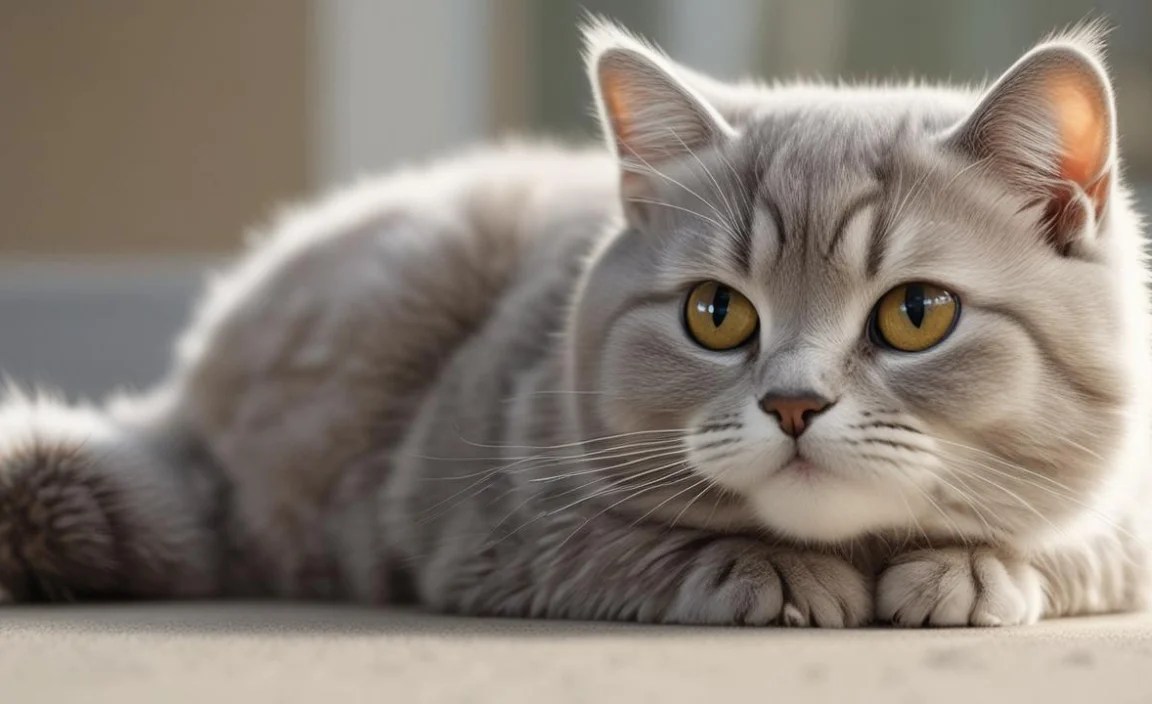
Where should you put the litter box? Litter box placement is important. It is a key part of british shorthair kittens care. Choose a quiet, accessible location. Avoid placing it in a high-traffic area. Place it away from their food and water. Cats don’t like to eliminate near where they eat. Make sure the litter box is easy for your kitten to find. If you have multiple cats, provide multiple litter boxes. A good rule of thumb is one litter box per cat, plus one extra. With the right placement, your kitten will use the litter box consistently.
Dealing with Litter Box Problems
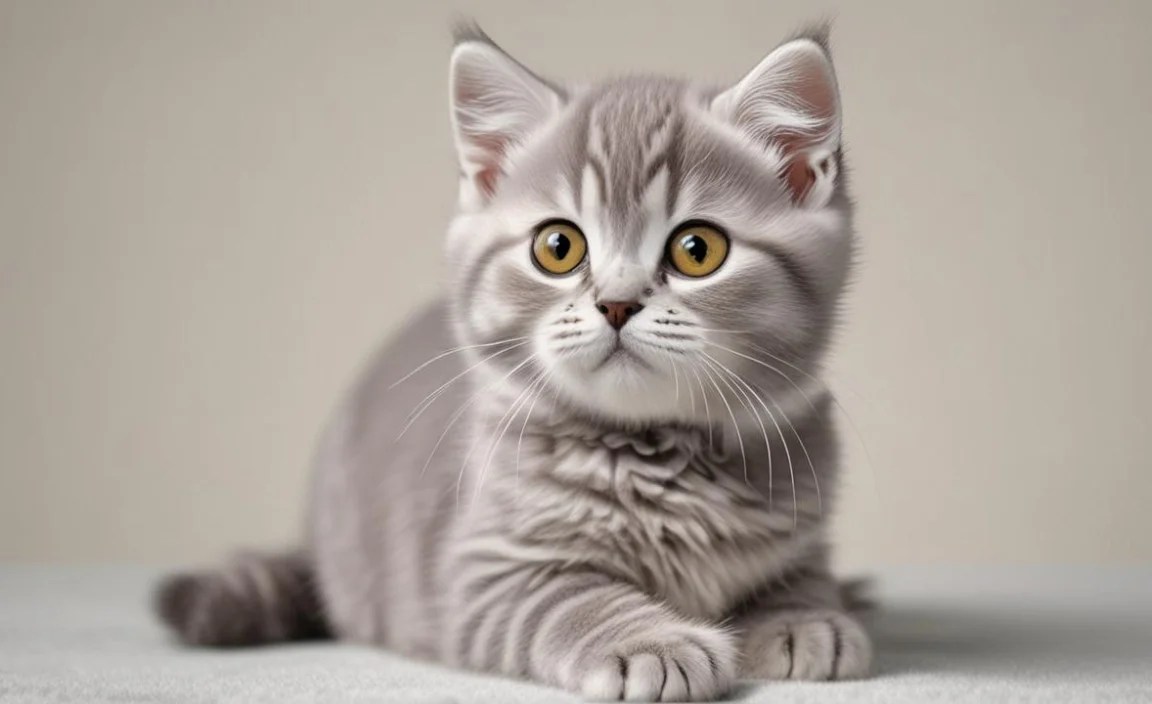
Sometimes kittens have litter box problems. What should you do? Dealing with litter box problems is part of british shorthair kittens care. If your kitten is not using the litter box, try to figure out why. Is the litter box dirty? Do they not like the litter? Is the litter box in a bad location? Rule out any medical problems. A urinary tract infection can cause litter box avoidance. If you can’t figure out the problem, talk to your vet. They can help you identify the cause and find a solution. With patience and understanding, you can usually resolve litter box problems.
Fun Fact or Stat: Some cats prefer a specific type of litter, and they can be very picky about it!
Playtime and Enrichment for British Shorthair Kittens Care

Playtime is super important. It is a must for happy british shorthair kittens care. Kittens need lots of playtime to burn energy. Playtime also helps them bond with you. Provide a variety of toys. These include balls, toy mice, and feather wands. Rotate the toys regularly to keep them interested. Spend time playing with your kitten each day. This helps them stay active and healthy. Enrichment is also important. Provide scratching posts and cat trees. These give them opportunities to scratch and climb. A window perch allows them to watch the world outside. With plenty of playtime and enrichment, your kitten will be happy and entertained.
- Provide a variety of toys to keep them entertained.
- Spend time playing with your kitten each day.
- Offer scratching posts and cat trees for enrichment.
- Rotate toys to keep them interested.
- Create a stimulating environment with window perches.
Mental stimulation is key. It is really important for complete british shorthair kittens care. Kittens need more than just physical exercise. They also need mental challenges. Puzzle toys are a great way to provide mental stimulation. These toys require them to solve a problem to get a treat. This helps keep their minds active. Training is another great way to provide mental stimulation. Teach them tricks, like sit and stay. This helps them learn and bond with you. A stimulating environment helps prevent boredom. Boredom can lead to destructive behaviors. With plenty of mental stimulation, your kitten will be happy and well-adjusted.
Fun Fact or Stat: Cats can learn tricks just like dogs, and they enjoy the mental stimulation!
Interactive Play Ideas
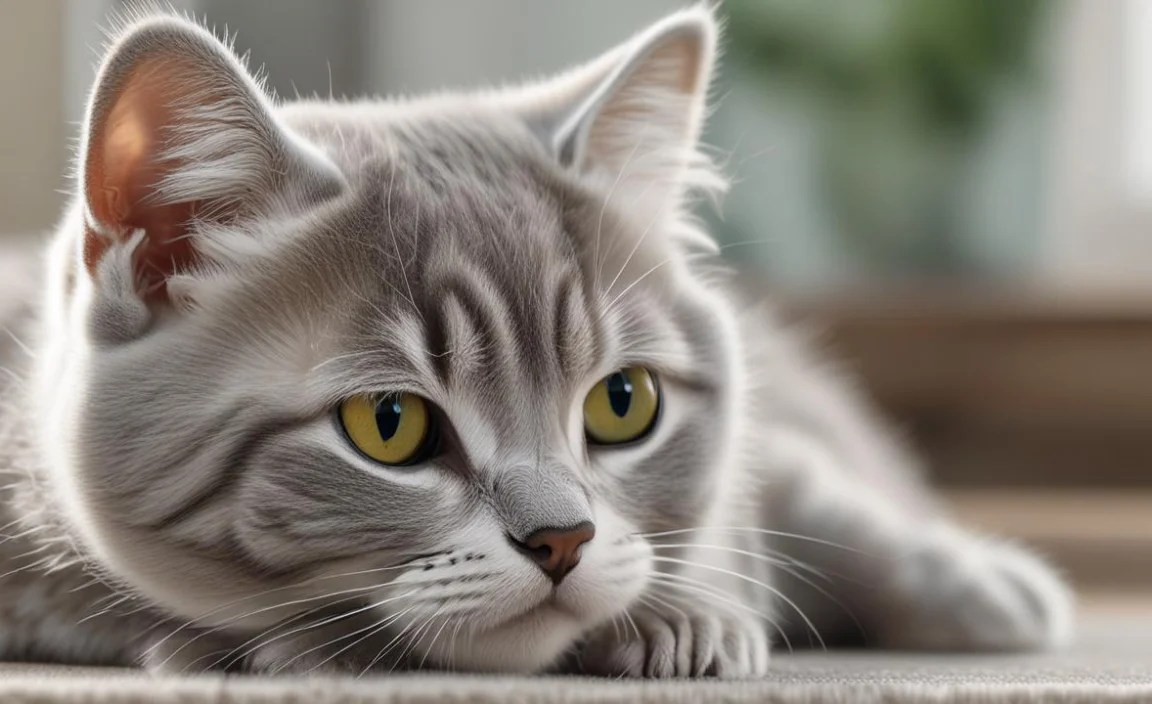
How can you make playtime fun? Interactive play is the best! This is a key part of british shorthair kittens care. Use a feather wand to tease your kitten. Let them chase and pounce on it. Toss a ball for them to chase. Encourage them to stalk and hunt their toys. Play hide-and-seek with them. Hide behind furniture and call their name. Let them find you. Interactive play helps them bond with you. It also provides exercise and mental stimulation. Make playtime a regular part of your day. Your kitten will love it!
Scratching Post Strategies
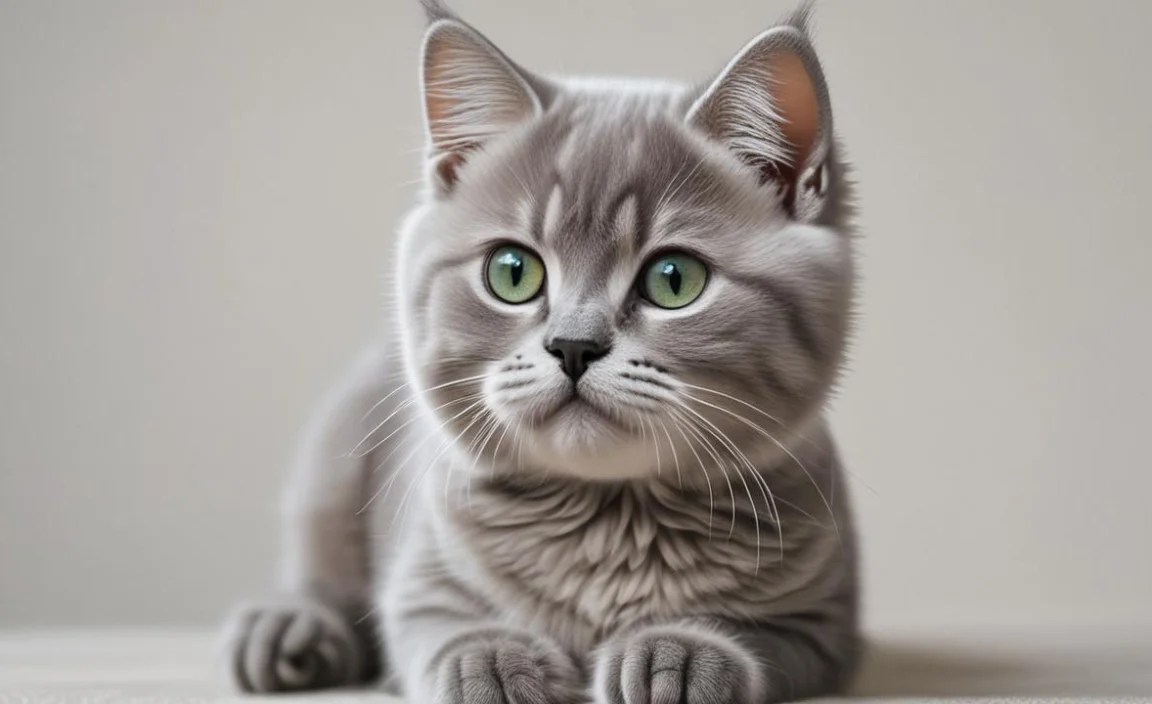
Scratching is natural for cats. But, you don’t want them scratching your furniture! Scratching posts are the answer. They are important for british shorthair kittens care. Provide a variety of scratching posts. These include vertical posts, horizontal posts, and cardboard scratchers. Place the scratching posts in areas where your kitten likes to scratch. This includes near their sleeping area and near doorways. Encourage them to use the scratching post. Rub catnip on it or dangle a toy near it. Reward them when they use the scratching post. Scratching posts protect your furniture. They also provide exercise and mental stimulation.
Creating a Stimulating Environment
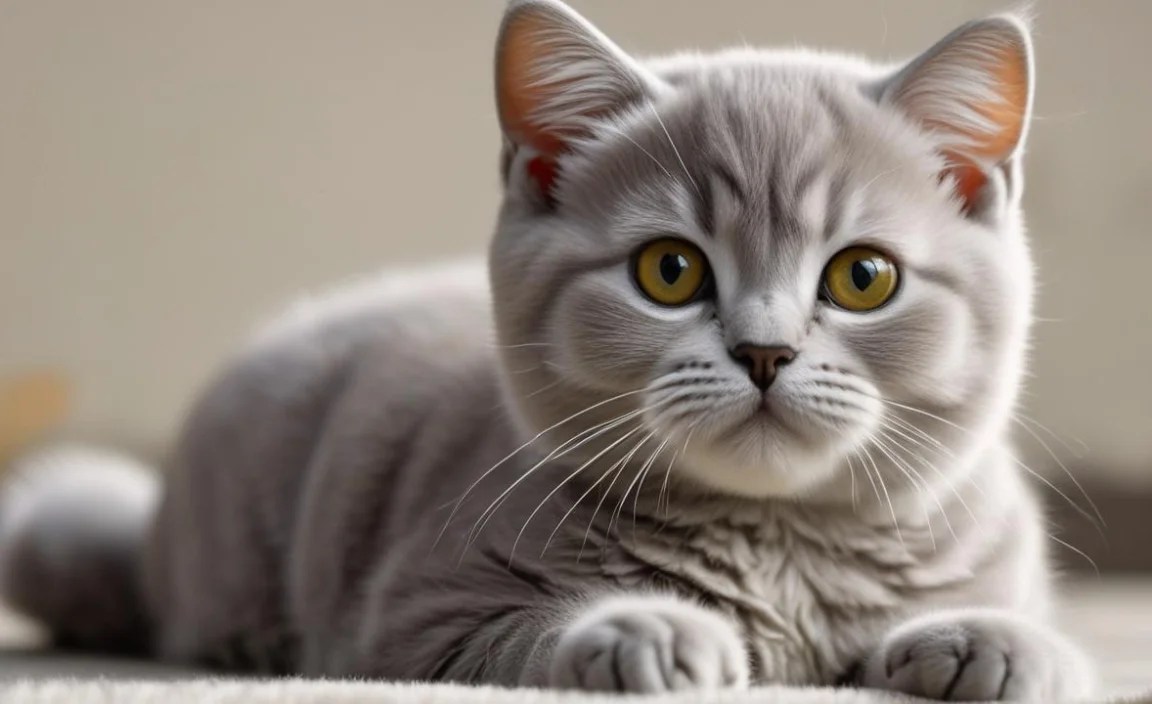
Kittens need a stimulating environment. This is important for their well-being. It is a must for proper british shorthair kittens care. Provide a cat tree for climbing. A window perch allows them to watch the world outside. Place toys around the house. Rotate them regularly to keep them interested. Provide a safe place for them to hide. This could be a cardboard box or a cozy bed. A stimulating environment helps prevent boredom. It also encourages them to explore and play. With a stimulating environment, your kitten will be happy and healthy.
Fun Fact or Stat: Cats have flexible bodies and quick reflexes, making them excellent hunters and climbers!
Summary
British shorthair kittens care involves many things. It includes proper nutrition. It includes regular grooming. It includes vet visits and vaccinations. It includes litter box training. It also includes playtime and enrichment. British Shorthairs need high-quality kitten food. They need regular brushing to prevent mats. They need vaccinations to protect them from diseases. They need a clean litter box. They also need lots of playtime to burn energy. Proper british shorthair kittens care ensures a happy and healthy kitten. It also helps them grow into a well-adjusted adult cat. Remember, a little love and attention goes a long way.
Conclusion
Caring for a British Shorthair kitten is a rewarding experience. These kittens bring joy and companionship to your life. Remember to provide them with the best possible care. This includes good food, regular grooming, and vet visits. Playtime and enrichment are also important. By following these tips, you can ensure your British Shorthair kitten has a happy and healthy life. With proper british shorthair kittens care, you’ll enjoy many years of love and laughter with your furry friend.
Frequently Asked Questions
Question No 1: How often should I feed my British Shorthair kitten?
Answer: British Shorthair kittens need to eat more often than adult cats. Young kittens, up to four months old, should be fed four small meals a day. From four to six months, you can reduce it to three meals a day. After six months, two meals a day is usually enough. Make sure to use high-quality kitten food. It should be rich in protein and nutrients. Always have fresh water available. Avoid overfeeding. This can lead to weight problems. Proper feeding is a key part of british shorthair kittens care. It helps them grow big and strong.
Question No 2: How often should I groom my British Shorthair kitten?
Answer: British Shorthairs have a thick, plush coat. It needs regular grooming to prevent mats and hairballs. Brush your kitten’s coat several times a week. This removes loose hair and distributes oils. Trim their nails every few weeks. Check their ears regularly and clean them if needed. Bathe them only when necessary. Over-bathing can dry out their skin. Use cat-specific grooming products. Grooming is important for their health and well-being. It is a vital part of british shorthair kittens care.
Question No 3: What vaccinations does my British Shorthair kitten need?
Answer: British Shorthair kittens need a series of vaccinations to protect them from diseases. Core vaccinations include feline distemper, calicivirus, and rhinotracheitis. These are usually given in a series of shots starting at around eight weeks old. Your vet may also recommend other vaccinations. These include feline leukemia virus (FeLV) and rabies. Talk to your vet about the best vaccination schedule for your kitten. Vaccinations are essential for their health. They are a key part of british shorthair kittens care.
Question No 4: How do I litter box train my British Shorthair kitten?
Answer: Litter box training is usually easy with kittens. Show your kitten the litter box as soon as they arrive. Place them in it after meals and naps. If they have an accident, clean it up thoroughly. Use an enzymatic cleaner to remove the odor. This prevents them from repeating the accident. Keep the litter box clean. Scoop it daily. Change the litter regularly. Choose a litter box and litter that your kitten likes. Most kittens will use the litter box naturally. With a little patience, your kitten will be litter box trained in no time. This is crucial for proper british shorthair kittens care.
Question No 5: How can I keep my British Shorthair kitten entertained?
Answer: Kittens need lots of playtime to burn energy. Provide a variety of toys to keep them entertained. These include balls, toy mice, and feather wands. Rotate the toys regularly to keep them interested. Spend time playing with your kitten each day. This helps them stay active and healthy. Enrichment is also important. Provide scratching posts and cat trees. These give them opportunities to scratch and climb. A window perch allows them to watch the world outside. This is a vital part of british shorthair kittens care. It ensures they are happy and stimulated.
Question No 6: What are some common health problems in British Shorthair kittens?
Answer: British Shorthairs are generally healthy. But, they can be prone to certain genetic conditions. Hypertrophic cardiomyopathy (HCM) is a heart disease. Polycystic kidney disease (PKD) is another concern. Regular check-ups with a vet can help catch these issues early. A good breeder will screen for these diseases. This helps ensure your kitten is healthy. Watch for signs of illness. These include loss of appetite, lethargy, or vomiting. If you notice anything unusual, call your vet. Early detection is key to treating health problems. Knowing these potential problems is part of responsible british shorthair kittens care.


