
How British Shorthairs React to Training: A Smart Guide

Quick Summary: British Shorthairs are intelligent but independent cats. They respond best to positive reinforcement training methods like treats, praise, and play. Keep training sessions short, fun, and consistent. While they may not perform complex tricks, British Shorthairs can be successfully trained for basic commands and to modify unwanted behaviors with patience and understanding.
Bringing a British Shorthair into your home is like adding a little plushy companion to your life. Known for their calm and affectionate nature, these cats are beloved for their easygoing personalities. But what about training? It’s a question I hear often at BritishShorthairAsk.com. Many owners wonder if these charming felines are trainable and, if so, how best to approach it. Training a cat might seem daunting, but with the right approach, you can absolutely teach your British Shorthair valuable behaviors and strengthen your bond.
In this guide, I’ll walk you through how British Shorthairs react to training, covering everything from their unique temperament to the most effective training techniques. Get ready to unlock your British Shorthair’s potential!
Understanding the British Shorthair Temperament

Before diving into training techniques, it’s crucial to understand the unique temperament of the British Shorthair. This breed is known for its calm, independent, and dignified nature. They aren’t typically as demanding of attention as some other breeds, but they do enjoy companionship on their own terms. Understanding these traits will help you tailor your training approach for the best results.
Key Temperament Traits:
- Independent: British Shorthairs are often content spending time alone, making them ideal for owners who work or are away from home for extended periods.
- Calm: They have a relaxed demeanor and are not usually hyperactive or overly playful.
- Intelligent: They are smart cats, capable of learning, but their independence means they need motivation.
- Affectionate (on their terms): While not overly clingy, they do enjoy affection and will often show it in subtle ways, such as purring or sitting nearby.
These traits influence how they respond to training. For instance, their independence means they may not be as eager to please as some other breeds, so positive reinforcement is key.
Effective Training Methods for British Shorthairs

Given their independent nature, British Shorthairs respond best to specific training methods. Here are some of the most effective techniques:
1. Positive Reinforcement
Positive reinforcement is the cornerstone of successful cat training. This involves rewarding your cat for desired behaviors with treats, praise, or toys. According to the RSPCA, positive reinforcement is one of the most effective and ethical ways to train animals. Avoid punishment, as it can create fear and anxiety, damaging your relationship with your cat.
- Treats: Small, tasty treats are a great motivator. Use them sparingly and choose healthy options.
- Praise: Verbal praise, such as “Good cat!” or “Well done!”, can be very effective when paired with treats.
- Toys: Some cats are more motivated by toys than treats. Use a favorite toy as a reward during training sessions.
2. Clicker Training
Clicker training involves using a clicker to mark the exact moment your cat performs the desired behavior. The click is then followed by a reward. This method helps your cat understand exactly what they are being rewarded for.
- Introduce the Clicker: Pair the clicker with a treat. Click, then immediately give your cat a treat. Repeat this several times so they associate the click with something positive.
- Start Simple: Begin with easy behaviors, such as sitting. Lure your cat into a sitting position, click when their rear touches the ground, and give them a treat.
- Consistency: Use the clicker consistently to mark the desired behavior.
3. Target Training
Target training involves teaching your cat to touch a specific object (the target) with their nose. This can be used to guide them to specific locations or to perform certain actions.
- Introduce the Target: Use a stick or chopstick as the target. Hold it out and reward your cat when they sniff it.
- Move the Target: Gradually move the target to guide your cat to different locations or to perform specific actions, such as going into their carrier.
- Reward: Always reward your cat when they touch the target.
4. Environmental Enrichment
Sometimes, unwanted behaviors stem from boredom or lack of stimulation. Providing environmental enrichment can help reduce these behaviors.
- Scratching Posts: Provide multiple scratching posts to satisfy their natural scratching instincts.
- Climbing Structures: Cats enjoy climbing, so provide cat trees or shelves they can explore.
- Interactive Toys: Puzzle toys and other interactive toys can keep them mentally stimulated.
Addressing Common Behavioral Issues
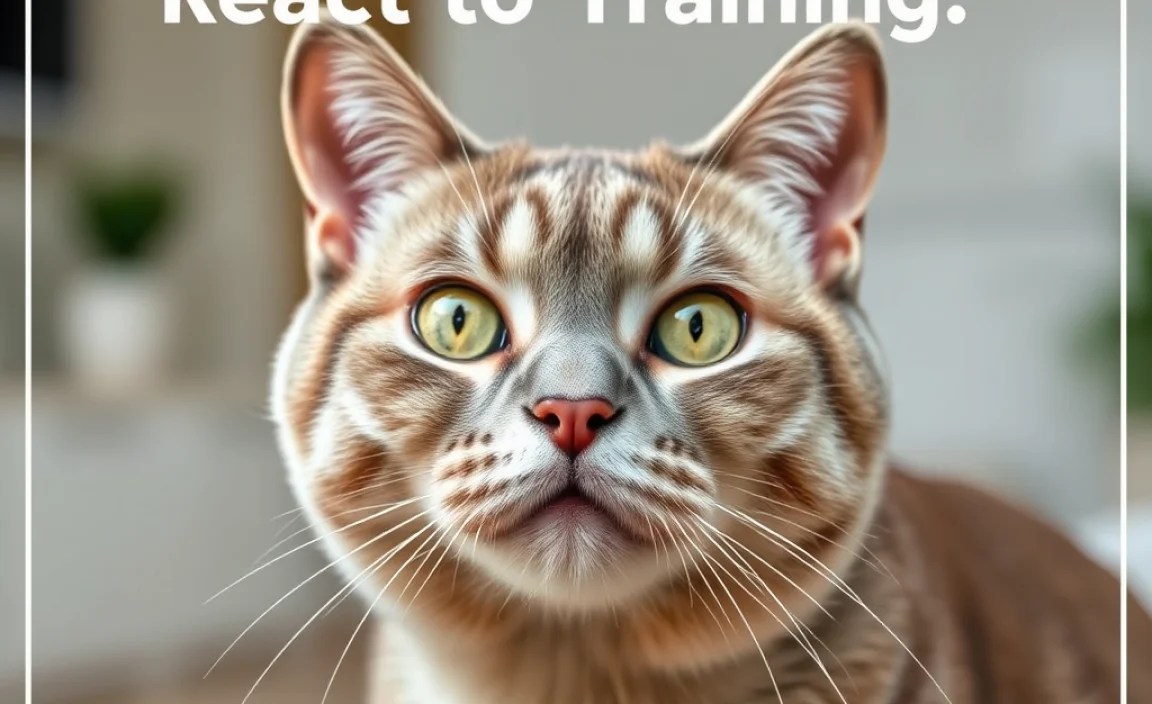
Training isn’t just about teaching tricks; it’s also about addressing unwanted behaviors. Here are some common issues and how to tackle them:
1. Scratching Furniture
Scratching is a natural behavior for cats. They do it to mark their territory, sharpen their claws, and stretch their muscles. To prevent them from scratching furniture, provide alternative scratching surfaces.
- Provide Scratching Posts: Offer a variety of scratching posts, including vertical, horizontal, and angled options.
- Make Furniture Unattractive: Use double-sided tape or citrus-scented sprays (cats dislike citrus) to deter them from scratching furniture.
- Reward Use of Scratching Post: When your cat uses the scratching post, reward them with praise or treats.
2. Biting and Play Aggression
Some cats may exhibit biting or play aggression, especially during play. This can be redirected with proper training and management.
- Use Toys: Always use toys during play to keep your hands and feet out of the equation.
- Avoid Hand Play: Never use your hands or feet as toys.
- Redirect: If your cat starts to bite or scratch, redirect their attention to a toy.
- Time-Outs: If the behavior persists, give them a brief time-out by leaving the room.
3. Litter Box Issues
Litter box issues can be frustrating, but they often have underlying causes, such as medical issues, stress, or an unappealing litter box setup.
- Medical Checkup: Rule out any medical issues by taking your cat to the vet.
- Litter Box Setup: Ensure the litter box is clean, easily accessible, and in a quiet location.
- Litter Type: Experiment with different types of litter to find one your cat prefers.
- Number of Litter Boxes: The rule of thumb is to have one litter box per cat, plus one extra.
Step-by-Step Training Guide: Teaching Your British Shorthair to Sit

Let’s walk through a simple step-by-step guide to teach your British Shorthair to sit:
- Gather Supplies: You’ll need small, tasty treats that your cat loves.
- Find a Quiet Space: Choose a quiet area where your cat won’t be distracted.
- Lure Your Cat: Hold a treat in front of your cat’s nose and slowly move it upwards and backwards over their head. This should naturally cause them to sit.
- Mark the Behavior: As soon as your cat’s rear touches the ground, say “Sit” and give them the treat. If you’re using a clicker, click as their rear touches the ground, then give the treat.
- Repeat: Repeat this process several times, keeping the sessions short (5-10 minutes).
- Fade the Lure: Gradually fade the lure by making the movement smaller and smaller until you can simply say “Sit” and your cat will sit without the lure.
- Practice Regularly: Practice regularly, but keep the sessions short and fun.
Tips for Success

Here are some additional tips to help you succeed in training your British Shorthair:
- Be Patient: Training takes time and patience. Don’t get discouraged if your cat doesn’t learn immediately.
- Be Consistent: Use the same commands and techniques consistently.
- Keep it Fun: Training should be a positive experience for both you and your cat. If either of you are getting frustrated, take a break.
- End on a Positive Note: Always end training sessions with a behavior your cat knows well, so they end on a successful note.
- Adjust to Your Cat’s Pace: Some cats learn faster than others. Adjust your training pace to match your cat’s abilities.
Tools and Resources
Having the right tools and resources can make training easier and more effective. Here are some recommendations:
- Clicker: A clicker designed for pet training.
- Treats: High-value, healthy treats that your cat loves.
- Target Stick: A target stick for target training.
- Scratching Posts: A variety of scratching posts to suit your cat’s preferences.
- Puzzle Toys: Interactive puzzle toys to keep your cat mentally stimulated.
You can find a wide range of cat training tools and resources at your local pet store or online retailers like Chewy and Amazon.
British Shorthair Training: Dos and Don’ts
To ensure you’re on the right track, here’s a quick reference table of dos and don’ts in British Shorthair training:
| Do’s | Don’ts |
|---|---|
| Use positive reinforcement (treats, praise). | Use punishment or scolding. |
| Keep training sessions short and fun. | Force your cat to participate. |
| Be patient and consistent. | Get discouraged easily. |
| Provide environmental enrichment. | Ignore unwanted behaviors. |
| Address medical issues promptly. | Assume all behavior issues are behavioral. |
Real-Life Examples of Successful British Shorthair Training
To illustrate the effectiveness of these methods, here are a few real-life examples of how I’ve used these techniques with British Shorthairs:
- Case Study 1: I worked with a British Shorthair named Winston who was scratching the sofa. By providing a variety of scratching posts and using double-sided tape on the sofa, we successfully redirected his scratching behavior to the appropriate surfaces.
- Case Study 2: Another cat, Clementine, had litter box issues. After a vet ruled out medical issues, we experimented with different litter types and found that she preferred unscented, clumping litter. We also added an additional litter box, and the problem was resolved.
- Case Study 3: I helped an owner teach their British Shorthair, Barnaby, to come when called using clicker training. By pairing the clicker with treats, Barnaby quickly learned to associate the click with a reward and would come running whenever he heard it.
Setting Realistic Expectations
It’s important to set realistic expectations when training a British Shorthair. While they are intelligent cats, they may not be as eager to please as some other breeds. Don’t expect them to perform complex tricks or follow commands perfectly every time. Instead, focus on teaching them basic behaviors and addressing any unwanted habits.
Remember, every cat is an individual, and some may be more trainable than others. The key is to be patient, consistent, and understanding.
Advanced Training Techniques
Once your British Shorthair has mastered the basics, you can explore more advanced training techniques.
1. Agility Training
Agility training involves teaching your cat to navigate a series of obstacles, such as tunnels, jumps, and weave poles. This can be a fun and challenging way to keep your cat mentally and physically stimulated.
- Start Simple: Begin with easy obstacles, such as walking through a tunnel.
- Use Positive Reinforcement: Reward your cat for successfully completing each obstacle.
- Gradually Increase Difficulty: As your cat becomes more confident, gradually increase the difficulty of the obstacles.
2. Trick Training
Trick training involves teaching your cat to perform specific tricks, such as giving a high-five, rolling over, or playing dead. This can be a fun way to bond with your cat and impress your friends.
- Break Down the Trick: Break down the trick into small, manageable steps.
- Use Positive Reinforcement: Reward your cat for successfully completing each step.
- Be Patient: Some tricks may take longer to learn than others.
3. Scent Work
Scent work involves teaching your cat to identify specific scents and locate them. This can be a mentally stimulating activity that taps into your cat’s natural hunting instincts.
- Start with a Simple Scent: Begin with a simple scent, such as catnip.
- Hide the Scent: Hide the scent in a small container and encourage your cat to find it.
- Reward: Reward your cat when they locate the scent.
The Role of Genetics and Environment
While training plays a significant role in shaping your cat’s behavior, genetics and environment also play a part. Some cats may be naturally more inclined to certain behaviors than others. Additionally, a cat’s environment can influence their behavior.
For example, a cat who has had negative experiences with humans may be more fearful and less receptive to training. Similarly, a cat who is bored or lacks environmental enrichment may be more likely to exhibit unwanted behaviors.
By understanding the role of genetics and environment, you can create a training plan that is tailored to your cat’s individual needs and circumstances.
When to Seek Professional Help
In some cases, you may need to seek professional help from a certified cat behaviorist or veterinarian. This is especially important if your cat is exhibiting severe behavioral issues, such as aggression, anxiety, or destructive behavior.
A professional can help you identify the underlying causes of the behavior and develop a comprehensive treatment plan. They can also provide guidance and support to help you implement the plan effectively. The International Cat Association (TICA) is a good place to start when looking for reputable experts.
FAQ: Training British Shorthairs
Here are some frequently asked questions about training British Shorthairs:
- Are British Shorthairs easy to train?
- British Shorthairs are intelligent but independent, which can make training a bit challenging. They respond well to positive reinforcement techniques like treats and praise.
- What’s the best way to motivate a British Shorthair during training?
- Treats are often the best motivator. Experiment with different types to find your cat’s favorite. Praise and gentle petting can also work well.
- How long should training sessions be?
- Keep training sessions short, around 5-10 minutes, to maintain your cat’s interest and prevent frustration.
- Can I train my British Shorthair to use a scratching post?
- Yes! Place scratching posts near areas where your cat likes to scratch, and reward them when they use the post. You can also use catnip to attract them.
- What should I do if my British Shorthair isn’t responding to training?
- Re-evaluate your approach. Make sure you’re using positive reinforcement, keeping sessions short, and addressing any underlying medical or environmental issues. If problems persist, consult a professional.
- Is clicker training effective for British Shorthairs?
- Yes, clicker training can be very effective. The clicker helps mark the exact moment your cat performs the desired behavior, making it clear what they’re being rewarded for.
- At what age should I start training my British Shorthair?
- You can start training your British Shorthair as early as kittenhood. Start with simple commands and behaviors, and gradually increase the complexity as they get older.
Conclusion
Training your British Shorthair can be a rewarding experience that strengthens your bond and improves their behavior. By understanding their unique temperament, using positive reinforcement techniques, and being patient and consistent, you can successfully train your British Shorthair to perform basic commands, address unwanted behaviors, and even learn fun tricks. Remember to set realistic expectations and adjust your training approach to match your cat’s individual needs and abilities. With dedication and a little bit of patience, you and your British Shorthair can enjoy a happy and harmonious relationship. Happy training!


