
British Shorthair Kitten Bonding Habits Explained: Easy!

British Shorthair Kitten Bonding Habits Explained: Bonding with your British Shorthair kitten involves gentle interaction, creating a safe space, and positive reinforcement. Regular playtime, hand-feeding treats, and grooming sessions can strengthen your bond. Be patient and respect your kitten’s boundaries, allowing them to approach you on their terms. A consistent routine and plenty of love will help your kitten feel secure and connected to you.
Bringing a British Shorthair kitten into your home is a joyous occasion! These adorable, plushy felines are known for their calm and affectionate nature. But like any kitten, they need time and patience to bond with their new family. It’s perfectly normal to feel a little anxious about whether you’re doing everything right. Don’t worry; with the right approach, you can build a strong and loving relationship with your British Shorthair kitten.
This guide will walk you through essential bonding habits, offering practical tips and insights to help you create a loving and secure environment for your new furry friend. Let’s get started!
Understanding British Shorthair Kitten Behavior

Before diving into bonding techniques, it’s helpful to understand the typical behavior of British Shorthair kittens. Knowing what to expect can make the bonding process smoother and more enjoyable.
Typical Traits of British Shorthair Kittens
- Independent Nature: British Shorthairs are known for being more independent than some other breeds. They enjoy their own company and may not always seek constant attention.
- Calm Temperament: They are generally calm and relaxed, making them excellent companions for families and individuals alike.
- Playful Curiosity: Kittens are naturally curious and playful. British Shorthairs are no exception, enjoying interactive toys and exploring their surroundings.
- Affectionate but Not Needy: While affectionate, they aren’t overly demanding. They’ll show their love through gentle nudges, purrs, and simply being near you.
Common Kitten Behaviors to Watch For
- Hiding: It’s common for new kittens to hide as they adjust to their environment. Provide safe, quiet spaces where they can retreat.
- Play Biting: Kittens often engage in play biting. Redirect this behavior with appropriate toys.
- Scratching: Scratching is a natural behavior. Provide scratching posts to protect your furniture.
- Vocalization: Kittens communicate through meows, purrs, and hisses. Pay attention to these sounds to understand their needs and feelings.
Creating a Safe and Comfortable Environment

A safe and comfortable environment is crucial for helping your British Shorthair kitten feel secure and ready to bond. Here’s how to set up your home to be kitten-friendly:
Setting Up a Kitten-Proof Space
- Remove Hazards: Secure or remove any toxic plants, cleaning supplies, medications, and small objects that could be ingested.
- Secure Cords: Tuck away or cover electrical cords to prevent chewing.
- Window Safety: Ensure windows and balconies are secure to prevent falls.
- Safe Hiding Spots: Provide several cozy hiding spots like cardboard boxes, cat beds, or open carriers.
Essential Supplies for Your Kitten
| Supply | Description | Why It’s Important |
|---|---|---|
| Food and Water Bowls | Shallow, easily accessible bowls. | Ensures your kitten can eat and drink comfortably. |
| High-Quality Kitten Food | Nutrient-rich food formulated for kittens. | Supports healthy growth and development. |
| Litter Box and Litter | A clean and accessible litter box with appropriate litter. | Essential for hygiene and training. |
| Scratching Post | A sturdy scratching post or pad. | Satisfies natural scratching instincts and protects furniture. |
| Toys | A variety of toys such as wands, balls, and plush toys. | Provides mental and physical stimulation. |
| Cat Bed | A comfortable and secure bed. | Offers a safe and cozy place for your kitten to rest. |
| Carrier | A secure and comfortable carrier. | Necessary for vet visits and travel. |
Step-by-Step Bonding Habits

Now that you have a safe and comfortable environment set up, let’s explore specific bonding habits that will help you build a strong relationship with your British Shorthair kitten.
1. Gradual Introduction
When you first bring your kitten home, avoid overwhelming them with too much space. Start by confining them to a single room with all their essential supplies. This allows them to adjust to the new smells and sounds gradually.
- Initial Confinement: Keep the kitten in one room for the first few days.
- Supervised Exploration: After a few days, allow supervised exploration of other areas of the house.
- Gradual Expansion: Gradually increase the areas they can access as they become more comfortable.
2. Positive Interaction
Positive interactions are key to building trust and strengthening your bond. Here are some ways to create positive experiences:
- Gentle Petting: Start with gentle strokes on their head and back. Pay attention to their body language to ensure they are comfortable.
- Soft Voice: Speak to your kitten in a calm and soothing voice.
- Respect Boundaries: If your kitten seems overwhelmed or wants to be left alone, respect their space.
3. Playtime
Playtime is an essential part of bonding and helps your kitten burn energy. British Shorthairs enjoy interactive play, so here are some tips:
- Interactive Toys: Use toys like wand toys, laser pointers, or small balls to engage their hunting instincts.
- Short Sessions: Keep play sessions short and frequent, about 10-15 minutes at a time.
- End on a Positive Note: Always end playtime with a reward, such as a treat or gentle petting.
4. Hand-Feeding Treats
Hand-feeding treats can create a positive association with you and reinforce good behavior. Choose healthy, kitten-appropriate treats and offer them from your hand.
- Start Slowly: Begin by placing the treat near your hand and gradually move it closer.
- Positive Reinforcement: Use treats to reward good behavior, such as coming when called or using the scratching post.
- Moderate Amounts: Don’t overdo it with treats. They should only make up a small portion of your kitten’s diet.
5. Grooming Sessions
British Shorthairs have dense coats that require regular grooming. Starting grooming sessions early can help your kitten get used to being handled and create a bonding experience.
- Gentle Brushing: Use a soft brush to gently groom your kitten’s coat.
- Start Slowly: Begin with short grooming sessions and gradually increase the duration as your kitten becomes more comfortable.
- Positive Reinforcement: Reward your kitten with treats and praise during and after grooming sessions.
6. Creating a Routine
Kittens thrive on routine. A consistent schedule for feeding, playtime, and bedtime can help your British Shorthair kitten feel secure and reduce anxiety.
- Consistent Feeding Times: Feed your kitten at the same times each day.
- Regular Playtime: Schedule playtime for the same time each day.
- Bedtime Routine: Establish a calming bedtime routine, such as gentle petting or a quiet cuddle.
7. Understanding Body Language
Learning to understand your kitten’s body language is crucial for effective bonding. Pay attention to their posture, tail movements, and vocalizations to gauge their mood and needs.
Common Body Language Cues
| Body Language | Meaning |
|---|---|
| Purring | Generally indicates contentment and happiness. |
| Hissing | Indicates fear, aggression, or defensiveness. |
| Tail Wagging | Can indicate excitement or agitation, depending on the context. |
| Ears Back | Indicates fear, anxiety, or aggression. |
| Slow Blinking | A sign of affection and trust. |
| Kneading | A sign of comfort and contentment, often linked to kittenhood. |
8. Patience and Consistency
Bonding takes time and patience. Don’t get discouraged if your kitten doesn’t immediately warm up to you. Be consistent with your interactions and allow your kitten to approach you on their own terms.
According to the RSPCA, patience is key when introducing a new pet into your home. It can take time for them to adjust to their new surroundings and bond with their new family.
Dealing with Common Challenges

Even with the best efforts, you may encounter some challenges during the bonding process. Here are some common issues and how to address them:
Fearful or Anxious Kitten
If your kitten is fearful or anxious, provide plenty of safe hiding spots and avoid forcing interaction. Use calming aids like Feliway diffusers, which release synthetic feline pheromones to help reduce stress. Consult with your veterinarian if the anxiety persists.
Aggressive Behavior
Aggressive behavior, such as hissing or biting, can be a sign of fear or discomfort. Identify the trigger and remove it if possible. Never punish your kitten, as this can worsen the behavior. Consult with a veterinarian or a certified cat behaviorist for guidance.
Lack of Appetite
A lack of appetite can be a sign of stress or illness. Ensure your kitten has access to fresh food and water. Try offering a variety of foods to see if something appeals to them. If the problem persists, consult with your veterinarian.
Advanced Bonding Techniques
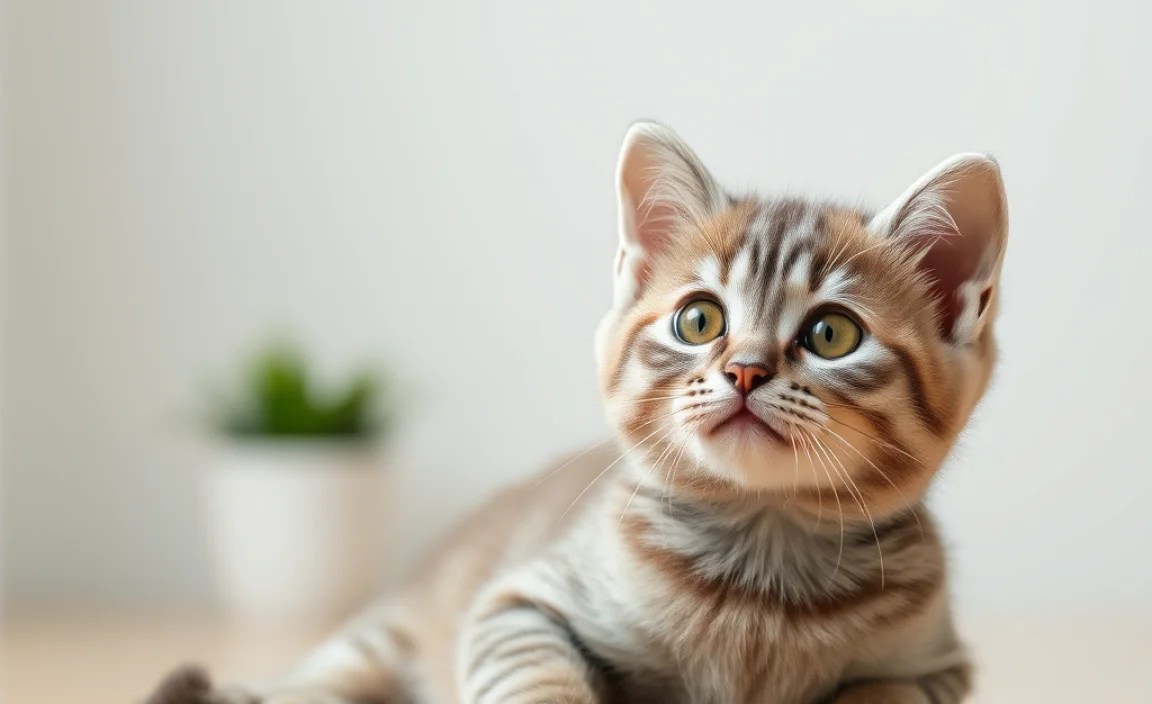
Once you’ve established a basic bond with your British Shorthair kitten, you can explore some advanced techniques to deepen your relationship.
Clicker Training
Clicker training is a positive reinforcement method that can be used to teach your kitten tricks and reinforce good behavior. The clicker sound becomes associated with a reward, making it easier to communicate with your kitten.
- Introduce the Clicker: Pair the clicker sound with a treat. Click, then immediately give a treat.
- Start Simple: Begin with simple behaviors, such as sitting or coming when called.
- Positive Reinforcement: Click and reward immediately after the desired behavior.
- Be Consistent: Use the clicker consistently to reinforce desired behaviors.
Enrichment Activities
Enrichment activities provide mental and physical stimulation, which can help strengthen your bond and prevent boredom. Here are some ideas:
- Puzzle Toys: Use puzzle toys that dispense treats to challenge your kitten’s problem-solving skills.
- Climbing Structures: Provide cat trees or shelves to encourage climbing and exploration.
- Window Perches: Offer window perches where your kitten can watch birds and other outdoor activities.
Creating a Calming Environment
A calm and stress-free environment can enhance your kitten’s well-being and strengthen your bond. Consider these tips:
- Feliway Diffusers: Use Feliway diffusers to release synthetic feline pheromones that promote relaxation.
- Calming Music: Play calming music specifically designed for cats.
- Quiet Spaces: Ensure your kitten has access to quiet, secluded spaces where they can retreat when needed.
Long-Term Relationship Building
Bonding is an ongoing process. Here are some tips for maintaining and strengthening your relationship with your British Shorthair kitten throughout their life:
Regular Interaction
Continue to engage in regular playtime, grooming sessions, and cuddle time. Even short, frequent interactions can make a big difference.
Respect Their Needs
As your kitten grows, their needs and preferences may change. Continue to pay attention to their body language and respect their boundaries.
Annual Vet Visits
Regular veterinary check-ups are essential for maintaining your kitten’s health and well-being. Your veterinarian can also provide advice on nutrition, behavior, and other aspects of care.
Frequently Asked Questions
Here are some frequently asked questions about bonding with British Shorthair kittens:
- How long does it take for a British Shorthair kitten to bond?
- Bonding time varies, but most kittens start to bond within a few weeks. Patience and consistent positive interactions are key.
- What if my kitten is hiding all the time?
- Provide safe hiding spots and avoid forcing interaction. Let your kitten come out on their own terms. Use treats and gentle words to encourage them.
- Can I bond with my kitten if I work full-time?
- Yes, you can. Focus on quality over quantity. Spend dedicated playtime and cuddle time when you are home, and ensure they have enrichment activities while you’re away.
- Is it okay to let my kitten sleep in my bed?
- If you’re comfortable with it, yes. Sleeping together can strengthen your bond. However, ensure your kitten has a safe way to get in and out of bed.
- What should I do if my kitten bites or scratches?
- Redirect the behavior with appropriate toys. Never punish your kitten. If the behavior is persistent, consult with a veterinarian or cat behaviorist.
- How can I tell if my kitten is happy?
- Signs of a happy kitten include purring, kneading, slow blinking, relaxed posture, and playful behavior.
- Are British Shorthairs good with children?
- Yes, British Shorthairs are generally good with children, but it’s important to teach children how to interact gently and respectfully with the kitten. Supervise interactions to ensure everyone’s safety and comfort.
Conclusion
Bonding with your British Shorthair kitten is a rewarding journey that requires patience, understanding, and consistent effort. By creating a safe and comfortable environment, engaging in positive interactions, and respecting your kitten’s boundaries, you can build a strong and loving relationship that will last a lifetime. Remember to be patient, celebrate small victories, and enjoy the unique bond you share with your adorable British Shorthair companion.


