
How Smart Are British Shorthairs? Ultimate Guide

How Smart Are British Shorthair Cats?

British Shorthairs are moderately intelligent cats. While they aren’t known for complex problem-solving, they excel at learning through observation and routine. They understand simple commands, can be trained with patience and positive reinforcement, and are very adaptable to their environment. Their intelligence shines through their calm demeanor and ability to quickly adjust to household changes.
Thinking about bringing a British Shorthair into your home? Or maybe you already have one and are curious about how their minds work. It’s a common question: how smart are these beautiful, plushy cats? It’s easy to wonder about their intelligence, especially when you see them gazing around with those big, round eyes. Don’t worry! We’ll explore their unique type of intelligence, how they learn, and what to expect as a pet parent. Let’s get started and understand your British Shorthair better!
Understanding Cat Intelligence
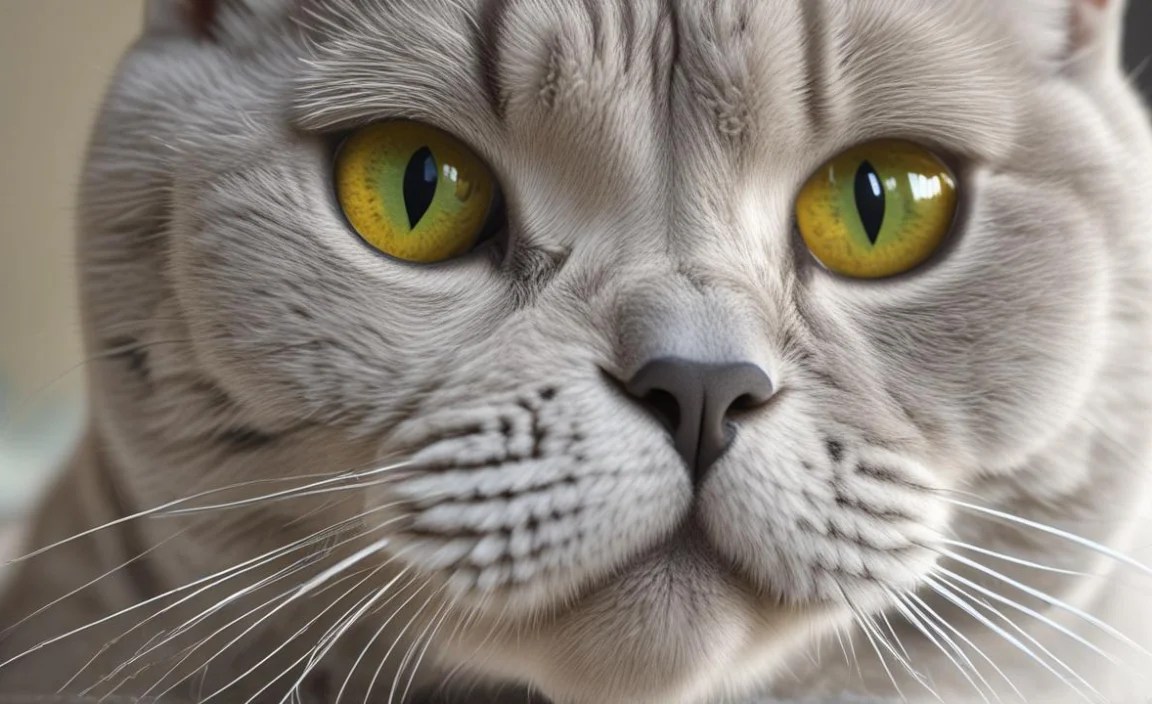
Before we dive specifically into British Shorthairs, let’s chat about cat intelligence in general. It’s not always about solving puzzles or performing tricks on command. Instead, cat intelligence often shows up in their:
- Adaptability: How well they adjust to new environments or routines.
- Observational Learning: Picking up on cues from their surroundings and people.
- Problem-Solving (Limited): Figuring out simple challenges, like how to get your attention.
Cats are naturally curious and observant creatures. This helps them survive and thrive, whether they’re hunting in the wild or napping in a sunny spot in your home.
The British Shorthair: A Calm and Clever Companion

British Shorthairs have a particular type of intelligence that suits their calm and steady nature. They might not be the most energetic or demanding cats, but they are definitely observant and capable of learning. Here’s what makes them uniquely smart:
- Routine-Oriented: They thrive on a set schedule and quickly learn when it’s mealtime, playtime, or cuddle time.
- Observational Skills: They watch and learn from their environment, picking up on your habits and routines.
- Trainability: While they aren’t as easily trained as some dog breeds, they can learn simple commands and tricks with patience and positive reinforcement.
How British Shorthairs Learn

British Shorthairs respond well to positive reinforcement. This means rewarding them with treats, praise, or petting when they do something you like. Here’s a simple guide to how they learn:
- Consistency: Use the same commands and cues every time.
- Positive Reinforcement: Reward good behavior immediately.
- Patience: British Shorthairs can be a bit stubborn, so don’t get discouraged if they don’t learn something right away.
- Short Sessions: Keep training sessions short and fun to maintain their interest.
For example, if you want to teach your British Shorthair to come when called, use a specific word like “Come!” and reward them with a treat when they approach you. Repeat this process consistently, and they’ll start to associate the word with the action and the reward.
Intelligence Indicators in British Shorthairs

Here are some common signs that show the intelligence of a British Shorthair:
- Understanding Routines: Knowing when it’s time to eat, play, or sleep.
- Responding to Their Name: Coming when called (most of the time!).
- Learning Simple Commands: Such as “sit” or “stay” (with consistent training).
- Problem-Solving Skills: Figuring out how to open doors or access food.
- Adapting to New Environments: Adjusting to new homes or changes in their surroundings.
Training Your British Shorthair: Tips and Tricks
Training a British Shorthair can be a rewarding experience. Here are some tips to make the process smoother:
- Start Early: Begin training when they are kittens for the best results.
- Use Positive Reinforcement: Treats and praise work wonders.
- Keep it Fun: Short, engaging sessions will keep them interested.
- Be Patient: They might not learn as quickly as some other breeds, but they will get there.
Common Misconceptions About British Shorthair Intelligence
There are a few common misconceptions about the intelligence of British Shorthairs. Let’s clear those up:
- They Are Not Unintelligent: Some people think that because they are calm and laid-back, they are not very smart. This is not true. They are simply more subtle in how they show their intelligence.
- They Won’t Perform Complex Tricks: Don’t expect them to do complicated agility courses or tricks. Their intelligence lies more in understanding routines and adapting to their environment.
- They Are Stubborn, Not Dumb: If they don’t respond immediately to a command, it’s usually because they are independent thinkers, not because they don’t understand.
Comparing British Shorthair Intelligence to Other Breeds
When compared to other cat breeds, British Shorthairs fall somewhere in the middle regarding intelligence. They might not be as outwardly intelligent as breeds like the Abyssinian or Siamese, which are known for their problem-solving abilities and high energy levels. However, they are certainly smarter than some of the less active or less curious breeds.
Here’s a simple comparison table:
| Breed | Intelligence Level | Characteristics |
|---|---|---|
| Abyssinian | High | Highly active, curious, and known for problem-solving. |
| Siamese | High | Vocal, intelligent, and enjoys interacting with owners. |
| British Shorthair | Moderate | Calm, adaptable, and learns through routine and observation. |
| Persian | Low to Moderate | Docile, gentle, and less demanding in terms of activity and mental stimulation. |
Environmental Enrichment for British Shorthairs
Even though British Shorthairs are not the most demanding cats, they still benefit from environmental enrichment to keep them mentally stimulated and happy. Here are some ideas:
- Puzzle Toys: These toys challenge their problem-solving skills and keep them entertained.
- Scratching Posts: Provide a variety of scratching surfaces to satisfy their natural instincts.
- Climbing Structures: Cat trees and shelves give them a place to climb and explore.
- Interactive Play: Engage them in regular play sessions with toys like wands or laser pointers.
The Social Intelligence of British Shorthairs
British Shorthairs also display a form of social intelligence. They are generally good at understanding and responding to human emotions. They can often sense when you’re feeling down and may offer comfort by cuddling up next to you. They also tend to get along well with other pets, making them great additions to multi-pet households.
Health and Intelligence
Certain health issues can affect a cat’s cognitive function. It’s essential to keep your British Shorthair healthy to ensure their minds stay sharp. Regular vet check-ups, a balanced diet, and plenty of exercises are crucial.
According to the RSPCA, a healthy diet and stimulating environment are vital for a cat’s overall well-being, including their cognitive abilities.
British Shorthairs as Kittens: Early Learning
British Shorthair kittens start learning from a very young age. They observe their mothers and siblings, picking up essential skills like grooming, hunting, and socializing. As they grow, it’s important to provide them with plenty of opportunities to explore and learn. Introduce them to new toys, sounds, and experiences to help them develop into well-adjusted adults.
Caring for a Senior British Shorthair: Maintaining Mental Sharpness
As British Shorthairs age, their cognitive abilities may decline, just like humans. Here are some ways to help keep their minds sharp in their senior years:
- Continue to Provide Enrichment: Keep offering puzzle toys and interactive play sessions.
- Maintain a Routine: Stick to a consistent schedule for meals and activities.
- Regular Vet Check-ups: Monitor their health and address any potential issues promptly.
- Provide a Comfortable Environment: Make sure they have a warm, comfortable place to rest.
British Shorthair Personality and Intelligence
British Shorthairs are known for their calm and gentle personalities, which are often linked to their intelligence. They are not usually demanding or overly energetic, but they are observant and adaptable. Their ability to quickly adjust to changes in their environment and routines is a sign of their cognitive flexibility.
Famous British Shorthairs in Pop Culture
Did you know that the Cheshire Cat from “Alice in Wonderland” is often depicted as a British Shorthair? This reflects the breed’s charming and enigmatic nature. Their distinctive appearance and calm demeanor have made them popular characters in literature and film.
Nutrition and Brain Health
A proper diet plays a crucial role in maintaining brain health. Make sure your British Shorthair is getting a balanced diet rich in essential nutrients. Look for cat foods that contain omega-3 fatty acids, which are known to support cognitive function. Always consult with your veterinarian to determine the best diet for your cat’s individual needs.
Fun Activities to Stimulate Your British Shorthair’s Mind
Here are some engaging activities to keep your British Shorthair mentally stimulated:
- Hide-and-Seek: Hide treats or toys around the house and let them find them.
- Interactive Feeders: Use feeders that require them to solve a puzzle to get their food.
- Window Watching: Provide a perch near a window so they can watch birds and other outdoor activities.
- Clicker Training: Teach them simple commands using a clicker and positive reinforcement.
The Importance of Social Interaction
Social interaction is also important for a cat’s mental well-being. Spend time playing with your British Shorthair, grooming them, and simply cuddling. These interactions help strengthen your bond and keep them mentally engaged. If you have other pets, make sure they have positive interactions as well.
When to Consult a Vet About Cognitive Issues
If you notice any sudden changes in your British Shorthair’s behavior, such as disorientation, confusion, or a decrease in activity, it’s essential to consult with your veterinarian. These could be signs of an underlying health issue affecting their cognitive function. Early diagnosis and treatment can help manage these issues and improve your cat’s quality of life.
Creating a Stimulating Environment
A stimulating environment is key to keeping your British Shorthair mentally sharp and happy. Make sure they have plenty of toys, scratching posts, and climbing structures. Rotate their toys regularly to keep them interested. Also, provide them with opportunities to explore and interact with their surroundings.
According to the The International Cat Association (TICA), a stimulating environment is crucial for a cat’s physical and mental health.
The Role of Genetics in Intelligence
Genetics play a significant role in a cat’s intelligence. While all British Shorthairs share certain traits, individual cats may vary in their cognitive abilities. Some may be more curious and quick to learn than others. This is simply due to the natural variation within the breed.
Adapting to Changes in Routine
British Shorthairs are generally adaptable cats, but sudden changes in their routine can be stressful for them. If you need to make a change, such as moving to a new home or changing their feeding schedule, do it gradually. Provide them with plenty of reassurance and comfort during the transition. This will help them adjust more easily and maintain their mental well-being.
How to Recognize Signs of Boredom
Recognizing signs of boredom is crucial for keeping your British Shorthair happy and mentally stimulated. Common signs of boredom include:
- Excessive Grooming: Over-grooming can be a sign of stress or boredom.
- Destructive Behavior: Scratching furniture or knocking things over.
- Changes in Appetite: Eating more or less than usual.
- Lethargy: Sleeping more than usual or showing a lack of interest in activities.
If you notice any of these signs, it’s time to provide your cat with more enrichment and attention.
The Benefits of Catnip
Catnip can be a great way to provide your British Shorthair with mental stimulation. Catnip contains a chemical called nepetalactone, which triggers a euphoric response in many cats. This can lead to increased playfulness and activity, providing a fun and engaging experience. However, not all cats respond to catnip, so it’s important to introduce it gradually and see how your cat reacts.
Using Technology to Engage Your Cat
There are many technological tools available to help engage your cat’s mind. Interactive cat toys, such as laser pointers and robotic mice, can provide hours of entertainment. There are also apps that allow you to play games with your cat using your smartphone or tablet. These tools can be a great way to keep your British Shorthair mentally stimulated, especially when you’re not able to be there in person.
British Shorthairs and Children
British Shorthairs are generally good with children, thanks to their patient and gentle nature. They are not as easily startled or stressed as some other breeds, making them a good choice for families with kids. However, it’s important to teach children how to interact with cats respectfully and avoid behaviors that could scare or annoy them.
Creating a Safe Space
Creating a safe space for your British Shorthair is essential for their mental well-being. This could be a cozy bed, a quiet room, or a secluded spot where they can retreat when they feel overwhelmed. Providing a safe space allows them to relax and de-stress, which is important for their overall health and happiness.
The Importance of Mental Health
Just like humans, cats can experience mental health issues such as anxiety and depression. It’s important to be aware of the signs of these issues and take steps to address them. Providing a stimulating environment, plenty of attention, and a consistent routine can help prevent mental health problems in your British Shorthair. If you suspect that your cat is struggling with a mental health issue, consult with your veterinarian or a qualified animal behaviorist.
FAQ About British Shorthair Intelligence
Are British Shorthairs easy to train?
Yes, British Shorthairs can be trained with patience and positive reinforcement. They respond well to treats and praise.
Do British Shorthairs understand their names?
Yes, they can learn to recognize and respond to their names, especially when consistently used in positive contexts.
Are British Shorthairs playful cats?
While not as hyperactive as some breeds, they enjoy interactive play and benefit from regular mental stimulation.
How can I keep my British Shorthair mentally stimulated?
Provide puzzle toys, scratching posts, climbing structures, and engage in regular play sessions.
Are British Shorthairs good with other pets?
Yes, they typically get along well with other pets, making them great additions to multi-pet households.
Do British Shorthairs get bored easily?
Yes, like all cats, they can get bored without enough mental stimulation. Provide plenty of toys and activities to keep them engaged.
Can British Shorthairs learn tricks?
Yes, they can learn simple tricks like “sit” or “stay” with consistent training and positive reinforcement.
In Conclusion
British Shorthairs may not be the Einsteins of the cat world, but they are definitely intelligent in their own unique way. They are observant, adaptable, and capable of learning through routine and positive reinforcement. By understanding their specific type of intelligence and providing them with the right environment and stimulation, you can help them thrive and enjoy a happy, fulfilling life. So, embrace their calm demeanor, appreciate their subtle intelligence, and cherish the wonderful companionship they offer!


