
Cat Mental Health at Home: Easy Tips for a Happy Cat

Quick Summary: Keeping your cat mentally healthy at home involves providing enrichment, security, and positive interactions. Ensure plenty of playtime, scratching posts, and safe spaces. Observe your cat’s behavior for signs of stress, and adjust their environment to reduce anxiety and promote well-being. A happy cat is a healthier cat!
Is your British Shorthair suddenly aloof, or perhaps more clingy than usual? Just like us, cats have mental health needs, and changes in their behavior can signal they’re not feeling their best. As a devoted British Shorthair owner, I understand how important it is to ensure our feline friends are not just physically healthy, but also emotionally balanced. It’s not always obvious, but with a little knowledge and attention, you can make a huge difference in your cat’s happiness.
In this guide, I’ll walk you through simple yet effective ways to support your cat’s mental well-being right at home. We’ll explore environmental enrichment, stress reduction techniques, and how to recognize signs of mental distress. Let’s get started on creating a happier, healthier life for your beloved British Shorthair!
Understanding Cat Mental Health

Cats, especially indoor cats, can experience mental health issues like stress, anxiety, and even depression. Recognizing the signs and understanding the causes is the first step in helping your feline friend thrive. Just like us, cats need mental stimulation and a sense of security to be happy.
Common Signs of Mental Distress in Cats
It’s crucial to recognize when your cat is struggling. Here are some common signs of mental distress:
- Changes in Appetite: Eating significantly more or less than usual.
- Litter Box Issues: Avoiding the litter box or changes in urination/defecation habits.
- Excessive Grooming: Over-grooming to the point of causing bald spots or skin irritation.
- Withdrawal: Hiding more often or showing less interest in interacting.
- Aggression: Increased irritability or aggression towards you or other pets.
- Vocalization Changes: Excessive meowing, hissing, or growling.
- Changes in Sleep Patterns: Sleeping more or less than usual.
Common Causes of Stress and Anxiety in Cats
Understanding the potential triggers for your cat’s stress is essential for creating a calm environment. Here are some common causes:
- Environmental Changes: Moving to a new home, renovations, or even rearranging furniture.
- New Pets or People: Introducing a new cat, dog, or family member.
- Lack of Mental Stimulation: Boredom from a lack of toys, playtime, or interaction.
- Medical Issues: Underlying health problems causing pain or discomfort. (Consult your vet!)
- Loud Noises: Fireworks, thunderstorms, or construction noise.
- Changes in Routine: Altered feeding schedules or changes in your work hours.
Creating a Mentally Stimulating Environment
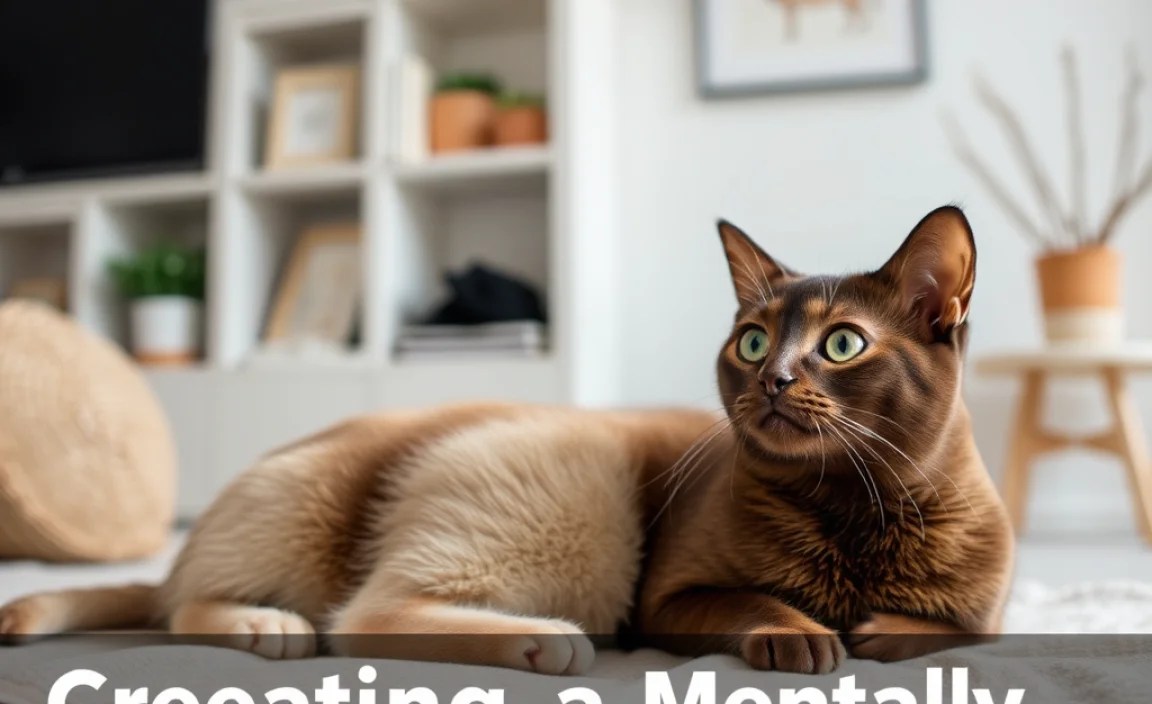
Enrichment is key to a happy cat! A stimulating environment keeps them engaged, reduces boredom, and minimizes stress. Here’s how to create one:
Provide Vertical Space
Cats love to climb and observe from high places. Providing vertical space can significantly improve their mental well-being. According to the RSPCA, vertical space gives cats a sense of security and control over their environment.
- Cat Trees: Invest in a multi-tiered cat tree that allows your cat to climb, scratch, and nap.
- Shelves: Install shelves along the walls to create a cat-friendly climbing route.
- Window Perches: Offer window perches so your cat can watch birds and other outdoor activities.
Offer Scratching Opportunities
Scratching is a natural behavior for cats. It helps them maintain their claws, stretch their muscles, and mark their territory. Providing appropriate scratching surfaces can prevent destructive scratching and keep your cat happy.
- Scratching Posts: Offer a variety of scratching posts, including vertical, horizontal, and angled options.
- Scratching Pads: Place scratching pads made of cardboard, sisal, or carpet in different areas of your home.
- DIY Scratchers: Create your own scratching posts by wrapping rope around a sturdy object.
Engage in Interactive Play
Playtime is crucial for a cat’s mental and physical health. It provides exercise, mental stimulation, and strengthens the bond between you and your cat.
- Wand Toys: Use wand toys with feathers, ribbons, or toy mice to mimic hunting behavior.
- Laser Pointers: Engage your cat in chasing a laser pointer (but always end the session with a tangible toy to “catch”).
- Puzzle Toys: Provide puzzle toys filled with treats to challenge your cat’s problem-solving skills.
- Scheduled Play Sessions: Set aside 15-20 minutes each day for interactive play.
Introduce New Toys Regularly
Cats can get bored with the same old toys. Keep things interesting by rotating toys regularly and introducing new ones.
- Rotate Toys: Swap out toys every few weeks to keep your cat engaged.
- New Textures and Sounds: Introduce toys with different textures, sounds, and movements.
- DIY Toys: Make simple toys using household items like cardboard boxes, toilet paper rolls, and crumpled paper.
Creating a Safe and Secure Environment
A sense of security is vital for your cat’s mental well-being. Here’s how to create a safe and secure environment:
Provide Safe Hiding Places
Cats need safe spaces where they can retreat when feeling stressed or overwhelmed. These hiding places should be easily accessible and comfortable.
- Cardboard Boxes: Place cardboard boxes in various locations around your home.
- Covered Beds: Provide covered cat beds or igloos where your cat can feel protected.
- Quiet Rooms: Designate a quiet room where your cat can escape from noise and activity.
Maintain a Consistent Routine
Cats thrive on routine. Predictable schedules for feeding, playtime, and sleep can reduce anxiety and provide a sense of security.
- Consistent Feeding Times: Feed your cat at the same time each day.
- Regular Play Sessions: Schedule regular playtime sessions.
- Stable Environment: Avoid sudden changes to your cat’s environment or routine.
Minimize Stressful Situations
Identify and minimize potential stressors in your cat’s environment. This could include loud noises, aggressive pets, or unfamiliar visitors.
- Soundproofing: Use soundproofing materials to reduce noise levels.
- Separate Feeding Areas: Provide separate feeding areas for cats to prevent competition and stress.
- Gradual Introductions: Introduce new pets or people gradually and under supervision.
Use Calming Aids
Consider using calming aids to help reduce anxiety and stress in your cat. These can be particularly helpful during stressful situations like vet visits or travel.
- Pheromone Diffusers: Use pheromone diffusers like Feliway to create a calming environment.
- Calming Sprays: Spray calming sprays on bedding or furniture to reduce anxiety.
- Herbal Remedies: Consult with your veterinarian about using herbal remedies like valerian or chamomile.
Recognizing and Addressing Behavioral Changes
Monitoring your cat’s behavior is crucial for early detection of mental health issues. Here’s how to recognize and address behavioral changes:
Keep a Behavior Journal
Track your cat’s daily activities, including eating habits, litter box usage, play sessions, and any unusual behaviors. This can help you identify patterns and potential problems.
| Date | Activity | Observations |
|---|---|---|
| June 5, 2024 | Feeding | Ate less than usual |
| June 5, 2024 | Litter Box | Used litter box normally |
| June 5, 2024 | Play | Less interested in playing |
Consult with Your Veterinarian
If you notice any significant changes in your cat’s behavior, consult with your veterinarian to rule out underlying medical conditions. A vet can perform a physical exam and run tests to identify any health issues that may be contributing to the problem.
Work with a Feline Behaviorist
If your cat’s behavioral issues persist, consider working with a certified feline behaviorist. A behaviorist can assess your cat’s behavior, identify the underlying causes, and develop a customized treatment plan. The International Cat Association (TICA) is a great resource for finding qualified professionals.
Avoid Punishment
Punishing your cat for behavioral issues can worsen the problem and damage your relationship. Instead, focus on positive reinforcement techniques like rewarding desired behaviors with treats or praise.
Nutrition and Mental Health

A balanced diet is essential for your cat’s overall health, including their mental well-being. Proper nutrition can help support brain function and reduce stress. Here’s how to ensure your cat’s diet supports their mental health:
Choose High-Quality Cat Food
Select a cat food that is rich in essential nutrients, including protein, vitamins, and minerals. Avoid foods with artificial colors, flavors, and preservatives.
Consider Omega-3 Fatty Acids
Omega-3 fatty acids, found in fish oil, can help support brain function and reduce inflammation. Talk to your veterinarian about supplementing your cat’s diet with omega-3 fatty acids.
Provide Fresh Water
Ensure your cat always has access to fresh, clean water. Dehydration can lead to stress and other health problems. Consider using a cat water fountain to encourage drinking.
Avoid Sudden Dietary Changes
Sudden changes in diet can cause digestive upset and stress. Introduce new foods gradually over a period of several days.
The Importance of Social Interaction
Cats are social creatures, and interaction with humans and other pets can significantly impact their mental health. Here’s how to ensure your cat gets enough social interaction:
Spend Quality Time with Your Cat
Set aside time each day to interact with your cat. This could include petting, grooming, playing, or simply sitting quietly together. The Cornell Feline Health Center emphasizes the importance of positive human-animal interactions for feline well-being.
Consider a Companion Animal
If your cat is often alone, consider adopting a companion animal. A compatible cat or dog can provide companionship and reduce feelings of loneliness. Introduce new pets gradually and under supervision.
Be Attentive to Your Cat’s Needs
Pay attention to your cat’s body language and respond to their needs. If your cat is seeking attention, provide it. If they are trying to avoid interaction, respect their space.
Mental Health Checklist for Cat Owners
Use this checklist to ensure you’re providing the best possible care for your cat’s mental health:
- Provide Vertical Space: Cat trees, shelves, and window perches.
- Offer Scratching Opportunities: Scratching posts and pads.
- Engage in Interactive Play: Wand toys, laser pointers, and puzzle toys.
- Introduce New Toys Regularly: Rotate toys and introduce new ones.
- Provide Safe Hiding Places: Cardboard boxes and covered beds.
- Maintain a Consistent Routine: Regular feeding and playtimes.
- Minimize Stressful Situations: Soundproofing and separate feeding areas.
- Use Calming Aids: Pheromone diffusers and calming sprays.
- Keep a Behavior Journal: Track daily activities and behaviors.
- Consult with Your Veterinarian: Rule out underlying medical conditions.
- Work with a Feline Behaviorist: Address persistent behavioral issues.
- Choose High-Quality Cat Food: Rich in essential nutrients.
- Provide Fresh Water: Ensure constant access to clean water.
- Spend Quality Time with Your Cat: Petting, grooming, and playing.
FAQ About Cat Mental Health
Here are some frequently asked questions about cat mental health:
1. How can I tell if my cat is stressed?
Look for signs like changes in appetite, litter box issues, excessive grooming, withdrawal, aggression, or changes in vocalization.
2. What are some common stressors for cats?
Common stressors include environmental changes, new pets or people, lack of mental stimulation, loud noises, and changes in routine.
3. How can I create a more stimulating environment for my cat?
Provide vertical space, scratching opportunities, interactive play, and rotate toys regularly.
4. What are some safe hiding places for cats?
Cardboard boxes, covered beds, and quiet rooms can provide safe hiding places.
5. Should I punish my cat for behavioral issues?
No, punishment can worsen the problem. Focus on positive reinforcement techniques instead.
6. Can diet affect my cat’s mental health?
Yes, a balanced diet rich in essential nutrients can support brain function and reduce stress.
7. When should I consult with a veterinarian about my cat’s behavior?
Consult with your veterinarian if you notice any significant changes in your cat’s behavior to rule out underlying medical conditions.
Conclusion
Caring for your cat’s mental health is just as important as caring for their physical health. By creating a stimulating and secure environment, recognizing signs of stress, and addressing behavioral changes promptly, you can significantly improve your cat’s quality of life. Remember, a happy cat makes a happy home, and the effort you put into their mental well-being will be rewarded with a loving and well-adjusted companion. As a British Shorthair owner myself, I know that these gentle giants thrive when they feel safe, loved, and mentally stimulated. So, take these steps, observe your feline friend, and enjoy the wonderful bond you share!


