
How to Keep a British Shorthair Calm: Easy Guide

Quick Summary: To keep your British Shorthair calm, provide a stable environment with consistent routines, scratching posts, and interactive playtime. Ensure they have safe spaces to retreat to, like a comfortable bed or cat tree. Use calming aids such as pheromone diffusers, and avoid sudden changes or loud noises to minimize stress and promote relaxation.
Is your usually placid British Shorthair suddenly acting stressed or anxious? It’s a common worry for many of us who adore this gentle breed. British Shorthairs are known for their laid-back personalities, but even the most relaxed kitty can get the jitters. Understanding the reasons behind their anxiety and knowing how to soothe them is key to a happy, harmonious home.
In this guide, I’ll walk you through practical, step-by-step solutions to help calm your British Shorthair. We’ll cover everything from creating a serene environment to using calming aids, ensuring your furry friend feels safe and secure. Let’s get started!
Understanding Why Your British Shorthair Might Be Anxious

Before we dive into solutions, it’s important to understand the potential causes of anxiety in British Shorthairs. These cats are creatures of habit and thrive on stability. According to the RSPCA, common stressors for cats include changes in routine, new environments, and unfamiliar people or pets.
Here are some common triggers:
- Changes in Routine: Even small changes, like a different feeding time or a new work schedule, can upset your cat.
- New Environments: Moving to a new home or even rearranging furniture can cause stress.
- Loud Noises: Fireworks, construction, or loud music can be frightening.
- New People or Pets: Introducing a new family member or pet can disrupt your cat’s established territory.
- Medical Issues: Sometimes, anxiety can be a symptom of an underlying health problem. Always consult your vet if you notice sudden behavioral changes.
By understanding these triggers, you can take proactive steps to minimize stress and keep your British Shorthair calm.
Creating a Calm Environment
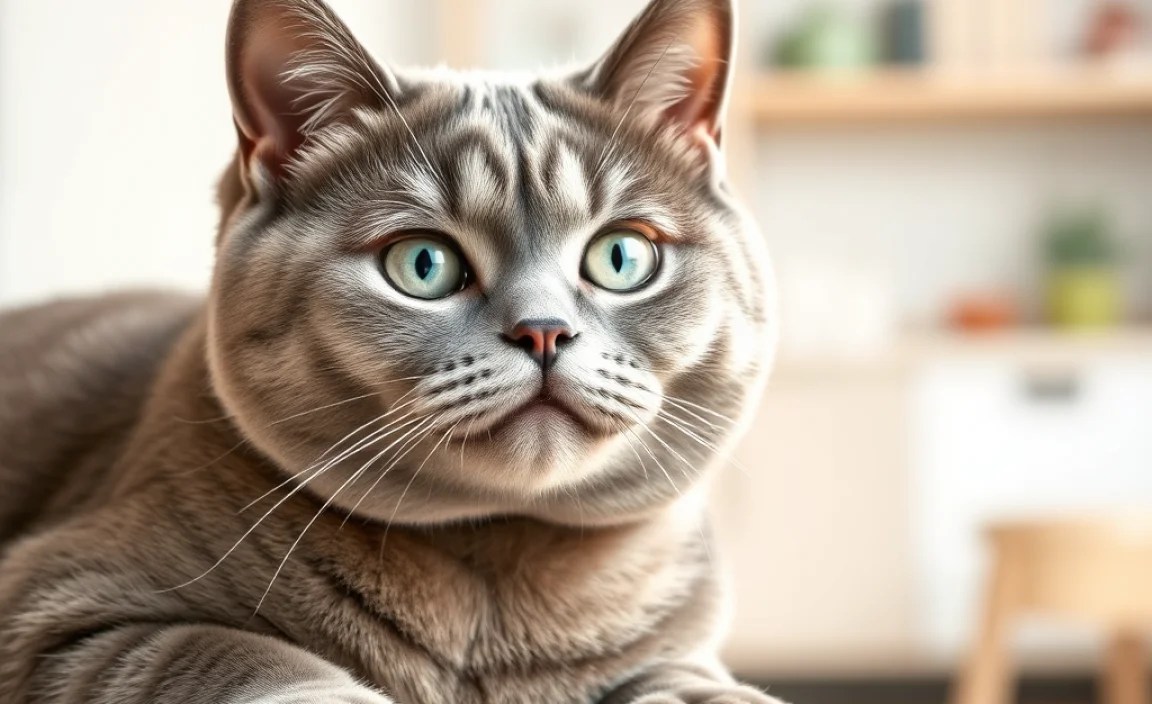
One of the most effective ways to keep your British Shorthair calm is to create a stable and secure environment. Here’s how:
Establish a Consistent Routine
Cats love routine. Feeding, playtime, and even cuddle sessions at the same time each day can provide a sense of security. Here’s a sample daily schedule:
| Time | Activity |
|---|---|
| 7:00 AM | Feeding Time |
| 7:30 AM | Playtime (15-20 minutes) |
| 6:00 PM | Feeding Time |
| 6:30 PM | Grooming Session |
| 7:00 PM | Interactive Play |
| 10:00 PM | Quiet Cuddle Time |
Stick to this schedule as closely as possible, even on weekends. Consistency is key to a calm cat!
Provide Safe Spaces
Cats need a place where they can retreat and feel safe. This could be a cat tree, a cozy bed, or even a cardboard box. According to The International Cat Association (TICA), providing multiple safe spaces throughout your home can significantly reduce anxiety.
Here’s what to consider when setting up a safe space:
- Location: Place the safe space in a quiet area away from high traffic.
- Comfort: Make sure the space is comfortable with soft bedding.
- Accessibility: Ensure your cat can easily access the space whenever they feel the need.
Control the Noise Levels
British Shorthairs are sensitive to loud noises. Minimize noise pollution by:
- Avoiding Loud Music: Keep the volume down, especially when playing music with heavy bass.
- Closing Windows: This can help block out street noise.
- Using White Noise: A white noise machine or fan can help mask sudden, startling sounds.
Interactive Playtime and Exercise
Regular playtime is crucial for a British Shorthair’s physical and mental well-being. It helps them release pent-up energy and reduces stress. Aim for at least 15-20 minutes of interactive play each day.
Types of Play
Here are some great ways to engage your British Shorthair in play:
- Feather Wands: These mimic the movement of prey and are great for stimulating your cat’s hunting instincts.
- Laser Pointers: Use these to create exciting chases, but always end the session with a tangible toy they can “catch.”
- Puzzle Toys: These toys dispense treats as your cat plays, providing mental stimulation and rewarding their efforts.
- Catnip Toys: A classic favorite, catnip can provide a burst of energy and playfulness.
The Benefits of Play
Playtime isn’t just fun; it’s also beneficial for your cat’s health:
- Reduces Boredom: Keeps your cat mentally stimulated and prevents destructive behaviors.
- Promotes Exercise: Helps maintain a healthy weight and improves cardiovascular health.
- Strengthens Bond: Playtime is a great way to bond with your cat and build trust.
Using Calming Aids
Sometimes, despite your best efforts, your British Shorthair may still experience anxiety. In these cases, calming aids can be helpful.
Pheromone Diffusers
Pheromone diffusers release synthetic versions of natural feline pheromones, which can have a calming effect on cats. The Cornell Feline Health Center recommends these diffusers for managing stress-related behaviors.
Here’s how to use them effectively:
- Choose a Reputable Brand: Look for brands like Feliway, which are widely recommended by vets.
- Placement: Plug the diffuser into an outlet in the area where your cat spends the most time.
- Maintenance: Replace the diffuser refill every 30 days to maintain its effectiveness.
Calming Treats and Supplements
Many calming treats and supplements contain ingredients like L-theanine, chamomile, and valerian root, which have natural calming properties. Always consult with your vet before introducing any new supplements to your cat’s diet.
Here’s a quick comparison of common ingredients:
| Ingredient | Benefits | Considerations |
|---|---|---|
| L-Theanine | Reduces anxiety and promotes relaxation. | Generally safe, but monitor for any adverse reactions. |
| Chamomile | Has a mild sedative effect. | Use in moderation. |
| Valerian Root | Can help reduce stress and promote sleep. | Some cats may not like the taste or smell. |
Calming Music
Just like humans, cats can be soothed by music. Research has shown that certain types of music, specifically those with frequencies and tempos that mimic natural feline sounds, can have a calming effect.
Tips for using calming music:
- Choose the Right Music: Look for music specifically designed for cats, often labeled as “cat music.”
- Volume: Keep the volume low and consistent.
- Consistency: Play the music regularly, especially during stressful times like thunderstorms or fireworks.
Managing Specific Stressful Situations

Certain situations are inherently stressful for cats. Knowing how to manage these situations can make a big difference in your British Shorthair’s overall well-being.
Vet Visits
Vet visits can be a major source of anxiety for cats. Here are some tips to make the experience less stressful:
- Get Your Cat Used to the Carrier: Leave the carrier out in your home with a comfortable blanket inside. Encourage your cat to explore it by placing treats or toys inside.
- Use Pheromone Sprays: Spray the carrier with a pheromone spray 30 minutes before the vet visit.
- Bring a Familiar Blanket: Place a blanket that smells like home in the carrier.
- Stay Calm: Your cat can sense your anxiety, so try to remain calm and reassuring.
Introducing New Pets
Introducing a new pet into the household can be a challenging process. The key is to do it slowly and gradually.
- Scent Swapping: Before introducing the pets face-to-face, swap their bedding so they can get used to each other’s scent.
- Separate Spaces: Keep the pets in separate areas of the house initially, allowing them to interact through the door.
- Supervised Visits: Gradually introduce supervised visits, starting with short periods and gradually increasing the time.
- Positive Reinforcement: Reward calm behavior with treats and praise.
Moving to a New Home
Moving can be stressful for everyone, including your cat. Here’s how to make the transition smoother:
- Keep the Routine: Maintain your cat’s regular feeding and playtime schedule as much as possible.
- Safe Room: Set up a “safe room” in your new home with familiar items like their bed, litter box, and toys.
- Explore Gradually: Allow your cat to explore the new home at their own pace, starting with the safe room and gradually expanding their territory.
- Pheromone Diffusers: Use pheromone diffusers in the new home to help your cat feel more secure.
Recognizing Signs of Anxiety
Being able to recognize the signs of anxiety in your British Shorthair is crucial for addressing the issue promptly. Here are some common signs to watch out for:
- Hiding: Spending more time hiding than usual.
- Excessive Grooming: Over-grooming, which can lead to bald patches.
- Changes in Appetite: Eating more or less than usual.
- Litter Box Issues: Urinating or defecating outside the litter box.
- Aggression: Becoming more irritable or aggressive.
- Restlessness: Pacing or inability to settle down.
If you notice any of these signs, consult with your vet to rule out any underlying medical conditions and discuss strategies for managing your cat’s anxiety.
When to Consult a Veterinarian
While many cases of anxiety can be managed with environmental changes and calming aids, it’s important to know when to seek professional help. Consult your veterinarian if:
- The anxiety is severe: If your cat is displaying extreme signs of distress, such as panic attacks or self-harm.
- The anxiety is sudden: If the anxiety appears suddenly and without an obvious cause.
- The anxiety is persistent: If the anxiety persists despite your best efforts to manage it at home.
- You suspect a medical condition: If you suspect that the anxiety may be related to an underlying medical condition.
Your vet can perform a thorough examination to rule out any medical issues and recommend appropriate treatment options, such as medication or behavioral therapy.
FAQ: Keeping Your British Shorthair Calm
1. Why is my British Shorthair suddenly anxious?
Sudden anxiety in British Shorthairs can be triggered by changes in routine, new environments, loud noises, or the introduction of new people or pets. It’s also important to rule out any underlying medical conditions by consulting with your vet.
2. How can I create a calming environment for my cat?
Create a calming environment by establishing a consistent routine, providing safe spaces, minimizing loud noises, and ensuring your cat has access to plenty of toys and enrichment activities.
3. Are pheromone diffusers safe for cats?
Yes, pheromone diffusers like Feliway are generally considered safe for cats. They release synthetic versions of natural feline pheromones, which can help reduce anxiety and promote relaxation. Always follow the manufacturer’s instructions for proper use.
4. What are some natural calming remedies for cats?
Natural calming remedies for cats include L-theanine, chamomile, and valerian root. These ingredients can be found in calming treats and supplements. However, it’s always best to consult with your vet before introducing any new supplements to your cat’s diet.
5. How can I make vet visits less stressful for my British Shorthair?
To make vet visits less stressful, get your cat used to the carrier, use pheromone sprays, bring a familiar blanket, and stay calm during the visit. You can also ask your vet about ways to make the appointment more comfortable for your cat.
6. What are the signs of anxiety in British Shorthairs?
Signs of anxiety in British Shorthairs include hiding, excessive grooming, changes in appetite, litter box issues, aggression, and restlessness. If you notice any of these signs, consult with your vet.
7. How important is playtime for a British Shorthair’s mental health?
Playtime is very important for a British Shorthair’s mental health. It helps them release energy, reduces boredom, and strengthens the bond between you and your cat. Aim for at least 15-20 minutes of interactive play each day.
Conclusion
Keeping your British Shorthair calm involves understanding their needs, creating a stable environment, and using calming aids when necessary. By establishing a consistent routine, providing safe spaces, and engaging in regular playtime, you can help your furry friend feel secure and content. Remember to consult with your veterinarian if you have any concerns about your cat’s anxiety or behavior. With patience and understanding, you can ensure a happy and harmonious life for your beloved British Shorthair.


