
Indoor Activities for British Shorthairs: The Ultimate Guide

Quick Summary: Keeping your British Shorthair happy indoors is easy! Provide interactive toys like puzzle feeders and wands, create climbing opportunities with cat trees, and offer cozy resting spots. Schedule daily playtime, rotate toys to maintain interest, and consider a feline companion. These simple activities will keep your kitty entertained, healthy, and content inside your home.
Bringing a British Shorthair into your home means welcoming a calm and loving companion. But even the most laid-back cats need entertainment! As a breed known for their relaxed nature, it’s easy to think they don’t need much activity. However, without enough to do indoors, they can become bored or even a bit chubby.
Don’t worry! This guide will help you create an enriching indoor environment for your British Shorthair. We’ll explore fun activities, essential toys, and simple ways to keep your feline friend happy and healthy inside. Let’s get started!
Understanding Your British Shorthair’s Needs

Before diving into activities, let’s understand what makes your British Shorthair tick. This breed is known for its:
- Calm Temperament: They’re not as hyperactive as some breeds, but they still need exercise and mental stimulation.
- Intelligence: British Shorthairs are smart cookies! They enjoy puzzle toys and games that challenge their minds.
- Affectionate Nature: They love spending time with their humans, making interactive play even more rewarding.
- Potential for Weight Gain: They can easily become overweight without enough activity, so keeping them moving is crucial.
Why Indoor Enrichment Matters
Providing indoor enrichment is essential for your British Shorthair’s well-being. It helps to:
- Prevent Boredom: Keeps them from getting restless and potentially destructive.
- Maintain a Healthy Weight: Encourages physical activity to burn calories.
- Reduce Stress: Provides mental stimulation to keep them happy and relaxed.
- Strengthen Your Bond: Interactive play creates a stronger connection between you and your cat.
Top Indoor Activities for British Shorthairs

Now, let’s explore some fun and engaging indoor activities your British Shorthair will love:
1. Interactive Play with Toys
Interactive toys are a fantastic way to engage your cat’s hunting instincts and provide exercise. Here are some great options:
- Wand Toys: These toys mimic the movement of prey, encouraging your cat to chase, pounce, and swat.
- Laser Pointers: Cats love chasing the elusive red dot! However, always end the session by letting them “catch” a physical toy to avoid frustration.
- Puzzle Feeders: These toys dispense food or treats when your cat solves a puzzle, providing mental stimulation and slowing down eating.
- Toy Mice: Classic cat toys that encourage chasing and batting.
- Crinkle Balls: The crinkling sound is irresistible to many cats, sparking their curiosity and playfulness.
Tips for Interactive Play:
- Schedule Daily Playtime: Aim for at least 15-20 minutes of interactive play each day.
- Vary the Toys: Rotate toys regularly to keep your cat interested and prevent boredom.
- Mimic Natural Prey Behavior: Move the toys in a way that resembles how prey would move in the wild.
- Let Your Cat “Win”: Allow your cat to catch the toy occasionally to satisfy their hunting instincts.
2. Creating a Cat-Friendly Environment
Transforming your home into a cat-friendly paradise will encourage your British Shorthair to explore, climb, and play. Consider these additions:
- Cat Trees: These provide vertical space for climbing, scratching, and perching, satisfying their natural instincts.
- Window Perches: Cats love to watch the world go by! A window perch offers a comfortable spot for birdwatching and sunbathing.
- Scratching Posts: Essential for maintaining healthy claws and preventing damage to your furniture.
- Tunnels and Hideaways: Cats enjoy having cozy places to retreat and feel safe.
Choosing the Right Cat Tree:
When selecting a cat tree, consider the following:
- Height: Choose a cat tree that is tall enough to provide a good vantage point for your cat.
- Stability: Ensure the cat tree is sturdy and won’t wobble or tip over.
- Materials: Look for durable materials that can withstand scratching and climbing.
- Features: Consider features like scratching posts, hideaways, and dangling toys.
3. Food-Related Activities
Making mealtime more engaging can provide mental stimulation and prevent boredom. Here are some ideas:
- Puzzle Feeders: As mentioned earlier, these toys require your cat to work for their food, providing a fun and challenging activity. You can find these online at places like Chewy or Amazon.
- Hide Food Around the House: Place small portions of food in different locations to encourage your cat to “hunt” for their meals.
- Treat Balls: These toys dispense treats as your cat rolls them around, providing exercise and mental stimulation.
4. Training and Clicker Training
British Shorthairs are intelligent and can be trained using positive reinforcement techniques. Training can provide mental stimulation and strengthen your bond.
- Basic Commands: Teach your cat simple commands like “sit,” “stay,” and “come.”
- Clicker Training: Use a clicker to mark desired behaviors and reward your cat with treats.
- Agility Training: Set up a simple agility course using household items and encourage your cat to navigate it.
Tips for Training:
- Keep Training Sessions Short: Aim for 5-10 minute sessions to keep your cat engaged.
- Use Positive Reinforcement: Reward desired behaviors with treats, praise, or petting.
- Be Patient: It may take time for your cat to learn new commands.
- End on a Positive Note: Always end the training session with a successful command.
5. Social Interaction
British Shorthairs are affectionate cats who enjoy spending time with their humans. Make sure to provide plenty of attention and interaction.
- Petting and Cuddling: Spend time petting and cuddling your cat to show them affection.
- Talking to Your Cat: Cats enjoy the sound of their owner’s voice. Talk to your cat throughout the day.
- Grooming: Regular grooming is a great way to bond with your cat and keep their coat healthy.
- Lap Time: Many British Shorthairs enjoy sitting on their owner’s lap for a nap or cuddle.
6. The Importance of Catnip
Catnip is a natural herb that many cats find irresistible. It can be used to encourage playfulness and relaxation.
- Catnip Toys: Offer your cat toys filled with catnip to encourage play.
- Sprinkle Catnip: Sprinkle catnip on scratching posts or cat trees to encourage their use.
- Catnip Spray: Use catnip spray to refresh old toys or make new ones more appealing.
Caution with Catnip:
- Not All Cats React: About 20-30% of cats don’t react to catnip.
- Moderate Use: Use catnip in moderation to prevent overstimulation.
- Store Properly: Store catnip in an airtight container to maintain its potency.
Creating a Stimulating Environment: Practical Tips
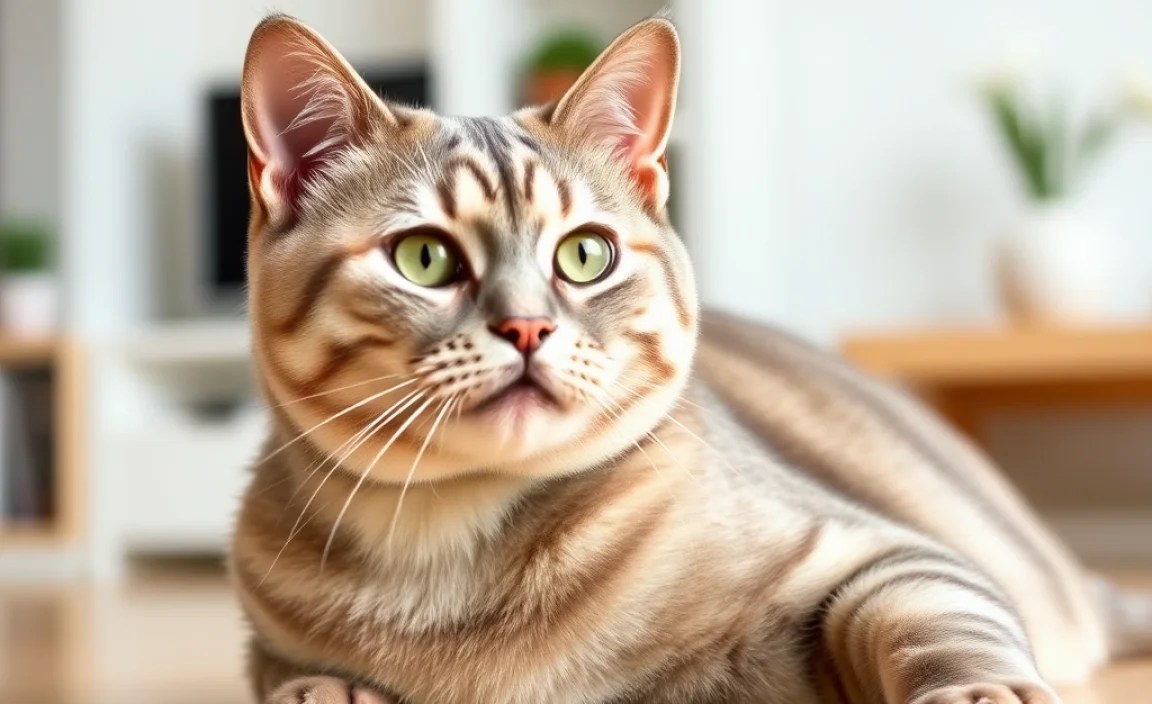
Here are some practical tips to create a stimulating indoor environment for your British Shorthair:
- Vertical Space: Provide plenty of vertical space with cat trees, shelves, and window perches.
- Scratching Opportunities: Offer a variety of scratching posts and surfaces to satisfy their natural instincts.
- Safe Hiding Places: Provide cozy hideaways where your cat can retreat and feel safe.
- Variety of Toys: Rotate toys regularly to keep your cat interested and prevent boredom.
- Natural Light: Ensure your cat has access to natural light and views of the outdoors.
- Clean Litter Box: Keep the litter box clean and accessible to encourage good hygiene.
Troubleshooting Common Issues
Even with the best efforts, you might encounter some challenges. Here’s how to address them:
- Boredom: If your cat seems bored, try introducing new toys or activities.
- Destructive Behavior: If your cat is scratching furniture or engaging in other destructive behaviors, provide more appropriate outlets, such as scratching posts.
- Overeating: If your cat is overeating, try using a puzzle feeder to slow down their eating and provide mental stimulation.
- Lack of Exercise: If your cat isn’t getting enough exercise, schedule more interactive playtime and encourage them to explore their environment.
Here is a quick guide on some potential issues, their causes, and solutions:
| Issue | Possible Cause | Solution |
|---|---|---|
| Boredom | Lack of stimulation, repetitive routine | Introduce new toys, rotate toys, increase playtime, consider a cat companion |
| Destructive Scratching | Natural scratching instinct, lack of appropriate outlets | Provide multiple scratching posts, different textures, use catnip to attract to posts |
| Overeating | Boredom, free-feeding | Use puzzle feeders, schedule meals, control portion sizes |
| Lack of Exercise | Sedentary lifestyle, limited space | Increase playtime, use wand toys, create climbing opportunities with cat trees |
Introducing a Second Cat
Consider getting your British Shorthair a feline friend! A companion can provide social interaction and reduce boredom, especially when you’re not home. The International Cat Care offers excellent guidance on introducing cats.
Tips for Introducing a New Cat:
- Slow Introduction: Keep the cats separated initially and gradually introduce them to each other’s scent.
- Separate Resources: Provide separate food bowls, water bowls, litter boxes, and sleeping areas for each cat.
- Supervise Interactions: Supervise their interactions carefully and intervene if necessary.
- Positive Reinforcement: Reward positive interactions with treats and praise.
Maintaining a Healthy Lifestyle
In addition to providing indoor activities, it’s important to ensure your British Shorthair has a healthy lifestyle. This includes:
- Balanced Diet: Feed your cat a high-quality diet that is appropriate for their age and activity level.
- Regular Vet Checkups: Schedule regular vet checkups to ensure your cat is healthy and up-to-date on vaccinations. The RSPCA recommends regular vaccinations for cats to protect them from diseases.
- Grooming: Groom your cat regularly to prevent matting and hairballs.
- Dental Care: Provide dental care to prevent dental disease.
Adapting Activities for Senior Cats
As your British Shorthair ages, their activity levels may decrease. It’s important to adapt activities to suit their needs.
- Gentle Play: Engage in gentle play sessions that don’t put too much strain on their joints.
- Comfortable Resting Spots: Provide comfortable and accessible resting spots.
- Warmth: Keep your senior cat warm, as they may be more sensitive to cold temperatures.
- Regular Vet Checkups: Schedule more frequent vet checkups to monitor their health and address any age-related issues.
Here is a summary of how to adapt activities for senior cats:
| Activity | Adaptation for Senior Cats |
|---|---|
| Playtime | Shorter, gentler sessions; focus on slow-moving toys |
| Climbing | Provide ramps or steps to reach higher places; ensure cat trees are stable |
| Feeding | Use raised food bowls; consider softer food if they have dental issues |
| Grooming | Gentle brushing; be mindful of sensitive areas |
Indoor Activities for British Shorthair Cats: FAQs
Here are some frequently asked questions about indoor activities for British Shorthair cats:
- Q: How much playtime does my British Shorthair need?
- A: Aim for at least 15-20 minutes of interactive play each day. Break it up into shorter sessions if needed.
- Q: What are some good toys for British Shorthairs?
- A: Wand toys, puzzle feeders, toy mice, and crinkle balls are all great options. Rotate toys to keep your cat interested.
- Q: How can I prevent my British Shorthair from getting bored indoors?
- A: Provide a variety of activities, including interactive play, climbing opportunities, and puzzle feeders. Rotate toys regularly and consider a feline companion.
- Q: Is it okay to use a laser pointer with my British Shorthair?
- A: Yes, but always end the session by letting them “catch” a physical toy to avoid frustration.
- Q: How do I introduce a new cat to my British Shorthair?
- A: Introduce them slowly, keeping them separated initially and gradually introducing them to each other’s scent. Provide separate resources and supervise their interactions.
- Q: How can I encourage my British Shorthair to use a scratching post?
- A: Place the scratching post in a prominent location, such as near their sleeping area or favorite spot. Use catnip to attract them to the post.
- Q: What should I do if my British Shorthair is overeating?
- A: Use a puzzle feeder to slow down their eating and provide mental stimulation. Control portion sizes and avoid free-feeding.
Conclusion
Creating a stimulating and enriching indoor environment for your British Shorthair is essential for their physical and mental well-being. By providing interactive toys, climbing opportunities, puzzle feeders, and plenty of attention, you can keep your feline friend happy, healthy, and entertained. Remember to adapt activities to suit their age and needs, and always provide a safe and comfortable home. With a little effort, you can ensure your British Shorthair lives a long and fulfilling life indoors.


