
British Shorthair Cat Relaxation Tips: The Secret?

Quick Summary: British Shorthair cats relax best with a consistent routine, safe spaces, and gentle interaction. Provide comfortable beds, scratching posts, and quiet areas. Use calming pheromone diffusers, engage in gentle play, and avoid sudden loud noises. A stable environment and positive reinforcement can help your British Shorthair feel secure and relaxed.
Is your British Shorthair a little bundle of stress instead of the relaxed companion you imagined? Don’t worry; many owners face this. These typically calm cats can sometimes get anxious due to changes in their environment, loud noises, or even just boredom. The good news is, with a few simple adjustments to their surroundings and routine, you can help your British Shorthair cat relax and enjoy a peaceful life.
In this article, we’ll explore practical and easy-to-implement relaxation tips to create a calming environment for your feline friend. We’ll cover everything from setting up cozy spots and using calming aids to understanding their body language and providing gentle playtime. Let’s get started on making your British Shorthair the relaxed, happy cat they’re meant to be!
Creating a Relaxing Environment

A serene environment is key to a relaxed British Shorthair. Here’s how to set up the perfect space for your feline friend:
Provide Comfortable Resting Spots
Cats love to have multiple places where they feel safe and can relax. British Shorthairs are no exception. Here’s how to create the perfect napping spots:
- Soft Beds: Place soft, plush beds in various locations around your home. Consider different types, such as enclosed beds for security and open beds for lounging.
- Elevated Perches: Cats often feel safer when they have a high vantage point. Install cat trees or shelves where your British Shorthair can observe their surroundings.
- Window Views: Many cats enjoy watching the outside world. Ensure your cat has access to windowsills or perches near windows.
Minimize Stressful Noises
Loud or sudden noises can easily startle and stress your British Shorthair. Here’s how to reduce noise-related anxiety:
- Soundproofing: Use thick curtains, rugs, and furniture to absorb sound.
- Quiet Zones: Designate quiet areas where your cat can retreat when they feel overwhelmed.
- Gradual Introductions: Introduce new sounds (e.g., vacuum cleaner, doorbell) gradually and pair them with positive reinforcement, like treats.
Maintain a Consistent Routine
Cats thrive on predictability. A consistent daily routine can significantly reduce anxiety. Here’s what to include:
- Feeding Schedule: Feed your cat at the same times each day.
- Playtime: Schedule regular playtime sessions to provide mental and physical stimulation.
- Grooming: Incorporate grooming into your daily routine to strengthen your bond and keep your cat comfortable.
Using Calming Aids
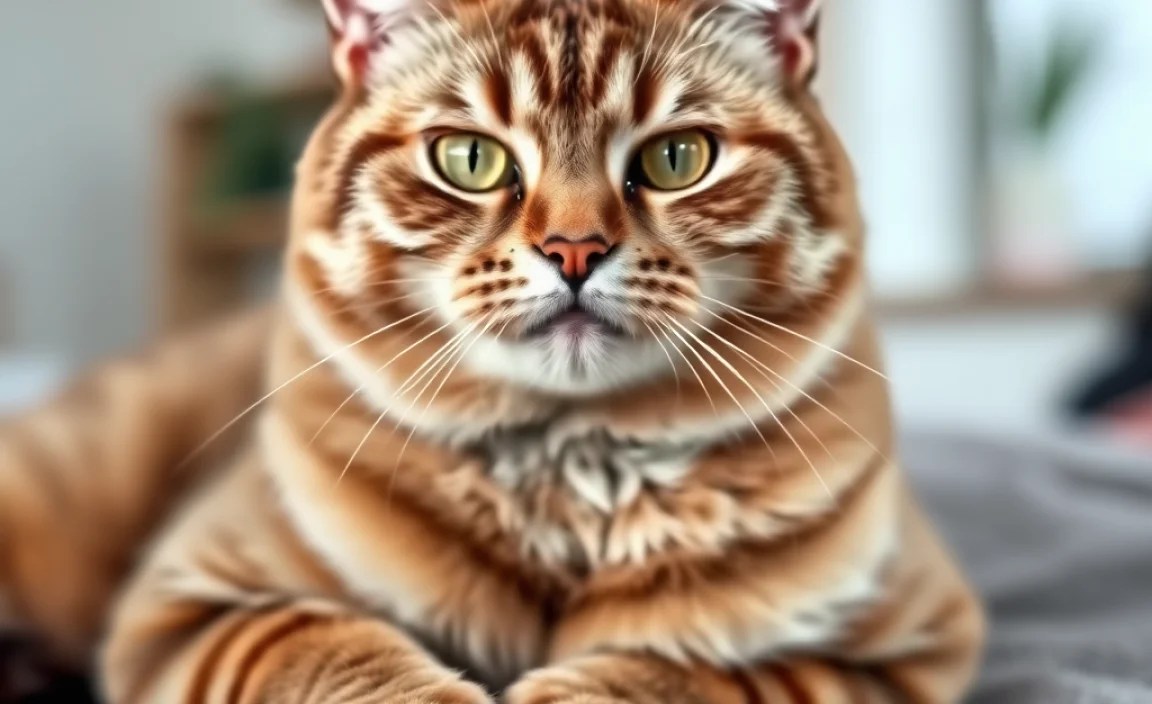
Sometimes, environmental adjustments aren’t enough. Calming aids can provide additional support for anxious British Shorthairs.
Pheromone Diffusers and Sprays
Feline pheromone products mimic natural cat pheromones that promote relaxation. According to The International Cat Association (TICA), these can be particularly effective in multi-cat households or during stressful events like moving or introducing a new pet.
- Diffusers: Plug-in diffusers release a constant stream of pheromones into the air.
- Sprays: Use sprays on bedding, scratching posts, and other areas where your cat spends time. Avoid spraying directly on your cat.
Calming Supplements
Certain supplements can help reduce anxiety in cats. Always consult with your veterinarian before introducing any new supplements. Some options include:
- L-Theanine: An amino acid that promotes relaxation without sedation.
- Zylkene: A milk-derived protein that has calming effects.
- Herbal Remedies: Some owners find chamomile or valerian root helpful, but these should be used with caution and veterinary guidance.
Soothing Music and Sounds
Just like humans, cats can be soothed by music. Specially designed cat music often incorporates frequencies and rhythms that are appealing to felines.
- Classical Music: Soft classical music can have a calming effect.
- Nature Sounds: Sounds like rain, ocean waves, or birdsong can be soothing.
- Avoid Loud Music: Steer clear of genres with heavy bass or sudden loud noises.
Understanding Your British Shorthair’s Body Language

Recognizing the signs of stress or relaxation in your British Shorthair is crucial for addressing their needs effectively.
Signs of Relaxation
Here’s what a relaxed British Shorthair typically looks like:
- Slow Blinking: Often referred to as “cat kisses,” slow blinking indicates trust and contentment.
- Purring: While sometimes indicating pain or stress, purring often signifies happiness and relaxation.
- Kneading: This behavior, often seen when a cat is comfortable, involves rhythmically pushing their paws into a soft surface.
- Relaxed Posture: A relaxed cat will have a loose, non-tense posture, often lying on their side or back with their belly exposed.
Signs of Stress
Be alert to these signs that your cat may be feeling anxious or stressed:
- Hiding: Retreating to a hiding spot is a common sign of fear or anxiety.
- Excessive Grooming: Over-grooming can be a coping mechanism for stress.
- Changes in Appetite: Stress can lead to a decrease or increase in appetite.
- Aggression: Hissing, swatting, or biting can indicate that your cat feels threatened.
- Dilated Pupils: Enlarged pupils, even in bright light, can be a sign of fear or stress.
Responding to Stress Signals
When you notice signs of stress, take these steps:
- Identify the Source: Try to determine what is causing your cat’s anxiety.
- Remove the Stressor: If possible, remove or minimize the source of stress.
- Provide a Safe Space: Ensure your cat has access to a quiet, secure area where they can retreat.
- Offer Comfort: Speak to your cat in a calm, soothing voice and offer gentle petting if they are receptive.
Interactive Play and Exercise

Mental and physical stimulation are essential for a relaxed and happy British Shorthair. Interactive play can help reduce boredom and anxiety.
Types of Toys
Offer a variety of toys to keep your cat engaged:
- Wand Toys: These mimic the movement of prey and encourage your cat to stalk, chase, and pounce.
- Puzzle Toys: These toys challenge your cat to solve a problem to get a treat, providing mental stimulation.
- Scratching Posts: Scratching is a natural behavior that helps cats relieve stress and maintain their claws. Provide a variety of scratching surfaces.
- Balls and Mice: Simple toys that your cat can chase and bat around.
Playtime Routine
Establish a regular playtime routine to provide consistent stimulation:
- Short, Frequent Sessions: Aim for several short play sessions throughout the day, rather than one long session.
- End on a High Note: Finish each play session with a successful “catch” to boost your cat’s confidence.
- Rotate Toys: Keep your cat interested by rotating their toys regularly.
Benefits of Play
Interactive play offers numerous benefits:
- Reduces Boredom: Keeps your cat mentally stimulated and prevents destructive behaviors.
- Provides Exercise: Helps maintain a healthy weight and prevents obesity-related health problems.
- Strengthens Bond: Enhances the bond between you and your cat through positive interaction.
Nutrition and Hydration
A balanced diet and proper hydration play a significant role in your British Shorthair’s overall well-being and can influence their stress levels.
High-Quality Diet
Feed your cat a high-quality diet that meets their nutritional needs. Look for cat food that is rich in protein and low in fillers. Consult with your veterinarian to determine the best food for your cat’s age, weight, and health condition.
Fresh Water
Ensure your cat always has access to fresh, clean water. Cats can be picky about their water, so try different types of bowls (e.g., ceramic, stainless steel) and consider using a cat water fountain to encourage drinking. Dehydration can lead to stress and health problems.
Scheduled Feeding Times
Maintain a consistent feeding schedule to provide a sense of security. Avoid free-feeding, as this can lead to overeating and weight gain. Divide your cat’s daily food allowance into two or three meals.
Grooming and Physical Contact
Regular grooming and gentle physical contact can be incredibly soothing for your British Shorthair, strengthening your bond and promoting relaxation.
Brushing Routine
British Shorthairs have a dense coat that requires regular brushing to prevent matting and reduce shedding. Aim to brush your cat several times a week, or even daily during shedding season. Use a soft-bristled brush or a grooming glove to gently remove loose hair.
Gentle Petting
Most British Shorthairs enjoy gentle petting, especially around the head, cheeks, and chin. Pay attention to your cat’s body language and avoid petting them if they seem uncomfortable or stressed. Never force physical contact.
Creating Positive Associations
Associate grooming and petting with positive experiences by offering treats or praise. This will help your cat view these activities as enjoyable and relaxing.
Dealing with Specific Stressful Situations
Certain situations are inherently stressful for cats. Knowing how to manage these situations can help minimize anxiety.
Vet Visits
Vet visits can be a major source of stress for many cats. Here are some tips to make them more manageable:
- Acclimatize to the Carrier: Leave the carrier out and make it a comfortable space with soft bedding and treats.
- Use Pheromone Sprays: Spray the carrier with a calming pheromone spray before the visit.
- Calm Demeanor: Stay calm and speak to your cat in a soothing voice during the visit.
- Positive Reinforcement: Reward your cat with treats and praise after the visit.
Travel
Traveling can be stressful for cats. Here’s how to make it easier:
- Secure Carrier: Use a secure, well-ventilated carrier.
- Familiar Items: Place familiar bedding and toys in the carrier.
- Minimize Noise: Keep the car quiet and avoid sudden stops or starts.
- Breaks: If traveling long distances, take breaks to offer water and let your cat stretch their legs in a safe, enclosed area.
Introducing New Pets
Introducing a new pet can be a delicate process. Follow these steps to minimize stress:
- Scent Exchange: Allow the cats to exchange scents by rubbing a towel on one cat and placing it near the other.
- Separate Spaces: Keep the cats in separate areas initially, allowing them to interact through a closed door.
- Supervised Visits: Gradually introduce supervised visits in a neutral area.
- Positive Reinforcement: Reward both cats for calm behavior during interactions.
When to Seek Professional Help
If your British Shorthair’s anxiety is severe or persistent, it’s essential to seek professional help. A veterinarian or certified feline behaviorist can provide guidance and treatment options.
Signs That Professional Help Is Needed
- Severe Anxiety: Excessive hiding, aggression, or self-harm.
- Changes in Behavior: Sudden changes in appetite, litter box habits, or activity level.
- Ineffective Strategies: Home remedies and environmental adjustments are not providing relief.
Types of Professionals
- Veterinarian: Can rule out medical causes of anxiety and prescribe medication if necessary.
- Certified Feline Behaviorist: Can provide expert advice on behavior modification techniques and create a customized treatment plan.
| Relaxation Tip | Description | Benefits |
|---|---|---|
| Comfortable Resting Spots | Provide soft beds, elevated perches, and window views. | Offers security and relaxation. |
| Minimize Stressful Noises | Use soundproofing, quiet zones, and gradual introductions to new sounds. | Reduces noise-related anxiety. |
| Consistent Routine | Maintain a regular feeding, playtime, and grooming schedule. | Provides predictability and reduces anxiety. |
| Pheromone Diffusers | Use diffusers and sprays to mimic natural calming pheromones. | Promotes relaxation, especially in multi-cat households. |
| Calming Supplements | Consult vet and use supplements like L-Theanine or Zylkene. | Reduces anxiety without sedation. |
| Soothing Music | Play classical music or nature sounds. | Calms the cat with frequencies appealing to felines. |
| Interactive Play | Use wand toys, puzzle toys, and scratching posts. | Reduces boredom, provides exercise, and strengthens the bond. |
| High-Quality Diet | Feed a protein-rich, low-filler cat food. | Supports overall well-being. |
| Fresh Water | Ensure constant access to clean water. | Prevents dehydration and stress. |
| Brushing Routine | Brush several times a week to prevent matting. | Strengthens the bond and promotes relaxation. |
Frequently Asked Questions
1. How do I know if my British Shorthair is stressed?
Look for signs like hiding, excessive grooming, changes in appetite, aggression, or dilated pupils. These can indicate your cat is feeling anxious or threatened.
2. What are some quick ways to calm my British Shorthair during a stressful event?
Provide a safe space, speak in a soothing voice, and offer gentle petting if they are receptive. You can also use a calming pheromone spray in their environment.
3. Can calming supplements really help my cat’s anxiety?
Yes, some supplements like L-Theanine and Zylkene have been shown to reduce anxiety in cats. Always consult with your veterinarian before starting any new supplements.
4. How often should I play with my British Shorthair to keep them relaxed?
Aim for several short play sessions throughout the day, rather than one long session. This provides consistent mental and physical stimulation.
5. Is it normal for my British Shorthair to hide sometimes?
Yes, hiding is a natural behavior for cats, especially when they feel stressed or threatened. Ensure they have access to safe, quiet hiding spots.
6. What type of music is best for calming my British Shorthair?
Soft classical music or nature sounds like rain or ocean waves can have a calming effect. Avoid music with heavy bass or sudden loud noises.
7. How can I make vet visits less stressful for my British Shorthair?
Acclimatize your cat to the carrier, use pheromone sprays, stay calm during the visit, and reward them with treats and praise afterward.
Helping your British Shorthair relax involves a combination of environmental adjustments, calming aids, and understanding their individual needs. By creating a consistent, safe, and stimulating environment, you can significantly reduce their anxiety and improve their overall well-being. Remember to pay close attention to their body language and seek professional help when needed. With patience and care, you can help your British Shorthair live a happy and relaxed life.


