
Ultimate Indoor Temperature Control for British Shorthairs

Quick Summary: Maintaining the right indoor temperature is vital for your British Shorthair’s comfort and health. Aim for a range of 68-78°F (20-26°C). Provide cool spots in summer and warm, draft-free areas in winter. Watch for signs of overheating or chilling, and adjust your home’s environment accordingly to keep your feline friend happy and healthy.
Is your British Shorthair panting in the summer heat or shivering in the winter chill? As a breed with a dense coat, British Shorthairs are particularly sensitive to extreme temperatures. Keeping your home at the right temperature is more than just a comfort issue; it’s crucial for their health and well-being. Don’t worry, it’s easier than you might think! This guide will walk you through simple steps to ensure your British Shorthair stays cozy and content all year round. Let’s dive in and create the purr-fect environment for your feline friend!
Understanding Your British Shorthair’s Temperature Needs

British Shorthairs, with their plush, dense coats, are well-adapted to cooler climates. However, this doesn’t mean they’re immune to the effects of extreme heat or cold. Understanding their specific needs is the first step in providing a comfortable and safe environment.
Ideal Temperature Range
The ideal indoor temperature for a British Shorthair is generally between 68-78°F (20-26°C). This range ensures they’re neither too hot nor too cold. Think of it as the “Goldilocks zone” for your furry companion.
Why Temperature Control Matters
Maintaining the right temperature is essential for several reasons:
- Health: Extreme temperatures can lead to health issues like heatstroke or hypothermia.
- Comfort: A comfortable cat is a happy cat. Temperature affects their overall well-being.
- Activity Levels: When comfortable, your British Shorthair is more likely to play and stay active.
Recognizing Signs of Temperature Discomfort

Your British Shorthair can’t tell you they’re too hot or cold, so it’s up to you to recognize the signs. Early detection can prevent serious health issues.
Signs of Overheating
If your British Shorthair is too hot, you might notice the following:
- Panting: Cats rarely pant, so this is a clear sign of distress.
- Lethargy: A decrease in activity and energy.
- Excessive Grooming: Trying to cool down by wetting their fur with saliva.
- Red Gums: A sign of increased body temperature.
- Rapid Breathing: Faster and more shallow breaths.
Signs of Being Too Cold
When your British Shorthair is feeling chilly, look for these signs:
- Shivering: Obvious trembling and shaking.
- Huddling: Curling up into a tight ball to conserve heat.
- Seeking Warm Spots: Lying near radiators, fireplaces, or in sunny spots.
- Lethargy: Reduced activity and a general lack of interest in playing.
Practical Tips for Summer Temperature Control
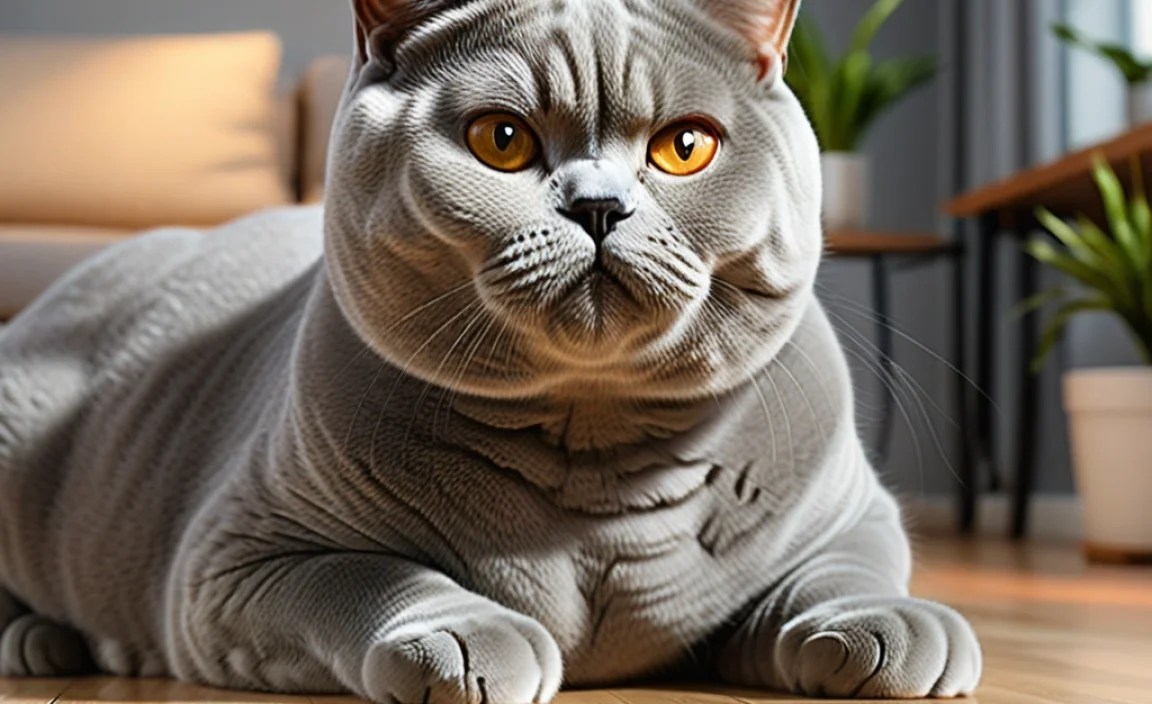
Summer heat can be especially challenging for British Shorthairs. Here are some practical tips to keep them cool and comfortable during the warmer months.
Air Conditioning and Fans
Air conditioning is the most effective way to keep your home cool. If you don’t have AC, fans can help circulate air. Position fans to create a gentle breeze, but avoid pointing them directly at your cat for extended periods.
Providing Cool Resting Spots
Create cool zones where your cat can escape the heat:
- Cool Tiles or Mats: Ceramic tiles or cooling mats provide a refreshing surface to lie on.
- Shaded Areas: Ensure your cat has access to shaded areas, especially during the hottest part of the day.
- Elevated Beds: Elevated beds allow for better air circulation.
Hydration is Key
Ensure your British Shorthair stays hydrated by providing plenty of fresh water. Consider these tips:
- Multiple Water Bowls: Place water bowls in various locations around your home.
- Water Fountain: A cat water fountain can encourage drinking.
- Ice Cubes: Add ice cubes to their water for a refreshing treat.
Grooming to Reduce Heat
Regular grooming can help your British Shorthair stay cool by removing excess fur. Brush them frequently to prevent matting and reduce the insulating effect of their coat.
DIY Cooling Solutions
Get creative with these DIY cooling solutions:
- Damp Towel: Place a damp towel on the floor for your cat to lie on.
- Frozen Water Bottle: Wrap a frozen water bottle in a towel and place it near their favorite resting spot.
Practical Tips for Winter Temperature Control
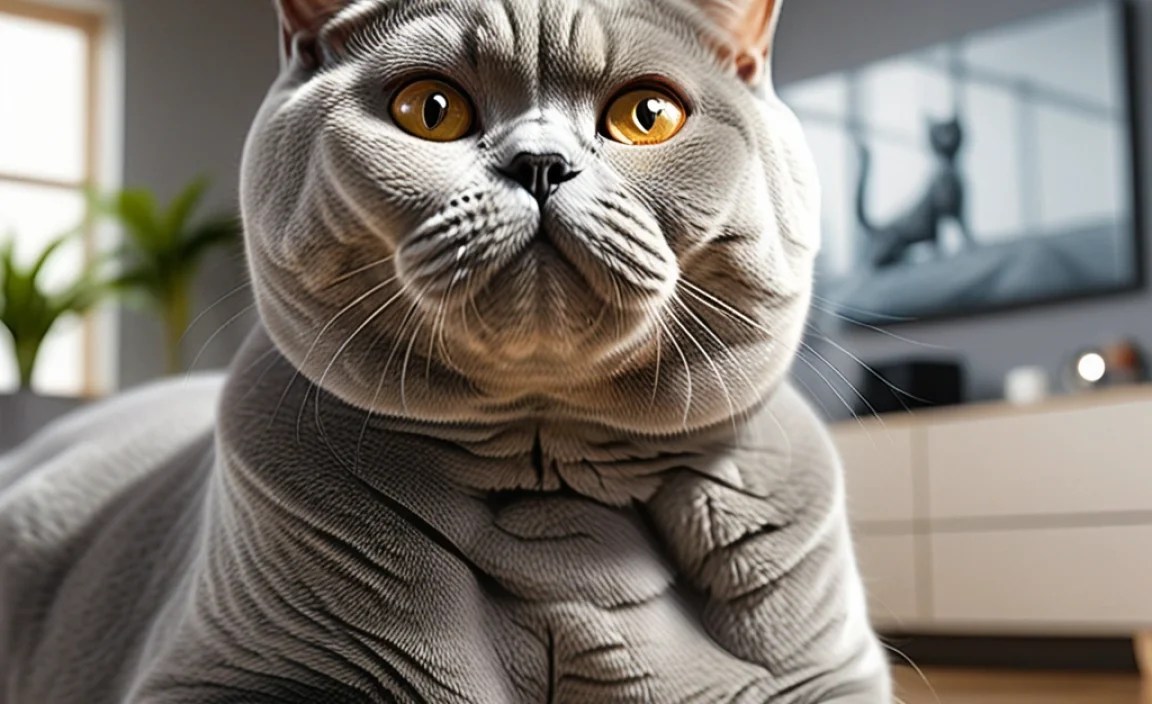
Winter can be just as challenging as summer. Here’s how to keep your British Shorthair warm and cozy when the temperature drops.
Heating Systems
Ensure your heating system is working efficiently to maintain a consistent temperature throughout your home. Regular maintenance can prevent unexpected breakdowns.
Creating Warm Resting Spots
Provide plenty of warm, comfortable spots for your cat to snuggle up in:
- Heated Beds: Consider a heated cat bed for extra warmth.
- Blankets: Place soft blankets in their favorite sleeping areas.
- Draft-Free Zones: Keep their beds away from drafts and cold windows.
Insulating Your Home
Proper insulation can help maintain a consistent temperature and reduce heating costs:
- Seal Windows and Doors: Use weather stripping to seal gaps and prevent drafts.
- Insulated Curtains: Heavy curtains can help retain heat.
- Area Rugs: Rugs provide insulation and prevent your cat from lying on cold floors.
Safe Heating Practices
When using space heaters, ensure they are safe for pets:
- Keep a Safe Distance: Place heaters away from flammable materials and ensure your cat cannot knock them over.
- Supervise: Never leave heaters unattended when your cat is nearby.
- Avoid Open Flames: Be cautious with fireplaces and ensure they are properly screened.
Extra Layer of Warmth
Consider these extra measures to keep your cat warm:
- Cat Sweaters: If your cat tolerates it, a sweater can provide an extra layer of warmth.
- Warm Food: Slightly warming their food can make it more appealing and comforting.
Monitoring Humidity Levels

Humidity plays a significant role in how your British Shorthair perceives temperature. Maintaining optimal humidity levels is crucial for their comfort.
Ideal Humidity Range
The ideal humidity range for cats is between 30-70%. This range prevents both dryness and excessive moisture, both of which can cause discomfort.
Effects of Low Humidity
Low humidity can lead to:
- Dry Skin: Causing itching and discomfort.
- Respiratory Issues: Dry air can irritate the respiratory tract.
- Static Electricity: Which can be annoying for cats with long fur.
Effects of High Humidity
High humidity can result in:
- Difficulty Cooling Down: Making it harder for your cat to regulate their body temperature.
- Mold Growth: Which can lead to respiratory problems.
- Increased Risk of Heatstroke: As high humidity hinders evaporative cooling.
Using a Hygrometer
A hygrometer measures humidity levels in your home. Use one to monitor humidity and make adjustments as needed.
Adjusting Humidity Levels
Here’s how to adjust humidity levels:
- Humidifiers: Use a humidifier to increase humidity during dry winter months.
- Dehumidifiers: A dehumidifier can lower humidity in damp environments.
Creating a Temperature-Controlled Environment
Putting it all together, here’s how to create a consistently comfortable environment for your British Shorthair.
Strategic Placement of Beds
Place your cat’s beds in areas that are naturally warmer in the winter and cooler in the summer. Avoid drafty spots and direct sunlight.
Utilizing Vertical Space
Cats enjoy climbing and exploring vertical space. Cat trees and shelves can provide access to different temperature zones within your home.
Seasonal Adjustments
Adjust your temperature control strategies with the changing seasons. What works in the summer may not be effective in the winter, and vice versa.
Regular Monitoring
Regularly check the temperature and humidity levels in your home and observe your cat for signs of discomfort. Adjust as needed to maintain a comfortable environment.
Special Considerations
Certain situations require extra attention to temperature control. Here are some special considerations to keep in mind.
Kittens
Kittens are more susceptible to temperature fluctuations. Keep them in a consistently warm environment, especially during their first few weeks of life. According to the RSPCA, kittens cannot regulate their body temperature as well as adult cats, so extra care is needed.
Senior Cats
Senior cats may have difficulty regulating their body temperature due to age-related health issues. Provide extra warmth in the winter and ensure they have access to cool spots in the summer.
Cats with Health Conditions
Cats with certain health conditions, such as thyroid issues or heart problems, may be more sensitive to temperature changes. Consult with your veterinarian for specific recommendations.
Traveling with Your British Shorthair
When traveling with your cat, ensure the carrier is well-ventilated and protected from extreme temperatures. Use a pet-safe cooling pad in the summer and a warm blanket in the winter. Never leave your cat in a parked car, as temperatures can rise rapidly.
Choosing the Right Tools and Technologies
Several tools and technologies can help you maintain optimal temperature and humidity levels for your British Shorthair. Here’s a breakdown:
| Tool/Technology | Description | Benefits | Considerations |
|---|---|---|---|
| Thermostat | Allows you to set and maintain a consistent temperature. | Ensures a stable environment, reduces energy costs. | Choose a programmable thermostat for greater control. |
| Hygrometer | Measures humidity levels in your home. | Helps you monitor and adjust humidity as needed. | Place in a central location for accurate readings. |
| Humidifier | Adds moisture to the air. | Prevents dry skin and respiratory issues. | Clean regularly to prevent mold growth. |
| Dehumidifier | Removes excess moisture from the air. | Reduces the risk of mold and heatstroke. | Empty water tank regularly. |
| Heated Cat Bed | Provides a warm and cozy sleeping spot. | Ideal for senior cats and cold weather. | Choose a safe, low-voltage model. |
| Cooling Mat | Offers a cool surface for your cat to lie on. | Helps prevent overheating in the summer. | Choose a non-toxic, durable material. |
Common Mistakes to Avoid
Even with the best intentions, it’s easy to make mistakes when trying to control indoor temperature. Here are some common pitfalls to avoid.
- Over-Reliance on Heaters: Avoid overheating your home, as this can be just as harmful as being too cold.
- Ignoring Humidity: Don’t overlook the importance of humidity levels.
- Neglecting Ventilation: Ensure proper ventilation to prevent stagnant air and mold growth.
- Using Unsafe Heating Devices: Avoid using heating devices that pose a fire hazard or could burn your cat.
- Assuming Your Cat is Fine: Regularly monitor your cat for signs of discomfort, even if the temperature seems right.
British Shorthair Temperature Control: A Quick Guide
Here is a quick table to help you determine if your British Shorthair is at a comfortable temperature:
| Temperature | What to Do |
|---|---|
| Below 68°F (20°C) | Provide warmer bedding, consider a heated bed, and ensure there are no drafts. |
| 68-78°F (20-26°C) | Ideal range; maintain this temperature for optimal comfort. |
| Above 78°F (26°C) | Provide cooler resting spots, ensure access to fresh water, and consider using fans or air conditioning. |
FAQ About Indoor Temperature Control for British Shorthairs
Here are some frequently asked questions about maintaining the right indoor temperature for your British Shorthair:
Q1: What is the ideal temperature range for a British Shorthair?
A: The ideal temperature range is between 68-78°F (20-26°C) to keep them comfortable.
Q2: How can I tell if my British Shorthair is too hot?
A: Signs include panting, lethargy, excessive grooming, and red gums. If you notice these, take steps to cool them down immediately.
Q3: What are the signs that my cat is too cold?
A: Look for shivering, huddling, seeking warm spots, and lethargy. Provide warmer bedding and ensure there are no drafts.
Q4: Is humidity important for my cat’s comfort?
A: Yes, maintaining humidity between 30-70% is ideal. Low humidity can cause dry skin, while high humidity can make it harder for your cat to cool down.
Q5: Can I use a regular fan to cool down my cat?
A: Yes, but avoid pointing the fan directly at your cat for extended periods. Circulating air can help, but ensure they have a place to escape the breeze if they get too cold.
Q6: Are heated cat beds safe to use?
A: Yes, as long as you choose a safe, low-voltage model and follow the manufacturer’s instructions. Always supervise your cat when using a heated bed.
Q7: What should I do if my cat has a health condition and is sensitive to temperature changes?
A: Consult with your veterinarian for specific recommendations tailored to your cat’s condition. They can provide advice on maintaining a comfortable environment and addressing any underlying health issues.
Conclusion
Creating the perfect indoor climate for your British Shorthair might seem like a lot of work, but it’s one of the best ways to ensure their health and happiness. By understanding their temperature needs, recognizing signs of discomfort, and implementing practical solutions, you can create a comfortable and safe environment year-round. Remember to monitor humidity levels, make seasonal adjustments, and always prioritize your cat’s well-being. A little effort goes a long way in keeping your furry friend purring contentedly.


